Home Vertical Solutions Archive by category Retail

Retail

Aikom: Motorola Solutions Launches the New V200 Bodycam in Europe

The new Motorola Solutions V200 bodycam is now available in Europe, an advanced solution for mobile video surveillance ideal for supporting frontline workers: from private security personnel to urban safety staff, as well as healthcare services, public transportation, hospitality, and retail.

By: Marko Peica, Sales Manager for Adriatic region, Qatar, Türkiye, and Greece, Aikom International; E-mail: marko.peica@aikominternational.com

The Motorola Solutions’ V200 was developed in response to the growing demand for reliable wearable tools that can integrate into workflows and document every interaction in high quality—even in real time.

One of the standout features of the V200 bodycam is its ability to livestream video, paired with the GoLive Audio function, which allows operators to communicate instantly with a supervisor or control center.

This dual functionality enables more effective emergency management and real-time monitoring, increasing responsiveness in critical scenarios and enhancing operator safety in the field. The HD wide-angle camera ensures image quality, while its 12-hour battery life supports operation throughout the entire shift.

Smart, Functional Design for Immediate Use

The V200 bodycam is designed to be intuitive and easy to use, thanks to dedicated recording and escalation buttons that ensure quick activation, even while in motion or under stress. A built-in top display shows real-time Wi-Fi connectivity, control center link status, and battery level.

Thanks to RFID Touch Assign technology, each unit can be quickly assigned to an operator via RFID badge, simplifying management in multi-shift environments. The device also connects to an integrated dock station, allowing for charging and secure transfer of recorded videos, optimizing the management of collected material.

Data Security and Regulatory Compliance

Information protection is a core element, and the V200 bodycam delivers. Data recorded by the V200 is end-to-end encrypted, both during capture and when uploading to Motorola Solutions’ VideoManager cloud. The system complies with GDPR and digital evidence management policies, ensuring enterprise-level cybersecurity.

Each V200 bodycam can be customized with identifying labels based on the client’s brand or operational department, simplifying assignment and management—even in large or multi-site fleets.

Available from Aikom International

The V200 bodycam is now available for the European market, distributed by Aikom International, Motorola Solutions’ official partner and distributor.

Honeywell Launches CS32 Personal Shopper to Transform In-Store Retail Experience

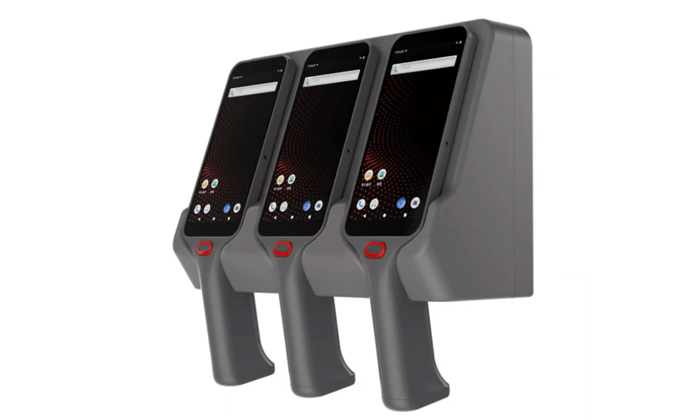
Honeywell has introduced the CS32 Personal Shopper, its first handheld computer designed to enhance and customise the shopping experience across grocery stores, pharmacies, and other retail outlets in Europe.

The CS32 allows shoppers to scan items as they shop, navigate stores using digital maps, and complete payments directly on the device—helping them save time and avoid long checkout lines.

“Today’s shoppers increasingly want technology that simplifies their journey—allowing them to shop, pay and exit the store with ease,” said David Barker, president of Honeywell Productivity Solutions and Services. “Innovations like the Personal Shopper not only deliver a frictionless and convenient experience for consumers but also empower retailers with new opportunities to personalise and optimise the shopping experience for diverse customer needs.”

Powered by a fast, responsive Qualcomm chipset and featuring extended battery life, the CS32 provides shoppers with an intuitive, mobile shopping assistant. Customers can pick up the device at a wall-mounted charging station at the store entrance and return it after shopping. With scan-as-you-shop (SAYS) technology, the solution benefits both consumers and retailers by streamlining checkout while freeing up store employees for higher-value tasks.

The device also offers instant access to product information, such as pricing and ingredient details, further improving transparency and decision-making for customers. Equipped with a six-inch display, the CS32 has enough screen space to show shopping lists alongside tailored advertisements and personalised offers based on purchase histories. By delivering customised recommendations and discounts, the technology strengthens customer loyalty and opens new revenue streams for retailers through Europe’s rapidly growing retail media market.

Fire Protection in Retail, Leisure & Entertainment Sites

Fire safety equipment in dynamic retail, leisure, and entertainment settings must be versatile, reliable but also discreet. Vladimir Zrnic, Regional Sales Manager for Europe at Advanced, outlines some important considerations when choosing the right fire safety solutions for these demanding settings.

 Avoiding false alarm harm

In leisure and retail venues, false fire alarms can be particularly unwelcome, disturbing people’s precious downtime, disrupting purchases and harming business reputations.

Effective management requires advanced detectors and fire panels capable of flexible alarm verification and investigation delays.

In hotels for example, automated verification timers can distinguish false alarms caused by shower steam or smoking from real emergencies. In theatres, multisensors and specialised modes can avoid unnecessary evacuations due to theatrical effects like dry ice smoke, ensuring safety and smooth operational continuity.

Safe, phased evacuation

Safe evacuation in large venues like shopping centres and hotels relies on effective cause-and-effect programming alongside the latest sounder or voice alarm integration to facilitate the evacuation of those most at risk during a fire.

Selecting a fire panel brand with sophisticated cause-and-effect capabilities is crucial for effectively managing evacuations during dynamic fire conditions and reacting to the spread of fire and smoke through multiple areas simultaneously.

Out of sight

Aesthetics are crucial for integrating fire safety equipment seamlessly into retail and leisure interiors.

Designer repeater panels with flush touchscreens look more attractive than standard fire panels but still provide full functionality during fires. Alternatively,custom finishes are available to help panels blend with the décor or branding, and colour-coordinated or low-profile detectors also help improve the look of fire safety equipment.  Some fire systems also allow control of LED blinking to minimise distractions in venues like cinemas and hotels.

Style and safety assured

Layout changes are frequent in some retail settings, so using scalable wireless systems is a wise option. Cable-free fire equipment is flexible and saves on installation costs, plus, EN54-13 compliant fire panels ensure continuous monitoring and fault detection, promptly alerting staff to hidden issues for timely resolution.

Clear communication

Larger venues can complicate emergency navigation, potentially delaying responses. Some manufacturers, such as Advanced, offer custom solutions such as digital mimics with colour-coded LEDs for simplified fire location identification.

In modern buildings, seamless integration of fire and building management systems is crucial for safety and efficiency. Advanced’s technologies, for example, streamline setup and save time by using a common industry protocol. This allows the creation of a system that consolidates data from multiple sources for monitoring via a single central location/PC or the Cloud.

In summary, choosing the right fire protection equipment for retail and leisure venues isn’t straightforward. However, checking that a manufacturer’s product range offers robust solutions to the common challenges outlined above is a great way of ensuring fire safety for retail and leisure venues and peace of mind for those enjoying them.

 To find out more about the features mentioned in this article, please visit advancedco.com or contact Vladimir Zrnic vzrnic@advancedco.com or call +44 (0)345 894 7000.

OPTEX’s 45-Year Legacy of Security Breakthroughs

Founded in May 1979 in Japan, OPTEX was born with a clear vision of building a global sensing technology business with precision and intelligent at its heart. This vision remains just as important now as it did 45 years ago, with OPTEX’s unwavering commitment to innovating new solutions and ideas that solve the everyday problems of its customers. Today, the OPTEX Group comprises almost 2,000 employees across 42 companies across the world, with a broad range of highly accurate and reliable security technologies perfectly suited for diverse applications, and remains at the forefront of the security industry. It offers a broad range of security detection systems suited for diverse applications ranging from high end security to the security of private homes and everything in between. Its focus, however, remains the same: Solving the everyday problems of its customers with innovative solutions and ideas.

OPTEX’s history

1979

OPTEX is founded by electronics engineer Toru Kobayashi and three colleagues.

1983

Developed one of the first wireless outdoor security sensors

1988

The introduction of double conductive shielding which enables the reduction of false alarms from RFI and intensive light sources

1990

Established Research and Development Centre

2004

Introduced the world’s first long range outdoor protection using digital communication technology (AX-100DH(J)/200DH(J))

2009

Developed laser technology for security applications and brought the innovative REDSCAN

LiDARs to the market (first models RLS-3060)

2010

Introduction of SMDA logic enabling sensors to learn from the environment and targeting

the main issue in the industry – reduction of false alarms in external sensors

2021

Introduced the world’s first security LiDAR with integrated camera (REDSCANPro)

Building on this legacy of innovation, the integration of LiDAR technology into OPTEX’s portfolio has marked a significant leap forward in detection system performance. As pioneers in LiDAR technology, OPTEX has continually developed and refined this technology over the years, leading to the current high reliability of their sensors.

Part of the award winning REDSCAN series, OPTEX’s next generation of LiDAR detectors, the REDSCAN mini-Pro series takes security technology a step further to provide highly accurate intrusion detection and visual verification for a wide range of indoor and outdoor applications.

The 20x20m PoE+ LiDAR sensor is equipped with a full HD camera and complies with ONVIF profile S, making it suitable for both outdoor and indoor high-security applications. It features analytics capable of recognizing a moving object’s size, its location, and the distance from the unit. For alarm verification, it includes a built-in full HD camera enhanced with an IR LED.

The illuminators automatically adjust according to the target’s distance to prevent overexposure and ensure a clear image, regardless of the light conditions.

This short-range sensor provides a 20x20m detection area with the ability to customize detection either vertically or horizontally. Additionally, it can be configured with up to eight detection zones, each with adjustable sensitivity, target size, and output.

Milestone: Combatting the Retail Crime Epidemic With Next-Gen Video Tech

As the Chair of the John Lewis Partnership, Dame Sharon White, said, shoplifting has become an epidemic that’s plaguing many retailers at a time when every pound and penny counts. Organized crime isn’t just petty shoplifting. It involves criminals stealing trolleys and truckloads of products that they then sell via the black market. Everything is a target, including food, clothing, shoes, luxury items, beauty items, and small electronics. Criminals may even steal to order, especially if the requested product can attract a premium on the black market. Organised theft rarely happens in isolation, particularly when organized criminals are involved.

By: Borislava Kenarova, Regional Sales Manager Eastern Europe, CIS and Israel, Milestone Systems

Now, retailers are fighting back with creative and proactive technologies to identify repeat offenders, share evidence with the police and courts for prosecution, and identify and remove vulnerabilities in store. With a host of advances in AI-powered video analytics, video management software (VMS), the Internet of Things (IoT) and other cutting-edge technologies, it’s time for retailers to win the battle against organized retail crime.

How Milestone’s VMS works

Video management software (VMS) can be customized to meet all your needs, from keeping people and property safe to running a more efficient operation—and helping you with cybersecurity, too. Experience Milestone’s VMS features with an exclusive demo trail that provides hands-on experience with state-of-the-art camera management solutions.

Open VMS, AI, machine learning

Core to all loss prevention efforts is the VMS, a single place that consolidates all of the data coming in from cameras in stores, body-worn cameras, sensors, and more. An open VMS is able to integrate with the different sensors (notably, from different vendors as there’s no lock-in) and cameras in a security system to make it easier for security teams to keep updated with the different data feeds coming from stores.

With advanced video analytics powered by AI, the VMS can automatically scan for potentially unusual or threatening behavior such as someone walking against the normal traffic flow, loitering, trespassing behind a counter or in a stock room, or (with an audio integration) shouting and screaming. It can then alert security teams to investigate further. The insights delivered to control rooms can even be shared in real-time with ground patrols to inform their approach and help with identifying people of interest, via their clothing or other visual attributes like eyeglasses wearing.

AI in video is now advanced enough to detect items being carried into a store like a knife or chain that can be used to rip out cabinets or ATMs. Delivering such insights quickly to ground teams is vital for their, and customers’ protection.

Crucially, thanks to machine learning that improves with every interaction, AI models are able to get better and identifying potentially criminal patterns over time. These insights aren’t just helpful for retailers but can be shared with others to improve collective threat intelligence across stores and with local authorities.

Groundbreaking technology

Some of the different sensors that a VMS can integrate with include mobile tracking devices that work using WiFi and Bluetooth. As shoppers move through the store, their phones and devices constantly interact with WiFi access points and Bluetooth beacons placed strategically throughout the location. Retailers can passively collect these device IMEI (International Mobile Equipment Identity) to detect repeat offender devices entering stores. If a device was present during a known prior theft, then an alert can be shared with security teams with cameras automatically panning to the person of interest for monitoring.

Digital tags using RFID (radio frequency identification) can be placed on items so retailers can document when something is purchased and ready to leave the store. If an item leaves without being detected as scanned, security personnel can be informed so they can take action. Likewise, GPS sensors on goods can also tell retailers where stolen goods are being kept, helping law enforcement identify criminal stockpile locations. Knowing where large inventories of stolen goods are kept provides critical intelligence for preventing black market sales and recovering stolen property.

Anonymous facial recognition is another emerging technology, now being used in special locked “smart” cabinets to control access to high-value merchandise like designer goods or premium spirits. Cabinets with built-in cameras and AI-powered recognition software can geometrically map a shopper’s facial features upon first use, allowing entry to the cabinet if no issues occur. But if the shopper has previously stolen merchandise from the cabinet, their facial map will be flagged, and they will be denied access to the cabinet.

Strengthening your security foundation

With many exciting advances, retailers can be forgiven for forgetting to strengthen their security basics to deter criminals. The VMS, of course, is a foundational element needed for basic and innovative strategies. It not only supports emerging technologies and integrates these seamlessly with existing security infrastructure, but it can provide valuable insights to inform your long-term plans.  For instance, having enough staff in-store will help to combat shoplifting as a visual deterrent but also in monitoring goods and checking receipts. But how can you determine what the best staffing level is? Video data can tell you about the busiest times in-store when you need more people on the rota. It can even track criminal events over time so you can determine if there are specific times of day when it will help to have more security staff on site.

Benefits beyond retail security

The insights delivered by a VMS can also help to improve the in-store shopping experience by alerting management to potential overcrowding or queues forming. Additional store counters can be opened to reduce queues and customers encouraged to travel through other aisles to avoid busy areas. AI can detect an employee smoking in the wrong area or taking cash from tills. It can also monitor backroom areas to ensure staff aren’t put at risk by moving forklifts, that only authorized individuals are in restricted areas, and to monitor the entry and exit of vehicles.

About Milestone Systems

Milestone Systems is a leading provider of software for data-driven video technologies, both in security and beyond. Milestone’s VMS helps ensure security, protect assets and increase business efficiency with a scalable solution proven in more than 500,000 customer installations worldwide. Milestone was founded in 1998 and is now part of the Canon group. For more information visit: www.milestonesys.com. For news and other press releases, visit our Newsroom.

Aikom: Corporate Security: Business Needs and Innovative Solutions

In increasingly complex and dynamic business environments, security is a top priority. Motorola Solutions conducted an in-depth survey that provides a detailed overview of the security needs of enterprises, collected in the Security in Enterprises Report 2023. This report provides essential guidance for companies in every industry, highlighting innovative solutions and advanced technologies to address current challenges.

The enterprise environment is diverse and complex, with different industries facing specific challenges. However, the need for integrated communication technology is universal. Motorola Solutions interviewed over 370 representatives of organizations in Europe, the Middle East, and Africa, covering areas such as health, retail, hospitality, manufacturing, transportation, and logistics.

Instant communication is key to business security

The report reveals that instant communication is critical, with 70% of respondents considering it the most important feature. Protecting workers and visitors with security features is just as crucial. The main priorities include: automatic alerts to prevent potential accidents, efficient management of emergencies, and the ability to reach workers anywhere, both on site and off site, with a single communication system.

The survey highlighted significant challenges for company voice and video communication systems, including the need to maintain reliable coverage on large sites, battery life (42%) and audio quality (36%). In this regard, digital two-way radios and devices are emerging as a preferred choice, offering superior audio quality, extended coverage and improved battery life.

Growing video security

29% of respondents feel insecure about the workplace, but 30% of the companies and factories involved in the survey do not yet have adequate safety tools. If video security is adopted by 34% of the participants, the future seems oriented to the widespread use of body cams, with 30% willing to invest in this technology in the next five years.

Motorola Solutions presents advanced solutions to address these challenges. The MOTOTRBO Ion is a hybrid device that combines bidirectional radio and smartphone functions with barcode reading offering reliability, endurance and advanced features. The MOTOTRBO R7 and WAVE PTX provide crystal clear communications and connectivity over large areas, while the VB400 body cam is an essential resource for collecting evidence.

To underline the interoperability of the Motorola Solutions devices just mentioned with video surveillance systems, making the management of the entire safety & security ecosystem in the company fluid and centralized.

The report

Motorola Solutions’ 2023 Enterprise Safety Report is an in-depth analysis of the current needs of enterprises to ensure the safety of workers, customers and business resources. Reading the document not only provides a unique opportunity to understand current challenges but also provides advanced solutions that are redefining the concept of business security. Download now the Security in Enterprises Report 2023 and get ready for a safer and more productive future!

Contact Aikom International for the ideal solution

To implement these cutting-edge technologies in your organization, contact Aikom International, the distributor specializing in connectivity, professional radio communications and video surveillance solutions. Visit www.aikominternational.com for further information and transform your company’s security with the latest technological innovations

Smoldering Threat: Are Lithium-Ion Batteries A Real Danger To People And Property?

In the era of digital innovation and mobility, lithium-ion batteries are the beating heart of the industry and everyday devices such as phones, laptops, electric bicycles, and scooters. However, does this heart pump excessively “hot” blood at a time when fires associated with these devices are becoming more common, and what is the industry’s response to the need for getting the best of both worlds in terms of energy and safety?

By: Mirza Bahic; mirza.bahic@asmideast.com

Lithium-ion batteries are often revered today as the “engines of the 21st century.” As an important energy storage solution for portable electronic devices and electric vehicles, these devices are a “Promethean” fire for a world that constantly seeks increased mobility, digitalization, connectivity, and sustainability in one package. However, with the widespread use of these devices, there has also come an increased and statistically well-supported danger of fires breaking out in situations that are still unfamiliar to many.

Is the “Flaw” Inherent in the Battery Design Itself?

At its core, lithium-ion batteries consist of multiple smaller cells, each containing two electrodes separated by a separator. These cells facilitate the movement of charged particles, known as lithium ions (hence the name), through a conductive solution between the electrodes. This process involves charging and discharging, allowing the battery to store and release energy, powering a wide range of mobile devices from laptops to electric vehicles.

When a lithium-ion battery is being charged, lithium ions migrate from the positive electrode (cathode) through the conductive electrolyte and move toward the negative electrode (anode), where they are stored. During discharge, the process is reversed, with lithium ions returning to the positive electrode, creating an electric current that powers the device.

The choice of lithium as the primary element in batteries is due to its lightweight nature and high energy density associated with it. Compared to traditional batteries like nickel-cadmium or lead-acid, lithium-ion batteries offer significantly greater energy storage capacity, making them ideal for portable devices requiring long-lasting power.

So, the answer to the question in the title is straightforward: lithium-ion batteries are not inherently unsafe by design. If they are manufactured and used according to industry standards, they are generally considered safe devices. However, it’s important to note that there are inherent risks associated with the operation of lithium-ion batteries, which can be attributed to various factors such as temperature changes, physical damage, overcharging, manufacturing defects, or improper use.

Why Do Lithium-Ion Batteries Pose a Security Risk?

Lithium-ion batteries have quenched the world’s perpetual thirst for portable energy, allowing us to stay connected across the clock, work efficiently, and push new boundaries in transportation. However, along with all the undeniable advantages, these devices also carry concrete safety risks, primarily related to fire outbreaks in fully unexpected situations.

But if we have established that these devices are not inherently unsafe, why are reports of fatal fires and significant material damage spreading through the media like wildfire today? The reason is simple and relates to the law of large numbers – these devices are more popular than ever today, and their rapid adoption has not been accompanied by an equally diligent campaign to raise awareness about their proper handling and incident management.

First and foremost, when lithium-ion batteries become defective or sustain damage, they can pose a significantly greater danger of fire and explosions. Several factors can contribute to battery failure, including improper use and storage or incorrect charging techniques.

Physical impacts such as dropping, crushing, or puncturing the battery can cause damage that compromises the integrity and safety of these devices. External sources of heat, such as open flames or heaters, as well as temperatures exceeding 55 degrees Celsius, can accelerate the deterioration of devices with damaged cells or those with manufacturing defects.

Similarly, charging lithium-ion batteries at temperatures below freezing can lead to the formation of a permanent metal coating of lithium on the anode. This coating increases the risk of battery failure and, consequently, fire incidents.

Therefore, adhering to the manufacturer’s instructions for charging devices and batteries is crucial in preventing damage to these devices. To reduce the risk, some chargers employ a cyclic power supply mechanism to avoid overcharging, while fast chargers often lack this feature, making user vigilance crucial in such cases. Nevertheless, the industry recommendation is to use chargers according to the manufacturer’s instructions to maintain battery safety.

How to Prevent Thermal Runaway?

Essentially, it is crucial to avoid putting the battery in a “faulty” state. However, what if this has already happened without the user’s awareness of the problem?

In the case of battery failure, the heat generated during the operating process can damage nearby cells, triggering a chain reaction known as a thermal runaway. The high energy density of lithium batteries makes them more prone to such reactions. Depending on factors such as the battery’s chemical composition, size, design, types of components, and stored energy capacity, failures in lithium cells can result in chemical reactions and the initiation of combustion, leading to heat release and excessive pressure.

The chemical reactions inside the battery can raise this pressure to a point where the cell walls expand and byproducts leak from the solution. These byproducts include carbon monoxide, carbon dioxide, hydrogen, and hydrocarbons, which are highly flammable and contribute to fire outbreaks and even explosions in lithium-ion batteries.

As an exacerbating factor in battery ignition, combustion can also cause the separation of fluorine from lithium salts in the battery. When mixed with water vapor, fluorine can produce hydrofluoric acid, a highly dangerous substance that can have long-term but initially unnoticeable effects on human health.

Given all the above, it is clear that a comprehensive understanding of these processes and incorporating knowledge of their mechanics is imperative in developing guidelines and best practices for safely handling these devices.

The Ecological Transition and Affordability Fuel the Fires

Seemingly unrelated global events have also had an impact on shifting the spotlight toward lithium-ion batteries as a security risk. After the outbreak of the Covid-19 pandemic, the use of scooters and e-bikes significantly increased, especially in the segment of delivery services and commuting. This sudden surge led to a spike in the price of these transportation devices, prompting individuals to seek manufacturers with lower quality control standards for their battery systems.

Once the market stabilized, the demand for lithium-ion batteries continued to experience significant and rapid growth, primarily driven by the needs of the ecological transition. Li-Bridge, an organization dedicated to the development of a supply chain for lithium-based batteries, states that the global demand for lithium-ion batteries is expected to increase more than fivefold by 2030.

This demand is closely followed by the rising number of associated fire incidents. According to insurance company Zurich, in 2021 alone, there was an increase of nearly 150% in the number of fires caused by lithium-ion battery explosions in e-scooters and e-bikes. Simultaneously, the number of such fires continued to rise by an additional 28% by the end of September 2022 compared to the monthly average in 2021.

The city of New York can serve as a litmus test for dominant safety trends in this market. In 2019, there were 30 fires attributed to the use of batteries in electric bikes or scooters in New York. A year later, this number increased to over 40. By 2021, the frequency of fires more than doubled, reaching a total of 104 incidents in just this city.

Ultimately, by the end of 2022, lithium-ion batteries were identified as the cause of 220 fires in New York, resulting in six fatalities and 147 injuries. These figures have prompted emergency services to seek professional assistance in identifying the causes of these occurrences to reduce their frequency.

Delayed Fires as a Unique Firefighting Challenge

One of the major causes of fires in electric vehicles and scooters is traffic accidents that result in battery damage. They can lead to the rupture of battery cells, causing internal short circuits and accompanying fires. Unlike vehicles with conventional engines, electric vehicles experience a unique phenomenon of “delayed” fires after a collision, which poses a specific risk for emergency services that are only just becoming familiar with this occurrence.

Pioneering research in this field was conducted by the National Transportation Safety Board (NTSB) in the United States. The Board investigated several incidents involving delayed ignition of lithium-ion batteries in electric vehicles. Instead of the expected battery ignition during or immediately after the collision, it was observed that the vehicles caught fire several hours or even several days after the incident.

For example, in Lake Forest, California, an electric SUV crashed into a residential garage and caught fire. Firefighters initially had to use an unusually large amount of water (over 70,000 liters) on the fire, which continued to burn for at least two hours. It was only when they lifted the vehicle to directly extinguish the flaming battery that the temperature dropped sufficiently to safely remove the vehicle from the scene. However, during transportation on a semi-trailer truck, the battery reignited spontaneously. A similar case occurred in Mountain View in the same region, except that the vehicle’s battery caused a delayed fire at the disposal site five days after the accident.

While there is no clear evidence indicating that electric vehicles are more prone to fires compared to conventional vehicles, the associated thermal runaway process in lithium-ion batteries can be delayed or slowed down to the point of being literally imperceptible. In fact, the initial impact and battery damage can trigger a slow but inevitable chain reaction, ultimately leading to unexpected fires after prolonged intervals, particularly in locations such as salvage yards or vehicle storage areas.

Equally important is the risk faced by truck drivers transporting vehicles with damaged lithium-ion batteries. They are exposed to the possibility of sudden and delayed fires, which can easily spread to other vehicles and further complicate the task for firefighters.

Unquenchable Thirst and Prolonged Interventions

Another important issue related to extinguishing fires on vehicles with lithium-ion batteries involves the availability of abnormally large amounts of water and the length of interventions that “trap” personnel in the field longer than usual. Experts point out that in some cases, extinguishing a fire on an electric vehicle may require as much as 110,000 liters of water. This amount may vary, but many fire departments are already unable to rely on using the same amount of water for interventions on electric vehicles as they would for typical building fires.

The Sinking of the Felicity Ace: Did Electric Vehicles Hinder Firefighting Efforts?

It’s not just trucks and logistical infrastructure that are at risk from the specific fire hazards associated with lithium-ion battery vehicles. On March 1, 2022, the cargo ship Felicity Ace sank near the Azores in the Atlantic Ocean, resulting in the loss of approximately 3,965 automobiles. It is estimated that around 300 electric vehicles were found among them which presented an additional challenge in firefighting efforts because suppressing flames on lithium-ion batteries requires the use of large quantities of dry chemicals such as ABC powder, carbon dioxide, powdered graphite, and sodium carbonate. The crew had to abandon the ship as the attempts to extinguish the fire with water alone proved ineffective. At the same time, cargo ships and ferries are particularly susceptible to such fires due to their internal configuration i.e. the lack of internal compartments which facilitates the rapid spread of fire to other vehicles.

Illegal Vehicle Modifications as a Complicating Factor

In the midst of the authentic boom in the use of scooters with lithium-ion batteries, emergency services face a new challenge in the form of illegal activities associated with this trend. An illustrative example is a tragic incident that occurred on January 1, 2023, in a residential block in the British city of Bristol, resulting in the death of one person and the hospitalization of eight others. The investigation revealed that a fire broke out in the hallway of an apartment, with an amateurishly modified e-bike with a lithium battery identified as the cause. Local authorities attributed this to the growing trend of using conversion kits, which allow for retrofitting electric motors onto standard bicycles. These kits often lack proper batteries, tempting consumers to purchase cheaper alternatives and unverified chargers online that do not always adhere to industrial safety standards. Due to the increased likelihood of malfunctions in these non-standard batteries, the risk of fire is significantly heightened.

Underground Garages and Landfills Are at an Increased Risk

The increasing use of lithium-ion batteries in transport vehicles such as e-bikes and e-scooters has caused real concern among safety professionals due to frequent fire incidents caused by these products. Furthermore, as the global transition to zero-emission vehicles gains momentum, there are concerns about the potential risks posed by underground parking lots. These locations are now filled with electric cars and chargers and are not always easily accessible for firefighting operations.

Alarms have been raised in some countries: after a significant increase in the number of fires caused by e-bikes and e-scooters in London (from eight to 59 cases in just two years), the local transport regulator has called for a ban on the use of private e-vehicles on subway and buses.

At the same time, the Environmental Services Association (ESA) warned that these batteries are dangerous even when they are not in active use, as they can be damaged during disposal in landfills or preparation for recycling. This is primarily associated with the risk of lithium-ion batteries being crushed, broken, or exposed to weather conditions, which facilitates self-ignition or explosions.

At the same time, lithium-ion batteries have become prevalent enough in everyday life that users now dispose of them together with regular waste and other recyclable materials, even though they are essentially ticking fire bombs in this state.

Experts emphasize the importance of separate and proper recycling of lithium-ion batteries, along with their safe disposal outside inhabited areas and adequate protection from weather conditions. Damaged batteries are a particular source of risk as they must be disposed of separately and stored in containers filled with sand or other inert materials such as vermiculite.

Data Centers Are Seeking Solutions in the Redesign of Their Facilities

Lithium-ion batteries have been identified as the main suspect in several devastating fires in data centers. One such incident occurred in early 2021 when OVHcloud, a major European cloud service provider, lost one of its centers in Strasbourg due to a fire. It is also believed that the destructive fire at the Maxnod center in France in March was caused by the ignition of a lithium-ion battery. In light of the potential risks associated with lithium-ion batteries in these facilities, experts emphasize the importance of their functional redesign. This primarily involves relocating lithium-ion batteries to dedicated rooms equipped with fire-resistant walls and ceilings. Simultaneously, fire suppression systems using foam would be introduced instead of water-based systems.

The Industry Responds: A Regulatory or Technological Offensive?

At this moment, it seems that government regulators and the industry are competing to find a universal solution to the “inflammatory” issue of lithium-ion batteries. The solution appears to lie in a fusion of both approaches, with pioneering steps being taken by countries with the highest number of users and, consequently, incidents related to these devices. For example, in the United States, there is an initiative underway to pass consumer standards legislation for lithium-ion batteries. The goal is to establish safety standards for batteries in electric scooters and bicycles, including guidelines for consumer protection. Regulators have emphasized the need for global regulation of the distribution of these batteries from different countries, including those from China, which is undoubtedly yet another echo of the ongoing trade war between the US and China.

Unlike regulation, the user education segment has likely made the most progress in fire prevention. Best practices for protection are generally well-known and include avoiding exposing lithium-ion batteries to extreme temperatures and minimizing overnight and continuous charging. Choosing reputable brands and using original charging devices is another important step in mitigating fire risks. During charging, experts believe that it is crucial to ensure adequate air circulation to prevent heat buildup. It is also advisable to keep and charge electric vehicles outside enclosed spaces, ideally in a dedicated isolated area that local authorities should allocate for this purpose.

Government efforts aimed at preventing loss of life and property can also involve enacting standardized storage and handling procedures for lithium-ion batteries, especially during transit on ships or trucks following traffic accidents.

Lastly, the security industry itself has almost unlimited potential to offer solutions for various risks, including new or lesser-known ones. Early detection of unexpected and delayed battery fires can be ensured through 24/7 monitoring of device transportation, aided by thermal scanners, gas detectors, heat and smoke sensors, and CCTV cameras. Additionally, the industry can provide specialized training for personnel involved in battery handling and fire suppression procedures based on previous experiences with such incidents. It is clear to everyone that if we want the technological torch of lithium-ion batteries to continue to illuminate the path ahead, we must take their countless benefits as seriously as the safety of all user groups that want to tread on it.

Apricum Secures EU Funding for Digital and Green Transition Project

Apricum, a prominent Croatian company specializing in digital and green technology solutions, is delighted to announce its successful selection for an EU-funded project aimed at enhancing competitiveness through investments in the digital and green transition. The project, aptly named “Strengthening Competitiveness through Investments in Digital and Green Transition,” will empower Apricum to strengthen its production capabilities, stimulate market growth, and adapt to evolving industry trends while building on its know-how, certification, and international presence.

Apricum has been allocated a generous budget of HRK 11,274,403.38 (EUR 1,496,462.83503078) to implement cutting-edge digital and green technologies that are supposed to revolutionize its business model and foster sustainable growth. The primary objectives of this initiative include optimizing production processes, ensuring resource efficiency, minimizing waste generation, and establishing long-term market resilience.

KNX Systems at the Helm of Smart Homes

By embracing innovation and digitalization, Apricum intends to streamline its manufacturing processes while promoting a greener and more efficient approach to the production of KNX devices. Today, many smart homes are managed through the worldwide standardized system for building automation, KNX. In short, this means intelligently networking all devices in a building and controlling them from one or various locations, whether by mobile phone, tablet, or computer via the internet (Wi-Fi). This has been part of Apricum’s story from its earliest days as the company has been at the forefront of manufacturing components, modules, and complete KNX devices in Southeast Europe for many years.

Their share in the KNX bus system is a key building block in addressing tomorrow’s climate challenges. By spreading the KNX system, Apricum helps to achieve energy savings of up to 60%.

Apricum has successfully met the high-quality requirements of leading manufacturers, as proven through various audits. Furthermore, they are repeatedly certified in accordance with ISO 9001:2015 and ISO 14001:2015. The European Union had already recognized their achievements and innovation in high-tech solutions by co-funding the APRICUM-SECURE project – a module for secure encrypted management and electronic monitoring of infrastructure.

Apricum takes pride in its role as the lead applicant for this project. Its company members have more than 30 years of experience in developing KNX devices and maintaining the system.

Leveraging its expertise in developing KNX devices and supplying electronic components for smart home and infrastructure management, Apricum has consistently invested in advanced technology and human resources to enhance its product offerings.

Recognizing the importance of aligning production processes, business functions, and workforce with optimized technology and process management, this project aims to improve just that.

Part of the project is ensuring Apricum’s ongoing success and adaptability in the face of technological disruptions caused by the ongoing armed and trade conflicts, shortages, and inflation.

Digital Transition Will Minimize Human Errors and Waste Production Simultaneously

The project will contribute to the digital transition through various activities.

These include innovating component preparation processes, and implementing software solutions for optimizing and automating processes in a dedicated shop floor. Additionally, software-managed digital pick-and-place machines will enhance process tracking and optimization. The company will also innovate automatic and manual component assembly processes, integrating software solutions to reduce human error and minimize production waste.

Apricum will focus on integrating all manufacturing steps and thereby enhancing final product quality. By using state-of-the-art solder print systems, the need for cleaning and misprints is reduced, reducing waste and facilitating recycling. Reliable and precise pick and place machines avoid waste of components, saving resources. Modern automated optical inspection systems and intelligent reflow soldering ovens ensure minimum energy consumption combined with maximum production quality with high first yield rates.

The project includes the procurement of advanced equipment and software for digitizing the whole manufacturing process, enabling full traceability, and ensuring controlled quality.

Apricum will innovate the product end-assembly processes by implementing software solutions for machine management and process optimization. The project will also involve the integration of new digital technologies for product labeling and packaging, including efficient laser management software and engraving equipment.

The comprehensive digital transformation of Apricum will encompass production and related business functions. This includes integrating software solutions for document and project management, file management, and operational process optimization. Software for accounting process innovation and synchronization with the production process, machine management, and optimization, tracking the pick and place machine workflow, and optimizing business processes will be implemented.

From Germany to China: Strengthening Apricum’s International Presence

In addition to its remarkable achievements in the field of digital and green technology solutions, Apricum has also made significant strides in expanding its workforce and establishing an international presence. With its headquarters in Split, Croatia, Apricum has been successful in creating employment opportunities and fostering a diverse team of professionals dedicated to driving the company’s growth.

Currently, Apricum employs 40 individuals in its Split location, comprising the production department. Meanwhile, the company’s development segment is based in Germany, where it has witnessed substantial growth and assembled an international team. Alongside Germans and Croatians, Apricum now proudly boasts employees from Iran, Spain, and China, among other nationalities.

China stands as the largest buyer of Apricum’s products, accounting for an impressive 70% of the company’s output. The construction boom in China has created an extraordinary demand for Apricum’s offerings.

Finally, Apricum is thrilled to embark on this transformative project, which will not only enhance its competitive position but also contribute to the broader digital and green transition objectives set by the European Union. By embracing digital technologies and sustainable practices, Apricum is committed to creating a greener and more efficient future for the benefit of its customers.

About Apricum

Apricum is a leading Croatian company specializing in digital and green technology solutions. With a focus on developing KNX technology and electronic components for smart home and infrastructure management, Apricum strives to deliver innovative and sustainable solutions to its customers. Apricum is committed to driving the digital and green transition in its industry through cutting-edge technologies and forward-thinking approaches.

Monitoring of pentane gas (EX) in foam production, Zagreb

Who doesn’t know it – the much-used polystyrene, popularly known as Styrofoam – it serves: for insulating buildings, to save a lot of CO2, and for protecting people, goods and food, e.g. crash helmets, packaging for televisions and fresh products. The special advantage of polystyrene: it is extremely light, it insulates excellently against heat and cold, and it is very resistant to mechanical and chemical influences.

Production of polystyrene

Petroleum is needed for the production of polystyrene. In classic suspension polymerisation, water and styrene are mixed. With the addition of the blowing agent pentane, the mixture forms a bead-shaped granulate, the expandable polystyrene (EPS). As soon as the EPS beads are heated with steam, they inflate to about fifty times their original size. After intermediate storage, the foam beads are filled into block moulds and welded together by heating them again with steam. The resulting polystyrene blocks are cut into sheets after a certain storage time.

Plastform d.o.o. in Croatia specialises in the production of polystyrene for use as thermal insulation in the construction industry and for the production of polystyrene packaging for use in industry and agriculture.

Production plant of company Plastform d.o.o. of polystyrene with stationary gas warning system of MSR-Electronic for monitoring of concentration of pentane gas

Monitoring the concentration of pentane gas with gas sensors from MSR-Electronic

Gas sensors from MSR-Electronic monitor the concentration of pentane gases in the individual production steps to prevent the formation of explosive mixtures. Plastform’s production plant relies on the reliable gas measurement of the PolyXeta2 product series from MSR. As a result, gas monitoring takes place in Ex Zone 1 when protecting polystyrene (EPS) in the vapour-permeable silos. Furthermore, explosive pentane gas is detected in Ex zone 2 during the storage of raw materials and in the ingot casting process. The fixed gas warning system switches on the ventilation at a measured concentration of 10 % LEL. If this is not sufficient and the concentration has reached 20 % LEL, the gas detection system interrupts the pentane supply and stops the production process.

Solutions from MSR-Electronic for gas measurement in ATEX Zone 1 and 2

The PolyXeta2 sensor is used in: industrial areas such as the oil/gas industry, biogas plants, petrochemical plants, power stations etc. in Ex zones 1 and 2. It is also suitable for commercial areas such as gas transfer stations.

The microprocessor-based gas sensor with 4–20 mA / RS-485 Modbus output signal, alarm and fault relay (all SIL2 certified) is used to monitor the ambient air to detect combustible gases and vapours by means of a catalytic sensor element (Pellistor) in accordance with Directive 2014/34/EU. For sensors without LC display, calibration is done via a handy calibration device or the PC software. Sensors with LC display have an integrated calibration routine that is started from the outside with a permanent magnet without opening the housing. In addition, the background lighting changes from green to red in the event of an alarm or error.

MSR-Electronic’s PolyXeta2 gas sensor

Benefits

  • MSR-Electronic has ATEX and IECEx certificates for electrical explosion protection and metrological testing as well as SIL2 for the safety functions 4-20 mA, RS-485 and relay (pellistors only).
  • 2 versions: with flameproof enclosure or ignition protection type
  • Enclosure: additional FM and CSA certificate for Class I, Div. 1
  • Continuous monitoring
  • Microprocessor with 12-bit converter resolution
  • Self-monitoring
  • Easy calibration / calibration service by replacing the sensor head
  • Proportional 4–20 mA output
  • Serial interface to the control centre
  • Reverse polarity and overload protected

Further information on MSR products can be found here in the current MSR-Electronic online catalog or in the webshop www.msr-24.com.

The installation of the system was carried out by MSR’s partner Aurel.

Uniarch – Life in Focus, Record Your Wonderful Life by Uniarch

Uniarch is a new brand created by Uniview Technologies. With more than 10 years of experience and technology accumulation, we provides easy-to-use and cost-effective products in Uniarch, ranging from IP security system to video conference devices, for home and SMB business worldwide.

With its “Life in focus” in mind, Uniarch is paving the way for the changes: to achieve that, we make effort in transforming people’s day to day lives, as well as businesses of every size. Via optimizing for ease of use, we leave rooms for what’s matter the most. By business empowerment, we entail creating an environment that fosters growth. Uniarch envisions a world where enables everyone to a fulfilling life.

Uniarch includes IP cameras and video recorders that is the optimal option for the small-to-medium business applications such as residential, retail stores. They are capable of providing Ultra 265, maximum 95% bandwidth and storage reduction, wide dynamic range to ensure excellent image with significant foreground and background illumination difference.

Similarities Between Uniview and Uniarch
With this new line from Uniview, you’re going to get several of the same features you’re used to, as well as having full compatibility with any products you already have. Uniarch cameras work seamlessly with Uniview NVRs. However, there are some additional features Uniarch NVRs will only support with Uniview cameras, like auto tracking and human body detection. Uniarch cameras do not include these features, but many Uniview models do. Any Uniview cameras currently on your EZView app will be able to be seen together with your new Uniarch cameras since they share a cloud account. It is a bonus that Uniarch is compatible with most Uniview products, but Uniarch is also a full line on its own. Meaning, you’ll be able to get cameras, recorders, and monitors all under this line of products. You can expect the same stunning quality of imagery across both product lines.

Differences Between Uniview and Uniarch
With the Uniarch camera, to bring it more into the consumer realm, you can expect some other difference in the way the camera is put together. In most Uniview products, and most professional cameras in general, they’re going to have a durable metal build. They’re going to be feature rich and include things like AI and smart events. In typical consumer products you’re just going to see basic motion detection. Uniview products have these enhanced features, but some of these are not really necessary for basic consumer needs.The Uniarch is made of a durable, weatherproof plastic instead of metal, but it’s still going to hold up really well. It has basic motion detection but won’t have the AI capabilities.