Home Archive by category a&s Adria Talks (Page 8)

a&s Adria Talks

Iterview: Peter McKee, Frogblue

Mr/Ms …, tell us something about yourself, your educational and professional background and experience?
I was born and educated in Scotland. I have been living and working in sales and marketing in Germany since 1985. In 2000 I joined Dr Ralf Hinkel at MOBOTIX to build a Global Partner Network and I have been in the IT/Security/Intelligent Solutions industry ever since.

How did everything started with frogblue? At first, it was technology company Abionix, founded in 2014, which later transitioned into the Frogblue Technology GmbH. When and how did you come up with the idea to start this company, how was that transition like, what were the most important milestones, how many employees do you have now and where do you sell your products?

The company was founded in 2014 by Rene Hinkel and his father Dr Ralf Hinkel. Rene had studied dimming electronics as the topic of his bachelors degree and at Abionix he started to develop a robust, reliable and affordable dimming solution. He quickly realized that this solution had much more potential than just dimming lights and the vision of frogblue was born. After looking at the existing market Rene and Dr Hinkel were convinced that there were no other manufacturers focusing on a high quality, easy to install, easy to expand, easily affordable and secure solution. One of the main elements of this solution had to be a reliable and globally accepted communication method between the devices so Rene and Dr Hinkel chose a Bluetooth LE solution enhanced by frogblue to give it quicker response time. Because the solution is environmentally friendly (green) and the messages and commands “hop” from one device to another the name frogblue seemed an obvious choice. We currently have around 60 employees split between hardware and software development, sales and marketing and our technical / sales support team who are also available to assist our partners in project planning. Frogblue are currently active throughout Europe and also as far away as Australia and Japan.

With frogblue everything is smart: from lighting and access control to living and sleeping. Tell us more about your system: what is it based on, how does it uses the frogs to combine all aspects of smart buildings into one solution, what are its major features?

Frogblue is based on a concept and a vision that reaches far into the future, we have a comprehensive and robust roadmap which is already entering the next phase with new products and powerful new software management Apps.
This future proof concept is made possible through a combination of robust reliable hardware and intelligent powerful software. Every frog has the built-in intelligence and logic to receive, analyze and forward messages and command to every other frogblue device in the system.
For example, the frogs that are controlling the internal and external lighting can communicate with the frogs that are controlling the garage and front door lock so when a person activates the garage door using his frogblueApp or frogKey(intelligent transponder) the lights leading to the house and inside the hallway will automatically go on and the door will unlock either immediately or on a time delay. All of this can be configured to only happen under set parameters – only at night, when its dark, after a certain time. If a window is open the heating system will be alerted, if a door is open an alarm will be sent, if the humidity goes up the ventilation will be turned on – the interaction possibilities are endless.

You market frogblue as “easy to install”. What do you imply by that? Do you need any additional IT maintenance?

Because we use an intelligent Bluetooth LE mesh network as each frog is added to the system they automatically – without any configuration- join the mesh network. As long as you have 100V-230V power the system is up and running. The Bluetooth LE Mesh network does not require, for example, the hardware installation and software configuration that a wireless based network would require. The frogs do not require a central unit or an internet connection in order to be configured or to operate. There is no need for complicated IT installation or maintenance. There is no cabling required (green, environmentally friendly). The frogs do not take up valuable space in the sub-distribution cabinet of the building. Once the frogs are installed they immediately start working in default mode – on/off and dimming functions are instantly available.

Is frogblue expandable? Can a company, for instance, install frogblue modules and accessories into one building and expand it later to another one in close proximity?

Scalability is an integral part of frogblue philosophy. In fact because of the intelligence in each frog you can introduce the “smart” concept into any home or building with just one frog. For example a frogDim2-2 with two outputs and two inputs is capable of providing an intelligent dimming solution for two 300W light circuits . This could be an open plan dinning room set up or a combined bedroom bathroom solution – with just one frog. This is also important from an affordability aspect. the user is not forced into a higher investment by having to buy an additional central unit to make the system work. If for example an office building decided they wanted to install an intelligent control system for their window shutters frogblue would be the solution, if they then wanted to enhance the effectiveness of that solution by integrating the lighting solution with the shutter system frogblue could be easily installed. They could then gradually integrate the door entry system, the heating, the alarms, the ventilation and have everything managed intelligently via time settings, temperature, humidity, motion, open door and window notifications, Astro function, and many more sensor based inputs. The system can be extended to buildings close by and far away via the frogDisplay which acts as a gateway as well as, among other things, a central control panel for setting preconfigured scenes and scenarios, controlling heating, viewing security cameras.

The robust quality of the frogblue hardware is only half the story. Frogblue also provides management software. How does it get the most out of these high-quality hardware products?

We have the software to make our hardware smart. Our dedication to intelligent software development is what differentiates us from the competition and allows us to plan for the future. Our frogs already have embedded functionalities that will be improved and increased with subsequent – free of charge- software releases. The logic module inside each frog gives us “if this then that” based capabilities. If this happens then the frogs should do that, if that happens then then the frogs should do this but only if that happens under certain conditions and only at certain times of the day/week/year/ at other times only selected frogs should react in another way – logic based software.

The frogs connect wirelessly via frogblue Bluetooth mesh network. How do you create a virtual cable between these devices?

By giving an output and an input the same name – kitchen light, back door, bathroom ventilator, security light etc- you immediately create a virtual cable between devices with no need for drilling, laying cables, re-plastering and painting. Each frog input and output is capable of receiving and sending multiple commands so without any physical cabling one frog in the system can be giving and receiving commands from multiple frogs within the system. For example in panic mode one frog can tell all other frogs in the building to turn on and off, if someone comes home to an empty house in the dark one click will turn on all lights in the house.

The major concern with the smart building is the level of security from data breach and cyber attacks aimed at taking control over the system. What did you do to make your system as secure as possible?

Security was a major factor in deciding to go with Bluetooth. Bluetooth has its own embedded encryption to which we added the frogblue 128bit encryption. We also have an embedded time stamp in every communication that is sent by the frogs. This time stamp is accurate to a split second and once the message has been sent it cannot be used again and every frog in the system will recognize this.

Your company is VDE-certified. What does it represent?

VDE stands for Verband der Elektrotechnik, Elektronik und Informationstechnik. It represents the highest standard of electrical and fire testing available in Germany. Each product is given over 100 safety tests and frogblue passed every one. The VDE certification represents safety and this is very important for both user and installer. The products are tested and inspected for electrical, mechanical, thermal, toxic, radiological and other hazards and have been proven to be completely safe.

Co-founder of frogblue, Dr. Ralf Hinkel, has also founded MOBOTIX AG, a developer of IP cameras and software with about 400 employees and other High tech business . One can assume that frogblue product is well integrated with the offerings of MOBOTIX. What are the benefits of such interaction of three companies for the end user.

There are really limitless benefits to the experience gained from starting and growing MOBOTIX from a start-up company with under 20 employees to a company with an annual revenue of over €80 million and 400 hundred employees. Many of the people responsible for the hardware and software development at frogblue were involved with developing the innovative software that put MOBOTIX in a class of its own. There are certain synergies to be drawn between the two companies – Decentralised concept, every device is a system within itself, distributed intelligence, no central point of failure, powerful software enabling high quality robust hardware. We have naturally integrated a lot of the intelligent functionality of the MOBOTIX cameras into the frogblue solution so that it is now possible to wirelessly connect both systems and use the multiple sensor and notification capabilities of each to further expand the overall effectiveness of the system. For example the a MOBOTIX camera can now interact with security lights or gates based on motion detection without any cabling necessary or a MOBOTIX thermal camera could also control the ventilation system in an industrial setting – again the possibilities are almost endless.
So although frogblue are still a young dynamic forward looking company we have many years of experience in innovative solutions development and supporting a global network of partners.

Are your products applicable to any type of buildings? Who are your major customers? Could you present or enlist a couple of case studies (give us an info on specific projects, how many and what kind of devices you used, what were customer expectations and results)?

Frogblue solutions can be used in any type of building whether it is a private residence or a commercial building. Because of the ease of installation frogblue is also ideal for retrofits and renovations in old buildings where a smart solution is desired but the cost and disruption of a new installation is prohibitive. To date we have installed frogblue solutions in private homes, holiday homes, hotels, commercial properties, renovated and new apartment buildings, industrial premises. Some examples that I can give you are a renovated villa in France with 130 frogs, industrial food processing plant in Ireland with about 40 frogs giving them a safe secure and switchless lighting and safety control solution, renovated apartment building in Belgium with over 180 frogs and 40 frogDisplay and frogAccess devices controlling every aspect of the building. Last year we also got involved with an installation in a winery that started with an intended 40 frogs for guest chalets and ended up with over 400 frogs covering not only the comfort in the accommodation but also the commercial and retail applications of the winery. This year we are starting another winery installation with over 1000 frogs planned. Another successful project was the upgrading of the lighting system in a major bank in Eastern Europe. The frogblue solution is very flexible and has something to offer in every type of building and installation.

The koronavirus pandemic has affected the smart building and security markets. Was your company affected as well and how did you adapt to this situation? In your opinion, when can we expect the market to recover?

Sadly the Corona pandemic has effected almost everybody and every industry however we have to be thankful that frogblue has continued to grow at a high rate and we will always keep looking forward. At frogblue we have been using this time to get our new products to market and work with our partners on educating them in the frogblue solutions. Generally preparing for a bright, optimistic and successful future. We already see markets recovering in many areas. I expect that construction and renovation projects will be among the first to bounce back. There is also a much higher awareness of not only what constitutes a safe and comfortable office environment but also the need to adapt to the changes brought about by having less people in the office and using resources in the most intelligent and economical way.

You are strongly positioning yourself in Adriatic region. Who are your major partners in the area, are you pleased with the sales results and growth? Where do you see possible improvements?

Together with our partner TEND we are setting up a frogblue Competence Center to provide local technical ,sales and marketing support. TEND have been a partner of ours since the very early days of MOBOTIX, almost 20 years.From this base we will train and support our new partners that come on board.
Frogblue are at the start of a very promising future in the Adriatic region and we are looking for the right partners to accompany us on the journey. If any of your readers are interested then they should contact Ales Polajnko at info@frogblue.si

Gas Suppression Control for Critical and High-Risk Sites: What to Consider

Advanced’s Regional Sales Manager for Southern Europe, Vladimir Zrnic, discusses some of the key considerations to take into account when specifying an effective gas suppression system.

Data centres, control rooms, power generation facilities and archives may serve very different purposes, but they all pose the same critical challenge for those charged with their fire protection. Guarding against catastrophic loss – whether of data, irreplaceable cultural assets or essential services – creates unique impetus to design solutions that offer the highest levels of control, reliability and protection. Ensuring you’ve covered all eventualities on these sites takes meticulous planning from the earliest stages and demands the use of specialist, proven technology.
Gas suppression systems are a valuable asset in protecting critical sites, where the use of water could be almost as damaging to building contents as the fire it would be used to quell. Some suppression systems release gases to reduce the oxygen content, and others use chemical reactions to extinguish fire.

Compliance
EN 12094 details the compliance requirements for gas suppression systems and their associated components, and EN15004 details the requirements and recommendations for the design of these systems. In order to meet EN12094-1, you need both the EN12094-1 approved extinguishing control panel, and also EN54 approved peripheral products. The panel, the detectors, the manual call points, as well as the sounders, all require EN54 approval for full compliance and peace of mind that your system will perform as expected in a fire situation.
EN54 part 13 specifies the minimum functions required to be performed by the control and indicating equipment (CIE) and its associated components, and it specifies the requirements for networked systems. This can prove particularly useful in indicating trouble or a fault during normal conditions if the voltage/current at the end of a circuit is not sufficient to operate the device connected to it. Essentially the fire system continuously tests its integrity – continually checking the condition of its components, and wiring, ensuring that they will work as required in an emergency.
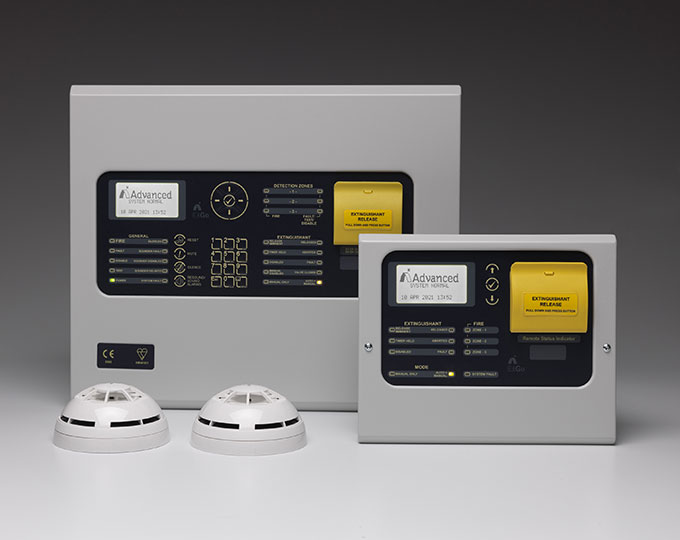
Advanced’s ExGo gas extinguishing panel was among the first solutions to achieve EN12094-1, alongside approvals to EN54 parts 2, 4 and 13. ExGo also led the way in being one of the first to combine these with EN12094-3 in a single solution, providing end users with the additional functionality of annual activation on the facia of the panel – incorporating an electrical triggering device in compliance with the requirements. (EN12094-3 relates to the integrated manual release on the front of the panel).

Case Study – National Library of Romania 

47 networked ExGo gas suppression panels with LCD displays, LED indicators and manual release buttons have been installed to protect the priceless, irreplaceable collections housed at the National Library of Romania.
The gas suppression system integrates with the Library’s fire system and monitors and controls the valves that release up to 20 tonnes of NOVEC 1230 fire protection fluid.
The system is EN 12094-1 and EN54 parts 2, 4 and 13 approved and offers the flexibility and expandability to meet current and future requirements.

Functionality
Gas suppression systems offer two different modes of use – automatic or manual control. In automatic mode, the system can operate without human intervention to deal with a fire before anyone is even aware of an issue. This mode of operation is particularly beneficial for isolated or unmanned sites.
However, some solutions also offer a degree of manual control. Manual mode enables full control of the system, proving useful in scenarios where an end user wants to reduce the risk of costly false alarms. When repair or maintenance work of a protected area is being undertaken, or if detection with high sensitivity – such as aspirating smoke detectors – are in effect, manual mode functionality can be useful in reducing the likelihood of a gas suppression system being triggered and releasing costly suppressant into the protected environment unnecessarily.
A solution with manual mode functionality can also be highly advantageous to users who want to specify how a system will work or react when certain events occur. This is particularly apparent with integrated solutions, capable of transmitting command signals from one system to another.
For example, in a data centre environment, all doors and windows will need to be sealed, in order for any release of gas to be effective at preventing the spread of a fire. If the server room doors are left open, the building’s access control will register a fault. This can be reported to the BMS, which in turn communicates with the gas suppression system to enter manual mode until the doors are once again closed and the room sealed.
To cover these eventualities, ExGo from Advanced, was developed with enhanced functionality in mind. The main panel is complemented by a range of repeaters so that system status can be seen inside and outside a protected area. In addition, ‘hold’ and ‘abort’ buttons allow the gas release to be paused or cancelled on visual confirmation of the area.
This flexibility in control options and devices, including automatic/manual switching, is an important additional safeguard for minimising the possibility of accidental/unwanted suppressant release and ensuring the effectiveness of the protection measures.

Case Study – the Hong Kong-Zhuhai-Macau Bridge

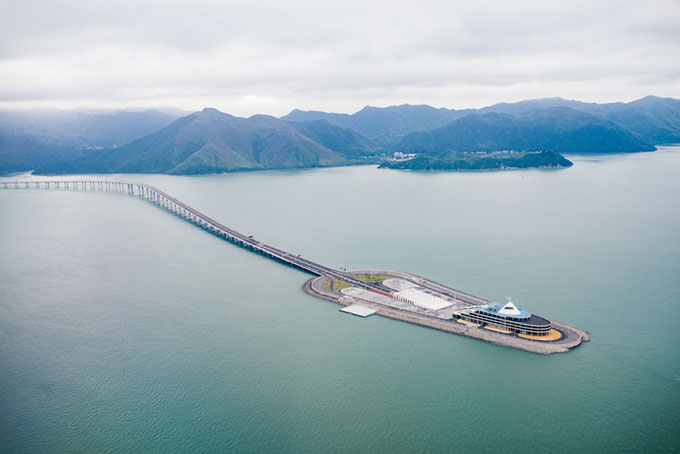
A network of 31 ExGo gas extinguishant panels was selected to protect critical server rooms in more than ten different buildings on the artificial island gateway to the $18.8 billion bridge, including police and fire stations as well as customs and various administrative buildings.
With its proven track record in complex installations, cutting edge capabilities and high reliability, each ExGo gas extinguishant control panel is connected to at least one remote status indicator unit located at the entrance to the protected area, providing enhanced monitoring and control for the end user.

Integration
A superior gas suppression system will allow interfacing with various third-party systems, such as the fire system, offering tangible benefits such as enhanced protection, cost efficiencies, greater ease of use and faster response times during an emergency. Gas suppression control modules can be added to the fire system and can then control extinguishing operations as part of the wider cause and effect programming.
However, integrating gas suppression systems can be both delicate and challenging. Coordination and a good understanding of the integration approach are essential to attaining a system that operates smoothly.
ExGo has been designed to integrate easily into Advanced’s MxPro or Axis EN fire systems, as well as a site’s BMS, via a simple fire protection interface, or any third-party fire alarm system via an I/O loop device. Once integrated, the end user can take advantage of improved capabilities.
By consolidating data from HVAC, energy, security, CCTV and life safety applications onto one system, the end user gains facility-wide insight from a single workstation – benefitting from improved reporting, information management and decision-making.
Operational efficiencies can also be gained through the integration of the gas suppression system with the fire system and BMS, thanks to the reduced requirement for additional staffing and resource, simplifying training, and reducing false alarms.
These factors reduce risk, offering more strategic mobile or desktop control, exceptional alarm management and integrated security solutions. Overall, this provides a more comprehensive view of the status of a site, helping to speed up response time and mitigate risks to people, property and business.

Case Study – Historical Archives of Belgrade, Serbia 

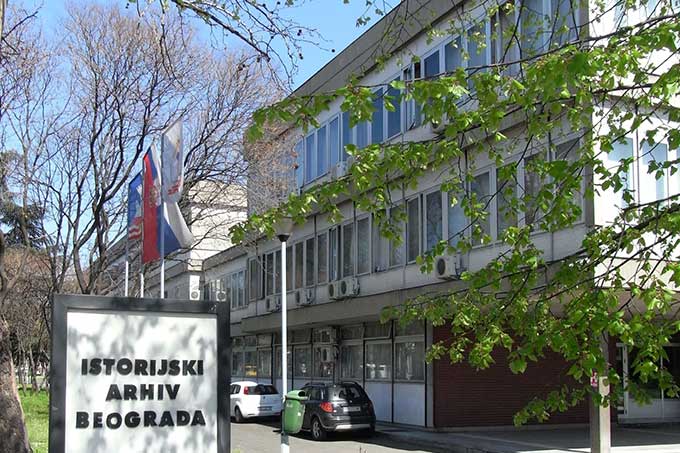
A custom-engineered ExGo gas extinguishant system, alongside Advanced’s Axis EN and TouchControl touchscreen remote control terminal, has been installed to meet the specific needs of the Historical Archives of Belgrade.
The end user required complete system visibility over one of the Archives’ 2,400 sq metre storage facilities, which houses some of Belgrade’s most important cultural and social assets spanning the 16th to 20th centuries.
The installation involved the extensive interfacing of TouchControl with the ExGo panel, enabling the end user to see the status of the suppression system remotely via 3D interactive maps. The ExGo panel has been programmed with substantial logic in order to achieve cause and effect that activates relays and sounder circuits. These circuits are then used as mass-notification devices and integrate with a bespoke engineered system using TouchControl.

Software
Carefully designed software has the ability to drastically enhance the performance of your gas suppression system, making it easy to perform remote monitoring tasks, fault find and plan and configure even the largest and most complex of systems. A high-quality solution will also provide users with unrestricted access to regular updates to ensure the system consistently meets changing standards.
The ExGo extraction tool, designed to work with Advanced’s gas extinguishant panel, makes the management of configuration, control data and event logs simple and efficient for integrators, maintenance technicians and end users. The complete suite of applications for Advanced’s solutions are continually updated with new features and performance enhancements, with legislation changes implemented across the software quickly, keeping customers’ systems up to date.
In summary, there is no ‘standard’ fire solution for critical and high-risk sites. Their distinctive characteristics and complexities demand that fire protection solutions be designed into them from the earliest stage. Specifiers and users need to understand the pros and cons of the solutions available and, importantly, how the gas suppression systems themselves can help deal with the unique challenges presented by critical and high-risk sites.


Interview: Hebe Zhao, Director of East European Business Dept., Uniview

We used our knowledge of IT to create advanced video surveillance solutions

Ms Zhao, thank you for addressing to our readers. For a start, could you present yourself, your educational and professional background, duties you are performing at Uniview, etc.?
I am Hebe Zhao with a master’s degree in MBA from Zhejiang University and a bachelor’s degree in background engineering from Southeast University. I used to work in telecommunication and network equipment manufacturer as a senior channel manager for nearly ten years. I have been working for Uniview for six years and have been the Director of East European Business Dept. in the past 3 years.

Uniview is one of the largest players in video surveillance in the world, ranking sixth in 2020 Security 50 research. Can you give us a brief history of Uniview, what were the most important milestones on your way to success? How many people do you now employ now, in how many countries do you sell your products and have offices, what is your growth rate, revenue, etc.?
Uniview is a pioneer and leader in IP video surveillance. We are the third largest player in video surveillance in the Chinese market. Our goal is to become a global leader in the video surveillance industry, which is committed to building a safer world by providing professional, reliable products and services.
Uniview has a complete IT industry background. Before Uniview was founded in November 2011, the whole team used to be the Storage & Multi-media product line of H3C, which has now grown into the largest network equipment manufacturer in China. We have an absolute advantage in storage products, especially in IP SAN.
We have accumulated more than 15 years of experience in R&D of storage products. When we talk about solutions related to IP protocols and network architectures, the Uniview product consistently delivers the best performance. Uniview was awarded China’s second National Science and Technology Progress Award for “Key Technologies and Equipment of Media Stream in Large Scale Metropolitan Surveillance.” It is the highest honor in the entire security industry awarded by China State Council. We are also the first security manufacturer to receive this award.

Uniview has complete IP video surveillance product lines. Can you present your product portfolio in brief?
Currently Uniview has a complete IP video surveillance product line: IP cameras housing in bullets, domes, fisheyes and PTZs; NVRs, Hybrid NVRs and XVRs; VMS and IP storages; Monitors, LCDs and LEDs; Access control Terminals; Smart Interactive Displays, etc. tries to deliver not only products to our customers, but also the entire solution from the front end to the back end.

What is the difference between three types of product series: Easy, Prime, and Pro, and what are their benefits?
Since 2018, we have classified our CCTV products into 3 categories: Easy, Prime and Pro. The main reason for this classification is to better adapt to the market segmentation of CCTV. At present, the surveillance market can be roughly divided into 3 categories: vertical industry markets, SMB markets, and retail markets. Different market categories have different price requirements and product function requirements. Using only one product category to meet different market needs is obviously not the right choice. The Easy series is currently positioned itself at the entry level category to meet the basic CCTV requirements, the extremely high cost-effective is the benefit they can to bring to customers. Regarding the Prime series, we added smart functions, richer interfaces and better image effects, to bring additional value to our customers. Move on to the Pro series, we empower them higher computing capability, more high-end functions (e.g. Optical Defog, SFP) and more diversified product forms (e.g. Panaromic, LPR, Positioning System) to meet the diverse needs of high-end projects such as safe cities, hospitals, subways, airports and so on. By dividing these product levels, we will bring more choices to our customers and bring them the most appropriate product value.

Which low-end camera type do you sell most of – and which high-end camera is most popular?
Depending on the region, there are different best-selling products in different regions. When it comes to the Balkans, the Easy series cameras with a focal length of 2.8mm and a resolution of 4 mega would be the best-selling cameras, as well as a 1-SATA, 4-channel plastic chassis network video recorder. On the high-end side, our license plate recognition cameras and AlphaView series cameras are the best sellers. In addition, our high-end integrated management server Unicorn has been adopted by an increasing number of projects and is being recognized by more and more customers due to its high reliability and rich features.

Last week you launched new generation of Prime-I products. What are theirs features and how do they overcome conventional intrusion prevention products’ limitations via Smart Intrusion Prevention?
Well, the biggest feature of Prime-I series definitely is definitely the smart intrusion prevention, which we call SIP for short. Compare with conventional intrusion detection, SIP technology adopts deep learning algorithm instead of just image contrast change detection. SIP can achieve less than 1% false positives when people and vehicles are detected. It filters out most distractions, such as swaying leaves, lights, pets, wind and other non-target objects and alarms are triggered only by interested targets, such as people, vehicles and non-motorized vehicles. Related videos are sorted by category for easier search, and each category box represents a color to provide a clearer trigger type, which will greatly improve search efficiency.

Were you affected by the coronavirus pandemic and what did you do in terms of innovation to keep the business running?
As Uniview is the third largest CCTV manufacture in China, we were greatly affected by Covid-19 in 2020. During the last lunar New Year period, from January 23 2020 to the end of March, the whole of China was under lockdown and almost all the Chinese residents took part in the campaign against the coronavirus. People stayed at home and work from home, but for us, many engineers were at the forefront of this battle. We have not only brought CCTV products to the public but also the Heat-Tracker series fever screening products. Uniview launched the fresh new Heat-Tracker series products in just 2 months during the lockdown period. The Heat-Tracker series products helped Uniview and its partners to keep their business on track, and in some countries and regions, this has even helped the partners generate better revenue than they did in 2019.

PixelSense is one of your core technologies.How does it increase the quality of the picture?
The main goal of video surveillance is to see clearly anytime, anywhere. Cameras have to be well prepared for providing high-resolutions and colorful images under different illumination conditions. Day& Night are two essential scenes due to different illumination environments. Unfortunately, conventional cameras usually adopt hardware sensor to determine whether it’s day or night scenes, such as photocells, which are less reliable in most cases, and there are plenty of complaints about conventional methods in the market. For example, if a conventional camera is just set beside a shining lamp-box, the camera will determine itself to open daytime mode, but the actual environment may be midnight. To solve this problem, Uniview applied unique PixelSense technology to replace the hardware sensor with a more accurate intelligent algorithm, which significantly improves the accuracy of the day and night conversion. Therefore, it significantly improves the image quality to adapt to different illumination conditions.

With the improvement of video quality, it affects the demand for more storage. Uniview has innovated and updated U-code and UBS technologies. What are they and how do they reduce storage capacity?
U-code is a patent codec technology invented by Uniview, the main goal of U-code is to reduce the bandwidth and storage costs based on the standard H.264/H265. Unlike conventional video compression technologies which try to reduce storage costs by sacrificing resolution and frame rate indiscriminately, U-Code 2.0 chooses to use “IRP” (Intelligent Region Perception) to detect movement within each frame. With U-code technology, it can save up to 95% in bandwidth and storage costs, which brings greater value to our customers. UBS is the abbreviation of Universal Block Storage, which is an advanced storage structure invented by Uniview , more suitable for CCTV applications. Unlike the traditional file recording systems like FAT or NTFS, which waste a lot of space due to file fragmentation, UBS saves some storage costs by splitting video data directly and mapping it to hard disks within the original block of data, thereby avoiding file fragmentation and making full use of hard disks.

The most important trends in video surveillance are artificial intelligence and loT. What must Uniview provide in these areas?
In fact, we started investing in AI technology very early on. Our AI-related products have been widely used in the past few years, and China State Television has reported some successful cases on Uniview. In overseas markets, we started deploying AI products last year. You may notice that we’ve already released a number of cameras with AI, and we’ll be offering backend products in the near future. This has been one of our strategic directions regarding loT. We are involved in the construction of many smart cities in China. The loT is the foundation of smart cities and cameras are an important part of loT. In addition, we also released some smart home products, such as access control terminals, PM2.5 sensors, landmark devices and so on. We will also release more products related to loT in the near future.

Uniview insists on high quality. How do you ensure reliability at design and test?
Uniview strives for high quality in design, materials, R&D and testing. For example, Uniview’s IR anti-reflective glass can increase IR transmittance by 8% compared to regular glasses. Uniview also uses automotive-grade LEDs to improve infrared compensation by 15%. Our three-phase stepping motor driving PTZ dome cameras moves smoothly at 300 degrees/s without shaking, resulting in stable video, more reliable and more cost effective. Water and vandal proof seal design helps prevent water and dust, providing easy installation of screw out of seal. Uniview’s all color and laser IR compensation technology are able to provide vari-focal compensation methods, and also support IR ranges up to 500m. This can definitely be applied to our 44x zoom PTZ dome cameras to view longer and wider images. In addition, our NVR comes with a lot of great hardware designs. This is This is a carefully designed case from NVR that is designed to prevent injury accidents with rounded corners. Maglev fans can reduce friction and control noise while the equipment is running, thus extending its service life. Flame-resistant materials compliant with UL-94-V0 to prevent more serious injury or damage caused by fire. High quality capacitance, one of the highest quality components, ensure product stability and safety. The housing of our bullet camera is made of cast aluminum is therefore 6mm thick and 200% thicker than a normal shell. You can feel weight and substance by playing. Uniview has a unique test center to test IP cloud exchange ability. As mentioned earlier, Uniview was awarded the 2nd National Science and Technology Progress Award for “Key Technologies and Equipment for Media Stream in Large Scale Metropolitan Surveillance.” Our test center in Hangzhou can actually be seen as a validation program for this technology. With this test center, we can effectively improve data processing and reduce costs by 30%.Uniview also established a reliability lab to test products during the validation phase. We will sample and test the products during the mass production phase. We have ESS tests, drop tests, vibration tests and salt spray tests.

What vertical markets do you focus on? Can you present or enlist the most important case studies, especially on European soil?
There are over 1100 high-end cases covering more than 140 countries and areas including America, Japan, Russia, UAE, Australia, etc. At the same time, Uniview products are also widely used in different scenarios like safe cities, enterprises, banks, education, health care, shopping malls, hotels, etc. With rich experience in video surveillance, Uniview is confident to go further in the international market and provide professional services to customers around the world.
In European countries, we offer our products and services extensively to our customers. For example, the safe city in Bergamo, Italy; The safe city in Poznan, Poland; InterContinental Hotel in Bucharest, Romania; Pam Panorama, Parma Store in Italy; Zalando Campus in Berlin, German; etc.

The industry has been concerned about cyber security for years. How do you prevent data leakage and loss?
Cybersecurity has always been our focus, and we invested in it very early on. We believe there are four levels of risk across the entire CCTV system. They are the perception layer, the transport layer, the management layer and the application layer. The main problem of the perception layer is that the perception device may be hijacked. The transport layer is subject to network attacks, such as DDOS attacks. The management layer can be illegally hacked and then stolen. A hacker on a PC or application device may attack the application layer. We have security considerations on each layer, I’m not going to dive into all the details, but I can give you a few examples. The main reason why the camera is hacked is that the user does not have the consciousness to modify the default password, but default password is known by everyone. We adopted the double password mechanism, so users logging in remotely from the Internet need a strong password. In addition, we have turned off the Telnet port by default, this block the possibility of controlling the device over this port. In addition, all network traffic between devices is encrypted with SSL. In short, with Uniview products, you don’t have to worry about network security.

What are your thoughts on the safe markets in Southeast Europe (Slovenia, Croatia, Bosnia and Herzegovina, Serbia, Montenegro, northern Macedonia and Kosovo)? What are your plans for this area? Are you looking for regional partners? Do you plan to expand your market share?
Countries in Southeast Europe have enjoyed rapid economic growth and have maintained close cooperation with Chinese manufacturers. Although the geography here is a little complicated, and the transportation across the country is not very convenient, but we are still willing to actively communicate with our partners. We can feel that the end users and partners here are very open, they are willing to enjoy new technology and try new options. We have good partners in many countries and our market share has grown rapidly in the past few years. Our business in Southeast Europe last year has achieved a growth rate of more than 50%. Of course we can predict that the coming year 2021 will be an explosive year. We will invest more human and material resources, to bring our new products to develop this market. We hope our partners and end users here can find their true value and here and succeed with Uniview.

In terms of product portfolio expansion, new business strategies, technologies, new offices and markets, what can we expect from Uniview in the coming years?
Uniview is an innovative company. Every year, we spend more than 10% of our revenue on developing new technologies and products. At the end of 2020, Uniview held nearly 2,000 Chinese patents, and the number is growing. We are capable of scientific research. In addition to the sterilizer box and smart infrared wrist thermometer, the next addition to the Uniview range is a very good video conferencing device. We will open a new office in Southeast Europe by the end of this year to better support our partners and provide better service to our customers locally.

Yoann Klein, Senior Cyber Security Advisor, Huawei

Mr. Klein, could you please present yourself to our readers: your educational and professional background, and your role at Huawei?

I am the holder of a master’s degree specialized in Telecommunications and Computing,            awarded by IMT Lille Douai, a civil engineering school located in north of Paris.

Prior to joining Huawei, I have been working almost 15 years for major European cyber companies such as Airbus and Thales. All along my career, I had the opportunity to take technical authority roles and to lead cyber engineering teams operating in various critical environments such as defense, public safety, aeronautics, space and transportation.

I am now senior cyber security advisor based in the Huawei Cyber Security and Transparency Center in Brussels. I am part of the Huawei Global Cyber Security Privacy Office (GSPO). This global entity oversees the enhancement and implementation of Huawei’s end-to-end global cyber security assurance system, which includes monitoring and improving all aspects of information security across the company’s global supply chain, in addition to the management of the trusted delivery process.

You are based at the Huawei Cyber Security Transparency Centre in Brussels, and focusing on 5G and IoT security areas. What scope of activities does that include?

Established in Brussels, the Huawei Cyber Security and Transparency Centre opened its doors on March 2019. It provides a platform to enhance communication and joint innovation with all stakeholders, public and private. It also provides a technical verification and evaluation platform for our customers.

Openness, Collaboration and Transparency are really the three words driving this initiative.

“Openness” as we showcase our end-to-end cyber security practices, from strategies and supply chain to R&D through presentations, videos, demos involving Huawei’s products and solutions in areas such as 5G, IoT, cloud, etc.

“Collaboration” as we organize dedicated expert workshops and conferences with key stakeholders (standard organizations, regulators, national authorities, etc.) on cyber security practices, to explore and promote the development of security standards, verification mechanisms, and technological innovation in cyber security across the industry.

And eventually “Transparency” as we provide a product security testing and verification platform to Huawei customers and 3rd party laboratories. It includes black box and white box (with access to source code) environments. We can simultaneously carry out 5 projects of products and platform in Brussels.

During 2018, the 3rd Generation Partnership Project (3GPP) SA3 held seven meetings. 74 companies sent technical experts to attend the meetings, with the key objective of formulating 5G security standards. The 3GPP SA3 has comprehensively analyzed 5G threats and risks in 17 security areas. Can you name those areas and what are the biggest security threats and risks related to them?

Within the 3GPP Technical Specification Group Service and System Aspects (TSG SA), the main objectives of 3GPP TSG SA WG3 (SA3) includes defining the requirements and specifying the architectures and protocols for security and privacy in 3GPP systems.

In order to better serve these objectives, several security areas have been indeed defined and investigated, respectively: Security architecture (1), authentication (2), security context and key management (3), radio access network (RAN) security (4), Security within NG-UE(5), authorization (6), subscription privacy (7), network slicing security (8), relay security (9), network domain security (10), security visibility and configurability (11), credential provisioning (12), interworking and migration (13), small data (14), broadcast/multicast security (15), management security (16), and cryptographic algorithms (17).

Out of these 17 domains, it is very difficult to define one specific security area more risky than others. They can (and should) not be perceived as independent areas when assessing cyber risks. A potential threat or a failing protection in one area might directly or indirectly impact others.  But if I have to pick one specifically, I would highlight, just as I am promoting it for many years in various industries, the importance to balance protection and detection. As a consequence the security area “security visibility and configurability” is, according to me, of paramount importance for the necessary detection capabilities of end-to-end systems.

Why is 5G secure? How do experts from industry and standards organizations ensure that 5G security risks can be effectively managed in terms of security protocols and standards as well as security assurance mechanisms?

Just like mentioned, many stakeholders (regulators, vendors, operators, academics, etc.) with high expertise have been involved in 5G standard definition and they are continuing to work together on the coming 3GPP releases. They contributed to reach a high level of security for the definition of 5G specifications. This collaborative approach has also been promoted when creating the Network Equipment Security Assurance Scheme (NESAS).

NESAS is a security assurance framework highly recognized within the mobile industry. It is globally used as a security baseline and includes common requirements for security evaluations of network equipment and an assessment of telco equipment vendors. NESAS provides the necessary tools for ensuring effective assurance testing.

The NESAS framework is a joint effort between 3GPP SA3 and GSMA, and also includes standard-based assessments for 5G security, which are part of the Security Assurance Specifications (SCAS). The product evaluation is performed by competent, security test laboratories accredited according to ISO 17025.

That’s why at Huawei, we are very proud to have been able announce in December 2020 to have successfully completed the world’s first SCAS audit on 5G & LTE base station (audit performed by 3rd party DEKRA), following also the world’s first NESAS audit on 5G base station passed in May 2020 performed by @sec.

As stated in your whitepaper, most threats and challenges faced by 5G security are the same as those faced by 4G security. However, the security challenges brought by new services, architectures, and technologies to 5G networks need to be considered. For example, access authentication for third-party slicing service providers, network slicing, Service Based Architecture (SBA), the secure use of computing resource assets, especially as cloud architecture in 5G is widely adopted, and the impact of new technologies, such as quantum computing development, on traditional cryptographic algorithms. Can you explain these new challenges in the common tongue?

On the one hand, it is indeed true that 5G network inherits the 4G network security architecture: like the previous telco generation, 5G access and core networks have clear boundaries, interconnect through standard protocols, support intervendor interoperability, and have standards-based security protection mechanisms.

However on the other hand, it is also indisputable that new services and use cases will bring new challenges and that is why extra security measures have been defined and specified in the 3GPP standard.

If I have to summarize some key enhancements to address these new challenges, I would highlight the following four improvements: (1) a stronger air interface security, offering user data integrity protection to prevent it from being tampered on top of the existing user data encryption present in 2G, 3G, and 4G networks, (2) an enhanced user privacy protection by transmitting user’s IDs (IMSIs) in cipher text compared to 2G, 3G, and 4G networks which is transmitting this information in plain text over the air interface, (3) a better roaming security between operators avoiding attackers to be able to exploit SS7 weaknesses and tamper sensitive data (e.g. key, user ID, and SMS) exchanged between core networks from different operators, and eventually (4) enhance cryptographic algorithms by supporting 256-bit cryptographic algorithms, being sufficiently resistant to future attacks with quantum computers.

There was a lot of talk and discussion in the media the last couple of years about the security of your companies’ 5G network. Why is Huawei 5G secure? What technical approaches have Huawei adopted to ensure cyber security of its equipment?

First of all, I would like to emphasize that it is clear that the allegations we might have read or seen against Huawei in the media are not linked our technical approach or the way Huawei is addressing cyber security when designing and developing our products. These assertions are just a consequence of a broader geopolitical and economical struggle where an existing leading technological country is fighting to keep its dominating position.

Huawei has not had any major cybersecurity incidents while working with more than 500 telecom providers, including most of the top 50 telecom operators, for nearly 20 years in 170 countries to connect more than 3 billion people. No other vendor can claim this level of cybersecurity success.

We can fairly say that Huawei is the most scrutinized company in the world today.

That’s why we deal almost obsessively with the strict rules that we have drawn up for our employees, our suppliers and development processes. Because we realize like no other party that if there was even one security incident involving Huawei, then we are done.

Concretely, Huawei R&D focuses heavily on security throughout product development, adhering to the principle of security by design and security in process. Cyber security activities built into the process are performed in strict compliance throughout the entire product lifecycle, so that security requirements can be implemented in each phase. Huawei R&D provides the Integrated Product Development (IPD) process to guide E2E product development, according to industry security practices and standards such as OWASP’s Software Assurance Maturity Model (OpenSAMM), Building Security In Maturity Model (BSIMM), Microsoft Security Development Lifecycle (SDL), and National Institute of Standards and Technology Cybersecurity Framework (NIST CSF) as well as cyber security requirements of customers and governments.

At Huawei we have adopted a “many eyes and many hands” security verification mechanism. In addition to security tests of product lines, we established the Independent Cyber Security Lab (ICSL), which is independent of the R&D system, to be responsible for the final verification of products. Test results are directly reported to the Global Cyber Security & Privacy Officer (GSPO), who has veto power over product launch. Third-party testing and verification schemas are also supported with the cooperation of customers and industry regulators. That is why, for even more transparency, we have implemented testing centers in the UK, Germany, Brussels and Canada to allow for independent testing of Huawei’s equipment, up to the source code.

We believe in cyber security standards and objective evaluation based on facts and evidence.

How to ensure 5G cyber security, including Huawei’s support for cyber resilience and recommendations on how to deploy and operate 5G networks in a secure manner?

Huawei is committed to not only building confidentiality, integrity, availability, traceability and user privacy protection in 5G equipment based on the 3GPP security standards, but also collaborating with operators to build high cyber resilience in networks from the O&M perspective.

For instance, to speed up service recovery if a security incident occurs, the design must realize continuous monitoring and response to security incidents so that their impact scope and resulting service loss can be minimized. Huawei, as a vendor, uses the Identify, Protect, Detect, Respond and Recover (IPDRR) methodology of the NIST CSF to identify and control key risks in live-network services and build cyber resilience with operators. By using IPDRR, Huawei can help operators that provide critical information infrastructure to better meet the regulatory requirements for cyber resilience.

Moreover a comprehensive and secure set of rules is required, in addition to the network security architecture, with which operators must follow to operate the O&M management layer. O&M is crucial in controlling the risk of entire network. Strict security rules should therefore be applied for each O&M task, with zero tolerance for how O&M data flows are processed.

How to continuously improve the 5G security level from the perspectives of different stakeholders in order to address future challenges.

5G is becoming a reality and the lifecycle for 5G is going to be lasting for a while. Based on successful experience for 4G security, controlling 5G security risks is achieved through joint efforts of all industries. To control risks in the 5G lifecycle, we need to continuously enhance security solutions through technological innovation and build secure systems and networks through standards and ecosystem cooperation.

As vendor, we should continue contributing to the industry security standard work, complying with standards, and integrating security technologies to build secure equipment.

Then, operators are responsible for the secure operations and cyber resilience of their own networks. 5G networks are private networks. The boundaries between different networks are clear. Operators can prevent external attacks with firewalls and security gateways. For internal threats, operators can manage, monitor, and audit all vendors and partners to make sure their network elements are secure.

Eventually, as an industry (incl. government regulators), we all need to work together on standards. This is our shared responsibility. To build a system that we all can trust, we need aligned responsibilities, unified standards, and clear and non-discriminatory regulation.

Recently, as a speaker at our Virtual Security Summit, you mentioned several major cyber security challenges we are facing when it comes to software development, among which a need to have a standard for secure development. Did European Cybersecurity Act lay a good foundation for that, especially in preventing fragmentation or scheme proliferation?

I think indeed that we all, as ICT industry, need to work together to improve our cybersecurity and digital resilience. It is only by working together and coordinating efforts, at the European level but also broader, that we can successfully tackle the future threats. The industry lacks a unified set of technical standards for security, the landscape today is still too fragmented. It is true in various domains, and obviously particularly true in software development.

And that is why I believe indeed that the recent European Cybersecurity Act can and will bring clear added-value in this field. Europe has already shown in the past with GDPR that when a consensus among the different Member States is reached, Europe can pave the way for globally recognized security rules and guidelines.

Moreover, beyond the Cybersecurity Act, the European Union agency for cybersecurity (ENISA) has also demonstrated in the past with thorough and comprehensive publications such as “Good Practices for Security of IoT – Secure Software Development Lifecycle“ in November 2019 that it has the expertise to guide the industry when it comes to secure software development.

It should be easy for customers to evaluate the security level of the software. But how to achieve transparency from the supplier perspective? Why is that so important? And what did Huawei do to make its security level transparent?

Trust is a feeling. But when it comes to cybersecurity, both trust and distrust should be based on facts, not feelings, not speculation, and not baseless rumour.

We believe that facts must be verifiable, and verification must be based on standards. That’s why Huawei has opened its Cyber Security Transparency Centre in Brussels. This is a good and concrete example of how we raise the right level of transparency. We provide access to our customers and 3rd party laboratories to our source code and allow them to evaluate our solutions against their own tools, personnel and processes.

Transparency is essential. It is essential because it is at foundation of trustworthiness. The history of ICT industry has shown that security by obscurity was never the right choice.

At Huawei we believe that we exist to serve our customers and they have the right to require and they deserve a high level of transparency.

In your opinion, the software industry puts a strong effort in having a product certified, but not in evaluating the process itself. How can we balance between the two and why is evaluation of the process equally important?

I am not saying that software industry does not evaluate the process itself at all. I am saying that the efforts between product certification and process evaluation have been in the past unbalanced.

An obvious way to change it, is simply to strengthen in the current and future certification standards, the evaluation part of the development practices. It does not require to reinvent the wheel. There are existing guidelines such as BSIMM or SDLC from Microsoft.

Things are moving. I am actually very pleased when I see that the European Cyber Security Act includes by definition an assessment of the processes. Another good example is also NESAS which embeds natively an evaluation of some key processes (for instance, how to address vulnerabilities during the lifecycle of the product).

The challenge is how to avoid adding extra burden to the already heavy certification effort.

However, I am optimistic as I truly believe that evaluating and eventually reinforcing trustworthiness in the developing processes may actually help to reduce re-certification effort. It can also support the never-ending challenge of the certification validity during the full product lifecycle, including after deploying vulnerabilities patches and corrective releases.

Third parties have a key role to play in ensuring secure development, being a partner not just at the end, but during the process of product development. How did Huawei implement this through its Integrated Product Development (IPD)? How do you leverage feedback provided by third parties?

Collecting properly feedback is essential for a fruitful collaboration. It is actually part of Huawei’s DNA. One of our Core Value is “Growth by Reflection”, which refers to employing wisdom accumulated through experience (sharing) and thinking.

That is why sharing and exchanging with 3rd parties all along the product development and accepting to be challenged is vital. It nourishes our continuous improvement process. Concretely, in our IPD, we have a dedicated process called “closed loop management”.

Leveraging feedback implies also to deploy the adequate and associated governance model in order to put effectively follow-up actions in place. A combined top-down and bottom-open approach is the most effective way for successful implementation and leveraging 3rd party feedback.

As an example of result, we initiated couple of years ago our new software engineering program. We have been establishing a continuous and constructive dialogue with our stakeholders (customers, national authorities, standards organizations) to first understand how we could still improve our software development practices and now we are applying these changes in our organization.

Interview: Baudouin Genouville, Managing Director, Suprema

a&s Adria: Mr Genouville, could you present yourself to our readers: what is your role at Suprema, which departments and markets are you in charge with, your educational and professional background, etc.?

Genouville: As the Managing Director of Suprema Europe, my mission is to increase Suprema footprint and market share in Europe and Africa. For more than 15 years our business partners in the regions have been in direct interaction with Suprema Inc Korea and now we offer localized service for Sales, Consulting, Technical Support and logistics directly for Central Europe. Our office and warehouse are in France, Paris area and our Sales&Technical teams speak English/German/French/Spanish/Russian/Romanian.
This new organization is in place since early 2020 and it has proven success: our partners get delivered products quicker, do not need large stock, have technical answers replied within the day and do not lose time on fixing past project issues: they can focus on iterating new project, one after the other without the burden.

a&s Adria: This year Suprema celebrates 20th year in access control and time and attendance business. What were the most important milestones on a way to success, are you pleased with the position of Suprema, how many people do you employ, revenue, to how many contries does your sales network extend to, etc.?

Genouville: Suprema Inc employs 350 workers worldwide, we have reached 84,3M USD turnover in 2019, which represents 16% increase from previous year. When I remember that we were 120 employees in 2013, with near 20M USD turnover (year I have joined the company), then I can only measure positively our success.
The reason for success of Suprema in our region is the enjoyable customer journey, with our business partners repeating successful projects and implementation for both Mid-end and High-end Access Control and Time Attendance. Suprema grows together with its partners: they implement projects, get financial profit and knowledge out of it. And next year with another or the same end-user, our partner takes bigger projects (or site increase) and pushing for Suprema products to be used (because reliable and trusted). Suprema has 35 Business Partners in all countries of Europe and our BP are distributors, system integrators and sometimes installers.

a&s Adria: Aproximately, how many people are using your products and how many Suprema’s systems are in operation worldwide?

Genouville: Suprema’s fingerprint authentication algorithm is used by several large smartphone manufacturers, including Samsung Smartphones. It makes hundreds millions users for our solutions worldwide. For access control in Europe, we install each year in Europe 30,000+ doors, half of it being RFID and half of it being biometrics (Fingerprint and Face). So we estimate to have 150,000+ active doors, with 30 million monthly unique users. That makes us a leading Access Control provider in Europe.

a&s Adria: What are the most important Suprema core technologies? Could you present your product portfolio in brief?

Genouville: As I mentioned before, RFID represent 50% of our yearly sold units. We propose the legacy Centralized access control with [CoreStation Door Controller + Readers], and we are also the historical leader for the intelligent readers [Reader/Controller] called XPass. That edge product was first released in 2008 (XPass V1) and in 2019 we have launched Xpass2, that includes dual RF as well as BLE/NF for mobile credentials.
On the Biometric side, we offer most common authentication methods, with Fingerprint (85% of the market) and Face (7% of the market). So we are not focusing on Biometric niche market such as fingervein, handvein, iris and other handshape which all together represent less than 5~10% of the market.
We have seen in 2020 a huge growth for Face Authentication, due to COVID and the need for Contactless + Skin temperature measurement + Covid Mask presence detection. This has been happening without negative effect on our Fingerprint reader sales, since user understand using Fingerprint is not at risk when standard hygienic procedures are followed.

a&s Adria: Suprema has been expanding contactless solutions to better meet the market needs during the coronavirus pandemic. The highlight product this year has been your new multimodal terminal FaceStation F2. Why is it so innovative, and what is the advantage of combining two technologies: visual and IR face recognition?

Genouville: Since we have years of experience with new products launch, we can already tell that FaceStation F2 is and will be a successful product at Suprema. I see that the product level demand (sales order, technical, consulting) is similar to our flagship product “BioEntry W2” when it was launched in 2017. The FaceStation F2 was launched in October but due to high demand and multiple large projects won, we already have some tension on the manufacturing lines. Our factory is running fast but the demand is above forecast.
So why that success? FaceStation2 has high specs and combines all requirements from users: Convenience+Functionality-Performance-Security. It is using both Infra-Red and Visual sensors to authenticate the users. As a comparison, you would be able to tell if a meal is good if you look at it, but without being sure. But if you can both see and taste it, you know for sure if it is at your convenience. That is FaceStation F2, providing secure authentication from 50cm to 1.3meters distance, for any human kind and high, with/without glasses, makeup, beard, hat or covid mask (just to mention these).
By choosing Suprema FaceStation F2, customers know that they get a product that is reliable, will work for all employees, with good quality and performance. And that Suprema will support them in the next 5~10 years, as we have been doing so far. Not many companies can race Suprema when it comes to that proposal!
So that is why users chose Suprema FaceStation F2 even against other products that cost 30% its price, because they know they will have issues in 1, 2, 3 years with the cheaper product (and that makes the cheaper product more expensive!).

a&s Adria: What are the advantages of FaceStation F2 being a multimodal terminal?

Genouville: Advantages are: the reading distance, the security level (including fake faces), the capability to authenticate users in multiple face variation and outside environment (light/dark), the possibility to enroll user from pictures or to encode user’s face template on a smart card (Mifare, DesFire, EV1/EV2).
For example the FAR (false acceptance rate) of FaceStation F2 is 1 to 10 billion and that is the new standard that we have put in place for the industry.

a&s Adria: BioStar 2 is a security platform that provides comprehensive functionality for access control, time & attendance management, visitor management, and video log maintenance. Tell us more about it?

Genouville: BioStar2 is the software that allows one to use all the existing Suprema devices for access control and time attendance in a single platform. It is web-based, very easy to use interface and has an affordable price point (license level per door for access control and per number of users for time attendance).
BioStar2 is available in multiple languages and has a GDPR compliant design (protection of Data Subject information, right to be forgotten, Audit trail to see who is doing what in the software).
BioStar2 uses SQL, CSV extract or PDF reporting. It can be installed on premise or remote site, even in the cloud. Also BioStar2 natively embeds Server API (RESTful/Json) that allows IT services to use their own interface of APIs to interact with the solution (automation means less work for all).

a&s Adria: Suprema has developed professional industry solutions for different industries, properties and scale. Can you present or at least enlist some of the most important case studies?

Genouville: When it comes to Biometrics, our customers are the ones who need secure access to their data/financials/facilities. These customers are DataCenters, Banks, Military, Airport, Law Firms, Casinos, R&D centers. As an example, Suprema is the Biometric solution chosen for 8/10 of the biggest DataCenters and IT solution providers in the world. This is true for some years in USA and now becoming a fact in Europe as well for the last 2 years.
On the RFID side, our customers’ expectations are different. They are choosing Suprema for the ease of use of our system, the scalability, the security and the functionalities proposed (for example MS Active Directory or 3rd party Video System integration). 10 years ago, Security and IT department of a company used to work separately, but we see that in today modern companies, they are under the same director. Because with ransomware, CyberCriminality and hacking, the Physical Access and Ethernet are now part of the same world. With proposing Edge devices (all TCP/IP), PoE capability, TLS 1.2 encapsulation, SSL security, Suprema exactly fits and talk the language of these new IT & Security directors. We simplify their work.

a&s Adria: What will be the most important trends in access control and time and attendance markets and what can we expect from Suprema in the next year or two?

Genouville: When it comes to access control, the industry requires reliability. So business/products cannot change very quickly since users are not willing to take the risk to move to something 100% new. Variations only are accepted! So the industry is moving smoothly to more biometrics (face) or Mobile Cards but still the RFID card remains (and I believe it will still remain predominant for the next 5 years).

a&s Adria: Your opinion on Adriatic region access control market and your company’s position in it? Do you have any special plans in this area, is there enough interest for your products, are you looking for a regional partner, how do you plan to expand market share?

Genouville: We have seen in 2020 a lot of growth of Facial Recognition sales of our products in the Adriatic region. Not only new FaceStation F2, but our FaceLite (mid-end, launched in 2019 with ~800 EUR MSRP) and FaceStation2 (high-end, launched in 2017 with ~1200 EUR MSRP) have been successful. This is most of the time reserved to customers requiring high security. But when you think that you do not need card anymore (card = cost and time to manage), this also makes it affordable.
The specificity with Adriatic countries for Suprema is that our RFID product constitutes 70% of our sales in the region (vs 50% in the EU and less than 30% worldwide). Because our Access Control and Time Attendance solutions fits the market requirement and it is well priced thanks to the use of Xpass2 RFID reader.
This is our 3rd year participating to Adria Summit (or related) and I believe the good understanding of our solutions by the end-users is all thanks to our Business Partner in the region. We are glad that the Suprema offering is very well understood by our Adriatic RFID Customers: they can get the security, convenience of a modern solution, with being in the range of their forecasted budget.
For this work that pays well, I would like to personally thank our Partners in the Adriatic for their good job!

Interview: Aleksandar Dobnikar, Sales Distribution Manager for the SEE, Bosch Building Technologies

100 Years of High Quality and Trust

a&s Adria: Dear Mr. Dobnikar, you have been present on the regional security scene for many years, knowing you as a representative of Sony. What is your role at Bosch now, how did you make transition to a German company, for which markets are you now in charge now?
Dobnikar: In my former role as dedicated representative for the Sony video security products, I have already been a part of the global organization of Bosch Building Technologies for a while. I am happy to continue my professional career now within this premium brand as a sales distribution manager for the Southeast Europe and Adriatic region. Despite to my long experience, working for a German company is a new challenge for me. Workstyle is different, I am a member of much larger team and product portfolio is much wider.

a&s Adria: Bosch has managed to maintain its position in the top five company, globally. What are the values that make Bosch rank high, and keeps customers coming back to you?
Dobnikar: This year, Bosch celebrates 100 years of being present in safety and security industry. I would start my reply with unbeatable experience! New IoT based ecosystem called SAST, new collaboration initiative called OSSA, new product line up called INTEOX, are synonyms in the security industry recently developed by Bosch. Like with ONVIF, we are in the position to put and implement new standards in the security market. Bosch offers a really comprehensive product portfolio covers Security, Safety, Management and Communication Systems. This includes video security, intrusion and access control, fire detection and voice evacuation systems, commercial public address and conferencing systems, from small to big applications in all verticals. Energy services and Building automation are all parts of Bosch Building Technologies. Bosch is a well known brand, future proof investment, still synonym for high quality and reliability, providing peace of mind and trust to all our customers.

a&s Adria: Bosch is the strongest in large projects, which require high quality products and solutions. Would you agree with that statement and why? What big projects have you been working on since our last interview four years ago?
Dobnikar: It is not only about the high quality products and solutions. We also have the best and strongest partner network in all countries. All our system Integrators are trained and certified to meet challenging demands even on large complex projects. Total cost of ownership is very important factor for our customers, and Bosch products meet highest standards in that sense. We are locally presented in almost all countries, we speak all languages in our region and we can provide quick pre sales, and after sales support. Bosch can offer turnkey solution for most of security & safety projects which reduce the time for designers and provide efficiency and reliability for end users. Until the beginning of this year, I was engaged with the Sony product portfolio. Majority of my projects were in public/governmental sector, in transportation, critical infrastructure, city surveillance and education vertical market segments. From the January 1st 2020, I am supporting Bosch team, in developing distribution business in SEA region.

a&s Adria: This year has been really turbulent for the whole world, even for the security industry. Bosch actively entered the fight against the new coronavirus and quickly offered solutions in the fight against the pandemic.
Dobnikar: New Bosch product, that can help to prevent the spread of the virus, called Human Skin Temperature Detection solution. System includes Dinion thermal camera, a temperature reference device (blackbody), Videojet decoder with embedded thermal analytics and a keyboard for configuration and operation. Key system specifications are tested by a 3rd party lab to ensure compliance to FDA/EUA guidelines and applied test methods are followed as per the IEC 80601-2-59: 2017 standard. The solution offers tools to ensure that customer can maintain the privacy of people being scanned by cameras, following GDPR regulations. Face of the person is masked, color scheme does not allow to derive absolute temperatures visually, absolute temperature measurement can be hidden from the screen, and historical data will be erased 4 hours later.

a&s Adria: Your new solution is for people counting, created in collaboration with Philips. For what purposes can it be used for smaller or larger areas? Is there a limitation to the number of devices?
Dobnikar: It is a stand alone people counting solution, a joint work of Bosch Security and Safety Systems and Philips Professional Display. No additional PC is needed, no remote software, no VMS platform no Internet connectivity. All what is required is a Bosch camera with built in analytics, Philips Android based professional display, router with PoE, USB dongle with foc application and some cabling. It is social distancing solutions, designed to equip our customers with the information they need to manage their places of work effectively and efficiently. Information on the display contains the total number of customers inside store. Display can be split on two parts. One is providing notification content that can be a simple number or colored massage. Second part is dedicated to the customer content with advertising or informative messages (digital signage). Currently, the maximum number of devices in a single set up is 80 cameras and 20 displays.

a&s Adria: Bosch is well known for its big line up and integrated solution. You recently introduced Bosch Video Management Systems 10.1 and Bosch Building Integration System v. 4.7? What are the new functionalities and what is the biggest benefit of comprehensive integration into one platform?
Dobnikar: Bosch Video Management System, BVMS, helps our customer to detect and solve incidents faster. By using a unique, built-in, resilience concept, BVMS will always offer the required functionality to the operator, out of the box. It provides continuous live and playback operation, no matter what type of interruption or failure occurs. The system is able to scale up to 200.000 cameras spread over multiple sub-systems. Each Bosch camera is equipped with an onboard NVR, and is able to write the video footage directly to the storage device. BVMS is ONVIF profile S compatible platform. Besides integration with new access control and intrusion products, new version enables data consolidation by using “Intelligent Insight” software. Thanks to 3rd party integration you can expand BVMS system with LPR option and face identification features. BVMS is scalable solution that grows with security requirements. Start with Viewer, Lite, Plus, Professional and Enterprise editions.

Building Integration System, BIS, is a highly customizable software which suites for security and safety integration. It is designed for the typical project business to meet individual customer requirements from small or midsize to very large projects. It is a complex platform allows you to integrate complete portfolio of Bosch Safety & Security products. It allows you to get automated and verified response in any situation assuring best reaction with lowest response time. Supporting business continuity and disaster recovery. BIS is also a cost effective solution because it reduces training costs and staff costs by having only one team for security and fire monitoring. It also decreases IT cost by maintaining only one PC based system running on standard IT environment. It is a turnkey solution from Bosch, that protect your assets today and rely on Bosch`s innovative solutions tomorrow.

a&s Adria: New software, “Intelligent Insights”, allows users to collect and use data in different ways. How does Intelligent Insights evaluate the entire scene using data from multiple cameras?
Dobnikar: Intelligent Insights is new standalone software that enables our customers to collect and aggregate meta data from the camera and display it by using predefined widgets. Situations involving data of moving objects, like vehicles, people, or customer-defined objects, counting data and crowds captured by multiple cameras can be visualized in real-time. This allows users to quickly see the number of counted objects within a time period, the movement of objects, formation of a crowd or the fill-level of an area. It facilitates the fast evaluation of data generated by multiple cameras, providing a complete understanding of the situation. It can be integrated with BVMS, and it can work with advanced machine learning software – “Camera Trainer”.

a&s Adria: Bosch introduced new fire detection system – AVENAR. In addition to new fire panel Bosch is offering video based fire detection system-AVIOTEC. Latest version went one step further – towards low-light areas. AVIOTEC IP starlight 8000 can now be used in tunnels as well?
Dobnikar: Bosch created first electrical fire panel back in 1920. 100 years later, Bosch launched, the new, extremely reliable, easy to use, completely modular, IoT ready, fully controllable voice alarm, remotely serviceable, future proof fire alarm system, called AVENAR. Suitable for all project size, with integrated IP technology, with embedded Smart and Safety Link for connection with Bosch Voice Alarm /Evacuation systems. Protecting lives, buildings and assets is the major aim and our approach is based on 3 objectives: most reliable fire sensors, high value usable solutions and best in class service. Thanks to “Dual-Ray technology”, “Intelligent Signaling processor” and “e-Smog sensing”, Bosch detectors are quick and most reliable fire sensors. We are providing best in class service thanks to dedicated planning software, remote service and local pre sales and after sales support.

AVIOTEC is a unique, video based, fire detection system. Building upon proven Bosch camera technology and Bosch’s Intelligent Video Analysis. It can supplement state-of-the-art fire detection technologies and enables early detection of smoke and flames in environments where these cannot offer satisfactory reaction times such as buildings with high ceilings or dusty and humid areas. AVIOTEC can also secure environments where no other solutions exist, like saw mills or paper factories, hangars or extremely large monitoring areas. Using intelligent algorithms in surveillance cameras, AVIOTEC can identify smoke and flames as soon as they come into the range of the camera instead of having to wait for smoke to be detected by smoke detectors. It is first and only VdS certified video detection system in the world. Latest model AVIOTEC IP starlight 8000 embedded with new firmware release 7.70, is specially developed for use in tunnels. The cameras requires only 2 lux visible, ambient light, or 0 lux with additional IR illumination, to reliably detect smoke and flames. For use in tunnels, Bosch doubled the detection range from 50 to over 100 meters by using new lenses.

a&s Adria: You used video analytics to optimize the airports parking lots. Some airports are losing up to 40 percent of revenue from inefficient parking use. This can be a reason for potential buyers to consider installing your solution.
Dobnikar: Bosch has over 300 airports in its project portfolio. Based on huge experience it is estimated that 40% of potential parking revenue is lost through inefficiencies between security requirements, internal operations, and the customer experience. Parking sensors or parking cameras, both provides a solid database for making decisions and managing parking spaces efficiently. Parking Lot Sensor (PLS) detects and reports parking space occupancy, only. Intelligent cameras improve operations and increase security by detecting breaches, loiterers, and perimeter incidents and collect data of these incidents. Cameras detect congestion, occupancy rates, and processing times and provides perfect foundation for optimizing the business side of parking. With smart cameras we have the combination of business process optimization and security of the area, in the same time. To simplify payment for parking, cameras can recognize license plates and automate billing, so there is no more need to stop at the barrier for a ticket. In the drop-off and pickup area, machine learning algorithms can detect and alert law enforcement when vehicles remain parked beyond the maximum time limit or if emergency exit is blocked. Operators can receive automatic notifications to check the situation on the ground. The heart of this system is called “Camera Trainer”, a machine learning software embedded in Bosch IP cameras. It teaches the camera to detect objects and states. If camera recognizes a predefined scenario, it executes a predefined action, such as counting or triggering an alert in real time. Camera learns, what a car looks like and what an empty parking space looks like, and can subsequently distinguish between the two. It can automatically determine how many vacant parking spaces are available in a given area.

a&s Adria: Last year, Bosch launched PRAESENSA, a PA & voice evacuation system. “Unparalleled quality, durability, safety and reliability”. What are the biggest advantages of this solution?
Dobnikar: With more than 90 years of experience and more than 1 Million loudspeakers in EMEA region, installed every year, Bosch established strong leadership in our region. All our EVAC products are made with highest standards (EN54-16) based on optimized user experience. For small sites we have PLENA system, for medium sites we have PAVIRO and, for high end, large and complex sites we have PRAESENSA system. PRAESENSA is the first, fully IP based, public address and voice evacuation system. It enables new levels of adaptability and scalability, combined with local backup power facilities equally suited to both centralized and decentralized topologies. Innovative amplifier architecture allocates power intelligently, for lower cost of ownership. PRAESENSA has no single point of failure with built in redundancy. All PRAESENSA system devices use dual Ethernet ports, for automatic recovery from a broken network link. To summarize, PRAESENSA is most advanced, flexible, scalable, cost-effective, reliable, user friendly, future rich and future ready PA system from Bosch.

a&s Adria: Bosch is one of the founder of OSSA (Open Security and Safety Alliance). What is the main goal of that organization and does it already affect the security industry ? You said that new INTEOX open video surveillance platform will “revolutionize the security industry.” What innovations and functionalities are behind these words? What exactly is INTEOX? And do you plan to add INTEOX cameras to your portfolio soon?
Dobnikar: OSSA is a collaboration initiative that brings together like-minded organizations in order to create a framework providing standards and specifications for common components including an operating system, IoT infrastructure, collective approach for data security and privacy, and a drive for improved levels of performance for security and safety solutions. Our new open camera platform combines built-in intelligent video analytics with superb performance and the ability to freely add software apps. And, as it runs on a commonly used operating system based on Android Open Source Project, it is accessible to anyone who wants to create and deploy customer-specific apps and services.

INTEOX is a new camera platform designed to modernize the security industry. It is first, fully open, platform gives users, system integrators and application developers, unlimited freedom for innovation and customization. The new platform supports the latest technologies, such as neural network-based analytics, the next step in machine learning and artificial intelligence. With INTEOX we will be able to collect more data points and information tailored to our needs, and use them in dedicated applications. System integrators are free to add apps available in the application store, making it quick and simple to customize security solutions. This makes INTEOX the only platform that is accessible to anyone who wants to imagine, create and deploy customer-specific solutions. The INTEOX camera platform will power an entirely new line of MIC, AUTODOME, FLEXIDOME, and DINION, fixed and moving cameras supported by an open IoT infrastructure. PTZ cameras are already available for ordering.

OSSA has set the hardware specifications and INTEOX cameras are built by Bosch, following OSSA specifications.
Security & Safety Things (SAST) developed the open operating system that runs in INTEOX platforms. It provides the entire IoT infrastructure consisting of an application store, web portal for app developers and device management portal focused on online app management across camera vendors.

a&s Adria: One of the biggest concerns in security industry is cyber security. How do you protect your devices? Do you use the TLS 1.3 cryptographic protocol to protect the communication between your cameras and software ?
Dobnikar: Video security is not an isolated system anymore, it has become a part of IoT. The camera role changed from capturing images to smart sensors. By protecting security and privacy data we need to consider entire infrastructure, minimize risk of hacking and protect privacy by meeting international laws and regulations. Storage rooms and monitoring centers are highly secured areas, but, most exposed and vulnerable parts of security systems are external communication lines and cameras. New security standards assumed TLS 1.3 and AES-256 encryption, but highest level of protection achieved by using TPM (Thrusted Platform Module). TPM is self contained system acts like a co-processor to the camera, providing secure generation of cryptographic keys for authentication and encryption. TPM firmware is loaded in secure, production environment, and new version can be deployed with new product only. Runs its own firmware, there is no firmware or operation system that can modify anything inside TPM. Communication between the camera firmware and the TPM chip happens via ‘Secure Apps’ inside TPM. Private keys, if loaded with a certificate, are stored inside the TPM and they are no longer retrievable. Private keys are not stored in camera file system. Not possible to interrupt data bus while triggering authentication process. As soon as somebody tries to log to the camera, communication goes through TPS. TPS is checking the correspondent, looking for the manufacturer certification. If no signature found, TPS is cutting the communication.

a&s Adria: What can we expect from Bosch in the near future? In which direction will your product portfolio develop, the development of new technologies, business strategies, with a closer look on our regional market?
Dobnikar: With our combination of customized system solutions, services and modern technology, we provide a comprehensive portfolio that helps you increase your buildings long-term energy efficiency and reduce their carbon footprints. All measures are always perfectly matched in order to save energy and operating costs.
I believe that old fashioned NVR will disappear from the market, and complete communication will goes through cloud based environment. NVRs and VMSes will transfer into VSaaS. Cameras will not be just a source of video stream but it will become an IoT sensor with multiple functions. I am expecting quick and exponential growth of artificial intelligence. We already have video based fire detection system and I believe intrusion protection will go in the similar way. Public address systems are already IP based. All systems will require better and safer connectivity, and 5G network is coming. We can expect new video codecs, very soon.

As one of the founders of OSSA, Bosch is putting lot of efforts to drive security and safety market. INTEOX line up is just a beginning and we can expect more IoT based products in the near future. Not just in our market segment, but also in automotive, home appliance products, power tools, etc. Unfortunately, our region is still not technology driven but price driven market and all those new technologies will come with some delay. I believe end users in our region, still don’t understand the meaning of secure environment to their daily business. That is why it is important to increase awareness and constantly educate the market on all levels. It is just up to us how quickly we will be able to adopt to the new challenges of the modern world.

At the end, I would like to quote one of my colleagues from Bosch: “We are the first choice for technologies and services that make buildings safer, more comfortable and efficient.”

Interview: Vladimir Zrnić, Regional Sales Manager for Southern Europe at Advanced

Mr. Zrnic, could you please present yourself to our readers: your professional and educational background and experience, when you started working for Advanced, what your role is, and what areas you cover?
My name is Vladimir Zrnic and I am Regional Sales Manager for Southern Europe at Advanced.
Based in Serbia, I have worked in the fire industry for over a decade. In that time, I have been a designer, contractor and consultant working on many prestigious Serbian projects, implementing highly-rated fire detection and suppression systems.
After more than 10 years at one of the largest fire detection companies in Serbia, in 2017 I joined Advanced, assuming responsibility for driving sales and managing customer accounts across Southern Europe as well as Turkey and Israel.

Who is Advanced and what do you specialise in? Where are your products and solutions sold?
Advanced is a fire protection and life safety systems manufacturer, based in the UK, supplying fire panels to around 80 countries across the globe. Our solutions have been specified on some of the highest profile developments of the past decade, including The Shard, Western Europe’s tallest building, Abu Dhabi International Airport and the world’s longest sea crossing, the Hong Kong – Macau – Zhuhai Bridge.
Alongside our fire systems, we also produce intelligent extinguishant, radio paging and emergency lighting systems. We offer AdSpecials too, which is a custom design and build service, creating specially engineered solutions to meet very specific building needs. All of Advanced’s products are backed up by our award-winning customer service, technical support and training.

What have been some of the most important milestones for Advanced? When did you become a part of Halma and what are the major benefits of this for the business?
Advanced became a part of Halma plc in 2014. Halma is a global group of life-saving technology companies with a clear purpose to grow a safer, cleaner, healthier future for everyone, every day,.
Being part of a larger group of fire and life safety companies enables us to draw on knowledge and expertise from across Halma’s portfolio of businesses, to share expertise and to accelerate the growth of both new product development and the wider business.
Halma is listed on the London Stock Exchange, and having the backing of a FTSE 100 company has also had benefits for us in terms of investment. Another major landmark for Advanced was the relocation of our headquarters and manufacturing plant in 2018, from four separate sites in Cramlington, Northumberland, to a £1million, 48,000 sq ft base in Newcastle-upon-Tyne in North East England.

Tell us more about your existing product line?
As part of our core product line-up, Advanced offers both intelligent addressable fire panels and complete systems.
Our MxPro 5 is the industry’s unbeatable multiprotocol fire panel. Built on almost two decades of market leadership, it offers greater freedom to specifiers, end users and installers. It is FM approved to EN54 Parts 2, 4 and also holds Part 13 approval. It comes in one to eight loop formats, is compatible with Apollo, Argus, Hochiki and Nittan protocols and can be reliably networked into systems of up to 200 panels.
Available for European, African, Middle Eastern and South East Asian markets, Axis EN is our highest performance EN54-approved panel range conforming to Parts 2, 4 and 13. It is certified by FM to EN54 Parts 2 and 4. It is available in one to eight loop formats and configurable into networks of up to 200 panels with a complete range of wired and wireless loop devices and powerful peripherals to choose from. If it’s UL 864 compliance that’s required, our Axis AX panel range comes complete with digital audio and our award-winning, integrated smoke control solution, DynamixSmoke that dramatically simplifies the programming process.
To address false alarms, one of the biggest issues facing fire professionals and building owners, Advanced developed AlarmCalm. As a complete false alarm management solution available as standard on the MxPro 5 and Axis EN ranges, AlarmCalm allows a site to be divided into virtual false alarm management zones called Building Areas, which can have unique or grouped settings, allowing highly flexible false alarm strategies to be set for each area.
TouchControl, available across Advanced’s fire systems, is a 10” HD touchscreen repeater and remote control terminal. Its unique user interface allows easy network control via built-in graphics zone plans.
AdSpecials is a dedicated department within Advanced that works with customers to design and manufacture unique panels, enclosures and control interfaces for sites where customised solutions are needed. The scope of customisation ranges range from simple colour coordination to fully bespoke panel housings that offer environmental protection and specialist control and indication.

All your products are integrated through DynamixTools software. What benefits does this deliver?
DynamixTools is Advanced’s suite of software that makes installing, configuring, customising, monitoring, maintaining, and managing a fire system easy.
Some of its key applications include:
• ConfigTool: used to configure any Advanced fire panel whether standalone or part of a large, networked system
• ServiceTool: offers powerful, flexible service reporting to help you demonstrate proof of servicing, download service reports, inspect device history and keep track of service schedules
• TerminalTool: is used to program any Advanced fire panel, even remotely via PC connection
• LogoTool: lets you brand any Advanced panel with a customer or installer logo which can help remind users who to call for maintenance and reinforce ownership of any service contracts
• ExGo ExtractionTool: designed to work with Advanced’s gas suppression system, it makes the management of configuration, control data and event logs simple and efficient.
These applications are continually updated with new features and performance enhancements for the complete range of Advanced products. Our position in the global fire industry means we help guide legislation and can implement software changes quickly, keeping our customers’ systems up to date.

What international standards do your solutions meet?
In order to satisfy the requirements of our customers around the world, we understand the importance of meeting the criteria set out in various international standards. We are approved to the major international EN and UL standards, and a wide range of regional and local codes. Meeting the necessary standards is an ongoing focus and we are continually building upon our core range of EN54 and UL 864-approved products.

Tell me about some of the biggest fire protection challenges your customers have that you come across most regularly?
The Adriatic region is flooded with fire brands coming from all over the world. Due to the unenviable economic situation, the most important criteria when choosing equipment is the lowest price.
Much of this fire alarm control and indicating equipment does not have the required approvals or the required level of functionality to deliver adequate protection, which often causes big problems for the end user.

How does Advanced offer solutions to these challenges?
We strive to constantly educate designers, consultants, installers as well as end users about the importance of specifying and installing high-quality, high-performing, trusted solutions that meet the necessary standards, and guide them through the equipment selection process.
With over 20 years’ experience in manufacturing and supplying fire detection and suppression systems, we believe that our expertise and experience can help customers prevent these issues and put in place the best possible protection for a wide range of sites.

You state that your growth comes from strong customer relationships. Is Advanced 360 behind that success?
Advanced invests time in nurturing strong relationships with customers because we care passionately about helping our clients find the best solutions to their needs.
Advanced 360 is our award-winning customer support that strives to meet and surpass customer expectations by offering a comprehensive customer care package both in person, online and over the phone.
Support can cover help when specifying a system or during installation and maintenance. We also provide full installer training free of charge for direct customers, online and over the phone, and offer a fault-modelling service.
However, also behind our success is the expertise of the wider team at Advanced. This includes leadership, operations, engineering, technical, digital, marketing and of course sales – all pulling together to deliver high-quality solutions to protect people and property and keep at the forefront of fire industry innovation.

What is new to market or in the product pipeline at the moment?
We’re working on new ways to give fire system users much more convenient real-time, remote access to, and control of, their fire protection. This has the potential to bring large-scale time and cost savings to customers.
Specifically, we are accelerating the development of AdvancedLive – our digital, cloud-connected product offering with some pilot work which we hope will provide better interactions for end users and installers. This exciting solution will, we believe, take our brand promise of ‘ease of use’ to a new level for customers needing remote monitoring and control of their sites’ fire systems.

Advanced systems are found in many applications. What vertical markets do you focus on? Can you name some of the most important case studies?
One of the key strengths of our products is their flexibility to deliver seamless protection across a wide variety of settings, from schools, universities, hospitals and hotels to large-scale industrial sites and critical infrastructure projects.
Some of the projects we’re most proud of include:
• The Historical Archives of Belgrade, where a custom-engineered solution has been introduced. By interfacing our TouchControl touchscreen repeater panel with our ExGo extinguishing system, the installer has enabled visibility over the building’s gas suppression system via interactive mapping.

• The world’s longest sea crossing, the Hong Kong – Zhuhai – Macau bridge is protected by our ExGo gas suppression panels – a fantastic achievement.

• London’s 22 Bishopsgate, Western Europe’s second tallest building, has been designed to be at the forefront of fire technology – a fantastic testament to our products and the capability of our AdSpecials team who were tasked with developing a number of customised solutions to protect the site.

What are your views on digital innovation happening in the industry?
More recently, we have witnessed an industry-wide drive towards innovative digital solutions to make control, monitoring, maintenance and servicing of fire systems much quicker, smoother and more convenient.
The development of cloud-enabled products and services is a focus for Advanced, and we have already adopted the technology across our emergency lighting product offering. Going forward, we also see digital innovation opening up new ways of working and transforming how we interact with our fire systems.

What has been the effect of Covid-19 on Advanced? Any good news stories to share?
Like most businesses that have continued to operate throughout the pandemic, we have put in place all recommended measures to keep our fantastic team safe. This way we have been able to continue to work to support the high demand we’ve seen for fire protection products.
Many people have seen the global lockdown of countries as an opportunity to upskill. We’ve introduced a webinar programme designed to explain our solutions in more detail and have also developed a series of online training modules.
In order to continue to deliver seamless customer service and technical support, over the past few months, we have also begun developing a series of video tutorials and walkthroughs that will address many of our customers’ FAQs. These are available via our Vimeo channel ‘Advanced Live’, with new tips frequently posted.

Your opinion about the Adriatic region security market, its pros and cons? And how do you intend to increase market share in this area? Are you looking for new partners?
The Adriatic region has been developing extremely quickly in recent years. It is one of the most demanding European markets in terms of requirements for quality and functionality at competitive prices.
As a leading manufacturer of fire detection systems, Advanced understands the importance of continually listening to market demands and strives to customers’ individual needs through product development and aftersales support.
We are proud to support many long-term partners in countries throughout the region, and are always open to new enquiries and opportunities to support installers, engineers, consultants, specifiers and building owners in meeting their fire protection challenges, whatever they may be.
To learn more about Advanced’s fire and life safety solutions, contact marketing@advancedco.com

Enabling Smarter Factories with the Industrial Internet of Things

The manufacturing sector is more productive and efficient than ever thanks to the industrial internet of things (IIoT). And it couldn’t come at a better time — global manufacturing output growth has been decelerating since 2018, according to quarterly reports published by the United Nations

By a&s International

Industrial Development Organization (UNIDO). The UNIDO attributes deceleration to increased risks and uncertainties including tariffs and trade tensions that have affected the world’s industrialized economies.
Despite a slowdown in manufacturing growth, the rise of smart factories and adoption of IIoT and cloud technologies have grown. By using the vast amount of data generated
from the Internet of Things, IIoT and cloud, manufacturers are able to predict equipment breakdowns, prevent unplanned downtime and reduce costs. However, due to this, understanding what to deploy, how to implement it and what the benefits of IIoT and cloud technologies are is critical.

Industrial Internet of Things Improves
Smart Factory Productivity
The industrial internet of things is driving the growth of smart factories and helping manufacturing be more productive and efficient.

Today’s smart factories are growing thanks to the growth of the Internet of Things (IoT), which has brought about the industrial internet of things (IIoT). As global manufacturing output slows, productivity and efficiency have become increasingly important. By using IIoT technologies, manufacturers and smart factory operators are able to collect and analyze data that enable them to optimize operations.
More Data, More Benefits Keeping up with technological innovation comes down to the aggregation, integration, processing and analyzing of data on IIoT platforms, said to Richard Howells, VP of Solution Marketing at SAP. “This is why factories are investing in IIoT in order to realize business benefits across the entire company. Many factors, applications and technological developments drive these business benefits and therefore demand for IIoT,” he said.
Nowadays factories are adopting digitization strategies that use IIoT technologies to capture additional sensor-based data (e.g., vibration, environmental, etc.) to augment their existing manufacturing data sources and provide additional insights. “This additional insight identifies opportunities to improve the operational efficiency of the asset or process as well as the health of the asset… We also see IIoT technologies being used to obtain data from older manufacturing equipment, that may be 20 to 30 years old,” said Enrique Herrera, Industry Principal for Manufacturing at OSIsoft.
However, manufacturers don’t always know exactly what type of data to collect when they want to start collecting it.
Patrick Smits, Marketeer at Ixon explained, “Objectives are not always clear from the start but evolve during the process. Using
an established IIoT provider with roots in manufacturing obviously helps lowering entry in Industry 4.0.”
IIoT in Practice The entire lifecycle of production can benefit from the many features and functions of IIoT solutions. This ranges from product design to monitoring of inventory levels in the supply chain.
Howells explained that predictive maintenance data gathered from IIoT can help minimize production downtime, which can cost a manufacturer tens of thousands of US dollars a minute, depending on the industry.
Utilizing predictive maintenance not only reduces downtime, it increases productivity by alerting operators to maintenance needs
before problems occur. Remote access that allows factory operators to connect to machines for remote support and remote assistance is another way IIoT can help optimize production processes. Smits pointed out that the ability to troubleshoot and monitor machines, as well as deploy new programmable logic controller (PLC) software over VPN, becomes much easier and saves a lot of unnecessary expenses when able to do it remotely.
More advanced use cases of remote access involves monitoring machine production or factory production, or using metrics and KPI’s to improve overall equipment effectiveness (OEE), Smits added. To do this, factories must start by logging machine data and then combine and analyze this data in order to optimize the production process.
Using IIoT solutions can also help manufacturers identify the root causes of quality issues in their production, which can also cut into productivity and lower customer satisfaction. Howells pointed to edge-to-cloud closed-loop machine learning and advanced manufacturing execution systems (MES) to reduce quality issues.
“An enterprise can leverage IoT usage and performance data to continuously improve its products. Right now, this requires engineers to analyze the data, but as more products get connected and companies leverage more AI techniques, generative design software could automatically create improved designs based on IoT data,” Howells explained.
Future of IIoT in Manufacturing While adoption of IIoT projects is growing, IHS Markit reported that currently half of all deployments fail; failure of a project is defined as not meeting the customer’s expected payback. High failure rates are often
attributed to inflated expectations and a failure to gather support and cooperation from critical personnel within the company. Half the companies deploying IIoT projects expect to see payback within one year and are not getting the payback they expected, as many of these projects can take much longer to generate returns, according to IHS Markit.
Still the annual IIoT node shipments are expected to hit 224 million units in 2023, a 100 million unit increase from 2018, as reported by IHS Markit. However, to ensure more successful deployments of IIoT projects, providers must work together with manufacturers and smart factory operators to manage expectations and develop projects that can be executed successfully.

Choosing the Right Cloud for the Industrial Internet of Things
More manufacturers are looking to use cloud computing, but choosing between a public or private solution depends on need.
More manufacturers are deploying solutions that build upon the industrial internet of things (IIoT), making operators also look to cloud computing technologies.

Benefits of Cloud Computing for IIoT
There are many benefits of using cloud computing for IIoT. One being that a cloud service provider handles all IT-related issues such as security, scalability, user management, storage, hardware and connectivity aspects, leaving factories to focus on what they do best: manufacturing, according to Patrick Smits, Marketeer at Ixon. Manufacturers are also leveraging cloud computing to take advantage of resourceintensive, advanced analytics and machine learning technologies. “Using cloud technologies, manufacturers can gain additional insights, which are identified in the cloud using advanced analytics and then fed back to the operational environment. This expertise may also come from industrial equipment manufacturers that offer third-party digital services to manufacturers,” said Enrique Herrera, Industry Principal for Manufacturing at OSIsoft.
Already many manufacturers have started to adopt machine learning models and are applying them to smart manufacturing data, according to Richard Howells, VP of Solution Marketing at SAP. Doing so allows manufacturers to minimize repeatable tasks capable of being performed by software, improve the accuracy and predictability of maintenance schedules, and drive first-time-right results across the organization. Furthermore, since cloud environments offer almost unlimited compute and processing power, it can also provide a similar interface for work from the different points of view of different employees, engineers and senior management.
Cloud-based networks of connected assets are also enabling manufacturers to shift their business models to be more prescriptive
than reactive. By creating a central repository for collecting and tracking critical information, cloud computing further allows
manufacturers to develop smarter products to capture more information about how they are operating and performing around the globe, Howells added. Additionally, there are economical and environmental benefits to using cloud computing for IIoT. Using an IIoT cloud platform with shared infrastructure can save costs and lower overall power consumption.

Private or Public Cloud?
There are several main considerations when choosing between public or private cloud for IIoT. These include economies of scale, speed to provision and integration to manufacturing enterprise solutions. It is also important to understand what the user’s end goal is for utilizing cloud.
A private cloud could be ideal for customers who want their own dedicated platform with isolated data, storage and network environments. Since a private cloud would require the manufacturer to take care of essentials such as security, scalability, flexibility, data integrity, back-ups themselves, it is a good solution for those looking to attend to their own data security, privacy and protection needs.
On the other hand, a public cloud solution means the above-mentioned essentials (e.g., security, flexibility, etc.), are all taken
care of by the cloud provider. This may be preferable to some manufacturers.
Overall, worldwide spending on public cloud services is expected to more than double between 2019 and 2023, according to a report from the International Data Corporation (IDC). Discrete manufacturing — manufacturing of distinct items — accounts for a big portion of this growth.
Howells pointed to another opportunity, one that brings the benefits of private and public clouds together: a multicloud. “Multi-cloud is a strategy in which companies can store and manage their software in the cloud environments that best fit with their chosen environment and software, such as AWS, OpenStack, Microsoft Azure, Google Cloud Platform or others, helping companies realize both cost savings and efficiencies,” he explained.
Regardless, no matter which cloud model a smart factory chooses, the top priority should be understanding the individual business needs and matching that with the top benefits of each type of cloud environment.

User Education will Promote Growth
For now, one of the main challenges is convincing manufacturers that cloud solutions are more secure than most private cloud or on-premise solutions, where local IT departments are responsible for the security and management of data. Cloud providers actually have a much better track record in securing data and connectivity options than most local IT departments, according to Smits. Ultimately, more in-depth training and education of cloud benefits could help ease the concerns of manufacturers and further propel adoption.

IIoT Infrastructure and Hardware Requirements in Smart Factories
Ensuring the success of a cloud-based IIoT system in a smart factory requires the right network infrastructure and proper security
measures. It is estimated that there are currently over 1 billion connected IIoT devices being used in factories around the world. And although the IIoT market is growing exponentially, there are several barriers to even greater success. Deploying the right network infrastructure for cloud-based connected industrial internet of things (IIoT) solutions and securing that network are key to the market’s future growth.

From Fieldbus to Ethernet to Wireless
Today’s factories overwhelmingly use the industrial ethernet and fieldbus protocols for connectivity to manufacturing equipment.
Traditionally, the industrial sector used fieldbus — a group of industrial computer network protocols specifically designed for communication between industrial controllers and sensors — to connect to the industrial network; however, industrial ethernet
is set to overtake fieldbus as the primary network medium in 2020, according to IHS Markit.
Fieldbus technologies offer various advantages such as determinism and more physically robust connectors and components, but are not optimized to be linked up to a wider network setup or the internet, IHS Markit said. Their report added that the transition from fieldbus to industrial ethernet is key to future-proofing and benefiting from IIoT solutions. Industrial ethernet is not
only faster than fieldbus, but also supports the IP addressability required for IIoT.
The growing adoption of industrial ethernet is also expected to further enable the transmission of larger volumes of data due to the greater bandwidth compared to fieldbus. IHS Markit believes this will ultimately bring in more technologies like the cloud, which will “supercharge” the IIoT business.
Wireless technologies could also help advance connectivity in factories, although uptake has been slow. Enrique Herrera, Industry Principal for Manufacturing at OSIsoft explained, “There is significant investment by the telecommunications companies to push 5G and private LTE technologies into factories, but adoption is still in its early days.” These telecommunication technologies, though, may be more readily accepted with remote or geographically dispersed assets.

Securing Cloud and Network Infrastructure
Faster connectivity is allowing manufacturers to utilize cloud-based solutions, but security still remains a concern. Ideally, IoT connectivity hardware should not be directly accessible via the internet. Software on these devices is often not updated regularly, which makes exposing them directly to the internet not a good idea. This is especially true nowadays with vulnerability scanners like Shodan.io available to everyone and anyone.
Making sure every factory router is completely secure is more important than ever. To do this, Ixon’s strategy is to block all incoming traffic on the router. “On boot Ixon’s IXrouter sets up a secure VPN connection to our cloud platform to make sure all communication to and from the platform is well secured. All other access options are disabled by default, so there are no ports from the company network or internet that can be abused by hackers to gain access,” said Patrick Smits, Marketeer at Ixon.
From a cloud perspective, cloud providers are able to secure both the cloud infrastructure and on-premise hardware with highly skilled employees that monitor and remedy security issues full time, protecting the complete infrastructure against all possible attacks. These types of end-to-end solutions can be very well secured, according to Smits, because the complete IIoT ecosystem, including hardware, connectivity and cloud infrastructure, is controlled by the cloud provider.

Smart Factories are Adopting More As-a-Service Models
The utilization of the industrial internet of things has made it possible for smart factory operators to take advantage of various new as-a-service models to increase productivity.

More companies have started offering new “as-a-service” business models for the manufacturing sector. Increased adoption of the industrial internet of things (IIoT) and cloud technologies are giving manufacturers the ability to combat challenges like unplanned downtime and deferring upfront costs. Loses from unplanned downtime can cost manufacturers millions of dollars. Utilizing new applications enabled through IIoT can help overcome challenges such as this. IHS Markit estimates IIoT solutions can reduce unplanned downtime by around a 30 percent.
Many companies have started or plan to offer new service models, such as maintenance as a service or product as a service. These business models are empowered by IIoT platforms by sending alerts if a product requires maintenance or attention, among others.

Maintenance as a Service
Collecting large amounts of maintenance data has been made possible by the Internet of Things (IoT) and IIoT. The collection and analysis of this data have led to a new business model, maintenance as a service (MaaS). This service model gives smart factory operators and manufacturers the ability to remotely monitor machinery, create a smarter workforce and provide insight into the lifecycle of equipment.
Utilizing MaaS can help smart factories deal with the problems brought on by unplanned downtime. Furthermore, the information can be used to determine when maintenance should be scheduled before a breakdown occurs. By doing this, smart factory operators can shift from a preventative maintenance approach to a predictive maintenance approach.

Product as a Service
One factor hindering the growth of smart factories and IIoT solutions is the cost of equipment. The product-as-a-service (PaaS) business model allows smart factory operators to pay for processes and operations instead of purchasing the equipment outright. This takes the stress off manufacturers when it comes to maintenance expenses, product failures and ensures they will not be stuck with obsolete equipment when it comes time for upgrades.
The current market for PaaS is still pretty new, but the continued expansion of IIoT solutions and smart factories should propel development. For now, some PaaS providers are delivering value-added services to machines already owned by manufacturers to help ease the transition. In this case, PaaS providers could add performance monitors such as sensors and controllers to existing equipment. The data collected could then be used to improve efficiency and even the product itself.

Automation as a Service
The global automation-as-a-service (AaaS) market is expected to reach US$6.2 billion by 2022, according to a report by MarketsandMarkets. Growth is attributed to the increasing demand for automation and the increasing adoption of cloud technology. In the manufacturing sector, AaaS allows manufacturers to shift from slow manual processes to faster automated ones. It is being increasingly adopted for various workflows, such as vendor management, purchase order management, request for quotation and inventory management, according to MarketsandMarkets. Using AaaS increases productivity and reduces operational cost by eliminating routine manual and clerical tasks, and minimizing the manufacturing lead time.

Future of As-a-Service Models in Manufacturing
More as-a-service models are sure to emerge as the need for efficiency, productivity and cost savings continues. Already models for IoT as a service and IIoT as a service exist and will likely continue to grow.
All of these as-a-service models, though, require the collection, sharing and processing of data. Concerns about data security and data ownership could pose challenges to adoption. However, the proper education, training and cooperation between all related parties on how to handle and secure data will ensure it is used to the advantage of manufacturing and not against it.

Interview: Dmitry Danilchenko, Owner, Partizan Security

Mr Danilchenko, thank you for sparing your time to address to our readers. Could you present yourself, your educational and professional background, when did you start working for Partizan Security, what duties are your performing, etc.?
Hello and thank you so much for that great opportunity. I’m sure it will be an interesting talk and useful for our readers. I started Partizan Security in the year 2008 when the majority of players were still using black and white CCTV cameras. So we saw that potential and introduced color 420tvl cameras to the customers. At that time they were quite expensive and the quality was stunning. Now, of course, it sounds like a joke, but it was only 12 years ago. Technologies of CCTV are changing very fast.
My background was the financial sphere first, then satellite business and then we came to security and CCTV field with the help of our existing customers. Since then I have dedicated myself to the Partizan brand and our international expansion. I’m attending exhibitions, arranging meetings and calls with customers, initiating new products and marketing strategies. Well, together with my team, every day, step by step we are making Partizan brand big and known in every corner of our globe.

Partizan has been doing business in security industry for 12 years now. What were your most important milestones, where do you manufacture and sell your products and solutions, are you pleased with the current position at the market, how many people do you employ, revenue, etc.?
For now i can admit 3 main milestones for us.
2010 when we started to offer network recorders and cameras and hence we start making our own software by creating software R&D team.
2014 we created our own CCTV Cloud, which can connect any camera or recorder without static IP and also can keep your recordings safe in our Cloud servers with high privacy and protection level. By the way it is still one of our main advantages and helping us to perform and gain more users, due to speed and reliability of our p2p connection comparing to other solutions in the market.
2019 we launched our new generation of mobile apps for CCTV and at the end of the 2019 it gain Best Mobile App Excellence Award at Adria exhibition, which was a bit of surprise for us, but still we are very proud that our developments are so highly admited.
By the way, all milestones are related to software and its not an accidentially. Bcz you know, in CCTV business in my opinion 90% of success is your software and 10% is hardware. Finally, every customer is using your app every day and almost never touching your camera 🙂
For now, in 2020 Partizan Security is the company with offices in Prague, Czech republic, where we have HQ and main EU stock, production line and showroom. In Kyiv, Ukraine we have our main R&D center together with marketing, logistics departments and sales team for Ukraine and CIS region, and Dubai, UAE with dedicated sales and technical team for Middle East region. Also we have multiple contract assembly lines in China to produce price aggressive products and we are making it with our full quality and technical control. All together we are team of almost 60 professionals, who are making and selling our products to more than 50 different countries with annual growth 20% and more.

Your company produces equipment and develops software for modern security systems. Could you present your product portfolio and core technologies?
Our main product is CCTV which we producing and selling the most. Then access control, bcz market size for that is much less. And both solutions we are benefit with our award winning aplications, which are bringing completely new experience to our customers. Nowadays there are quite a lot of chinese players with similar apps and software logic, not always simple for european mindset. Also there are old european or US players, which are professional and good, but sometimes too complicated and expensive. Our task is to fill that huge market of small and middle customers who need something simple, reliable and with affordable price. Of course we have many big or even huge projects, but our main flesh and blood is installing companies who are making installations every day and working with home and business owners, well, regular people like you and me actually

If you can select one, what would be your flagship product or product series and why?
Now its Starlight 5Mp series of our IP cameras. Why? Because for its price it can bring to any customer 150% of performance, quality and efficiency. It deliver nice colour image even in very low light conditions and resolution is good enough to have pretty much detailed images 24/7. Together with our NVRs these cameras can be smart and react only according to some presetted scenarios. For example – only if there is a human in the scene or if anyone crossing the virtual line and so on.

As you said, Partizan offers AHD. Is your equipment designed to fit third party components? And are your products ONVIF compliant?
Yes, we are trying to be as open as possible. I do belive that integration to the existing systems is same important as to aquire some new projects. Thats why all our analog recorders and cameras are hybrid – they can support AHD-CVI-TVI protocols made by our competitors. Same situation with IP systems. Partizan Security is official member of Onvif since many years and we are fully compliant with this protocol of course. So having any third party system or VMS with support of relevant version of Onvif protocol you can be sure that it will work with us without problems.

For home users you have special offer – Wi-FI Kits and DIY Cloud cameras. Tell us more about them?
Yes, this is a small part of our business actually, bcz Partizan is trade only brand and we are not working with end customers directly. But many of our customers are working with retail chains or directly with end users by the box moving model. So they are asking from us some simple and reliable products which end customer can manage to install and launch themselves if they cant afford professional installation. So for that puropose we producing wifi series of our cameras and kits, including even cameras with 4G support. So you can use them in remote areas without landline internet or wifi.

You market Partizan Cloud as the world’s first complex solution for cloud storage of video backup straight from the cameras manufacturer. What are the benefits of that for users?
First of all users wont have any hassle with integration of hardware and software bcz they are created to work together. Second benefit is that we are manufacturing both parts, so can make user experience as easy as it is possible. For example you can add Partizan camera to the cloud within 2 minutes if not faster just by scanning QR code or running Wireless Connect wizard. Then user can pay for Cloud storage 7 days and more straight from the app, or he can stay with live video stream which is free of charge. Knowing some existing cloud solutions in the market, they are always have some limitations with third party cameras, like not all firmwares supported, not all models, not all functions, some times you have to buy additional equipment to make it running and so on. Partizan Cloud and Partizan Cloud cameras is much more simple for anyone.

An increasing security concerns are related to cyber attacks. How secure are your products from data theft?
Well, if majority of CCTV customers are still keeping default passwords, we can do the most protected system in the world, but they will be still in a big risk for sure. From our side we do all what we can in this regards. We are closing all unnecessary ports and protocols, which hackers are normally using to connect to your device, we are GDPR compliant and using only GDPR compliant data centers to store our Cloud and other data. I can not say we are NASA grade protected, but definitely we dont have any unexpected and hidden „super-access“ to each our camera, which majority of chinese suppliers have according to the latest CCTV privacy scandals in the US and not only. Also each our camera sending data only to our servers and in case of highly secured objects you can easily switch all our protocols off to make sure your camera is 100% safe and not sending any data to external sources. In this case your cameras will be recording to the local recorder and all you secrets will be with you. Of course if you will not forget to change your password

What vertical markets does Partizan focuses on? And could you present some of the most important case studies in Europe?
As i said, our final customer is installer and installation company. So our philosophy is to make them happy with our products. It should be easy and nice to install for installers and simple to use by end users. That is the main key in my opinion.
Partizan security systems was installed in many places within these years. Mostly it was small and middle businesses along with residential and government projects. But we are proud to be main CCTV system for Carlsberg new construction site in Denmark, for Tesla showrooms in Czech republic, for National Bank and Government of Macedonia, for biggest EU retail chain stores like Spar, Tesco, Leroy Merlin, Mobelix etc.

Corona virus pandemic has affected the entire world. Security industry and market are no exception. How did it affected your company, what changes did you have to make? Did you offer some new solutions or products or do you intend to?
Yes, for many players and businesses 2020 is very complicated year. But not for us. In this year we are showing significant growth, much bigger than 2019 for example. Bcz people have more time to look for something new and promising while sitting at home. Some of them are trying to support local european manufacturers, which is also helping us a lot. And finally we introduced to the market our new face recognition and temperature measurement device, which became real bestseller straight from the start. It can recognise your face, recognise that you wearing the mask, it can measure your temperature and then if connected to access control system and to the internet it will react accordingly. For example, it will not let you in and will notify responsible person by sound or email or push notification in case if some restricted situation detected (visitor dont have face mask or have high temperature). Many businesses are starting to be concerned about their workers and visitors health, so they more likely to invest money in such a products to make sure someone with high temperature will not come over and infect entire team. Our solution again is a good combo of hardware with precise european temperature sensor and our software, bcz now you can receive push notifications of visitors without mask or with abnormal temperature straight to your email or messenger for example. Soon we will release our new version of mobile app and you will start receiving push notification to the app about any suspicious event like this. All this makes this system not only useful from the health point of view, but it is helping to manage so many things in easy way! Actually our device can be fully integrated with any access control system and bring an additional protection once you need it. Also its very flexible and customizable, which is good for the customers who want to promote it with their own brand.

Related to that, what will be trends that will definy security market in years ahead of us and what will be your answer to them?
Im sure covid story will bring strong health trend to the security industry. Especially to the access control market. Bcz now it will be high demand for the solutions which can not only identify some person, but also to identify how healty is this person (means how safe for other people). Now its started from the hardware checking – like our solution with temperature sensor, face recognition, mask recognition and access control according to that. But im sure very soon it will be big demand for the contactless video analytics of peoples behavior, movement and so on to create some outbreak maps, rules, distinguish sources and spreading of epidemy and so on. So, like i said, i do believe security systems have very big future and very huge role in that game of crime prevention along with health problems prevention.

Your opinion on Adriatic region security market? What are your plans for this area, are you looking for regional partners, how do you plan to expand market share?
Im think Adriatic region is one of the most promising in the whole Europe. Its developing area with huge potential and we want to be there and built our brand as soon as it possible. Its not about the size of the market, its about potential opportunities, which are definitely there and in next 5 years we will see big changes, im sure. We already have good presence in Slovenia, Croatia, Serbia and Macedonia. Meanwhile we are actively looking forward to find more partners in other countries and of course with existing partners we still have so many things to do

Interview: Francesca Facchinetti, Shareholder of ISEO Group and member of the founding family

a&s Adria: Please present yourself to our readers: your education, business experience, what department and area are you in charge within ISEO, etc.?
Facchinetti: My name is Francesca Facchinetti and I am the daughter of Evaristo Facchinetti, the president of ISEO Serrature. The company celebrated its 50th anniversary in business in last year and is now led by the third generation of our founding family. I started my collaboration with ISEO in 1994 and in these years, I had the opportunity to work in several departments of the headquarters in Pisogne (North of Italy) and to spend some time also in our branches located abroad; this helped me to better understand the dynamics of our business across the markets. Today I work as personal assistant to the general management.

a&s Adria: Your story started 50 years ago with the inception of parent company ISEO Serrature, which is now led by the third generation of the founding family. As one of the leading European companies in access control, how would you describe ISEO nowadays: how many employees do you have, where have you based your manufacturing, revenues, investment in research, etc.?
Facchinetti: Fifty years on from its foundation, ISEO is a major player on the international scene, with over 1,300 employees.
The headquarter is based in Pisogne (north of Italy), while other production and commercial companies are located almost worldwide: the production sites are based in Italy, France, Germany, Spain and Romania, commercial companies are settled in Asia, South Africa, Middle East and South America.
ISEO keeps on following its objectives regarding product and process innovation, expansion towards new markets and consolidation of existing ones and investing every year in research and development.

a&s Adria: During five decades, what were the most important milestones (for instance, opening new offices and developing new technologies) on your way to success? It is interesting to notice that in 2018 Italmobiliare stepped in ISEO capital, simultaneously leaving another large access control company Dormakaba. Did that additionally boost your progress?
Facchinetti: The last few years have been characterized by strong investments by ISEO group and these were the result of a specific company strategy, organized in several steps.
The satisfaciton of our customers has always been a priority for the company, so we had first of all the goal to improve the range of our existing products in order to better enhance their characteristics and funcions. In this way, the company can better comply with the current products demand.
On the other side we wanted to expand the current product range, so in 2016 we embedded the french Locken company with the aim to enter in the business of access control systems for large “Utilities” companies.
The entry of Italmobiliare in 2018 fits very well with our strategy and has been fundamental to kick off a series of new projects.

a&s Adria: Mechanical closing systems are the basis of your know-how. What kind of mechanical closing products do you offer?
Facchinetti: Among ISEO mechanical closing systems offer, our customers can choose several products considering the specific security and safety needs: indeed we have locks, cylinders, padlocks, panic and emergency exit devices and door closers.
ISEO locks can be installed on wood, pvc and metal frames; besides, ISEO produces locks specifically designed for armoured doors and fire resistant doors.

a&s Adria: Among those, ISEO produces fire-resistant locks and handles. What standard are your panic exit devices in compliance with, and how resistant are your products in the fire alarm situation?
Facchinetti: Among the panic exit devices we have rim devices and mortice devices: both ISEO range thypes comply with the EN1125:08 certification.
The aim of the standard requirements is mainly to ensure a reliable and safe evacuation through a door making use of the minimum effort and with a single swing of the door, without any prior knowledge of the door device.
Based on this certification, panic exit devices have to be applied on escape doors (both fire and non-fire doors) if at least one of the following conditions occurs (Italian Ministerial Decree 3 November 2004):
• the activity is open to the public and the door can be used by more than 9 people;
• the activity is not open to the public and the door can be used by more than 25 people;
• more than 5 workers work in areas which present risks of fire or explosion hazards due to processing of special materials

On the other hand, all ISEO emergency devices (rim devices and mortice devices) comply with the of the European standards highlighted in the EN179:2008 certification, which sets the requirements that emergency devices must present to ensure an escape route for places where there are people with a minimal knowledge of the installed devices.
Based on EN179 certification, emergency devices has to be intalled on escape doors (both fire and non-fire doors) if at least one of the following conditions occurs (Italian Ministerial Decree 3 November 2004):
• the activity is open to the public and the door can be used by less than 10 people;
• the activity is not open to the public and the door can be used by more than 9 people and less than 26.

Complying with EN1125:08 and EN179:2008 certifications, the suitability for use on fire/smoke resistant doors is determined by the following classification with three fire/smoke resistance categories:
• Grade 0: not suitable for fire/smoke resistant doors
• Grade A: suitable for smoke resistant doors
• Grade B: suitable for fire/smoke resistant doors

All ISEO devices classified with grade B passed a fire test with a positive outcome, in conformity with EN 1634-1 or EN 1634-2.

a&s Adria: The second ISEO production area is electronic access control. Zero1 is the innovative range of electronic products and systems for access management. Tell us more about Zero1?
Facchinetti: ISEO Zero1 is the innovative range of electronic products and systems for access management.
Wholly designed and developed by ISEO, it is the answer to the digital evolution at the start of this millennium with the aim to deliver the highest levels of reliability and security.

ISEO Zero1 represents a a suite of solutions that not only boast high technology electronics but are also incredibly practical and simple to use for anyone.

These products, indeed, allow flexible, intelligent access management in different spaces and locations with a variety of different devices (cards, smartphones, smartwatches and electronic keys.) and are also easy to install and upgrade, even on existing systems.

To provide diversified solutions based on specific security needs and demand from the global market, ISEO Zero1 includes a number of different access control and management systems:
• ARGO: for private homes, B&Bs, small hotels, professional studios, shops and small businesses
• V364: for companies and organisations with multiple branches
• Locken LSA: for multi-site companies, utility companies and large buildings
• SDK : systems integrator

a&s Adria: Your electronic systems are diversified in terms of use and management into four categories? Would you be kind to present each one in detail to our readers?
Facchinetti: The systems of the ISEO Zero1 line may also be controlled and activated by smart technology, through the following systems: Argo and V364 and Locken LSA.
Argo is the free app by ISEO, which allows to easily manage access with a smartphone, with no need of additional software or internet connection.
It is the ideal solution for private houses, small hotels and light commercial contexts.
Besides the electromechanicl lock for armoured doors x1R Smart, Argo app can manage and control access of the doors equipped with other opening devices of the Smart range by ISEO: Libra Smart electronic cylinder, Aries Smart electronic trim set, Stylos Smart credential readers, Smart Locker electronic lock for lockers.
V364 and Locken LSA have been developed for industrial and financial sites, transport and logistics companies, large-scale hospitality, cultural facilities and utilities.
V364 is the advanced access control system by ISEO for commercial applications, which allows to manage both online and offline doors. It is based on web server technology. What makes the system so unique is also the fact that it combines RFID technology, mechatronics and mobile keys. Thanks to the new version V364 2.0, it is much easier to send access permissions in mobility, since the system server (Atlas Master) is in cloud.
The Locken LSA (Locken Smart Access) access management system allows access credentials to be transmitted wirelessly, with geolocation validation if necessary, to permit access to mobile users to specific entrances. This significantly facilitates emergency management while offering improved credential security and operational flexibility for users. Locken solutions are conceived specifically for multiutility companies – businesses with high volumes of user traffic and numerous sites distributed over a large geographical area without possibility of connection to the headquarters.
They are applied primarily by companies operating in telecommunications, networking and energy/utility distribution and management (gas, electricity and water).
In addition, with Argo SDK and V364 SDK (Software Development Kit), ISEO offers to developers, an easy way to integrate access control with other security systems such as video surveillance, intrusion detection, private security, cyber security, fire and safety and so on, in order to create One System of Systems.

a&s Adria: Your products are in compliance with the highest standards of international certification. Can you name some of them and what do they stand for? Being sure in the quality of your products, you have an extended warranty – to what period?
Facchinetti: We offer an extended 10-year warranty on mechanical products, and a 3-year warranty on electronic products.

a&s Adria: Loss of data is one of the hot topics in the industry. Cyber security is therefore a must-have for a company that aims to be among the leading ones. Having that into account, how secure are your mobile access control systems from cyber attacks?
Facchinetti: In order to maintain the safety and the security of any of its access control systems, cyber security is a topic of the utmost importance for our company.
ISEO has applied proven techniques based on industry best practices on Cryptography and Network Security. In order to create an end to end “secure channel of communication” to protect privacy and the integrity of data ISEO uses Bluetooth Low Energy. Therefore, we are protected against cyber attacks by the following cryptology techniques which allow:
• AES 128 encryption
• AES Session keys generated with DHEC (Diffie Hellman Elliptic Curves)
• Random Number generator NIST compliant (National Institute of Standard)

a&s Adria: Your products cover many vertical markets. Where can your products be used and can you enlist some of the most important case studies (preferably Europe)?
Facchinetti: Our products cover all areas of market demand, from residential buildings to large commercial and financial sites, hospitality and transport facilities, and critical infrastructures.
We have also been chosen by major organisations to supply our products for large scale projects, for example, Pontifical Lateran University, Milano Centrale and Roma Termini railway stations and Milan Exhibition Centre. We had the opportunity to work also for important pojects in Bucarest, Sofia, Germany, South America, Africa, Cina.

a&s Adria: What are the global trends that define mechanical and electronic access control industry nowadays and what can we expect from ISEO in the years ahead?
Facchinetti: As core business of the group, we have never stopped investing in the mechanical but on the other side we are aware of the importance that the electrical and electronic component plays in our offer. In the future years we are sure that elctronic and mechanical will be even more integrated with each other: today the cylinder and the key are both mechanical and electronic products and in addition to the key, you can enter the house with smarpthone and other smart devices.
That’s why our product range is continually developing, combining mechanics and electronics: to offer multifunctional, versatile products that are increasingly effective at preventing break-ins.
To summarize: we aim to expand the range of our existing products and to evolve in the development of the digital component and this is very important for ISEO, because we are sure that due to the current situation in the future the demand of products which allow the opening without the need to touch handles or doors will increase.
Regarding this, the combination of some of ISEO products, already satisfies this new requests and for sure the company will invest even more in electronic opening solutions.

a&s Adria: Your opinion on the Adriatic Region security market (Slovenia, Croatia, Bosnia-Herzegovina, Serbia, Montenegro, North Macedonia, and Kosovo) and your company’s position in it? What are your plans for Southeast Europe, is there enough interest for your products, are you looking for regional partners, how do you intend to gain more market share?
Facchinetti: Adriatic region is a new market for ISEO and we have on board new ideas and new projects for this area.
This is why, we have as a first goal is to find new partners in all critical infrastructure and help them to enhance their busines: we are sure that our solutions such as for example ISEO F9000 mechatronic cylinder can be suitable for their needs.
On the other side, even other customers could be intrested in our cable free access control solutions.