Interview: Dejan Stančević, Sales Director, Hytera Communications Europe
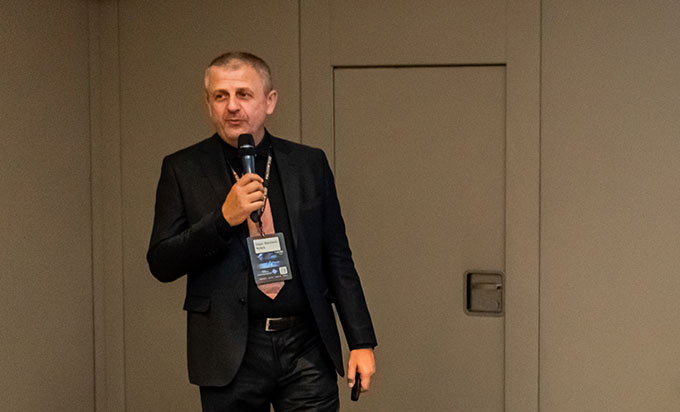
Most operators cannot replace existing communication systems overnight. These systems are often deeply integrated into daily operations, so the transition must be gradual and secure. Hytera enables this through hybrid communication environments. Such an approach allows operators to protect their investments while simultaneously transitioning to modern communication technologies.
By: Damir Muharemovic
E-mail: editorial@asadria.com
a&s Adria: Critical infrastructure sectors are expanding their investments in secure communications. How do Hytera’s solutions support operators in areas such as energy, transport, and utilities where reliability and resilience are mission-critical?
Stančević: In sectors such as energy, transport, and utilities, communication is a core operational tool. Field teams, control rooms, and security personnel must stay connected at all times, especially during incidents or outages. What Hytera offers is a combination of reliable professional radio communications and modern broadband capabilities. This allows organisations to maintain highly dependable voice communication while also introducing data, video, and advanced operational coordination tools.
From my experience working with operators in the region, the most important requirement is resilience. Communication must continue working even in difficult conditions. Hytera solutions are designed exactly for that — supporting reliable field coordination, fast incident response, and better operational visibility. We focus on high-performance hardware like our H Series DMR radios and Dual-mode hybrid terminal, a mission-critical hybrid terminal that ensures teams can jump between narrowband and LTE without losing a second of contact.
a&s Adria: Many operators of critical infrastructure are modernising their legacy communication systems, but cannot replace them overnight. How does Hytera support organisations in transitioning from legacy radio systems to hybrid or broadband-based critical communications?
Stančević: In reality, most operators cannot replace their existing communication systems overnight. These systems are often deeply integrated into daily operations, so the transition must be gradual and safe.
Hytera supports this by enabling hybrid communication environments. Organisations can keep their existing radio infrastructure while gradually introducing broadband services, new devices, and more advanced communication platforms. This approach allows customers to protect previous investments while still moving toward modern communication capabilities such as multimedia communication, location services, and integrated dispatching.
Hytera Dual-Mode Series and MCX device like PNC560, PNC660 and PNC660 450MHz are designed specifically for this low-risk migration, allowing operators to maintain their legacy DMR infrastructure while utilizing advanced digital features that bridge the gap to full broadband integration. It’s a practical and low-risk migration path.
a&s Adria: Could you share some examples of how Hytera’s solutions are currently being used in critical infrastructure?
Stančević: Yes, we see many examples across different sectors. In the energy sector, communication systems support maintenance teams, field engineers, and incident response units working across large and often remote infrastructures. In transport, they are used for operational coordination, station management, and security operations. Utilities use these systems to ensure service continuity, fault response, and coordination between control centres and field teams.
What we see increasingly is that organisations are not only looking for radios anymore. They want integrated communication ecosystems that connect devices, dispatch centres, video, and operational data. For instance, by deploying the PNC460 rugged smartphone alongside our HyTalk platform, field technicians can stream live video back to dispatch, transforming a standard radio call into a real-time visual collaboration.
a&s Adria: The NIS2 Directive introduces stricter cybersecurity and resilience requirements. How are Hytera’s communication platforms designed to help organizations meet these new regulatory expectations?
Stančević: NIS2 is raising the bar for cybersecurity and operational resilience, especially for operators of essential services. Communication systems play an important role here because they are part of the critical operational infrastructure. Hytera platforms are designed with strong attention to security architecture, system resilience, and controlled access management. This includes features such as secure system management, reliable network performance, and operational continuity even during incidents. Ultimately, compliance with NIS2 is the responsibility of the operator, but technology providers must ensure that their platforms support strong security and resilience standards.
a&s Adria: Looking ahead, how do you see the demand from critical infrastructure operators evolving in the region?
Stančević: Demand is clearly increasing, but what is changing is the nature of the demand. Operators are no longer focusing only on replacing equipment. They are thinking more strategically about resilience, cybersecurity, interoperability, and digitalisation. We are also seeing strong interest in hybrid communication models, combining professional radio with broadband technologies. We are moving towards Private 5G and intelligent broadband solutions that allow organisations to maintain reliability while gaining access to new capabilities such as data, video, and advanced coordination tools. Overall, I believe the region will continue investing in more integrated and future-ready communication systems to strengthen the resilience of critical infrastructure.
a&s Adria: Do you allow users to test your solutions in real-world conditions, and why is this important?
Stančević: Finally, I would like to underline that Hytera is always open to supporting customers with real testing environments. We actively encourage operators to experience our solutions through pilot projects, demonstrations, and trial deployments in their own operational environments. In my experience, once users have the opportunity to test the technology in real-life conditions and see how it supports their teams in the field, the value becomes very clear. I am quite confident that after such testing, organizations usually do not look only at individual devices anymore. They start thinking about the complete communication ecosystem that can support their operations. That is because Hytera does not simply sell devices, we provide integrated communication solutions designed for the real needs of industries such as energy, transport, utilities, and public safety. Our goal is always the same – to help organizations communicate more securely, more efficiently, and with greater operational resilience.