Home Security Services Archive by category Man guarding

Man guarding

Mercury AI: Digital Shield of the Future

The Mercury AI next-generation digital shield demonstrates how AI technology is redefining the security of our environment.

In a world changing faster than most ever imagined, the issue of security has ceased to be a question without an answer or something beyond our influence; it has become a part of our daily lives in an environment full of challenges. To properly address one of the most vital concerns for every individual—their safety and the safety of their loved ones—it is necessary to utilize the latest modern achievements. This includes not only traditional “hard security,” such as armed police and physical barriers, but also the “soft,” almost invisible hand of security that utilizes cameras, smart software, and Artificial Intelligence. At the center of this new technology, which helps us feel safer than ever before, is the company The Mercury AI, specialized in the latest digital advancements in the field of security with its “digital shield.”

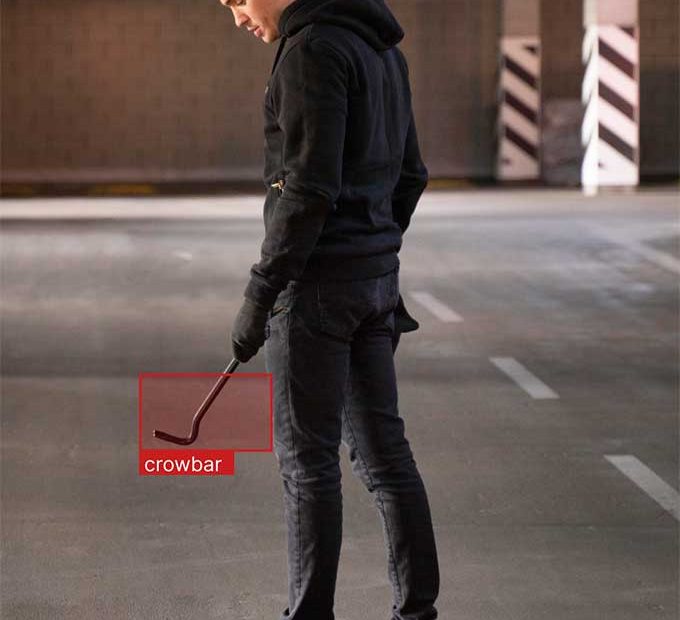
Most people do not think about security until they have to. However, the environment in which we live and work is changing so rapidly that one must react quickly to new challenges, while the reality unfortunately remains that most security systems still operate under the old rule—react only after something has already happened. But if we already possess technology that can recognize a problem early, why should we wait for it to become an incident? That is why we created the digital shield—a weapon detection platform that uses artificial intelligence to identify potential threats before they turn into problems. Security should come through prevention, not reaction.

A Watchful Eye That Never Blinks

What exactly is the digital shield? The core of this system is not just in “recording the environment,” but in understanding what is happening in real-time. While the human factor is naturally subject to fatigue, loss of concentration, or a limited field of vision, The Mercury AI platform offers constant surveillance that knows no breaks and functions 24 hours a day, seven days a week.

The main advantage of this technology over existing ones is the specialized AI algorithm. Unlike ordinary security cameras that merely transmit an image, this system performs a constant analysis of every video frame. It establishes instantaneous visual contact with any form of weaponry—whether it be firearms or bladed weapons like knives.

But that is not all. What sets this system apart in the market is its incredible accuracy. Namely, the biggest problem with automated systems is “false alarms” that can cause panic and unnecessary costs. Our platform, however, makes a precise distinction in a fraction of a second between a dangerous object and harmless everyday items like phones, keys, or tools. This achieves a dual goal: maximum vigilance while eliminating unnecessary stress.

Silent Guard: Discretion as a Priority

As we have started to grow accustomed to relaxed and safe work environments, one of the greatest challenges in introducing high-security measures into public spaces is maintaining a pleasant atmosphere. No one wants to feel like they are in a high-security “prison” with an “all-seeing eye” at every turn in a shopping mall or school. Although citizens know that surveillance cameras are all around, it is natural that they do not want them to be intrusive. This is where silent and discreet monitoring comes into play.

The system functions almost invisibly, operating in the background of existing video infrastructure. It does not require bulky installations that would disturb the public or ruin the aesthetics of the space. While life goes on normally, the AI silently scans the surroundings 24/7. This continuous security support provides a level of protection that the human eye, no matter how well-trained, simply cannot maintain at every moment and on every square meter of a facility.

Automation That Saves Lives

The greatest advantage of such a system is, of course, in crisis situations, where every second is literally a matter of life and death. Statistics show that the highest number of casualties in incidents occurs during those crucial minutes spent waiting for emergency services to be called and for them to arrive on the scene. The digital shield solves this problem through automated rapid response.

The moment the algorithm detects a threat, the system does not wait for someone to press a button. It automatically triggers a series of predefined protocols:

Instant Notifications: Security teams and police receive an alarm with the exact location and visual evidence of the threat in real-time. Smart Locking: The system can automatically lock strategic doors to isolate the attacker, preventing movement through the facility. Lockdown Protocols: Procedures for evacuation or moving people to safety are automatically initiated.

This proactivity drastically shortens reaction time, leaving an attacker with minimal room to act while simultaneously providing life-saving seconds to those inside the building. The reaction time compared to traditional methods is dramatically reduced.

Versatility and Application

Due to the versatility and adaptability of this platform, its application is possible in almost any place where large numbers of people gather or where there is a need for property protection:

Educational Institutions and Public Places: Schools must be the safest places in the world. By implementing The Mercury AI detection in schools, malls, and stadiums, we raise the level of security to a standard generations before us could not have imagined. Transport Hubs: Airports, bus terminals, and railway stations are the “lifeblood” of every city, but also potential targets. The Mercury AI system enhances the security of key points without slowing down passenger flow. Critical Infrastructure: Administrative centers and energy facilities require a special level of protection. The Mercury AI detection ensures that vital state systems remain intact and safe from external threats. Business Sector: Workspaces are where we spend half our day. Protecting employees from potential threats is not just a legal obligation, but an ethical imperative for every modern employer.

The Future is Proactive

The time when we relied solely on luck or post-incident reaction is behind us. The future has arrived. The digital shield offered by The Mercury AI is not just a technological novelty—it is a necessary evolution in preserving human lives and property. Investing in such a system is an investment in the peace of mind of parents, the safety of workers, and the stability of the entire community.

We at The Mercury AI team leave nothing to chance. We do not gamble with security; we raise safety to the maximum level enabled by technology and provide an environment truly dedicated to preserving vital interests and values. That is why we work daily on implementing new solutions and keeping pace with the latest technologies—all so our clients can fully relax and not worry so much about security, knowing the digital shield is around them, protecting them.

New Akord Security at Adria Security Summit 2023: Innovations in Non-Lethal Security Solutions

In the midst of a century of technology and rapid change, security is a constant concern for our society. Companies that focus on developing security technologies and solutions are in a privileged position to respond to these challenges. A notable example of this is New Akord Security, which participated in the prestigious Adria Security Summit 2023 event on October 25-25 in Ljubljana, Slovenia. The event was dedicated to their discussions about modern security and technology challenges and developments in security, technical and physical protection, smart cities and homes, ICT, IoT, AI and more.

Brief presentation of New Akord Security

New Akord Security’s participation in Adria Security Summit 2023 was a great opportunity for the company to highlight its expertise and innovations in non-lethal security. The event gathered leading representatives from the security industry as well as technology and security experts.

New Akord Security is a Romanian company specialized in developing and providing non-lethal security solutions. With a rich experience and a varied portfolio, the firm has managed to establish itself as an important player in the security industry.  The company stands out for developing advanced technologies to prevent and deter crime without resorting to lethal violence. The equipment and solutions provided by New Akord Security cover a wide range of areas, from personal security to defending the perimeters of strategic infrastructures.

One of the key elements of the company is its commitment to sustainable development and respect for human rights. This is reflected in the technological innovations they propose, which aim to minimize collateral damage and environmental impact.

“Safety Revolution: The Impact of Non-Lethal Weapons on Personal Protection and Authorities”

In an increasingly tense world, personal security and the protection of law enforcement are constant concerns. In this context, non-lethal weapons have become an essential element for maintaining peace and order. In this article, we’ll explore two of the most innovative and effective non-lethal weapons available today: the BolaWrap 150  device, the TX100P and TX200P electric shock pistol, and the  EXO2, the  portable fire gun. We will look at how these revolutionary devices have transformed the security and protection of individuals and authorities.

During Adria Security Summit 2023, New Akord Security showcased a number of notable innovations in non-lethal security. These included:

BolaWrap 150 – A safe revolution

BolaWrap 150 is a patented and innovative manual remote immobilizer designed to provide an effective and safe way to immobilize a person. Using patented technology, BolaWrap implements a durable 2.5-meter Kevlar® rope to temporarily immobilize subjects from a distance of 3 to 4.5 meters.  He uses a special projectile to launch two cables with hooks at the end, which twist around the body of the targeted person. This innovative device allows law enforcement to quickly and safely capture a suspect without resorting to brute force.

One of the biggest advantages of BolaWrap 150 is its ability to neutralize subjects without causing them serious damage. This approach significantly improves safety and minimizes the risk of physical damage. In addition, BolaWrap can be used in a wide range of situations, from interventions with people with mental health problems to controlling violent people.

Electroshock device – TX200P: a modern approach to technology

The TX200P electroshock device is an example of a non-lethal electrical immobilization technology that has been developed to be more efficient and accurate. This device uses high-tech electrodes to provide quick and effective immobilization of individuals who pose a risk to public safety.

What makes the TX200P remarkable is its ability to provide precise control over the intensity of electric shock, allowing operators to adjust the level of force used according to the situation. Also, the device is equipped with video recording technology to document and evaluate events involving its use.

On this occasion, we succeeded, for the first time in Romania, in implementing a pilot program through which public order policemen from Bucharest police stations will receive electroshock devices. This approach was possible as a result of the partnership concluded between the European Police Union EUROPOL and New Akord Security, following which the first 20 electroshock devices were offered for use to the Bucharest Police Directorate, and another 20 pieces will be supplied as soon as possible.

In the next period, the first 300 police officers will be trained on the characteristics and use of electroshock devices and on the punctual situations they may encounter during interventions. Under these circumstances, towards the end of the year, these devices can already be seen in the equipment of police officers and can already be used.

The institutional desideratum to provide public safety must be a zero priority, along with the concern to protect the policeman at work, in the interventions he participates in, but also to protect the integrity of aggressors or violent people who require restraint. Through this pilot project, Romania joins countries such as Spain, Great Britain, Italy, Switzerland, Poland, Hungary, etc., where law enforcement already uses electroshock devices.

Exo2 Fire Gun: Protection against Fire and Disaster

The Exo2 is a revolutionary fire gun developed to deal with fire and disaster threats. This innovative device uses technology to design a special substance that can extinguish type B fires, create protective barriers and ensure the safety of people.

The Exo2 pistol is designed to be easy to handle and use in emergency situations. It can be used to extinguish small to medium sized fires and provide a high level of safety and protection in critical situations.

The impact of innovations on security

The innovations presented by New Akord Security at Adria Security Summit 2023, including BolaWrap 150, TX200P stun device and Exo2 fire gun, have a significant impact on non-lethal security. These devices offer ethical and effective alternatives to traditional technologies and can change the way we handle threats in a variety of contexts.

These innovations enable security operators and police officers to act more precisely and minimise the risk of collateral damage. They represent a step towards safer and more ethical security, which focuses on protecting the life and integrity of the individual.

Reasons for equipping with non-lethal weapons:

Reducing the risk of death and serious injury: The use of non-lethal weapons significantly reduces the risk of death or serious injury during forceful interventions. This is essential to protect both civilians and law enforcement.

Improving public security: Non-lethal weapons offer a safer alternative to firearms, which can help reduce violent incidents and conflict escalation.

Efficiency in crisis management: Equipping with non-lethal weapons provides law enforcement with effective tools to manage crisis situations, including situations with people in mental health crisis, where the use of lethal force would be inappropriate.

Reducing healthcare costs and legal proceedings: The use of non-lethal weapons reduces costs associated with medical care and forensic investigations following firearms incidents.

Law enforcement protection: Equipping them with non-lethal weapons gives police and gendarmes an extra tool to defend themselves and intervene in dangerous situations without endangering their lives.

Increasing public trust: The deployment of non-lethal weapons demonstrates that law enforcement is concerned about protecting the lives and safety of citizens. This can help increase public trust in law enforcement.

Decrease incidents of abuse: The use of non-lethal weapons can help reduce incidents of abuse and unjustified use of force by law enforcement.

Operational flexibility: Non-lethal weapons give law enforcement more flexibility in handling diverse situations, which can lead to more efficient and less dangerous solutions.

Safety of implementation:

To ensure the safety of implementing the equipping of law enforcement with non-lethal weapons, it is important to consider the following points:

Appropriate training and training: Members of law enforcement must receive appropriate training in the proper use of these devices to minimize the risk of undue use.

Clear regulations and procedures: Implementation should be accompanied by clear regulations on the use of non-lethal weapons, reporting and monitoring procedures to prevent abuses.

Constant evaluation: The use of non-lethal weapons must undergo constant evaluation to ensure that they are used appropriately and that the expected benefits are achieved.

Public consultation: Implementation should be preceded by a public consultation and community involvement to ensure transparency and understanding of the reasons and benefits of this decision.

Equipping law enforcement with non-lethal weapons can bring significant benefits to public safety and law enforcement. However, it is essential that the implementation is carefully managed, taking into account all the aspects mentioned above to ensure proper and safe use of these devices.


Conclusion

New Akord Security’s participation in Adria Security Summit 2023 was a special moment for the company, allowing it to showcase its innovative products in the field of non-lethal security and underscore its commitment to a safer and more humane world. The presence  of New Akord Security  at ADRIA Security Summit aimed to promote non-lethal concepts for law enforcement, but also to create partnerships and collaborations for the dissemination and implementation of these equipment and technologies in the Adriatic countries. This presence underscored the crucial role technology and innovation play in shaping the future of security. With a strong vision and commitment to innovation, New Akord Security continues to assert itself as a leader in non-lethal security and a promoter of ethical and sustainable values in the industry.

www.stungun.ro

Aziguard: Video Analytics Meets Man Guarding with Aziguard

Vigilance and economy are the most important factors in the world of security. The convergence of traditional man guarding and state-of-the-art video analytics is revolutionizing physical security. One of the most important advantages of this integration is budget optimization

By: Doru Asmarandei, CEO, AziTrend; E-mail: doru.asmarandei@azitrend.ro

Historically, organizations have relied heavily on man guarding as the primary means of safeguarding their assets. Trained security personnel, equipped with surveillance equipment, have diligently patrolled facilities, monitored access points, and responded to potential threats. This human-centric approach undoubtedly provides a level of security but comes with several limitations, including high labour costs, the potential for human error, and limited coverage due to the finite number of personnel available.

The advent of video analytics, powered by Aziguard’s cutting-edge technology, has redefined the security landscape. By seamlessly integrating video analytics with man guarding, organizations can unlock a multitude of benefits that significantly enhance their security measures while simultaneously optimizing their budgets.

Enhanced Surveillance Capabilities

Aziguard’s video analytics modules are equipped with advanced algorithms that can identify and track suspicious activities, unauthorized access, and anomalies in real time. This means that even in the darkest corners of a facility or during the late hours when human guards may be fatigued, Aziguard’s vigilant eye remains unwavering. The software can instantly alert security personnel to potential threats, ensuring rapid response times and minimizing the risk of security breaches.

One of the most compelling advantages of integrating video analytics with man guarding is its substantial cost savings. Aziguard’s intelligent algorithms can monitor vast areas simultaneously, reducing the need for a large number of on-site guards. This optimisation can lead to more than 40% cost reductions, freeing up financial resources for other critical aspects of your business or organisation.

Data-Driven Decision Making

Aziguard’s video analytics generates valuable data and insights that go beyond security. Organizations can make informed decisions about facility management, resource allocation, and customer experience enhancement by analysing patterns, foot traffic, and occupancy rates. This data-driven approach not only improves security but also contributes to overall operational excellence.

Aziguard’s flexible architecture allows for easy scalability. Whether you’re securing a small business or a sprawling industrial complex, the software can adapt to your needs, ensuring that your security solution remains robust as your organization grows.

Conclusion

In an era where security threats are ever-evolving, and cost-efficiency is a top priority, Aziguard’s integration of video analytics with man guarding stands as a beacon of innovation. This powerful synergy empowers organizations to bolster their security measures, respond swiftly to threats, and achieve substantial budget optimization. Embrace the future of security with Aziguard and experience a transformative shift in the way you protect your assets. Say goodbye to the limitations of traditional man guarding and unlock the full potential of video analytics to safeguard what matters most. Your security and your bottom line will thank you.

Bollards for More Advanced Storefront Safety

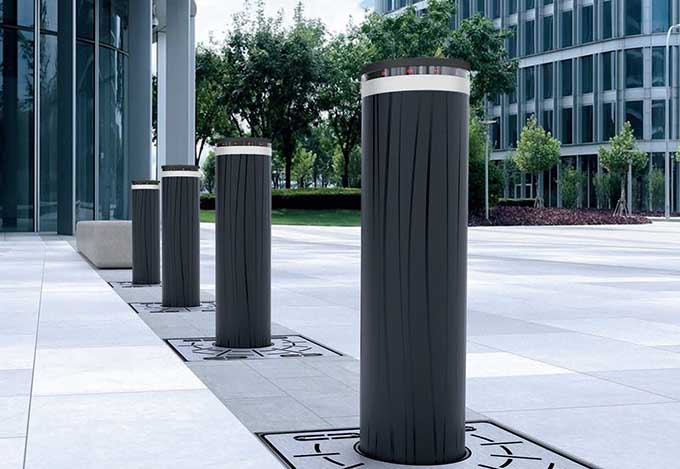
We often discuss electronic security systems such as video surveillance and access control. Yet certain physical barriers are also important elements in security. Among them are bollards, which have various applications.

By: William Pao, asmag; E-mail: asmag.com

Bollards serve many purposes. For store owners, bollards can play a key role in protecting customers/staff against vehicle crashes. “They can be used as delineation devices to separate moving traffic from another area. Sometimes this can be to delineate a vehicular traffic lane from a bike lane, or they can be utilized to differentiate a pedestrianized area (for example outside a stadium at the ticket lines) from a parking area or roadway. We also see them utilized many times to protect critical infrastructure (for example electrical equipment) or retail storefronts from vehicular impact,” said Joseph Hauss, President of Gibraltar Perimeter Security.

The Most Expensive Bollard in the World

Retail storefront safety can be much enhanced by bollards, the lack of which can be quite devastating. This is underscored in an incident in which, according to an article by the Security Industry Association, a Chicago-area man lost both his legs after an accidental crash in 2017 outside a 7-Eleven store where bollards were not installed. According to the article, the man in February received a record-breaking US$91 million settlement from 7-Eleven.

To this, Rob Reiter, Principal at Reiter and Reiter Consulting and Co-Founder of the Storefront Safety Council, commented: “What’s the most expensive bollard in the world? The one that was not installed in front of the sidewalk at a 7-Eleven store in Chicago. I have been studying the problem of storefront safety and vehicle-into-building crashes in the United States since 2010. We founded the Storefront Safety Council in 2012 to bring focus and hard data to a serious public health and safety problem that was being overlooked. What we have found after all these years is that safety has been very often neglected in those retail and commercial areas where Americans most often eat, work, play and shop.”

Thousands Injured Annually

Using the council’s statistics, Reiter cited certain figures that are particularly alarming. “Vehicles run into commercial and retail properties more than 100 times per day or more than 36,000 times per year. Each year, more than 16,000 customers, pedestrians, and employees are injured, and as many as 2,600 are killed. Many of these crashes are low-speed parking lot incidents that are easily preventable,” he said.

He added: “In the recent 7-Eleven legal settlement, evidence was revealed that confirmed more than 6,300 storefront crashes occurred at unprotected 7-Eleven stores over 14 years. Approximately 800 stores were struck three times or more, with more than 100 struck more than five times. The totals worked out to 1.3 storefront crashes per day or about 500 crashes per year at unprotected stores.”

These incidents highlight the importance of installing bollards at these premises. “Some of these areas have no protective bollard devices in place, while other places have bollards in place, but it is the wrong bollard and they still have an incident. The best practice is to procure a crash test-certified bollard from a reputable U.S. manufacturer,” Hauss said. “Bollards can be designed with aesthetics in mind with a number of decorative sleeve designs and marketing wraps that can be utilized as a revenue driver for the end user, as it can be ad space.”

Selection

The next question, then, becomes how to choose the right bollard solution for the storefront. According to Hauss, most bollards are made of carbon steel or stainless steel that is crash test-certified. “However, there are some products in the marketplace that combine proprietary materials outside of this in their design with some combination of carbon steel and/or stainless,” he said.

He adds that the user should also identify what their threat vehicle is and the location and traffic directions around the facility. “Is it just nose-in parking and pedal error that you are concerned with, or could a vehicle come off the road directly into your building at 50 miles per hour (for example errant vehicle at high speed)? Do you have high-value assets in your store that make it a target for ram raid attacks where someone will try to physically knock down the security bollard with multiple impacts from a vehicle to leave it and make a getaway in another vehicle? These are just a couple of questions to look at when identifying the correct bollard and the vehicle type and penetration necessary for your facility,” Hauss said.

Installation

The installation of these bollards is also important. According to Hauss, bollard spacing depends on vehicle vector analysis. “There are sites where nose-in parking is at a 45-degree angle and others at 90-degree. ADA (Americans with Disabilities Act) spacing also must be looked at when implementing bollards, which can differ by the municipality on what their minimum requirements are for gaps. Can the vehicle actually come in at 90 degrees? This is an important question on the spacing,” he said.

Hauss adds that spacing can also depend on the manufacturer and how they were tested and certified. “Typically, 48- to 60-inch maximum clear spacing between bollards will accommodate the angled and nose in parking and meet ADA, but you must look at how the product was tested and certified,” he said. “If a product was tested with 36-inch spacing and it is installed at 48-inch clear, it may change the loading, as two to three bollards would be impacted in the test, but only one bollard would be hit in the actual 48-inch installation, as most vehicles are less than 8 feet in width. It all starts with utilizing a well-versed consultant that knows what products are in the marketplace and then utilizing a reputable U.S.-based manufacturer.”

How technology is helping to beef up security at events

Terrorist groups continue to target mass gatherings, but technological innovations such as high-definition video, facial recognition and AI are allowing security personnel to better handle such threats. These new technologies can help to identify suspicious individuals and other anomalies in real time as well as for post-event investigation. Sensors mounted at entry points and event perimeters can detect attempted intrusions and hazardous materials. Information from these sensors can then be passed to a command center or to security personnel on the ground for a prompt response.
Izvor: a&s International
E-mail: redakcija@asadria.com
Kategorije za web: Man guarding, Video surveillance, Software, Perimeter Protection

Machine Learning Enhances Video Surveillance at Outdoor Events

Video surveillance plays a critical security role at large outdoor events. Advances in AI and machine learning can offer enhanced tools for spotting potential threats.

Facial and behavior recognition technologies are improving video analytics, providing invaluable new tools to security professionals. Stephanie Weagle, CMO of BriefCam, a company that specializes in using cameras and video analytics for security, said video- analysis technology could be trained to recognize “signs of problematic behavior,” as well as keep an eye on unauthorized entry, exceedingly high foot traffic or loitering.

Such video technology can be integrated with other services to trigger follow-on actions after potential threats are detected. Proactive alerting, triggering calls to action in response to suspicious or unusual behavior, can enhance the overall efficiency of a security team. Advanced video surveillance tools increased “situational awareness,” Weagle said. By mounting cameras with behavioral-recognition technology in various locations, security personnel can have a better grasp of what’s going on in the area. Weagle added that the continuous, ongoing surveillance provided by cameras also minimized the risk of “human error and distraction.”

Facial recognition played a critical role in video analytics, and prolif- eration of better-quality cameras and advances in video analytics had helped to improve the accuracy of facial recognition, Weagle said.

One such advance is the ability to store photos of suspects or past offenders on a video-analytics engine and alert security personnel when such individuals are spotted by a camera. Security personnel can then be dispatched quickly to deal with the potential threat. Weagle noted facial recognition technology could not only be used to identify criminal suspects but also VIP guests, “to ensure important visitors are being properly engaged and ushered around as needed.”

As facial recognition is still relatively new and not yet widely adopted, countries have different policies and rules on the technology’s use. Nonetheless, event organizers should consider “how the technology can be used in ways that ensure fairness, transparency, accountability and privacy compliance, while maximizing public safety,” Weagle said. Data collected by video sensors could also help to “map out activity trends and discover insights” to improve security readiness and response, she added. One challenge facing event organizers is vehicle and crowd congestion creating bottlenecks at entry and exit points. Video analytics could address this problem by collecting traffic flow data, before coming up with optimized pedestrian or vehicle navigation routes to ease the traffic. This would improve the guest experience and enhance security, Weagle said. She added it would also enable “evacuation and security dispatch routes to accelerate emergency responses” to be planned in advance.

“This information can also be used to understand staffing requirements, ensuring that crowds are guided through the event, queues and bottle- necks are prevented and employees are upholding safety regulations,” Weagle said.

How Advanced Video Surveillance Can Combat Terrorist Threats

Terrorist attacks on large crowds are a reality security professionals need to be prepared for. Deep learning-based video surveillance technology can help counter these types of threats.

Advanced surveillance camera technology can be used to investigate suspicious behavior and prevent terrorist attacks on public places. The U.S. Department of Homeland Security lists some out-of-place scenes that security cameras should be set to identify: vehicles parked near areas with high pedestrian traffic, individuals wearing unseasonably bulky clothes and individuals attempting to enter restricted areas or entrances as patrons are leaving.

After receiving a bomb threat, the standard security practice is to initiate a search of the entire event space to locate the potential explosive device. If a suspicious package is detected, event operators can use camera footage to determine if the package has been deliberately placed or is merely unattended.

Security professionals are realizing the importance of advanced video surveillance. IHS Markit figures show global shipments of network camera reached 108 million in 2018. IHS Markit estimates sales will go beyond 120 million in 2019 and 140 million in 2020. The share of high-megapixel cameras is expected to increase as well. “As the number of camera shipments increases, a better way of analyzing and assessing the captured video is needed,” said Oliver Philippou, Research Manager at IHS, in a report.

As conventional methods fall short of enabling the needed analysis, deep learning — which mimics the human brain to learn from and understand the world through a hierarchy of concepts — offers a potential solution.

Deep learning allows security personnel to intelligently search through large amounts of recorded video for a crucial piece of information that may be contained in only a few frames. “In a police investigation, this has the potential to save hundreds of hours of officers’ time. Searchable analytics are therefore penetrating markets such as city surveillance, which historically searched video manually,” IHS’ Philippou said.

BriefCam is one such company using deep learning to provide enhanced video analytics. BriefCam’s video technology can distinguish between people and objects on the basis of different factors. “Security personnel must be able to quickly review and understand incidents that have occurred and rapidly locate suspects and perpetrators,” said Stephanie Weagle, CMO of BriefCam.

The company offered robust video analytics, allowing security personnel to “rapidly review video across multiple cameras and pinpoint people and vehicles,” Weagle said. Security personnel can search suspects in the footage based on attributes like gender, clothing and direction and speed of walking. With the help of deep neural networks and computer vision technologies, moving objects, like someone riding a bicycle, can also be separated and tracked.

Sensors Critical to Perimeter Security for Outdoor Events

The first security step for organizers of outdoor events is the establishment of a clear perimeter. Common physical barriers for this purpose include bollards, blockers and fences. However, they don’t provide intrusion monitoring and detection capabilities. To meet this requirement, a sophisticated perimeter intrusion detection (PID) system is needed.

A robust PID system should meet the three Ds of protection: defend, detect and deter. Richard Huison, Regional Manager for Gallagher Security (Europe), notes not all systems meet these standards. “A physical fence offers defence and deterrent, but no detection. Video with complex analytics are great at detecting, but do not provide any deterrent,” he said. Gallagher recently partnered with CLD Fencing Systems to launch a monitored pulse fencing (MPF) solution called FenceSafe-E. MPF delivers controlled electronic pulses that last a millisecond, ideally enough to deter intruders from making a second attempt at breaching a perimeter. FenceSafe actively monitors attempted break-ins and deters potential intrusion with warning signs every 10 meters. Tension detectors trigger an alarm that sends a notification to the smartphones of security personnel. The system also briefed security personnel on “precisely what threat they will encounter,” Huison said.

During the 2018 NFL draft at the AT&T Stadium in Arlington Texas, chemical, biological, radiological, nuclear and explosive detectors were hidden in the entryways to the stadium. They sent smartphone notifications to those in the command center and security personnel on the ground if hazardous materials were detected. This same technology is also being used at border crossings and ports. Light detecting and ranging (LiDAR) sensors can similarly aid security. LiDAR is a remote sensing technology that uses laser pulses originally designed to create 3D models or maps to track the movement of people and objects. “Retailers can track customer’s behaviour with LiDAR, following their route through the shop, and monitoring hand height and direction, so they learn exactly what customers pick up and put down,” Huison said.

He added event organisers could use this technology for “counting people, studying and controlling traffic flows, queueing and pinch points and making real-time decisions to stick within Health & Safety Executive licence-limited numbers in specific zones or areas.” A perimeter control system works best when the full spectrum of inputs, including cameras, sensors, LiDAR, biometrics data, etc., are centralized within a single command. Ideally, “all sensors, systems and metrics are controlled and managed centrally” and images and instructions are relayed to patrol personnel to enable “smart, proactive and efficient” protection, Huison said. According to reports, the Super Bowl used this approach in 2018, with computer vision taking center stage. Data was collected from multiple sources and aggregated for processing, providing real-time information on what was happening in and around the stadium.

Deploying various types of sensors for perimeter security allows security personnel to promptly respond to anomalies through mobile alerts. By displaying aggregated security data on a command center, professionals can also proactively evaluate what is going on at the event in real-time and coordinate a suitable response.

Recommended Practices for Preventing Terrorist Attacks

As extremists show more interest in “soft targets,” organizers of large outdoor events at temporary venues need security that can be rapidly assembled.

Mobile surveillance cameras are preferred to more permanent CCTV cameras at temporary sites. Mobile surveillance cameras not only help to secure outdoor events, but also enable employee oversight, visitor traffic optimization and demographic analysis of visitors.

The FenceSafe-E by Gallagher and CLD Fencing Systems uses pre-assembled modular units for speedier setup. “Fence lines of over 30 meters with 45-degree corners, ends and 90-degree returns were erected and commissioned with full pulse fencing within 90 minutes,” said Kevin Godfrey, Strategic Business Development Manager at Gallagher Security, in a press release. Given the large footprint of outdoor events, Richard Huison, Regional Manager for Gallagher Security (Europe), suggests “limiting the most secure and costly solutions to smaller ‘priority zones’, such as VIP areas or generator compounds.”

A security team should allocate resources in order to ensure the physical safety of patrons, as well as secure valuable assets and the event’s brand reputation. Besides standard security hardware, e-ticketing provides another line of defence. Huison said e-ticketing not only reduced the risk of forgeries and unauthorized reselling, but also helped to spot watched individuals, known troublemakers and other security risks in advance.

Thanks to the growing use of mobile payment methods such as ApplePay, it is now possible for organizers to hold ticketless and cashless events. Secure QR codes allow organizers to establish what Huison calls as a “virtual electronic perimeter” within which mobile credentials serve to provide security. When working with third-party security staff, it is recommended that company staff report all suspicious behaviour to the main security contractor and avoid engaging in security related actions themselves. The First Responder’s Toolbox, published by the U.S.’s Joint Counterterrorism Assessment Team (JCAT), suggests that “regardless of the event size, venue, or location, continuous and ongoing efforts to improve interagency coordination and information sharing with event stakeholders will enhance security and improve emergency response.”

Security personnel should maintain constant communication with one another, either through the use of walkie-talkies or other means, so that they can stay informed with the latest development without leaving their area of duty.

According to JCAT, “to prepare for any potential terrorist attack against open-access events and mass gatherings, organizers and security officials are encouraged to establish partnerships with first responders and private sector stakeholders in advance. This will enhance information sharing, coordination, and potential emergency response concerns.”