Home Vertical Solutions Archive by category Industrial / Manufacturing (Page 2)

Industrial / Manufacturing

Aurel: MSR-Electronic Drives Emission-Free Hydrogen Aviation Forward

MSR-Electronic and AeroDelft are working together to promote innovative hydrogen technology in aviation through gas monitoring for a sustainable future.

The central focus of this collaboration is the full-scale Phoenix – a ground-breaking aircraft that runs on liquid hydrogen and is completely emission-free. AeroDelft is pursuing the goal of establishing sustainable solutions in aviation and overcoming dependence on fossil fuels.

The full-scale Phoenix, a manned, two-seater Sling 4 aircraft, is powered by hydrogen fuel cells and is scheduled to take off on its first flight in 2026. With its zero-emission propulsion system, which operates entirely without combustion, AeroDelft is sending a clear signal for the future of aviation. The prototype of the Phoenix plays a central role in the project and makes it possible to gain important insights into the handling of liquid hydrogen in order to develop the most efficient version of the full-scale Phoenix.

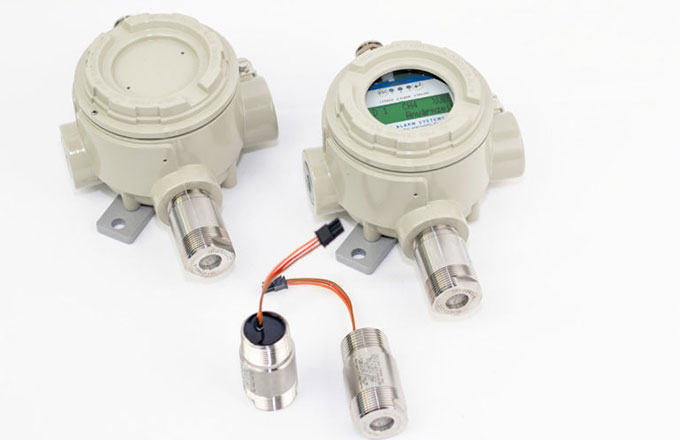
In this pioneering project, the innovative gas sensors PX2 of the PolyXeta®2 product series from MSR-Electronic are used. These sensors are crucial for precise gas monitoring and thus make a significant contribution to the efficiency and safety of the aircraft.

Solution from MSR-Electronic

The stationary PolyXeta2 gas detectors from MSR-Electronic are used in this project to ensure the safety and efficiency of the hydrogen system. The PX2-1 series gas detectors with Ex db ignition protection are suitable for use in Zones 1 and 2, while the PX2-2 series with Ex ec ignition protection is designed for Zone 2. They continuously monitor the ambiant air for combustible gases and vapours in accordance with guideline 2014/34/EU.

The microprocessor-controlled gas detectors have a 4-20 mA / RS-485 Modbus output signal as well as alarm and fault-signal relays (SIL2 certified). They are also optionally available with an LCD display, which changes the backlighting from green to red in the event of an alarm or fault.

Application

The PolyXeta2 gas detector PX2 is used in industrial areas such as the oil/gas industry, biogas plants, petrochemicals, power stations etc. in Ex zone 1 (PX2-1) or 2 (PX2-2). The PolyXeta2 gas detector is also suitable for commercial areas, such as gas transfer stations, and for use on ships, shipyards and offshore platforms. With the 4-20 mA / RS-485 Modbus output signal, the PX2 is suitable for connection to the PolyGard2 gas controller series from MSR-Electronic GmbH as well as to other controllers or automation devices.

ZERTIFIKATE / EIGENSCHAFTEN Gaswarngerät PX2

  • ATEX (1/2) and IECEx certificates for electrical ex-protection
  • SIL2 for the 4-20 mA, RS-485 and relay safety functions
  • Housing: Additional FM and CSA certificate for Class I, Div. 1
  • Continuous self-monitoring
  • Microprocessor with 12-bit converter resolution
  • Reverse polarity protected, overload protected
  • Simple calibration
  • Calibration service by replacing the sensor head
  • Proportional 4-20 mA output
  • Serial interface to the control centre
  • Alarm and fault-signal relay

Optional:

  • LCD display with status LEDs
  • SSAX1 sensor head connection as an alternative to SX1
  • Stainless steel housing
  • IP66 protection type with SplashGuard accessories

AeroDelft is using cutting-edge technology to ensure that the full-scale Phoenix has a range and endurance that outperforms conventional fuels and batteries: just 10 kg of liquid hydrogen can fly the aircraft for almost three hours, covering a distance of about 400 km.

The aim is to bring about lasting change in the aviation industry. AeroDelft is committed to international cooperation in the development of certification guidelines for safe hydrogen propulsion. The “partnership with MSR-Electronic is an important step towards achieving this goal and ushering in a new era of emission-free flight, says Emil Wes Lambert, Partnerships Manager AeroDelft.”

Together, MSR-Electronic and AeroDelft are shaping the future of aviation – safely, sustainably and inspiringly for the entire industry.

Protecting Critical Infrastructure with Senstar’s Advanced Security Solutions

In an era where threats to critical infrastructure are increasingly diverse and complex, protecting essential facilities has become paramount for national security and operational resilience. Critical infrastructure includes the vital sectors that keep society functioning—such as energy, water, transportation, healthcare, and IT. Disruptions in these areas can have severe consequences, making effective critical infrastructure protection (CIP) essential.

Critical infrastructure comprises both physical assets and digital systems that support essential services. Given the growing threats from cyberattacks, physical intrusions, insider threats, and natural disasters, CIP requires a comprehensive approach combining physical and cybersecurity measures. Effective CIP involves risk assessments, regulatory compliance, security technologies, and rapid incident response, all designed to protect infrastructure from disruptions and ensure continuity.

The Evolving Threat Landscape

Today’s critical infrastructure faces several primary threats:

  • Cyber Threats: Increasingly digitized infrastructure is vulnerable to cyberattacks, with hackers targeting industrial control systems (ICS) and SCADA networks. Successful attacks can disrupt essential services, cause financial losses, and jeopardize data security.
  • Physical Intrusion: Facilities like power plants, substations, and data centers are susceptible to physical breaches. Given their often remote locations, traditional security alone may be insufficient to deter or detect intrusions.
  • Insider Threats: Individuals with authorized access, such as employees or contractors, can inadvertently or intentionally compromise security, making insider threat detection essential.
  • Environmental Risks: Natural disasters like hurricanes and earthquakes pose ongoing threats to infrastructure, especially as climate change increases the frequency and severity of these events.

Senstar’s Solutions for Critical Infrastructure Protection

Senstar has over 40 years of experience developing perimeter and physical security systems specifically tailored to the needs of critical infrastructure. Here’s how Senstar’s technology helps safeguard these vital assets.

  1. Perimeter Intrusion Detection Systems (PIDS)

Senstar’s perimeter intrusion detection systems, fence-mounted, buried or above ground, detect intrusions at the perimeter to prevent unauthorized access. Key benefits include:

  • Scalability: Systems can be tailored for small or large facilities.
  • Reliability: These solutions function effectively even in harsh environments, maintaining accuracy in extreme conditions.
  • Minimized False Alarms: Advanced algorithms filter out noise from environmental factors, ensuring accurate detection.
  1. Video Management Systems (VMS)

Senstar’s Symphony Common Operating Platform integrates video surveillance with other security measures to enhance monitoring capabilities:

  • Scalability: Senstar Symphony supports facilities of all sizes, from single sites to multi-location deployments.
  • Intelligent Analytics: AI-driven video analytics, which can detect suspicious behavior, loitering, or potential threats in real time.
  • Centralized Control: Provides security teams with a unified platform to manage multiple sites and respond rapidly to incidents.
  1. PSIM Integration

Senstar’s integration with Physical Security Information Management (PSIM) platforms enables centralized control and coordinated incident response. This provides real-time situational awareness, improving the facility’s ability to respond swiftly and effectively to potential threats.

  1. Cybersecurity for Physical Security Systems

Recognizing the importance of cybersecurity, Senstar embeds secure protocols, user authentication, and encryption in its systems to protect against unauthorized access and cyber threats.

Benefits

Senstar’s solutions offer critical infrastructure operators a comprehensive security system that provides:

  • Early Detection: Proactive identification of potential threats before they escalate.
  • Cost Efficiency: Integrated systems reduce operational costs and improve security effectiveness.
  • Scalability: Modular systems are adaptable for both small and large infrastructure setups.

As threats to critical infrastructure grow, Senstar’s advanced solutions offer essential layers of protection. Senstar supports robust, resilient, and scalable CIP strategies that help safeguard society’s most vital services. Investing in Senstar’s technology not only enhances security but builds infrastructure resilience, ensuring essential services remain uninterrupted.

Aurel: HEXAN-Gas Detection System in Largest Croatian Oil Factory Čepin d.d.

The Čepin oil factory has stood for high quality with local raw materials for 81 years and is the largest producer of crude and refined oils in Croatia. With a processing capacity of 150,000 tonnes and a production capacity of 32 million litres per year, Čepin is an expert in this field. The popular sunflower oil is produced using hexane at a capacity of around 6,000 litres per hour.

What process is hexane used for and why is a gas detection system important?

Three basic processes play a decisive role in the production of crude oils such as sunflower and rapeseed oil: pressing and extraction as well as refining and bottling. Immediately after pressing the raw material, the oil is extracted from the solid oilseed mixture by adding a solvent (hexane). In this way, almost every drop of oil is extracted from the seeds.

As hexane has a lower boiling point than oil at 68.7 °C, it is then removed again by distillation. Thanks to the minimal heat treatment, the oil obtained remains of high quality and retains a high protein content. Despite its efficiency, hexane is highly flammable and can explode, which is why a reliable gas detection system is essential. To ensure safety in the production of sunflower oil, the production facility relies on a reliable gas detection system from MSR-Electronic. A large number of sophisticated gas sensors monitor the relevant area around the clock, thus ensuring continuous, safe production.

ATEX-Solution from MSR-Electronic

The modern gas detection system was equipped with gas detectors from the PolyXeta® PX2 series and the centrepiece of the system – a Digital-Gas-Controller DGC-06.

Two explosion zones (Ex-zones) were defined in the production building:  In Ex-zone 1, gas detectors were installed both inside the shaft and next to the pump of the hexane tanks. With the exception of a few areas, Ex-zone 2 covers the entire building.

The majority of the gas sensors are installed in the main room with the extraction plant to ensure greater safety. All gas sensors meet the requirements for explosion zone 1. The gas sensors are installed at a height of 0.3 to 0.5 metres above the floor, as hexane in its gaseous state is heavier than air (relative vapour density: 2.97, compared to air = 1). The values measured by the gas sensors are transmitted to the DGC-06 controller.

If the controller recognises that the specified limit values have been exceeded, corresponding warning processes are initiated:

1st alarm threshold at 20 % LEL – A flashing light is activated in the control room.

2nd alarm threshold at 40 % LEL – In addition, a warning tone and a monitor display in the control room are activated.

Technical data PolyXeta PX2 with SX1 sensor head

  • ATEX and IECEx certificates for electrical explosion protection
  • SIL2 for the 4-20 mA, RS-485 and relay safety functions
  • Enclosure: Additional FM and CSA certificate for Class I, Div. 1
  • PX2-1 for zone 1 & 2, variant “Ex db” type of protection flameproof enclosure
  • PX2-2 for zone 2, variant “Ex nR” type of protection
  • Continuous self-monitoring
  • X-change technology and simple calibration
  • Alarm and fault signalling relay
  • Protected against reverse polarity and overload
  • Microprocessor with 12-bit converter resolution
  • Optional: SSAX1 sensor head connection as an alternative to SX1 Protection class IP66 with SplashGuard accessory, LC display with status LEDs

The gas detection system was installed and commissioned by MSR-Electronic’s certified partner Aurel d.o.o. from Zagreb.

Senestar: Getting Ready for the EU Critical Entities Resilience Directive

The European Union’s Critical Entities Resilience Directive (CER) is a framework for strengthening the resilience of critical infrastructure against physical threats, be they natural or man-made, accidental or intentional. It covers a wide range of industries and sectors, including but not limited to energy, transportation, water treatment, and datacenters.

The CER requires that public and private organizations designed as critical infrastructure perform a security risk assessment and implement corrective actions. The directive also requires active cooperation and reporting within each sector’s applicable governing bodies. Adopted in 2023, regulatory enforcement is expected to begin by the end of 2026.

CER was introduced alongside NIS2, an updated cybersecurity framework. Like CER, NIS2 is concerned with the resiliency of designed critical entities, with both directives automatically applying. As both directives should be handled in parallel, a comprehensive risk assessment, one that takes both physical and cybersecurity considerations into account, is recommended.

Is Your Organization Ready?

There is a strong business case for meeting CER requirements – physical security is a substantial part of organization-level risk assessments and a key part of business continuity plans.

The CER process can be divided into four steps:

  1. Perform a physical security risk assessment.
  2. Create a resilience plan that describes the planned mitigation measures.
  3. Implement the plan.
  4. Monitor effectiveness and periodically reassess.

 A security fence along the perimeter of a facility is the first line of defense. But, by itself, it is only a minor deterrent to determined intruders – they can cut-through or climb it in seconds. Even without accessing any on-site buildings, intruders can threaten service, cause extensive damage, steal supplies, and/or injure themselves or others.

In addition to effective assessment and response tools, critical entities require scalable solutions that are suitable for deployment across large numbers of sites, are ultra-reliable, maintain a low nuisance alarm rate, and incorporate robust architectures that avoid downtime and unscheduled maintenance visits.

 Senstar offers a range of products that bring intelligence out to the perimeter. Intelligent lighting functions as an active deterrent while sensors and surveillance cameras detect and locate intrusion attempts. Perimeter detection enables a range of security responses, including triggering the site’s alarm system, queuing up camera systems, and engaging deterrence devices like audio messages or additional lighting. Interior areas can also be protected. As Senstar sensors share common communication protocols, a mix of sensors may be deployed at a site without adding additional infrastructure.

Securing Critical Infrastructure

With over 40 years of experience securing critical infrastructure worldwide, Senstar has the knowledge, European presence, and comprehensive portfolio needed to assist organizations in mitigating security vulnerabilities. Our perimeter intrusion detection, video management software, video analytics, and access control solutions are cost-effective, field-proven, and highly regarded throughout the critical infrastructure sectors.

The principles of gas measuring technology

How has gas detection developed over the years?

In mining, hazardous levels of gas concentration can build up all the time, causing powerful explosions and accidents. The search for methods for the early detection of hazardous gases, such as methane and carbon monoxide, was therefore already of crucial importance in the 19th and 20th centuries to ensure the safety of miners. The first method of gas detection involved the use of canaries. For this, a canary was kept in a small cage and monitored regularly. If the bird displayed any signs of stress or illness, this was taken as a clear warning signal for the presence of hazardous gases. To protect the animal‘s health, flame lamps would then be used to determine hazardous levels of gas concentration.

For this, the miners lit the flames in a fresh air environment. If the flame shrank in size or began to go out, this indicated a low level of oxygen in the air. If, on the other hand, the flame increased in size, this was a sign that methane – as well as oxygen – was present in the mine. Gas warning technology has continued to develop to this day. Today, precise, compact and robust gas detectors are used to monitor dangerous gas concentrations and combustible vapours.

Various technologies such as catalytic, electrochemical, infrared, ultrasonic or MPS technologies offer the best possible options for monitoring and analysing the ambient air. These allow safe and reliable gas detection in a wide range of applications and ensure maximum protection for lives and plants.

The gas detectors must monitor various gases and vapours safely and continuously in changing conditions. This requires maximum reliability, flexibility and stability in order to protect the safety of people and plants in the best possible way. In addition, not every gas detector may be used in every working environment. It is therefore necessary

to check whether the required device specifications are met before use. These device requirements are explained in the relevant standards and regulations.

What are gases?

Matter above its boiling point is generally referred to as a gas. In this physical state, the molecules or atoms move far away from each other and completely occupy the available space. In contrast to matter in solid and liquid states, gases have no solid form and no solid volume.

Gases consist of a swarm of molecules moving randomly and chaotically, constantly colliding with each other and with everything around them. They fill every available space and, because of the high speed at which they are moving, mix rapidly with any atmosphere into which they are released.

Gases can be lighter or heavier than air or have approximately the same density. Gases can have an odour or be odourless. There are coloured and colourless gases. Even if you cannot see, smell or touch them, this does not mean that they are not present. Gases in principle are not harmful. They are, after all, part of the earth‘s atmosphere. It is only when their concentration exceeds critical levels that there is a risk of poisoning and explosion and, if it falls below these levels, danger of suffocation from lack of oxygen.

Methane, for example, is colourless and odourless and difficult to detect when present. However, as this natural gas is used in many homes for heating and cooking, it is present in people‘s everyday lives. Vehicle engines burn fuel and oxygen and produce emissions/waste gases containing nitrogen oxides, carbon monoxide and carbon dioxide

and are a hazard to life and plants. Oxygen and hydrogen must also be detected continuously to keep the ambient air clean and prevent oxyhydrogen explosions.

What are the different gas hazards?

Choosing the correct measuring principle is of central importance in the detection of gas hazards. Each measuring principle is suitable for different danger zones and is optimised for either toxic and/or combustible gases and oxygen. In principle, the following gas hazards can be distinguished:

  1. Explosion hazard due to combustible gases

Wherever combustible gases such as methane, butane and propane are present, there is an increased risk of explosion, for example in petrochemicals, industry and refineries. Sensors with a catalytic sensor element for combustible gases are used here.

  1. Excess oxygen and lack of oxygen

While excess oxygen makes materials more flammable, a lack of oxygen is life-threatening. Oxygen can be consumed or displaced by another gas. Sensors with an electrochemical sensor element are generally used for monitoring oxygen levels.

  1. Toxicity

Hazards from toxic gases can arise in a wide variety of areas, such as in industrial production processes or during transport, but also in natural processes, such as putrefaction processes during the degradation of biomass. Sensors with an electrochemical sensor element for toxic gases are used here.

In addition to the different gas groups, selecting the suitable measurement method depends on many other factors, such as checking whether other hazardous substances are present in the environment (cross-sensitivity), whether continuous measurement or long-term or short-term measurement is required and whether there needs to be an alarm and warning notification if limit values are exceeded.

What are the sensors and measuring principles used in gas detection?

The sensors use certain properties of the gas to convert them into an electrical signal. The following measuring principles are used in gas detection technology: the electrochemical measuring principle, the catalytic measuring principle, the infrared measuring principle, the semiconductor measuring principle and the MPS measuring principle.

The electrochemical measuring principle

Electrochemical sensors are often used because of their precision, sensitivity and fast reaction times. They are used in areas such as environmental monitoring, medical diagnostics, food control and industry.

Electrochemical gas sensors work in a similar way to batteries and are used to measure carbon monoxide (CO), nitric oxide (NO), nitrogen dioxide (NO2), ammonia (NH3) and oxygen (O2). The ambient air to be monitored diffuses through the filter membrane into the liquid electrolyte of the sensor.

The chemical process of the measurement is an oxidation, whereby one molecule of the target gas is exchanged for one molecule of oxygen. The reaction drives the oxygen molecule into the counter electrode, resulting in a current signal (nA) between the measuring and reference electrodes. As a rule, gas sensors are specific, so there is little – if any – cross-sensitivity to other substances.

Advantages

  • Linear measurement signal
  • Highly sensitive
  • Low cost

Catalytic measuring principle

The catalytic measuring method involves measurement using pellistor and catalytic bead sensors and is suitable for measuring explosive gases and vapours. In this measuring method, two platinum coils are embedded in a ceramic layer and connected electrically via a bridge circuit (a Wheatstone measuring bridge).

The surface of one platinum coil is activated with an oxidation-promoting catalyst, while the surface of the other platinum coil is not activated. Current flows through the coils, heating them to approx 500 °C. The oxygen in the air reacts with the combustible gas on the surface of the active coil. This increases the temperature and resistance in the active platinum coil, causing the bridge to become unbalanced. This process can be measured.

Advantages

  • Total measurement of many combustible gases
  • Linear signal
  • High measurement accuracy
  • Poisoning from silicones etc.

Infrared measuring principle

The infrared measuring principle involves the measurement of CO2, methane etc. using infrared sensors. The IR principle uses the individual absorption spectrum of the gas to be measured as a base and determines the exact concentration by analysing it precisely and quantitatively. Since all measured gases absorb in different spectral ranges, this results in a kind of „fingerprint“ that allows selective characterisation with almost no cross-sensitivities.

Advantages:

  • Low cross-sensitivity
  • High measurement accuracy
  • Wide measuring range
  • High selectivity
  • Dust & dew point sensitive
  • Long lifetime
  • Low maintenance costs

Semiconductor measuring principle

Semiconductor sensors are used for some toxic and explosive gases. A metal oxide-based semiconductor (tin oxide) is applied to a substrate. The substrate contains electrodes that measure the resistance of the semiconductor and a heater that heats the semiconductor to 200 to 400 °C.

The sensor reacts to changes in the composition of the surrounding atmosphere by changing the resistance of the semiconductor. Reducing gases such as carbon monoxide or hydrogen lower the resistance of the semiconductor. The sensitivity of the semiconductor to a specific gas can be changed through the temperature of the semiconductor.

Advantages

  • Low budget
  • Versatile in use
  • Non-selective
  • Robust

MPS measuring principle

MPS sensor technology is used to detect combustible gases such as hydrogen, methane, propane and acetylene as well as refrigerants. This highly flexible sensor solution is attractive for a wide range of applications. MPSTM sensors are particularly suitable for areas that are difficult to access, as they can operate for long periods without requiring calibration or maintenance. The integrated environmental sensor measures the change in thermodynamic properties.

Advantages

  • Lifetime 15+ years
  • Maintenance free
  • Low power consumption
  • High linearity
  • High stability
  • Non-selective
  • Environmental compensation

What do explosion protection and explosion limits mean?

 Explosion protection

Many combustible substances come into play in industrial processes. This releases combustible gases and vapours through valves or other openings. For prevention purposes, these danger zones are called Ex-areas in which only equipment of a safe ignition protection category may be used.

Explosion protection is standardised worldwide and based on the 3-zone concept. Ex zones are areas in which a hazardous explosive atmosphere exists. The zones can be distinguished as follows:

EX-Zone Type of hazard Areas in which a hazar­dous explosive atmosphere exists Permitted devices/

Protective measures

Zone 0 Permanent danger of explosive atmosphere e.g. inside containers Ex-protected devices required
Zone 1 Occasional danger of explosive atmosphere The immediate vicinity of Zone 0, e.g. filling openings Ex-protected devices recommended, non-ex-protected devices with special protective measures
Zone 2 Low risk of explosive atmosphere The area surrounding Zones 0 and 1 Non-ex-protected devices, provided the probability of an explosive atmosphere is low

Explosion limits

The explosion range is defined by a Lower Flammability Level (LFL) and an Upper Flammability Level (UFL). The Lower Flammability Level describes the lowest concentration of a combustible substance in the air at which a flame can ignite and spread.

The Upper Explosion Limit describes the highest concentration at which a flame can only just ignite and spread independently. However, it should be noted here that the situation can change rapidly, for example through dispersal of the mixture caused by a gust of wind, and the concentration can then again fall below the Upper Flammability Level.

Which requirements and guidelines apply to gas detectors?

 Safe Integrity Level – SIL

The Safety Integrity Level, also known as the safety requirement level (SIL for short), is an internationally-recognised measured variable in the field of functional safety. The Safety Integrity Level is used to assess electrical/electronic/

programmable electronic (E/E/PE) systems and refers to the reliability of safety functions.

4 SIL levels are used to determine the potential risk to persons, systems, plants and processes. These are realised using safety functions with the aid of a safety instrumented system (SIS), which may consist of different equipment such as sensors, actuators and control elements. A distinction is made between SIL1 up to SIL4, which requires the strictest measures for the greatest risk. These are requirement measures for the probability of dangerous random failures.

Functional safety is part of the overall safety of a device, a plant, a train, a car or any other complex automated system. The aim of functional safety is always to protect people, plants and the environment from malfunctions. Without functional safety, trains would not be accidentfree, chemical plants would not be able to be operated safely, or airbags would be triggered at the wrong moment.

Which certificates and standards are required for gas detectors?

Many applications require special certificates that prove that the gas detectors meet environmental requirements, such as ATEX, ISO, Marine, IEC, EN, SIL, etc. Gas detectors also differ significantly in respect of their technical features. In particular, there are sometimes considerable differences in terms of functionality, calibration, lifetime

and suitability for installation as well as userfriendliness. MSR-Electronic offers a wide range of gas detectors for the detection of toxic and combustible gases.

OPTEX’s 45-Year Legacy of Security Breakthroughs

Founded in May 1979 in Japan, OPTEX was born with a clear vision of building a global sensing technology business with precision and intelligent at its heart. This vision remains just as important now as it did 45 years ago, with OPTEX’s unwavering commitment to innovating new solutions and ideas that solve the everyday problems of its customers. Today, the OPTEX Group comprises almost 2,000 employees across 42 companies across the world, with a broad range of highly accurate and reliable security technologies perfectly suited for diverse applications, and remains at the forefront of the security industry. It offers a broad range of security detection systems suited for diverse applications ranging from high end security to the security of private homes and everything in between. Its focus, however, remains the same: Solving the everyday problems of its customers with innovative solutions and ideas.

OPTEX’s history

1979

OPTEX is founded by electronics engineer Toru Kobayashi and three colleagues.

1983

Developed one of the first wireless outdoor security sensors

1988

The introduction of double conductive shielding which enables the reduction of false alarms from RFI and intensive light sources

1990

Established Research and Development Centre

2004

Introduced the world’s first long range outdoor protection using digital communication technology (AX-100DH(J)/200DH(J))

2009

Developed laser technology for security applications and brought the innovative REDSCAN

LiDARs to the market (first models RLS-3060)

2010

Introduction of SMDA logic enabling sensors to learn from the environment and targeting

the main issue in the industry – reduction of false alarms in external sensors

2021

Introduced the world’s first security LiDAR with integrated camera (REDSCANPro)

Building on this legacy of innovation, the integration of LiDAR technology into OPTEX’s portfolio has marked a significant leap forward in detection system performance. As pioneers in LiDAR technology, OPTEX has continually developed and refined this technology over the years, leading to the current high reliability of their sensors.

Part of the award winning REDSCAN series, OPTEX’s next generation of LiDAR detectors, the REDSCAN mini-Pro series takes security technology a step further to provide highly accurate intrusion detection and visual verification for a wide range of indoor and outdoor applications.

The 20x20m PoE+ LiDAR sensor is equipped with a full HD camera and complies with ONVIF profile S, making it suitable for both outdoor and indoor high-security applications. It features analytics capable of recognizing a moving object’s size, its location, and the distance from the unit. For alarm verification, it includes a built-in full HD camera enhanced with an IR LED.

The illuminators automatically adjust according to the target’s distance to prevent overexposure and ensure a clear image, regardless of the light conditions.

This short-range sensor provides a 20x20m detection area with the ability to customize detection either vertically or horizontally. Additionally, it can be configured with up to eight detection zones, each with adjustable sensitivity, target size, and output.

Aikom: Corporate Security: Business Needs and Innovative Solutions

In increasingly complex and dynamic business environments, security is a top priority. Motorola Solutions conducted an in-depth survey that provides a detailed overview of the security needs of enterprises, collected in the Security in Enterprises Report 2023. This report provides essential guidance for companies in every industry, highlighting innovative solutions and advanced technologies to address current challenges.

The enterprise environment is diverse and complex, with different industries facing specific challenges. However, the need for integrated communication technology is universal. Motorola Solutions interviewed over 370 representatives of organizations in Europe, the Middle East, and Africa, covering areas such as health, retail, hospitality, manufacturing, transportation, and logistics.

Instant communication is key to business security

The report reveals that instant communication is critical, with 70% of respondents considering it the most important feature. Protecting workers and visitors with security features is just as crucial. The main priorities include: automatic alerts to prevent potential accidents, efficient management of emergencies, and the ability to reach workers anywhere, both on site and off site, with a single communication system.

The survey highlighted significant challenges for company voice and video communication systems, including the need to maintain reliable coverage on large sites, battery life (42%) and audio quality (36%). In this regard, digital two-way radios and devices are emerging as a preferred choice, offering superior audio quality, extended coverage and improved battery life.

Growing video security

29% of respondents feel insecure about the workplace, but 30% of the companies and factories involved in the survey do not yet have adequate safety tools. If video security is adopted by 34% of the participants, the future seems oriented to the widespread use of body cams, with 30% willing to invest in this technology in the next five years.

Motorola Solutions presents advanced solutions to address these challenges. The MOTOTRBO Ion is a hybrid device that combines bidirectional radio and smartphone functions with barcode reading offering reliability, endurance and advanced features. The MOTOTRBO R7 and WAVE PTX provide crystal clear communications and connectivity over large areas, while the VB400 body cam is an essential resource for collecting evidence.

To underline the interoperability of the Motorola Solutions devices just mentioned with video surveillance systems, making the management of the entire safety & security ecosystem in the company fluid and centralized.

The report

Motorola Solutions’ 2023 Enterprise Safety Report is an in-depth analysis of the current needs of enterprises to ensure the safety of workers, customers and business resources. Reading the document not only provides a unique opportunity to understand current challenges but also provides advanced solutions that are redefining the concept of business security. Download now the Security in Enterprises Report 2023 and get ready for a safer and more productive future!

Contact Aikom International for the ideal solution

To implement these cutting-edge technologies in your organization, contact Aikom International, the distributor specializing in connectivity, professional radio communications and video surveillance solutions. Visit www.aikominternational.com for further information and transform your company’s security with the latest technological innovations

Smoldering Threat: Are Lithium-Ion Batteries A Real Danger To People And Property?

In the era of digital innovation and mobility, lithium-ion batteries are the beating heart of the industry and everyday devices such as phones, laptops, electric bicycles, and scooters. However, does this heart pump excessively “hot” blood at a time when fires associated with these devices are becoming more common, and what is the industry’s response to the need for getting the best of both worlds in terms of energy and safety?

By: Mirza Bahic; mirza.bahic@asmideast.com

Lithium-ion batteries are often revered today as the “engines of the 21st century.” As an important energy storage solution for portable electronic devices and electric vehicles, these devices are a “Promethean” fire for a world that constantly seeks increased mobility, digitalization, connectivity, and sustainability in one package. However, with the widespread use of these devices, there has also come an increased and statistically well-supported danger of fires breaking out in situations that are still unfamiliar to many.

Is the “Flaw” Inherent in the Battery Design Itself?

At its core, lithium-ion batteries consist of multiple smaller cells, each containing two electrodes separated by a separator. These cells facilitate the movement of charged particles, known as lithium ions (hence the name), through a conductive solution between the electrodes. This process involves charging and discharging, allowing the battery to store and release energy, powering a wide range of mobile devices from laptops to electric vehicles.

When a lithium-ion battery is being charged, lithium ions migrate from the positive electrode (cathode) through the conductive electrolyte and move toward the negative electrode (anode), where they are stored. During discharge, the process is reversed, with lithium ions returning to the positive electrode, creating an electric current that powers the device.

The choice of lithium as the primary element in batteries is due to its lightweight nature and high energy density associated with it. Compared to traditional batteries like nickel-cadmium or lead-acid, lithium-ion batteries offer significantly greater energy storage capacity, making them ideal for portable devices requiring long-lasting power.

So, the answer to the question in the title is straightforward: lithium-ion batteries are not inherently unsafe by design. If they are manufactured and used according to industry standards, they are generally considered safe devices. However, it’s important to note that there are inherent risks associated with the operation of lithium-ion batteries, which can be attributed to various factors such as temperature changes, physical damage, overcharging, manufacturing defects, or improper use.

Why Do Lithium-Ion Batteries Pose a Security Risk?

Lithium-ion batteries have quenched the world’s perpetual thirst for portable energy, allowing us to stay connected across the clock, work efficiently, and push new boundaries in transportation. However, along with all the undeniable advantages, these devices also carry concrete safety risks, primarily related to fire outbreaks in fully unexpected situations.

But if we have established that these devices are not inherently unsafe, why are reports of fatal fires and significant material damage spreading through the media like wildfire today? The reason is simple and relates to the law of large numbers – these devices are more popular than ever today, and their rapid adoption has not been accompanied by an equally diligent campaign to raise awareness about their proper handling and incident management.

First and foremost, when lithium-ion batteries become defective or sustain damage, they can pose a significantly greater danger of fire and explosions. Several factors can contribute to battery failure, including improper use and storage or incorrect charging techniques.

Physical impacts such as dropping, crushing, or puncturing the battery can cause damage that compromises the integrity and safety of these devices. External sources of heat, such as open flames or heaters, as well as temperatures exceeding 55 degrees Celsius, can accelerate the deterioration of devices with damaged cells or those with manufacturing defects.

Similarly, charging lithium-ion batteries at temperatures below freezing can lead to the formation of a permanent metal coating of lithium on the anode. This coating increases the risk of battery failure and, consequently, fire incidents.

Therefore, adhering to the manufacturer’s instructions for charging devices and batteries is crucial in preventing damage to these devices. To reduce the risk, some chargers employ a cyclic power supply mechanism to avoid overcharging, while fast chargers often lack this feature, making user vigilance crucial in such cases. Nevertheless, the industry recommendation is to use chargers according to the manufacturer’s instructions to maintain battery safety.

How to Prevent Thermal Runaway?

Essentially, it is crucial to avoid putting the battery in a “faulty” state. However, what if this has already happened without the user’s awareness of the problem?

In the case of battery failure, the heat generated during the operating process can damage nearby cells, triggering a chain reaction known as a thermal runaway. The high energy density of lithium batteries makes them more prone to such reactions. Depending on factors such as the battery’s chemical composition, size, design, types of components, and stored energy capacity, failures in lithium cells can result in chemical reactions and the initiation of combustion, leading to heat release and excessive pressure.

The chemical reactions inside the battery can raise this pressure to a point where the cell walls expand and byproducts leak from the solution. These byproducts include carbon monoxide, carbon dioxide, hydrogen, and hydrocarbons, which are highly flammable and contribute to fire outbreaks and even explosions in lithium-ion batteries.

As an exacerbating factor in battery ignition, combustion can also cause the separation of fluorine from lithium salts in the battery. When mixed with water vapor, fluorine can produce hydrofluoric acid, a highly dangerous substance that can have long-term but initially unnoticeable effects on human health.

Given all the above, it is clear that a comprehensive understanding of these processes and incorporating knowledge of their mechanics is imperative in developing guidelines and best practices for safely handling these devices.

The Ecological Transition and Affordability Fuel the Fires

Seemingly unrelated global events have also had an impact on shifting the spotlight toward lithium-ion batteries as a security risk. After the outbreak of the Covid-19 pandemic, the use of scooters and e-bikes significantly increased, especially in the segment of delivery services and commuting. This sudden surge led to a spike in the price of these transportation devices, prompting individuals to seek manufacturers with lower quality control standards for their battery systems.

Once the market stabilized, the demand for lithium-ion batteries continued to experience significant and rapid growth, primarily driven by the needs of the ecological transition. Li-Bridge, an organization dedicated to the development of a supply chain for lithium-based batteries, states that the global demand for lithium-ion batteries is expected to increase more than fivefold by 2030.

This demand is closely followed by the rising number of associated fire incidents. According to insurance company Zurich, in 2021 alone, there was an increase of nearly 150% in the number of fires caused by lithium-ion battery explosions in e-scooters and e-bikes. Simultaneously, the number of such fires continued to rise by an additional 28% by the end of September 2022 compared to the monthly average in 2021.

The city of New York can serve as a litmus test for dominant safety trends in this market. In 2019, there were 30 fires attributed to the use of batteries in electric bikes or scooters in New York. A year later, this number increased to over 40. By 2021, the frequency of fires more than doubled, reaching a total of 104 incidents in just this city.

Ultimately, by the end of 2022, lithium-ion batteries were identified as the cause of 220 fires in New York, resulting in six fatalities and 147 injuries. These figures have prompted emergency services to seek professional assistance in identifying the causes of these occurrences to reduce their frequency.

Delayed Fires as a Unique Firefighting Challenge

One of the major causes of fires in electric vehicles and scooters is traffic accidents that result in battery damage. They can lead to the rupture of battery cells, causing internal short circuits and accompanying fires. Unlike vehicles with conventional engines, electric vehicles experience a unique phenomenon of “delayed” fires after a collision, which poses a specific risk for emergency services that are only just becoming familiar with this occurrence.

Pioneering research in this field was conducted by the National Transportation Safety Board (NTSB) in the United States. The Board investigated several incidents involving delayed ignition of lithium-ion batteries in electric vehicles. Instead of the expected battery ignition during or immediately after the collision, it was observed that the vehicles caught fire several hours or even several days after the incident.

For example, in Lake Forest, California, an electric SUV crashed into a residential garage and caught fire. Firefighters initially had to use an unusually large amount of water (over 70,000 liters) on the fire, which continued to burn for at least two hours. It was only when they lifted the vehicle to directly extinguish the flaming battery that the temperature dropped sufficiently to safely remove the vehicle from the scene. However, during transportation on a semi-trailer truck, the battery reignited spontaneously. A similar case occurred in Mountain View in the same region, except that the vehicle’s battery caused a delayed fire at the disposal site five days after the accident.

While there is no clear evidence indicating that electric vehicles are more prone to fires compared to conventional vehicles, the associated thermal runaway process in lithium-ion batteries can be delayed or slowed down to the point of being literally imperceptible. In fact, the initial impact and battery damage can trigger a slow but inevitable chain reaction, ultimately leading to unexpected fires after prolonged intervals, particularly in locations such as salvage yards or vehicle storage areas.

Equally important is the risk faced by truck drivers transporting vehicles with damaged lithium-ion batteries. They are exposed to the possibility of sudden and delayed fires, which can easily spread to other vehicles and further complicate the task for firefighters.

Unquenchable Thirst and Prolonged Interventions

Another important issue related to extinguishing fires on vehicles with lithium-ion batteries involves the availability of abnormally large amounts of water and the length of interventions that “trap” personnel in the field longer than usual. Experts point out that in some cases, extinguishing a fire on an electric vehicle may require as much as 110,000 liters of water. This amount may vary, but many fire departments are already unable to rely on using the same amount of water for interventions on electric vehicles as they would for typical building fires.

The Sinking of the Felicity Ace: Did Electric Vehicles Hinder Firefighting Efforts?

It’s not just trucks and logistical infrastructure that are at risk from the specific fire hazards associated with lithium-ion battery vehicles. On March 1, 2022, the cargo ship Felicity Ace sank near the Azores in the Atlantic Ocean, resulting in the loss of approximately 3,965 automobiles. It is estimated that around 300 electric vehicles were found among them which presented an additional challenge in firefighting efforts because suppressing flames on lithium-ion batteries requires the use of large quantities of dry chemicals such as ABC powder, carbon dioxide, powdered graphite, and sodium carbonate. The crew had to abandon the ship as the attempts to extinguish the fire with water alone proved ineffective. At the same time, cargo ships and ferries are particularly susceptible to such fires due to their internal configuration i.e. the lack of internal compartments which facilitates the rapid spread of fire to other vehicles.

Illegal Vehicle Modifications as a Complicating Factor

In the midst of the authentic boom in the use of scooters with lithium-ion batteries, emergency services face a new challenge in the form of illegal activities associated with this trend. An illustrative example is a tragic incident that occurred on January 1, 2023, in a residential block in the British city of Bristol, resulting in the death of one person and the hospitalization of eight others. The investigation revealed that a fire broke out in the hallway of an apartment, with an amateurishly modified e-bike with a lithium battery identified as the cause. Local authorities attributed this to the growing trend of using conversion kits, which allow for retrofitting electric motors onto standard bicycles. These kits often lack proper batteries, tempting consumers to purchase cheaper alternatives and unverified chargers online that do not always adhere to industrial safety standards. Due to the increased likelihood of malfunctions in these non-standard batteries, the risk of fire is significantly heightened.

Underground Garages and Landfills Are at an Increased Risk

The increasing use of lithium-ion batteries in transport vehicles such as e-bikes and e-scooters has caused real concern among safety professionals due to frequent fire incidents caused by these products. Furthermore, as the global transition to zero-emission vehicles gains momentum, there are concerns about the potential risks posed by underground parking lots. These locations are now filled with electric cars and chargers and are not always easily accessible for firefighting operations.

Alarms have been raised in some countries: after a significant increase in the number of fires caused by e-bikes and e-scooters in London (from eight to 59 cases in just two years), the local transport regulator has called for a ban on the use of private e-vehicles on subway and buses.

At the same time, the Environmental Services Association (ESA) warned that these batteries are dangerous even when they are not in active use, as they can be damaged during disposal in landfills or preparation for recycling. This is primarily associated with the risk of lithium-ion batteries being crushed, broken, or exposed to weather conditions, which facilitates self-ignition or explosions.

At the same time, lithium-ion batteries have become prevalent enough in everyday life that users now dispose of them together with regular waste and other recyclable materials, even though they are essentially ticking fire bombs in this state.

Experts emphasize the importance of separate and proper recycling of lithium-ion batteries, along with their safe disposal outside inhabited areas and adequate protection from weather conditions. Damaged batteries are a particular source of risk as they must be disposed of separately and stored in containers filled with sand or other inert materials such as vermiculite.

Data Centers Are Seeking Solutions in the Redesign of Their Facilities

Lithium-ion batteries have been identified as the main suspect in several devastating fires in data centers. One such incident occurred in early 2021 when OVHcloud, a major European cloud service provider, lost one of its centers in Strasbourg due to a fire. It is also believed that the destructive fire at the Maxnod center in France in March was caused by the ignition of a lithium-ion battery. In light of the potential risks associated with lithium-ion batteries in these facilities, experts emphasize the importance of their functional redesign. This primarily involves relocating lithium-ion batteries to dedicated rooms equipped with fire-resistant walls and ceilings. Simultaneously, fire suppression systems using foam would be introduced instead of water-based systems.

The Industry Responds: A Regulatory or Technological Offensive?

At this moment, it seems that government regulators and the industry are competing to find a universal solution to the “inflammatory” issue of lithium-ion batteries. The solution appears to lie in a fusion of both approaches, with pioneering steps being taken by countries with the highest number of users and, consequently, incidents related to these devices. For example, in the United States, there is an initiative underway to pass consumer standards legislation for lithium-ion batteries. The goal is to establish safety standards for batteries in electric scooters and bicycles, including guidelines for consumer protection. Regulators have emphasized the need for global regulation of the distribution of these batteries from different countries, including those from China, which is undoubtedly yet another echo of the ongoing trade war between the US and China.

Unlike regulation, the user education segment has likely made the most progress in fire prevention. Best practices for protection are generally well-known and include avoiding exposing lithium-ion batteries to extreme temperatures and minimizing overnight and continuous charging. Choosing reputable brands and using original charging devices is another important step in mitigating fire risks. During charging, experts believe that it is crucial to ensure adequate air circulation to prevent heat buildup. It is also advisable to keep and charge electric vehicles outside enclosed spaces, ideally in a dedicated isolated area that local authorities should allocate for this purpose.

Government efforts aimed at preventing loss of life and property can also involve enacting standardized storage and handling procedures for lithium-ion batteries, especially during transit on ships or trucks following traffic accidents.

Lastly, the security industry itself has almost unlimited potential to offer solutions for various risks, including new or lesser-known ones. Early detection of unexpected and delayed battery fires can be ensured through 24/7 monitoring of device transportation, aided by thermal scanners, gas detectors, heat and smoke sensors, and CCTV cameras. Additionally, the industry can provide specialized training for personnel involved in battery handling and fire suppression procedures based on previous experiences with such incidents. It is clear to everyone that if we want the technological torch of lithium-ion batteries to continue to illuminate the path ahead, we must take their countless benefits as seriously as the safety of all user groups that want to tread on it.

HEP Group once again relies on cooperation with MSR-Electronic

Using energy once, profiting twice – that is the principle of combined heat and power (CHP). Whereas electricity and usable heat were usually generated separately so far, cogeneration combines these processes. The result is that less fuel is required overall. Its application offers enormous potential for climate protection and conservation of resources. The increased use contributes to reducing CO2 emissions and lowering the demand for primary energy.

The Croatian energy company HEP-TE-TO Sisak

HEP TE-TO Sisak (HEP Group) is a Croatian energy company in the Sisak Moslavina district, south of Zagreb. It has been engaged in the generation, distribution and supply of electricity for more than a century. For the last decades it also deals with the distribution and supply of thermal energy and natural gas.

The entire thermal power plant consists of various production units. The highly efficient combined heat and power unit EL-TO, Unit C. This is powered by natural gas, generates electricity of 235 MW and a thermal output of 50 MWt. Natural gas is an ideal fuel for CHP plants and at the same time a naturally occurring gas consisting largely of methane gas. In the gas-processing industry, gas warning systems from MSR-Electronic can reduce fire and explosion risks immensely, as they provide very early warning of dangerous situations.

Copyright HEP Group

Stationary gas detectors for safe methane gas monitoring

MSR-Electronic develops and produces reliable fixed gas detectors. The permanent monitoring and storage of the measured values serve the primary explosion protection and thus the safety of human life and equipment. Once again, after a carbon monoxide gas detection system in 2016, the HEP Group relies on MSR-Electronic and this time on a methane gas monitoring application.

PolyXeta PX2 gas detector

The PolyXeta2 PX2 gas detector by MSR for the ATEX zone is used for detecting methane gas leakage. The microprocessor-based gas sensor with output signal as well as alarm and fault relays (all SIL2 certified) monitors the ambient air for combustible gases and vapours using: an infrared sensor element and a catalytic sensor element (pellistor). Analog signal values (4–20 mA), such as measured values and alarm activation, are sent to the DCS (Distributed Control System). The digital signal of the detector is sent to the ventilation cabinet to activate additional fans and to shut down the air chambers.

The 4–20 mA / RS-485 Modbus output signal makes the sensor suitable for connection to: PolyGard2 gas controller series from MSR-Electronic, other controllers from MSR-Electronic, and automation devices from MSR. As an option, the PolyXeta2 sensor is also available with LCD and relay output.

Sensors with LCD have an integrated calibration routine that is started from the outside by means of a permanent magnet without opening the housing. In the event of an alarm or error, the backlight changes from green to red. The calibration of sensors without LCD display is carried out via the handy MSR calibration device STL06-PGX2 or the PC software PCE06-PGX2.

The methane gas detectors were installed near the gas turbines and in the final gas filtration area at unit C, in zone 2, by the Croatian MSR partner Aurel d.o.o.

Further information on MSR products can be found in the current online catalog or in the webshop.

MSR-Electronic’s methane gas detector PX2

MSR-Electronic’s methane gas detector PX2


Going Deeper: Mine Security

Established long before data mining and bitcoin mining, mining the earth continues to be a major economic driver. The International organizing committee for the world mining congress issues a yearly World Mining Data report. The 2021 report states that world mining production in 2019 was 17.9 billion metric tons (roughly the weight of 96,000 Boeing 747 Jumbo jets). Most of the production (58.9%) was in Asia, followed by North America (15.8%), in terms of countries, China, U.S., Russia and Australia are the four biggest mining nations. In the last few years, Australia and China have seen the most growth and surpassed Africa, especially in the production of minerals like Lithium, Gallium and Niobium needed for the battery industry, demand for which doubled since 2015.

Challenges in mining security and safety

The mining industry faces extreme and multi-faceted challenges in both security and safety. The key concern of security managers in the mining sector are keeping employees safe, however, they are also tasked with preventing theft of valuable raw materials and equipment, choosing equipment that can work in extreme environmental conditions, maintaining compliance with health, safety and environmental regulations and more often than not, working in politically unstable countries.

Working in harsh conditions

Mining security faces three main challenges: harsh conditions, large areas and high costs for installing comprehensive solutions. Compared to commercial-use security systems, mine security systems must work in harsh environments. Dust, humidity, fog, low light, heavy water flow, flammable gases and extreme temperature are common. At the depths of mines, the temperatures could reach in excess of 45 degrees Celsius and the environment is constantly moist and humid. The outside climate in countries like Australia, South Africa or Russia can also be challenging with freezing temperatures in winter or searing desert heat in summer.

“When considering these conditions, equipment should be tested and certified with appropriate impact and ingress ratings, and this should be further evidenced and supported by the manufacturer through long product warranties. Reliable equipment ensures the system continues to do its job and the business continues to operate profitably whilst protecting its workforce” emphasized Mike Margrain, National Technical Manager for Gallagher in Australia.

Equipment therefore needs to be ruggedized and customized to mining operations. Operators need sealed, waterproof units with vibration dampers, which can function over a wide temperature range. All cables need to be secured in airtight or waterproof material, preventing dust and other particles from damaging them. Explosion-proof devices must be installed with appropriate cable management systems.

Cabling technique for example is different for mines, since drilling or attaching cables to rock can only be done by engineering personnel. The solution is pre-installed infrastructure cabling that provides power and communications for conveyor systems or vehicle workshops to most underground points.

Ensuring mine employee safety

Employee safety is the primary concern in the harsh working environments in mines, and verifying authorized personnel is the first step in accomplishing this.

Access control at mines should only admit personnel who passed safety inductions, medical checks and training. Added features include license renewal and expiry notifications. Management is increasingly aware of the cost related to worker safety failures, loss of lives and loss of material and equipment. Other than passing government regulations, increasing the level of security and safety could save money, increase productivity, reduce losses in infrastructure and cut production downtime.

“In underground operations, it is paramount that the location of workers is known due to the elevated risk in these environments. Cardholder location tracking is implemented to ensure workers can be accounted for in the event of an emergency, or to safely manage underground blasting” explained Margrain and described how this works in the field: “Providing electronic ‘tagging’ stations and implementing long-range tracking of personnel ensures the control room operators not only know how many people are in locations underground, but in which area each worker resides. Integrating this data into firing procedures ensures explosives cannot be triggered until all personnel are accounted for in safe areas. Tagging portals which provide feedback to the worker with personal information (and photo ID images) provide peace of mind that the system has indeed logged their location as they travel to different areas while on shift. Furthermore, long-range tracking of workers can be employed in underground operations where travel is required in buses, light vehicles, or machinery. This ensures the location data can be captured without requiring personnel to exit vehicles in dangerous locations to present to a physical access point. The method of access credential utilized for this safety data becomes extremely important as the risk of missed movement can have real implications for personnel health and safety”.

In addition to controlling access, monitoring the work zone is essential for protecting employees. The use of video surveillance underground helps to monitor miner safety by viewing rock falls or accidents in real time, speeding up search and rescue time, and help inhibit illegal activity such as theft or pirate miners. For large areas, radar integrated with video detects if a worker is in a hazardous area or is near hazardous materials or gases. It secures transport and storage of ammonia nitrate, explosives and other hazardous materials.

Should an accident occur, the operational health and safety (OH&S) solution must track miners by access control, sensors and RFID systems. The solution should generate “muster reports” quickly, providing the exact number of individuals in an area to the control room personnel at any given time.

Access control solutions in mines

Access control in the mining and resources sector is generally used less for security and more to manage governance, risk, and compliance; “it’s all about protecting the safety of workers and ensuring business continuity,” said Gallagher’s Margrain. “This includes managing personnel competencies to only allow access to those that hold active qualifications and inductions for the site, or within a particular onsite area.  Contractors may also perhaps only enter if they hold current insurance and have an active work order. In many countries, there are state or government legislated licenses that a worker must hold before they can work on a mining site. These competency level controls will differ depending on what role a worker has and where they are working — for example, there will be different enforcement rules for someone working underground, than those working only on the mine surface” he added.

“Fatigue is a significant risk to workers at an organization that operates 24/7, particularly to those who work night shifts or are working in dangerous environments. We see these rules being applied in more stringent ways for such personnel to prevent a worker from breaching fatigue policies during their shift. An access control system allows sites to quickly locate workers for risk assessments and a potential change of personnel – not only saving time, but also preventing disruption to the site. This type of management (with appropriate enforcement and proactive dynamic notifications) therefore becomes even more important for personnel that are working underground,” explained Margrain. To prevent theft, most attention is focused on access control and intrusion detection for storage, processing areas and areas where heavy machinery is present.

Whilst biometric access control has rapidly increased in popularity in recent years, the uptake in the mining and resources industry has been slow. The primary reasons for this are because daily work environments can impact the ability to reliably match workers via biometrics, due to workers becoming dirty or wearing PPE (personal protective equipment).

Video surveillance in mine security

Security requirements differ by the mine type. Open-pit mines are based on authority and risk levels and put emphasis on access control, while underground mines — with a higher requirement for safety — put emphasis on people location management.

The large area of mines poses a challenge to security. Fencing and lighting might be very expensive, and even with the most comprehensive security solution installed, surveillance is not considered as a viable option for many underground mines, due to harsh conditions and extended tunnel length. Large mines can have hundreds of kilometers of tunnels, which simply cannot be effectively monitored by cameras.

Intrusion detection in mines

While priority areas depend on the site, a mine’s security profile is generally developed from the outside in, making perimeter security the first concern. However, although perimeter fencing is important, it is often impractical due to the large and difficult landscape of mine sites.

Video surveillance can detect perimeter intrusion. Day and night cameras are suited for open areas with good light over long distances. Infrared cameras can perform close-range monitoring at low light entry and exit points. For dark outdoor areas, thermal imaging cameras can see intruders.

Preventing equipment theft

Some mine vehicles are worth millions of dollars and are costly for downtime and repairs, so monitoring and securing equipment is important. Other than asset tagging, sensor solutions such as onboard vehicle collision alert technology also help protect property. The collision alert system detects hazards in the vehicle’s path and alerts drivers for potential collisions, preventing damage to the vehicle and protecting worker safety. Solutions like these provide invaluable production data feedback in difficult-to-reach areas. When integrated with access control, mine companies can make sure that only authorized personnel can operate the vehicle. The option of combined driver & vehicle identification increases security as you know exactly who was driving which vehicle.

Driver-based automatic vehicle identification (AVI) ensures that a vehicle can never leave, or get access to a secured area unless occupied by an authorized driver. Vehicle and driver access traditionally requires the driver to stop and badge or present their access card. This can often result in traffic congestion around access points/gates. Current solutions allow vehicles (both trucks and cars) to activate gates far enough in advance (up to 10m, at speeds up to 200 km/h) which eliminates the need for vehicles to stop, ensuring an uninterrupted flow of traffic. This is a notable feature for mining sites where it is disruptive to stop and start heavy machinery.

Trends in mine security

The United States Mine Safety and Health Administration (MSHA) maintains a database of all mine-related accidents and fatalities in the U.S. MSHA accident reports show that footage from video surveillance is often used in the forensic investigation of accidents.

On May 2, 2020, Rodger A. Zimmerman, a 56-year-old front-end loader operator died when he was engulfed by material inside a collection container (hopper) at Enon Sand & Gravel mine. Zimmerman entered the hopper to clear a blockage caused by material inside the hopper. Once inside, a large amount of material dislodged, engulfing Zimmerman. Video evidence from the mine’s surveillance system verified entry into the hopper to dislodge blockage from underneath was a common practice and occurred repeatedly on previous days captured on the video. The surveillance video showed miners on the belt structure and/or inside the hopper not wearing safety belts or harnesses and not equipped with lifelines, while the belt was operating and without engaging in lock-out-tag-out (LOTO) procedures.

Today’s video analytics can be used to detect and stop this type of accident before happening. Video analytics can raise an alert when employees are getting too close to dangerous equipment or if they are not wearing the right safety equipment like a hard hat or safety harness. Hikvision for example installed a system in a coal mine in China that increased worker safety by monitoring the areas around winches and other equipment, and by sending alerts if employees get too close. The Hikvision solution was also configured to support specific mining-safety applications, such as constant monitoring of surface water levels in different areas of the mine. Constant seepage from rock formations means that surface water can accumulate in different areas of the mine, which is a problem in terms of potential flooding, damage to infrastructure, and worker safety risks. The Hikvision system monitors surface-water levels constantly and allows the mine staff to take action to deal with any problems that arise before water levels exceed safe limits.

Ai-driven video analytics are gaining traction as a means to minimize false alarms. Avigilon’s H4 Thermal camera for example is embedded with Avigilon self-learning video analytics to provide long-range perimeter protection and leverages thermal technology to operate under challenging conditions while minimizing false alarms. It detects the movement of people, vehicles and partly camouflaged objects in complete darkness or areas with challenging light conditions.

Security systems are also used to drive compliance with OH&S regulations. Access control manufacturer Gallagher allows cardholder information to be recorded in the Gallagher system and shared bi-directionally with existing HR/people management systems for accurate, real-time use. Staff records provide a full audit trail to ensure compulsory training and testing are undertaken. This minimizes corporate liability and enables organizations to meet their Duty of Care.

Mobile smartphone devices are commonly used to spot-check workers on-site (i.e., to validate they are trained and inducted to be where they are, or performing their current task), as well as being able to be used for mobile evacuation procedures and access control movements.

Compliance driving product requirements

Given the risks associated with mining operations, government legislation can be stringent but differ immensely in different parts of the world.  “We have seen an increase in concern around fatigue and exposure, and the need for reporting to assist with state levy calculations. Cases of corporate manslaughter against negligent management have certainly created more interest in systems which can demonstrate duty of care and protect workforces,” said Margrain. In many cases, not only do such system implementations meet those goals while ensuring business continuity, but they also demonstrate a reduction of operational cost through improved efficiency. Margrain recommended factoring this into vendor selection: “Having a system with governance, risk, and compliance solutions that can be tailored to meet changing requirements, without significant reinvestment, should be factored into vendor selection. By working with their vendor, sites operating in unique conditions like that of mining, can design a system that is tailored to the specific needs of their site and ensure health and safety requirements are met at the required level”.

(Source: asmag.com)