Home Vertical Solutions Archive by category Transport / Traffic (Page 2)

Transport / Traffic

Tenzor Acquires the Operations of COPS@ Intelligent Traffic Signaling Systems

Tenzor has taken over the management and operations of the COPS@ business segments, including the entire portfolio of intelligent traffic signaling solutions. This strategic step enables Tenzor to expand its presence in the field of Intelligent Transport Systems (ITS) and provide both existing and new customers with a broader range of advanced solutions for traffic safety and optimization on roads and in industrial environments.

With over 30 years of experience in integrating technical systems into comprehensive solutions for risk management, safety, and business optimization, Tenzor d.o.o. is well-positioned to leverage advanced technologies and expertise to further enhance traffic safety.

Miha Senčar, CEO of Tenzor d.o.o., stated: “At Tenzor d.o.o., we have extensive experience in integrating technical systems into comprehensive solutions for risk management, safety, and business optimization. By incorporating the COPS@ system into our portfolio, we will continue to develop innovative, high-quality solutions to improve traffic safety and enhance the efficiency of road and industrial traffic management.

The transition will be seamless for existing users. Tenzor d.o.o. remains committed to maintaining the high standards of products and services that COPS@ users have come to expect.”

What is COPS?

COPS@ is an advanced intelligent traffic signaling system designed to enhance safety in road and industrial traffic. By utilizing modern technologies, it detects hazards in real time and alerts drivers to critical situations, significantly contributing to the reduction of traffic accidents. Widely implemented in urban and suburban environments, COPS@ enables efficient traffic flow management while improving overall road safety and traffic fluidity.

More information at www.cops-systems.com.

Computer Vision Is Transforming the Transportation Industry

Computer vision is helping to reshape the transportation industry at every level from streamlining the passenger experience to preemptive fleet maintenance to fuel optimization. As the transportation industry continues to evolve, converging technologies such as 5G and powerful edge compute will enable the next generation of prescriptive and adaptive data-driven outcomes benefiting passengers, the industry and sustainability.

Byline: Wayne Arvidson, Global Director, Market Development and Strategy, Dell Technologies

Whether moving people or goods, transportation environments are in constant motion. Railways, airports, cargo ships, and public and private transportation are complex use cases for computer vision. They require real-time situational awareness, based on the analysis of many different data points, which taxes compute and storage resources at the edge—defined as where the physical world meets the data world.

The challenge is being met using a real-time federated approach with scalable, high-performance hyperconverged infrastructures (HCI), allowing organizations to capture and process large amounts of data at the edge, and provide real-time insights. The results, not the actual data, are then sent back to a centralized location for re-training of the analytics model which then is pushed back out to all edge locations, thus delivering better quality insights in near real-time.

Although computer vision has not yet been widely adopted industry wide, transportation organizations that have invested are realizing gains in terms of safety, customer experience, operational efficiency, sustainability and revenue generation, and are looking to take advantage of further advances in technology in the future. Automation and touchless processes integrated with computer vision greatly enhance transportation services as well.

Collectively, this has a big impact on adopters, especially when organizations are hard-pressed to maximize profits amidst rising costs and reduced resources.

 What transportation industry challenges are addressed or resolved with computer vision?

 All facets of the transportation industry have seen tremendous loss in revenue and resources over the last few years. As the economy began to turn around, public and private transportation organizations were under pressure to rebound with lower budgets and labor shortages, spurring efforts to find ways to be more efficient.

In addition, safety is a key requirement across rail, water, air, and roadways, often requiring split-second decisions that can often be enhanced by machine learning. And predictive maintenance, where parts are replaced before equipment and vehicles break down, is extremely valuable to operations but often difficult to do well due to the number of variables involved.

In any of these situations, different data points can be ingested once, and analyzed for multiple uses. A security infrastructure can provide a foundation which captures audio and video data, and data from IoT devices, which the computer vision system then combines and analyzes, producing insights that can be used to positively impact safety, the customer experience, operational efficiencies, sustainability and revenue generation.

How can computer vision improve passenger, personnel and facility safety?

 A significant part of passenger and personnel safety is to ensure that the facility and equipment itself is physically secure. Through the use of cameras and sensors, computer vision enables more precise inspection of passenger baggage and cargo.

Certain types of behaviors or objects can also be monitored. Electronic devices, such as smartphones and laptops, each have a unique MAC address. Airports today can capture device MAC addresses to track devices throughout a facility. When combined with data from sensors, those devices can be automatically tracked and decisions made in real time. If an unauthorized person enters a secure area, security personnel are alerted to take immediate action. Computer vision systems can also determine how many people are in a location, for example if an evacuation is necessary.

Examples of computer vision affecting the customer experience

 An important focus of airports is to get people through the facility as quickly as possible. Part customer experience and part operational efficiency, computer vision with artificial intelligence can improve queue management by proactively determining when to add customer service personnel to an airport check-in counter or open another security line.

The touchless passenger experience is also gaining traction, which aims to minimize time from curb to gate while enhancing the passenger experience throughout the journey (Figure 1). For example, passengers could be automatically checked in upon arrival, prechecked to walk through security, be alerted to gate changes, order a coffee that’s waiting at the shop closest to the gate and use frictionless boarding. This scenario is possible through the correlation of data, with the computer vision system making the decision that you are the correct passenger.


Figure 1. Use of computer vision to streamline the passenger experience

We briefly mentioned the value of predictive maintenance to organizations; it also has a considerable impact on fuel consumption and costs, and can reduce an organization’s carbon footprint. Cameras and thermal vision technology are used to visually inspect vehicles for wear and tear, and when integrated with IoT sensors, can more accurately identify parts that should be replaced.

Airports can use computer vision to greatly increase the efficiency of ramp operations and plane turnaround. The system monitors the location of planes that just landed and whether the luggage offboarding equipment is in place. It also automatically notifies the catering truck, fuel truck, and ramp personnel.

Public transportation also benefits from the efficiencies brought on by computer vision. As municipal transit agencies look to increase ridership and fuel efficiency, some communities are experimenting with dynamic routing of buses to reduce instances of empty buses on routes. For passenger vehicles, some cities charge a fee when your vehicle enters the city center. Pollution sensors detect elevations in airborne chemicals, such as carbon monoxide, triggering an alert that results in varying fees paid by those vehicle owners.

Railways equip trains with cameras and install them in stations to inspect and monitor parts as the train rolls down the track, increasing safety, efficiency and revenues. For a detailed look at how computer technology is used to inspect railcars, browse this Duos Technology Group case study.

Does computer vision affect sustainability in transportation?

In the context of transportation, sustainability focuses mainly on the consumption and proper management of power and fuel. Airports, for example, deal with large amounts of fuel and are concerned about the release of potentially dangerous amounts of vapors and chemicals that could increase air pollution or contaminate groundwater. Deicing planes also requires the use of chemicals, so cameras and sensors can assist in deicing a plane just enough to make it safe without an excess of chemicals flowing from the tarmac or runway into the ground. Airports and railways deal with vegetation control as a means of fire suppression. Computer vision technology monitors fuel usage, air and ground contamination, and even the height of vegetation around landing strips and railyards.

Similar to smart cities, airports, train stations and cruise ships can use computer vision to control power consumption, water usage, air conditioning and heating. Based on where people are and their usage patterns, smart lighting can be automatically controlled to turn off or use downlighting during the brightest part of the day and light other areas 24/7 for safety purposes.

Generating revenue for transportation companies and the public sector

 This gets back to doing more with fewer resources as well as enhancing current revenue streams. For an airport, that means steering passengers toward retail within the facility to maximize their spend and turning aircraft around quickly, to allow more flights per day. A single flight can generate tens of thousands of dollars in fees, so getting one more flight through a gate per hour has a significant impact on revenue.

Depending on how crowded an airport is, dynamic pricing could be implemented automatically to adjust parking pricing. States and local municipalities also benefit from dynamic pricing. Drivers typically need a tag or pass for high-occupancy lanes on freeways. Computer vision technology can increase the fee for high-occupancy lane usage based on the current amount of traffic.

How do mobile edge computing and 5G affect computer vision in transportation?

 Real-time actionable insights and learning is critical to situational awareness in the field, and technologies like 5G and mobile edge computing enable faster response times.

Consider rolling stock, like a public bus. The driver needs to focus on the road and passengers. A bus equipped with cameras and a compact hyperconverged infrastructure can use computer vision to create real-time situational awareness for the driver as well as for transit hub staff. As the vehicle approaches a bus stop, the system captures the number of waiting passengers, or passengers with special needs. The increased bandwidth of 5G enables fast transfers of the insights back to a central location for analysis, with the results of the analysis streamed back to the bus in near real time.

Computer vision is truly transforming the transportation industry, aided by automation, touchless technologies and 5G. Edge computing and machine learning capabilities make faster and better-quality decision making and situational awareness in the field possible, which in turn increases efficiencies, makes environments safer, lowers carbon emissions, raises customer satisfaction and helps organizations be more profitable.

For an overview of computer vision and its impact on industries, see The Future Is Computer Vision – Real-Time Situational Awareness, Better Quality and Faster Insights.

For more information:


Uniserve Project: How to optimize logistics and trade management

Founded by Iain Liddell in 1984, Uniserve has grown to become the UK’s largest privately-owned logistics and global trade management provider. Uniview is expected to provide the complete video surveillance solution to Uniserve’s headquarter. Seamlessly blending ocean freight, air freight and road freight services with intelligent warehousing, distribution and supply chain, makes the solution much more complex. Including camera’s in a freezer of minus 30 degrees, So many interesting features and nearly every type of Uniview camera used.

To tackle the multi-dimensional challenges of the solution, products like IPC3615LR3-PF28-D, IPC2325LBR3-SPZ28-D, as well as NSW2010-10T-POE, etc. were used in the project.

LightHunter

Traditional infrared light is regarded as a black-and-white picture, which has a difficult time restoring the real surveillance scene. Poor low-light effect and is easy to lost details. Especially for large warehouses. There are different monitoring requirements at different times. You will face large or narrow space, and there are strong light or dark light even no light environment, all these mixed scenes require high dynamic range of camera video. Uniview LightHunter technology ensures ultra-high image quality in low illumination environment. You will get a good picture no matter where you install the cameras.

Low-temperature environment

There are both common warehouses and low-temperature cold-chain warehouses with surrounding temperature ranging from-18℃ to-25℃ for these large storage systems. Electronic devices tend to shut down during low temperature emviornment, that’s if the camera cannot reach the preheating value, it cannot be started if the ambient temperature is too low. Fortunately, Uniview cameras has a wide adapting temperature, range from -30°C to 60°C (-22°F to 140°F) that can perfectly cope with extremely cold environment.

250m PoE

The large-scale storage system covers a large area and the room is empty. Each floor has no independent shaft or operation room for transit, which is very different from the traditional buildings and hotels. The distance between the two mounting points is very far. NSW2010-10T-POE, up to 250m transmission distance on surveillance mode, make the vast logistics land solution come true.

With everyone’s collaborative efforts, the project was greatly recognized and received high praise from the customer. Uniview’s aim is to become a global leader in video surveillance industry which endeavors to build a safer world by providing professional, reliable and cutting-edge products and services.

How sanctions on Russia could impact US security buyers

Source: Prasanth Aby Thomas, Consultant Editor, asmag.com

The US and many nations have imposed sweeping and severe sanctions on Russia after it invaded Ukraine. These sanctions could have certain downstream effects for US security buyers.

Asmag.com recently spoke to Brian Schwab, Founder and Principal Consultant of S3SDC and partner at eSRX, to understand the extent of these effects. This category includes video surveillance equipment, access control, intrusion detection equipment, etc. The current sanctions list prohibits the export of advanced, dual-use technology to Russia. This will seriously curtail that country’s ability to produce physical security components or equipment of any value for export purposes. But the impact will not be the same for buyers in the US.

“When analyzing the overall global physical security equipment market, in my opinion, Russia does not produce any equipment in this area that is qualitatively or technologically distinctive from any other global producer,” Schwab said. “Generally speaking, physical security equipment, or components thereof, are what economists call “substitutional goods.” This means that given price and availability, a consumer can simply switch from one equipment manufacturer to another and still be able to meet their immediate security needs with little noticeable loss in quality.”

That said, Russia is not a major global market player in equipment production. Most of the top physical security equipment manufacturers are in Asia, western Europe, and the Americas. The market for Russian physical security goods in the US is already minuscule, and these sanctions may not have any noticeable impact on US buyers in sourcing products.

 More impact on cybersecurity

Any tangible impact of the sanctions is likely to be felt in the cyber security realm. The COVID-19 pandemic transformed the everyday work environment making telecommuting or remote work the new norm. Online communication devices and info sharing platforms (such as Zoom, Teams, and Dropbox) have become extremely popular. This has increased the number of potentially vulnerable devices and network connections, resulting in a sharp rise in the number and type of potential threats US businesses and other organizations face.

“One major Russian cyber security firm, Kaspersky Labs, has already said it will be unaffected by the sanctions and that it will fulfill its contracts and obligations to international customers and partners,” Schwab continued. “This seems to be because Kaspersky opened a security network data center in Zurich, Switzerland, to handle information voluntarily shared with users in North America, Europe, and Asia.” This allows Kaspersky to mollify any concerns that Russia can exploit data, with or without the company’s cooperation or consent. Yet, Kaspersky’s sales in the US market were flat in 2020 and were estimated to have increased by 2.8 percent in 2021.

Any specter of doubt in the minds of many US security buyers, already cautioned by the 2017 National Defense Authorization Act and actions taken by the US Department of Homeland Security that same year, will likely have already caused many to switch their service provider to a non-Russian organization.

Cybersecurity threats also impact buyers

A second-order effect of the sanctions would be hacktivist or state-sponsored cyberwarfare activities aimed at disrupting business activities, compromising data, and other nefarious activities conducted on behalf of the Russian state.

“This is where I would anticipate the largest financial impact to US security buyers will likely be seen through an increase in costs associated with data protection measures,” Schwab said. “However, with increasing ransomware attacks over the past few years, many US firms have already begun to move in this direction. As such, the second-order effect of implementing these security activities may already be factored into these US firms’ acquisition process and not as much of a heavy lift as one may at first think.”

For those who have not switched but remain committed to using one of several large data analytics firms of Russian origin or location, there are legal issues that must be measured and assessed as part of those firms’ Enterprise Security Risk Management process. This will likely require US buyers to assess their contracts with these Russian firms to determine whether force majeure measures exist, whether these protections would apply (i.e., the undeclared war Russia launched may not be included under force majeure provisions), and how any potential risk of data exposure, compromise, or loss may impact the US company’s downstream clients. If force majeure is not viable, protections may be available under “Restatement of Contracts,” which would allow cancellation of existing contracts due to either supervening impracticability or frustration of purpose. While these will not protect against possible misuse/abuse of data these Russian firms maintain, they will provide some measure of legal protection if data is breached or maliciously compromised.

Impact on the supply chain

 Russia plays a small but essential role in supplying specific raw materials used to create security- and defense-related equipment. Russian raw materials, such as titanium, are integral parts of defense and aerospace equipment.

“However, many US firms had begun to diversify their raw materials suppliers following the 2014 Russian takeover and annexation of Crimea,” Schwab pointed out. “Firms may now begin to look to China to pick up the slack, but this is not a guaranteed way to eliminate supply issues caused by sanctions, given the trade war between the US and China that began during the Trump Administration as well as the growing Sino-Russian “strategic partnership.”

Conclusion

 In short, Russia’s penetration into the US security market was limited even before this war started. Given Russia’s lack of market share, it is unlikely that US security buyers will see a significant impact from the sanctions imposed on Russia in the wake of its invasion of Ukraine.

The real impact will likely be a drop in immediate supplies of raw materials needed to create security-related equipment and devices. This will potentially cause short-term shortages that will increase prices and the availability of some equipment. However, as new raw material sources are developed, this is likely a short- to mid-term impact only for US buyers.

Finally, US firms will have to assess their existing contracts with Russian firms to protect themselves legally. While this is a time-consuming process in itself, US firms may also experience a corresponding increase in cyber security spending above pre-invasion levels to protect themselves against anticipated Russian cyberwarfare and other state-sponsored malicious hacking activities.

Cloud Based License Plate Recognition Gains Traction With Niche Applications

As network connectivity and bandwidth availability continue to improve, the use of cloud is becoming more and more popular. Cloud-based solutions have made inroads into the day to day life of most people, right from the personal level in the form of emails to video surveillance footage.
Izvor: a&s International
E-mail: redakcija@asadria.com

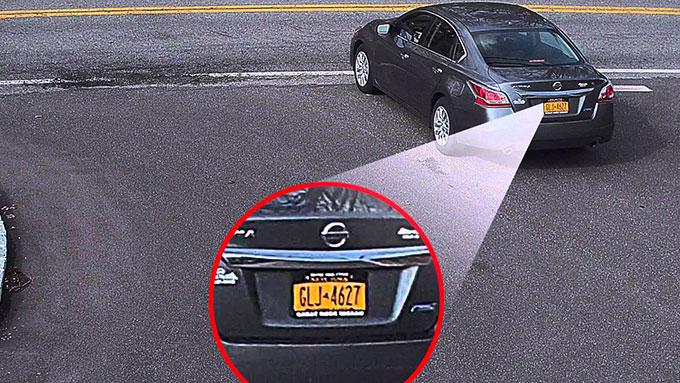
Storing surveillance camera footage on the cloud allows you to run several analytic applications on them without having to worry about space and additional infrastructure. A solution that is increasingly gaining market interest in this regard is cloud-based ANPR solutions.

In this article, we explain the benefits and limitations of cloud-based ANPR solutions, along with their applica- tions, especially in intelligent transport systems.

What are the benefits of Cloud-Based ANPR Solutions?

The main difference between on-site and cloud-based ANPR solutions is where image processing takes place, according to Adrian Cseko, Head of Sales at Asura Technologies. In the case of cloud processing, the user sends data to the ANPR provider’s cloud, and results are returned to the specified database or system.

“Thus, the advantage of cloud-based solutions is that the client does not have to purchase a server and set it up on-site to run ANPR software,” Cseko said. “Moreover, most cloud-based solutions can be accessed in a subscription-type model, sometimes the pricing adjusted with processing volume. So, if avoiding CAPEX is the aim of a project, or there is simply no space to accommodate a server, a cloud-based ANPR solution may prove more beneficial. Also, as fewer elements are needed to be installed on-site, an ANPR-based operation may roll-out out earlier if a cloud-based solution is used.”

The Key Two-Fold Advantage
Evidently, there are several advantages to using cloud-based ANPR solutions. According to Gabor Jozsa, CMO at Adaptive Recognition, these can be classified under technology and cost. Jozsa listed some of the significant benefits under both these categories from the perspective of the solution that their company offers.

Cost Advantages
• Zero capital investment required.
• 50-60 percent Total Cost of Ownership reduction compared to on-premise systems.
• 3-4 times shorter implementation- and integration time.
• Start to recognize your own images in just 1 second after registration. Build your application around ANPR Cloud within one day. Start generating revenue in just days.
• Transparent and flexible pricing perfectly matches to every application.
• Adaptive Recognition’s ANPR Cloud offers credit-based, pay-as-you-go pricing packages.
• Minimal to zero OpEx: core engine updates, preventing maintenance, API updates are done by Adaptive Recognition. 99.9 percent SLA level secured worldwide, in all regions.
• Thanks to pay-per-use pricing, the actual cost of service is equivalent to practical use. There is no burden due to flat rates when the required service is low. You can recognize 1 million events at once and pay only for that. Then you may recognize 10,000 in the following months. You will always pay based on the service used.

Technological Advantages
• Integrators can finally focus on application functionality instead of setting up and operating an on-premises infrastructure.
• Easy to use REST APIs results are in JSON format.
• Anyone can become an ANPR expert. Simply upload your still images to Adaptive Recognition’s ANPR Cloud. The rest is done by the service, which tweaks the OCR engine’s internal parameters for the best results.
• ANPR Cloud is elastic, offers an unlimited scale. It is robust and stable.
• ANPR Cloud offers practically unlimited processing resources compared to on-premise, PC / server-based systems. This gives you a real competitive edge, mainly when you feed input images from all around the world. Specific OCR engines that yield the best result for one region can be run parallel in the ANPR Cloud, while this would require expensive and complex on-premises architecture.

How to Get These Benefits?
But cloud-based ANPR may not be suitable for every installation. According to Walter Verbruggen, Sales Director at Avutech Computer Vision, a cloud solution is ideal for a single, existing camera somewhere in the field, streaming video to the cloud ANPR service. It does need some thinking about: what do you want to do with the ANPR data?

“In case a smart security management system would send packets of snapshot images to the cloud, network bandwidth (and costs) can dramati- cally being saved,” Verbuggen said. “Cloud benefits in general: no local server to maintain or support, monthly subscription-based.”

Is a Cloud-Based ANPR Solution Suited to Your Business?

Cloud-based processing is ideal where the return-time of results is not a crucial point, e.g., when gathering traffic information or registering vehicles in a barrierless access control project. This means that if you want immediate results based on the ANPR reading, like opening a gate or raising a boom barrier, an edge-based solution may work best. But there are several verticals where such applications are not required, and this is where cloud-based ANPR is more useful. Here’s an overview of the major verticals that would benefit from cloud ANPR. Please note that this is not a comprehensive list, as the continuous development in technology enables more and more verticals to use cloud- based ANPR.

1. Intelligent Transportation Systems (ITS)
An intelligent transportation system (ITS) allows authorities to automate the process of managing traffic in a city to make it smarter and more efficient. ANPR has a vital role to play in ITS, especially in controlling over speeding and role rules compliance. Since these applications don’t require immediate action taken based on the plate reading, a cloud-based infrastructure that minimizes the investment on the camera side may be ideal.

2. Tolls for Motorways, Turnpikes, and Bridges
If your business involves toll collection on motorways, bridges, etc., without the use of a barrier, then a cloud-based ANPR may be suitable. This is because even as the vehicles pass through toll gates, payments can be triggered from an ANPR reading that is processed on the cloud. Such a system would help avoid unnecessary lines or crowding at toll gates and speed up the system. This may also come in handy in places where congestion charges are applicable.

3. Parking With Pay-by-Plate Services
If you provide gated parking space services, customers can make payments to use your parking space using wallets that are attached to their number plates. An ANPR solution that detects the plate can trigger the payment from wallets that may be connected to license plates. This may also be suited for other businesses like a car wash and vehicle servicing.

4. Mobile Patrols and Law Enforcement
Law enforcement officers may need to search for stolen vehicles or criminals fleeing in cars based on a number plate. In such situations, the system needs to search within video footage from multiple cameras. A cloud- based solution enables this as it is not limited to independent cameras. This application would come in useful at public facilities, shopping mall parking lots, campuses, etc.

5. Personalized OOH Advertising
A cloud-based ANPR solution can aid businesses in providing tailored services to customers. Based on the reading of a license plate, the system can recognize the customer, which in turn automates the customization process. An excellent example of this application is in targeted OOH advertising with location- based demographics based on ANPR and vehicle segmentation. This can also be used to automate loyalty programs wherein the system, after identi- fying the customer, offers specialized services as per the plan.

6. Drive-Off Prevention
A drive-off prevention system based on a cloud- based ANPR solution helps in running a license plate against a database of previous drive-offs. When the solution is located in the cloud, access to databases from third-parties like police or business associations becomes easier and real-time.

Final Word
As governments worldwide increasingly explore the concept of smart cities, the use of cloud becomes more and more inevitable to integrate different solutions. Using cloud-based ANPR would give authorities more control over services like law enforcement. Of course, there are some applications where a cloud-based system is not feasible, and, in many countries, there are challenges like lack of stable network connectivity. But if such problems are dealt with, a cloud-based ANPR solution offers numerous benefits.

Why Cloud-Based ANPR Will Greatly Benefit Intelligent Transportation Systems (ITS)

With the rising popularity of smart and safe cities, intelligent transportation systems (ITS) have seen a spike in demand in recent years. According to MarketsandMarkets, the global ITS market for roadways is expected to grow from US$ 17.9 billion in 2020 to $36.5 billion by 2025, at a CAGR of 15.3 percent. The research firm expects several factors to drive this growth, including increasing concerns toward public safety, growing traffic congestion problems, rising favorable government initiatives for effective traffic management, increasing adoption of eco-friendly automobile technologies, and the development of smart cities across the world.

Aiding Public Services
Cloud solutions are integral to the development of intelligent systems, mainly because it provides centralized control which is essential for integrating multiple applications. Adrian Cseko, Head of Sales at Asura Technologies, pointed out that cloud-based ANPR may prove to be a viable choice for urban or even highway traffic enforcement projects.

“ANPR is arguably the best choice to obtain reference data of speeding vehicles or ones violating traffic rules,” Cseko explained. “In some cases, an intact traffic surveillance camera footage can be used to detect traffic violations automatically (the wrong turn, passing the red light, crossing a closed line) and obtaining the vehicle’s number plate as well as part of the process. ANPR is also a great reference tool for congestion charging and may serve statistical purposes as well as an automatized form of vehicle counting for statistical purposes.”

Lower Costs, Better Performance
Gabor Jozsa, CMO at Adaptive Recognition, further explained that cloud- based solutions are faster and easier to set up, potentially reducing costs and increasing efficiency. “ITS system transition to the cloud, including applications like smart city applications, toll enforcement, stopping congestion relief using hard shoulder running, etc. can be done in 3-4 times shorter and with 50-60 percent cost reduction in TCO,” Jozsa said. “Other benefits include maximized scalability and optimized OpEx. Traditional, on-premise Intelligent Transportation Systems must be scaled to the peak workload, while ANPR Cloud flexibly adapts to the required workload.”

Highlighting his own company’s ANPR engine, Jozsa added that there is also the advantage of low false-positive rates when using a cloud solution for ITS. Also, AI-based data filtering and flexible business intelligence functions empower smart predic- tions and data-based decisions. Finally, wireless communication (4G, 5G: in the coming years) combined with cloud-based ANPR requires signifi- cantly less installation cost.

Benefits to large transportation companies
License plate recognition is not limited to public or government use for purposes like law enforcement. Transport companies that own their fleet would also benefit from automated license plate recognition to improve their operations.

However, not all transport companies may find a cloud-based ANPR worth the investment. Walter Verbruggen, Sales Director at Avutech, added that with regard to ITS, a cloud-based ANPR solution is particularly for larger transport organizations and distribution centers where there are many perimeter efficiency improvements to make for ANPR in general. Such organizations would need safe and secure parking areas for trucks along the highways, offering multiple services to truck drivers as well, all of which could be made easier and more straightforward with a cloud solution.

Conclusion
To sum up, cloud ANPR solutions are useful to ITS as they enhance the possibilities of the technologies that are in use. But technological improvement is not the only advantage. From a customer perspective, the reduced costs and easier installation are also attractive to implement an ITS system better. Finally, the use of cloud ANPR for ITS purposes would benefit large private transport organizations would have to deal with lots of vehicles in their fleet.

Challenges and Limitations of Cloud-Based ANPR Solutions

Despite their advantages, cloud-based ANPR solutions are not without limitations or challenges in their implementation. These are mostly technical but can, at times, be the result of budgeting concerns as well.

The most obvious limitation is that analytics on the cloud may not be suitable for solutions that require immediate actions taken based on the insights. For instance, a solution that opens a gate or boom barrier to a parking lot after identifying the user through ANPR needs to open gates within seconds. Failure to do this will cause in irate users or customers. You cannot afford to have network-related delays here, and hence, solution on the edge works better.

Internet Connectivity
Cloud-based solutions – as the name suggests – require an Internet connection to work, so they may not be feasible for projects where having an Internet connection is out of the question.

“Event detection is also an issue in case of cloud-based ANPR, which can be avoided if the bandwidth allows for a continuous video stream of the monitored areas (as in this case our solution uses video analytics-based triggering), but this is not yet realistic in terms of accessible infrastructure and also when considering economic reasons,” explained Adrian Cseko, Head of Sales at Asura Technologies. “Another way to tackle the problem is either an image pre-selection mechanism set in place, triggers (like inductive loops) or cameras that include some sort of triggering mechanism, the latter solution, however, may prove more costly due to the price difference compared to standard IP cameras that provide sufficient image quality for ANPR.”

Camera Quality
The basic rule of the thumb when selecting a camera for ANPR is that if a license plate is recognizable to a human eye, an ANPR solution will recognize it too. Having said that, since cameras on highways often have to deal with rugged conditions, there are several instances where they failed to give continuous clear visuals.

“Camera image quality is essential during all weather and lighting conditions,” said Walter Verbruggen, Sales Director at Avutech. “A dedicated ANPR camera system will always outperform another type of camera, as it is optimized for ANPR image quality, offers more speed and does not require any image or video compression, compromising the image quality.” Camera placement is also essential to capture license plates. Too far or too near would result in images that are not useful. Similarly, installing cameras too high or too low would also be problematic.

Finally, when the visuals are blurred because of rain, fog, dust, or other such elements, the ANPR solution would have difficulty recognizing the plates. It should be noted that these kinds of problems pose a challenge to any ANPR solution regardless of whether they are located on the cloud or the edge.

Lack of Customizability
Gabor Jozsa, CMO at Adaptive Recognition issues like network connectivity, is not limited to ANPR but could define any cloud-based system. However, a more significant limitation is the difficulty of providing services that may need certain unique recognition features.

“Limitation in customized features is an issue,” Jozsa said. “Sometimes, the customer’s application requires specific OCR engines and recognition functions.”

Limitations vs. Advantages
To conclude, both cloud-based and edge-based ANPR solutions have their advantages and disadvan- tages. Both are suited for different verticals and applications, which makes comparison difficult as well. Any decision to purchase from customers should be based on the application.

Hikvision launches new ITS camera for improvement of road safety and traffic flow

The new All-Rounder ITS camera is engineered with an all-in-one structure, embedding video, radar, and supplemental light in one module, helping traffic authorities to easily ramp up the detection of violations
February 4, 2021 Hikvision, an IoT solution provider with video as its core competency, today announced its latest traffic product offering – the All-Rounder ITS camera – designed to improve road safety and optimize traffic flow. As the name implies, the camera encompasses different skills and abilities, boasting speed detection, traffic violation detection, automated plate recognition, and vehicle attribute analysis in one housing.

“Hikvision is always pushing the boundaries of video technologies. Beyond the visual range that is perceived by video cameras, the abilities to understand other kinds of “senses” would allow even more precise monitoring and reporting of events or accidents,” says Frank Zhang, President of International Product and Solution Center at Hikvision. “This is multi-dimensional perception, a trend that we think will affect the security industry in the future.”

The new ITS camera is designed and developed with this multi-dimensional concept in mind. It is Hikvision’s first camera to integrate three otherwise separate modules in one unit with no compromise on performance, making the camera neat and flexible to be deployed for demanding environments, all in an easy and cost-effective manner.

Improving road safety and optimizing traffic flow
The product provides an HD camera, speed radar, and light array inside one housing. Specifically, it works with a multi-tracking radar that continuously monitors up to two or three traffic lanes – depending on the camera model, and identifies the speed and position of objects in the monitored area at a speed of up to 300 km/h. If a vehicle violates the speed limit, the embedded radar triggers the connected camera and a picture is taken of the vehicle and its license plate.

In the event of infringements of traffic rules such as wrong-way driving, improper lane usage, or even failure to use a seat belt, the camera will capture images of the corresponding vehicle, recognize its license plate and relevant information including vehicle type, color, brand, and direction of movement, which can be addressed to the authorities in real-time or stored on board.

Incident detection helps to improve overall driving standards, which ultimately reduces the number of accidents, improves road safety and further evens traffic flow.

Inside the camera
Employed with Deep Learning algorithms, the camera is able to recognize a much higher number of license plates and with higher efficiency than conventional ANPR systems. Its GMOS sensor further ensures brighter and smoother images to be reproduced in challenging lighting conditions, especially in low-light environments.

The camera’s embedded supplemental light features a 16-bead light array, offering an IR range of up to 40 meters at night.

As all of these functionalities are integrated, the single product itself outperforms conventional ITS products with space-saving and less cabling for easier installation. It supports flexible pole- or side-mounting, which makes onsite configuration effortless.

The Hikvision All-Rounder ITS camera is ideal for various scenes such as urban roads, highways, tunnels and toll stations. For more information, please visit product page at iDS-TCV907-BIR.


Mobotix: Il Caravaggio International Airport Causes Video Surveillance To Take Off

Security at airports has become indispensable and entails continuously increasing requirements. The only way to keep satisfy the most demanding standards day after day, is to constantly further develop the technology in use. Video surveillance is a crucial contribution to airport security; this technology has a great deal of potential, as long as the current configuration is not taken as the final goal in terms of development. “Since the technological developments and the need to increase the security level were clearly evident, we could no longer put off considering a flexible video surveillance system, one that would be ready to meet the security and analysis requirements and guarantee a high level of performance,” says Ettore Pizzaballa, Manager of Information Systems at SACBO S.p.A. The important expansion phase at the Il Caravaggio International Airport terminal, which involved building a long gallery of shops and expanding the passenger boarding area, made the situation even more complex and challenging. This added another piece to the puzzle, alongside the usual airport security scenarios.

Safety And Security: The Winning Combination For A Project With More Than 300 Video Surveillance Cameras

Il Caravaggio International Airport is the third-largest airport in Italy in terms of traffic, with a volume of over 11 million passengers. Security is crucial when it comes to an airport infrastructure of this size, and a great deal of attention is required to maintain the necessary level of surveillance. Introducing MOBOTIX technology enhanced the quality and resolution of the surveillance images. In turn, this further improved the activities carried out together with the constantly present police forces operating at the Il Caravaggio International Airport terminal, thereby providing suitable support for investigations. “Inside the airport, not all the halls are homogeneous in terms of height and lighting; thanks to MOBOTIX, we were able to achieve excellent image quality under all conditions.” Video surveillance has also turned out to be a valuable additional tool for improving operating procedures related to safety: “We can analyze aircraft and vehicle movements in the maneuvering areas to help train operating personnel. Even the luggage is constantly under surveillance: If a piece of luggage stops or is stuck where employees can’t see it, the system immediately sends a notification to employees”. Over 300 MOBOTIX video cameras have been installed, both indoors and outdoors. Several different models were used in keeping with respective needs, including the c25, i25, M24/25, Q24/25, S15, S15 SurroundMount, M15/16 and T25. Each one of these cameras is active 24/7. The new VoIP infrastructure and NAS recording allow the different control rooms to share the images.

Perfect Synergy Between Hardware And Software

When it comes to ensuring state-of-the-art security, though, even the most advanced hardware technology does not suffice to cover all of the related tasks. A less visible component plays an important role in ensuring the efficiency of MOBOTIX solutions. “In addition to the image quality, we were also impressed by the option to receive thoroughly customizable software based on our specific requirements – not to mention the video analysis functionality.”

Video Analysis Takes Top Priority

At this point, it is actually easy to spontaneously develop ideas for the future, expanding the field of application of a system that boasts continuously developing potential, and utilizing the video surveillance infrastructure and its video analysis applications in order to obtain immediate and concrete results. The benefits are numerous: “The video analysis software allows us to immediately detect abandoned objects, locate the optimum route for vehicles in the maneuvering area and better understand how the flow of passengers moves inside the terminal (which we need to plan optimal routes), studying which type of traveler goes directly to the gate and which one stops instead to make purchases at the shops. The software also allows us to constantly monitor the lines at security checks and check-in and boarding areas in real time,” summarizes Pizzaballa.

Fisheye cameras: leaving no blind spots in sight

In video surveillance, covering blind spots has long been a challenge. As a result, fisheye cameras offering 360-degree panoramic views have become a popular alternative for end users seeking to monitor large areas. This article discusses some of the advantages and limitations of fisheye cameras, which the user should know before selecting a model that truly fits their objectives.
Izvor: a&s International
E-mail: redakcija@asadria.com

End user organizations seeking to monitor large areas, like retail outlets, hotel lobbies or warehouses, often find themselves constrained by using conventional box or bullet cameras, which point in one direction at a time. This leaves certain blind spots that are not covered and that can be exploited by criminals. A panoramic camera offering 180 or 360-degree views, be it a multisensor camera or a fisheye camera, can address this challenge.

Benefits and Limitations
One major advantage of fisheyes over multisensor cameras is size and weight. A multisensor camera, as its name suggests, has three to four sensors in one unit and therefore tends to be heavy and bulky; some models can have 314 x 512 millimeters in dimensions and weigh 4.8 kilograms. Fisheye cameras, on the other hand, are much smaller and lighter, with the diameter ranging from 146 to 160 mm and weighing less than 1 kg. While fisheye cameras offer certain advantages, it’s important to know their limitations as well.

Specifically, they have less resolution compared to multisensor cameras. “The early fisheye cameras did not have enough resolution to see the details of person’s face unless the person was very close to the camera. The latest single IP camera solutions use 4K cameras, with up to 12-megapixel resolution,” said Bob Mesnik, President of Kintronics. However, there is a caveat with that as well. “The resolution of the panoramic camera varies from the center to the outer edge of the view,” Mesnik said. “The resolution is best at the edge and worst in the middle.” Meanwhile, the viewing distance is something that the user should also know. According to Kintronics’ calculations, a fisheye camera with 4000 x 3000 resolution and an 180-degree lens allows enough resolution to recognize a person that is less than 11.9 feet or 3.6 meters away from the camera; further away the user sees less detail.

“Single-sensor 360-degree fisheye cameras have been around for many years. The problem with panoramic cameras has always been the lack of detail available at a distance,” Mesnik said. Outdoor applications can be an issue, too. “For most outdoor applications fisheye cameras are not better than multisensor cameras. For example, a corner of a building — users will not get the depth or overall image quality that can be achieved with a multisensor. That being said, for smaller indoor rooms fisheye cameras can be superior if the application requires full coverage,” said Thomas Carnevale, Founder of Umbrella Technologies.

According to Mesnik, fisheye cameras are best at providing situational awareness for users monitoring a large area instead of complex applications such as facial recognition, for example. “Fisheye cameras are used in some commercial applications where it is helpful to see an overview of an area,” Mesnik said. “If the prospect asks for other usage, we steer them to standard cameras. For example, we sometimes need to explain that the panoramic camera is not good for facial recognition.” Or, the user can pair fisheye cameras with standard cameras to achieve better monitoring. “For example, a retail store may use the wide area view to see everything in the store while using a camera at the door to view a person’s face as they enter or leave,” Mesnik said.

Some Applications of Fisheye Cameras
Generally speaking, fisheye cameras can be used in all vertical markets, helping end users monitor large areas. According to TKH Security in a blogpost, public transportation and healthcare can especially benefit, as blind posts can pose threats to the wellbeing of passengers and patients. Another vertical cited by TKH is marine vessels. “Marine vessels are usually gigantic and complex ships consisting of many different compartments and various areas, and fisheye cameras can come in handy,” the company said. “A wide-angle fisheye camera ensures full coverage of the area, using up less of the valuable space at the same time. The on board operations manager can cover a much larger amount of areas with half or even one third of the amount of cameras normally used.”

According to Mesnik, fisheye cameras are all very similar. “It’s important to note that it’s not the cameras that are significant for a vertical, but rather the dealer/ installer’s experience. Most dealers select cameras based on the relationship they have with the manufacturer, the reliability of the cameras, the support and return policies of the manufacturer (or distributor),” Mesnik said. “The cameras they choose are also affected by the video management software that works with the camera, the pricing they can get, their installation experience and the range of models available from the manufacturer.”

A Note About De-warping
Panoramic views captured by fisheye cameras, while useful to monitor all corners of a given area, are often distorted and can seem unnatural to the human eye. This is where mapping or de-warping comes in, a technology that corrects this distorted view. De-warping is done by software that creates a corrected version of the 360-degree video stream transmitted by the fisheye camera. The type of fisheye lens plays a key role in this process. “The lens can provide stereo- graphic, equidistant, equidistant angle or orthographic images. The software mapping will be different depending on the lens,” Mesnik said. The de-warping process can be done in the camera firmware or in the supporting video management software. “Some camera manufacturers provide a software plug-in that does the mapping in the VMS. For example, Hikvison has provided software for Milestone,” Mesnik said. “A software- and-lens combination is available from Immervision. This company provides both a lens and algorithms that run in the camera. The company provides special Panamorph lenses and software that improves the quality of the video.”

Yet the user should know about some of the issues with de-warping. “Some fisheye camera manufacturers only have in-camera de-warping with no client-side de-warping ‘plug-in’ to a VMS, while others have in-camera de-warping but the de-warping algorithm is not sophisticated and the images look warped,” Carnevale said. “In addition, the video management software community is fragmented at best as it relates to true client-side de-warping of fisheye cameras. Some VMS’s have their own de-warping algorithms and others are brand- or model number-specific with an SDK integration. Still some integrations are just very generic between camera brands and video management software companies, leaving the user with heavy processing power issues with live de-warped displayed images.”

Selection and Installation Tips
The specification sheet of a fisheye camera may include a lot of information. According to Carnevale, users should look at the optics first. “Fisheye lenses are in much lower production than traditional board or P-Iris or varifocal lenses. Because of that, the quality gap is wide. This traditionally affects the image quality on the outer perimeter of the fisheye causing artifacts and uneven focus. More resolution is not always better when selecting fisheye cameras for this reason,” he said. “A close second place is low light. Evenly illuminating fisheye cameras is not an easy task. I’ve seen several models that only illuminate the image ‘straight-down’ so outside a five-feet radius the image is completely dark. Also because there are several IR illuminators focused this can cause over exposure.”

According to Mesnik, choosing the right products really depends on the customers’ own needs and requirements. “We ask questions such as what detail do you need to see? How far away do you want to be able to see a target? What are the lighting conditions? Is the camera facing a bright window that requires wide dynamic range? Do they want to view an area that is very dark?” he said. “Selecting the right fisheye camera starts with the customer’s objectives.”

Fisheye cameras are typically mounted on the ceiling to get the maximal result.

The following are some of the installation tips, according to Reolink in a blogpost:
– Avoid placing a 360 fisheye camera in or near a corner, as the walls will hinder its panoramic view.
– If the user plans to install a panoramic fisheye IP camera to the ceiling, make sure the camera is located in the center of the monitoring zone; otherwise the images will be reshaped.
– Keep the camera away from air conditioner vents and electric entrance doors.
– Make sure the fisheye camera is not near ceiling lamps or indicator light, which will interfere with the image signal and affect the camera’s image quality.
– Stabilize the 360-degree fisheye security camera with expansion screws to prevent it from falling down over a long period of time

Dahua Provides ITS Solution for the Capital of Mongolia

Ulaanbaatar is the capital and the largest city of Mongolia, with a population over 1.3 million, which is almost half of the country’s total population. Over the past decade, the number of vehicles in Ulaanbaatar has risen by more than 300,000. As the political and cultural center of Mongolia, the increasing number of inhabitants and vehicles within the city has caused a series of social, environmental, and transportation problems. Dahua’s sophisticated ITS (Intelligent Transportation System) solution has integrated advanced software and hardware including sensors, information and data processing and physical electronics and communication technologies to assist the transportation department of Ulaanbaatar, in enhancing the safety and efficiency of its transportation system.

Challenges

In recent years, the government of Ulaanbaatar has prioritized the improvement of traffic management and has identified the need of a cost-effective solution towards speeding, traffic light violations and other road safety related issues, to create a more secure environment for citizens. Due to the high-latitude geography of the city, this project is particularly demanding on the monitoring equipment withstanding harsh environments.

Solution

Based on advanced intelligent algorithms, Dahua has provided the city with its cutting-edge ITS solution consisting of the ANPR (Automatic Number Plate Recognition) system for 28 main roads, the E-police system for 8 junctions, 2 mobile speed measurement systems as well as 15 high spot PTZ surveillance units. The project took only three months from the initial analysis of the client’s demands and solution design to, the final delivery, overcoming various tough issues along the way.

ANPR System

As there are no current systems for license plate recognition in Mongolia, the Dahua team worked in collaboration with a partner to customize a Mongolian license plate recognition algorithm. This was then integrated into the Dahua traffic cameras, achieving a reliable recognition rate, much to the satisfaction of the client. The Dahua traffic cameras installed at the significant main roads of the city, are able to function between a temperature of – 40 ℃ ~ + 80 ℃ and a 10%~90% humidity environment. The cameras will actively monitor and inspect each suspicious vehicle, and automatically capture their license plates in real time, sending out an automatic alert when blacklisted vehicles pass by.

E-police System

The monitoring equipment set up at the eight junctions, is able to help the Ulaanbaatar transportation authorities in making quick responses to traffic accidents that are caused by running red lights. When a violation occurs, the Dahua all-in-one capture camera takes a series of images of the vehicle’s license plate number, along with the status of the traffic signal and an aerial image of the scene as evidence. Afterwards, the DSS management and storage platform collects the data from each camera, and distributes it to operators for further processing.

Mobile Speed Measuring System

The mobile speed measuring system detects vehicles that surpass the speed limit in all weather conditions. The system features an all-in-one design, making it easy to use and install at different locations at a moment’s notice. This portability allows traffic police to move the system to different places whenever necessary. It consists of an 8MP CCD camera with amulti-target tracking radar, allowing for an accurate instant speed measurement of each passing vehicle and crystal-clear imaging. The IR flash lamp also ensures excellent imaging capabilities even during the dark of night.

To better serve the client, the Dahua team has provided the operators of the local transportation department, with relevant technical training and demonstrated to them, the installation and deployment of devices. Additionally, all three systems are unified on a single platform within the control center, further enabling the end user to a more efficient monitoring and management of road safety.

Benefits

Dahua’s ITS solution facilitates road safety and keeps the traffic flowing smoothly, raising the safety awareness of drivers, resulting in a more pleasant journey for drivers. Advanced technologies such as LPR and fuzzy search, actively reduces manpower demands on the police force, while increasing the efficiency of current enforcement. Furthermore, Dahua’s solution has assisted the government of Ulaanbaatar to finance a sustainable, growing, and well-maintained system of security and safety.

Best solutions to manage mall parking lots

About 79 million cars were sold across the globe in 2018 and this year sales are expected to remain steady, according to Statista. As these cars take to the roads, there is an increasing need for parking lots that are managed with advanced technologies.
Izvor: a&s International
E-mail: redakcija@asadria.com

Malls and shopping centers present some unique challenges to parking management. The most significant among them is that there is always some kind of movement in the parking lot. Visitors enter and exit throughout the day, and in some cases, night. There is also the need to provide convenient payment systems that are easy to user.

Technological advancements and user behavior have prompted the emergence of certain trends in this industry, according to the International Parking and Mobility Institute (IPMI), an association of professionals in parking, transportation, and mobility. Key among them are the use of mobile technology, increased use of guidance systems, and better access control and payment options.

Then there are also concerns on changes in the automotive industry. As electric cars become popular, mall owners may create special spaces for them. Looking ahead, there are bound to be more autonomous cars and that would present a whole new challenge altogether.

The following is a look at the major requirements of parking management in the mall and shopping center vertical and potential criteria for selecting solutions.

What Are the Major Security Concerns in Mall Parking Lots?

Being a place where crowds gather, malls are vulnerable to several kinds of attack. But in parking lots there are other concerns too.

The number of malls across the globe is increasing. So are the number of private vehicles that people use to get to these malls. The situation inevitably calls for improved parking lot management solutions that can take care of safety concerns as well as make processes more efficient. From a systems integrator’s (SI) perspective, understanding the evolving threats in mall parking lots is integral to offering solutions that would ensure maximum protection. Speaking to a&s recently, Arvind Mayar, CEO of Secure Parking Solutions listed some of the major concerns that SIs should be aware of.

1. Bomb threats
Malls are places where a huge number of people gather every day. This makes them a target for terrorist attacks. In December last year, two people were killed and about 30 wounded when a bomb exploded at a mall in the Philippines. Similar incidents have taken place in other places too. While they may not always have occurred in the parking areas, car bombs are a serious threat that parking lot management systems should be concerned about.

2. Vehicle theft
Theft of cars or things kept in cars parked at shopping centers is also a cause of concern. Incidents such as the burglary at the Stanford Shopping Center in Palo Alto last year continue to show that parking lots are far from safe at present.

3. Accidents
Accidents are a risk wherever vehicles are being driven. In the closed spaces of parking lots, where there is limited room to maneuver cars, this risk is higher than in several other places. According to the insurance firm ThinkInsure, one in five accidents happen in parking lots. While most parking lot accidents are minor and involve low-speed impact, they can still result in serious damage and injury.

4. Fire
According to Mayar, the possibility of vehicles catching fire is a major issue that needs to be addressed when providing solutions for parking lots. Some experts point out that car manufacturers increasingly use more plastic in vehicles now than before, leading to fire-related incidents becoming a major concern.

5. Vandalism and related issues
Damage to cars by vandals is also a concern. This becomes all the more common in malls that have nightclubs or bars and inebriated people acting irresponsibly, according to Mayar. Vandalism may not always be an isolated incident and could happen as part of a theft. According to Twin City Security, a firm that offers security services, malls are the new main streets of the U.S. This means the wide range of security concerns that could have been expected on the main street can now be expected in a mall. In the specific context of parking lots, we could say that any concern that’s relevant to a car parked in the streets could also be applicable to malls. The only difference here is the efficiency of a parking lot management solution. An ideal solution should be able to integrate with different security systems like surveillance cameras, access control systems, and fire solutions, to act in accordance with a given situation. Naturally, security is just one benefit of a parking management solution. Operational efficiency, economic and environmental advantages would also benefit mall managers as well as their customers. Drivers will be able to know the number of vacant parking spots available before entering the area. Some solutions even offer mobile solutions that can inform the drivers of the status through short message services. This reduces the amount of time, energy, or manpower that would otherwise be spent searching for a spot considerably. In turn, it also reduces pollution.

Major Challenges in Managing Parking Lots

Several parking management challenges can be dealt with by employing some of the latest technologies on the market.

With rapid urbanization and increased population density in cities, there is a heightened need for mobility solutions. Private vehicles are a preferred mode of transportation for many people in developed economies. As the standard of living continues to go up in several parts of the world, more and more people and companies buy new cars. For cities, this has brought with it the challenge of creating parking spaces. The concept of the parking lot has evolved quite a bit over the years from just a place where people could leave their cars to places that are managed by automated solutions to ensure security and operational efficiency. The number of malls and other commercial centers is also increasing in cities, attracting more and more people who prefer to drive in with their cars. This has increased the need for efficient parking lot management systems in malls, not just to make sure people have a hassle-free experience but also to avoid wasting money and resources. Nevertheless, there are several challenges that mall management and solution providers face when it comes to managing parking lots. Some of these challenges are the reason automated systems have come into place. Others persist despite the introduction of such systems.

Manual Ticketing is Time Consuming
Before venturing into the realm of automated parking lot systems, let’s take a look at why electronic solutions should be used. Manual ticketing systems take up time and require more manpower, resulting in higher costs and slower processing. While this may be seen as an obvious issue to many, the fact is that there are still several malls and commercial entities across the globe that are yet to make the shift from manual ticketing systems. Paper-based ticketing systems also make the job of information management difficult. In case of any untoward incidents, the management should be able to provide information about any vehicle parked in their space immediately. Automated electronic systems make this possible.

Access Control and Ticketing System Failure
One of the worst nightmares for a parking lot manager is the malfunctioning of any access control system. Since malls are often open for long hours and mostly every day of the week, parking lots will be in use most of the time. Should an entry management system fail in any way, there could be delays that leave customers upset.

False Damage Claims
According to Arvind Mayar, CEO of Secure Parking Solutions, there are always some customers who try to claim that their car was damaged while in the parking lot, when in reality the car was already damaged before entering the lot. To deal with such an issue, there is a need for high-quality video surveillance that can provide clear images of the condition of a vehicle at the point of entry. Adequate lighting is also required to support the surveillance systems that are being installed.

Integration
Installing new parking solutions at existing malls and shopping centers is a challenge. But perhaps what’s even more difficult is the integration of these solutions into third-party systems. For instance, surveillance and fire may be managed by a different vendor. Unless all the companies involved are willing to support integration, operations could be tough.

Open standards for traffic data exchange like DATEX II become relevant in this context. Fortunately, major companies do support such standards. For instance, Siemens’ intelligent parking solution offers links to third-party applications via open standards such as DATEX II. This interface can allow for the integration of data produced by a system for payment providers, enforcement and in-vehicle platforms that consume data in order to provide services that add value to the infrastructure in place.

Six Major Requirements of Parking Lot Solutions Customers

Security and convenience are key for parking lot management. But providing them is not as simple as it sounds.

Mall and shopping centers require parking lots that offer convenience and safety to their customers. But this is just the tip of the iceberg when considering customer requirements. When providing such a solution, systems integrators (SI) should know the specific demands of end-users in order to provide a hassle-free solution.

1. Ease of finding parking space
People arriving at malls should be able to know the number and location of vacant parking spots even before entering the premises. There are several ways in which solution providers deal with this. Sensors placed at parking spaces inform the system on the status of the space. Signage boards placed outside of parking lots can display the information gathered from these sensors. Alternatively, some systems may also provide mobile-based services so drivers can send a message to the system to get an update on vacant spots. There are also app-based solutions that can inform drivers about where they can park their vehicles.

2. Security
Surveillance systems are necessary to ensure the security of cars parked. Apart from providing evidence for forensic purposes, applications like a license plate recognition (LPR) system can help to identify cars that warrant special service, like those of VIP customers. Analytical solutions may also come in handy in detecting intruders and providing instant alerts to security personnel. Several major global security vendors have dedicated parking lot management solutions that include cameras equipped with LPR integrated into the access control system.

3. Cost-effectiveness
According to Arvind Mayar, CEO of Secure Parking Solutions, many customers are concerned about the initial investment for a solution. While high costs can deter many end-users, systems integrators and solutions providers should be able to convince customers of the long term financial benefits that increased operational efficiency would bring.

4. Multiple payment options
Customers should be given the option to pay in their preferred mode. This could be card, cash, or a mobile payment system like Apple Pay. This could speed up entry and minimize the chances of long lines forming. The parking management software should be easy to configure and set up, and should be able to calculate the parking duration and cost. In the case of cars that have management-issued passes, the system should be able to exclude them from payment.

5. Integration and retrofitting
Solutions that can be integrated into existing systems are necessary for older buildings. Considering that there are already several malls in many developed countries, systems integrators will often have to work within certain constraints.

6. Analytics
Analytics solutions provide deeper insights into the behavior of customers, allowing management to improve the customer experience and optimize operations. These solutions can also provide information on the status of machines and if they require any maintenance. Reports can be automated and scheduled to be sent by email at regular intervals. In short, the requirements of the customers in the field are a mix of solutions that would improve safety and business operations. For SIs, knowing the right hardware and software to put in place, integrating them with existing systems, and ensuring their seamless operations is what matters most.

Consultants Speak:
How to Select Parking Management Solutions for Malls

Although several advanced parking management solutions have hit the market in recent years, many shopping centers and malls have stuck with traditional systems.

Speaking to a&s, Ian Goodwin, owner of the Parking Consultancy, pointed out that traditional systems use a barrier with a ticket vending machine where the driver pays upon exit. However, as technology evolves and malls look to improve their systems, solutions like license plate recognition (LPR) will become more common. LPR would be especially useful in places where the parking is free but only for a limited amount of time. An LPR system can assist in tracking how long a car has been parked in the parking lot. Given the several different brands of parking solutions on the market, the customers should know what to prioritize when making a purchase. Here we list some of the major factors to consider when buying a parking management solution.

1. Reputation and cost
This would seem like an obvious point to some, as going with a reputable brand is necessary for reliability. However, those who are familiar with the industry will tell you that reputation and cost do not always go hand in hand. Quite often, customers compromise on the quality of a product for the sake of cost. In Goodwin’s opinion, zeroing in on a few brands that have a history of providing reliable products is a good way to start. Goodwin pointed out that especially in the U.K. market, several Asian manufacturers, especially those from China offer reliable solutions that are easy on the pocket as well.

2. Sticking to a single brand
There are companies that provide either hardware or software alone for parking management. In Goodwin’s opinion, it’s better to stick to complete solution providers who sell both hardware and software. “Sometimes the hardware and software may be manufactured by separate companies … But in my opinion, it’s much better to stick to in-house built software,” Goodwin said.

3. Installation and support
The company should provide support for the installation and setup of the solution from scratch. Make sure the solution requires minimal maintenance while ensuring that quick after-sales service is assured. Some experts suggest ensuring the company has a local presence as a priority. This would help them understand the local conditions and provide suitable support. Any downtime of the product will lead to losses for the management. Hence while purchasing a solution, the customers should be clear on how quickly the company will provide maintenance support in case of a malfunction. “There should be agreements in place with the solutions provider about the after-sales service,” Goodwin said.

4. Detailed reports
The solution should be able to provide a structured and detailed report on the payments made by customers, who is in a car, and, if possible, analytics data to the management. This will help understand factors like the peak time and frequency of users and help in making informed decisions on tariffs and other rules.

5. Friendly but secure
Customers who visit a mall are not going to be happy if the parking solution is not easy to use. Hence being user-friendly should be a priority. This will also make the work of mall staff easier. However, user-friendliness should not come at the cost of security.

6. Third-party integration
Being able to integrate the parking management systems with other systems like security and safety solutions will help in ensuring better management. Integrated systems can work quickly in the event of any unwanted incidents. Such solutions are also easy to operate and control from a management perspective.