Smart Glasses Under Scrutiny from European Regulators
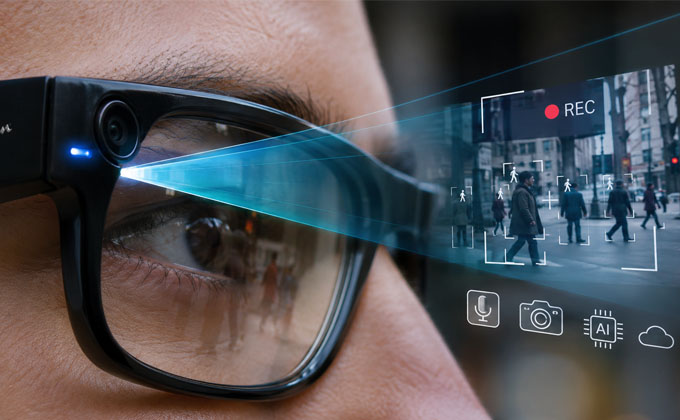
The growing popularity of smart glasses equipped with integrated cameras, microphones and artificial intelligence is raising numerous questions about privacy protection, the legality of recording and manufacturers’ responsibilities. On 26 November, a hearing was held at the Amsterdam District Court, where Dutch consumer protection and digital rights organisations sought a ban on the sale of smart glasses jointly developed by Meta and EssilorLuxottica. According to Reuters, the plaintiffs argue that the devices enable discreet recording of individuals without their knowledge, potentially violating European data protection regulations.
The manufacturers are being urged to prevent covert recording and the unlawful use of recorded material for training AI models, with sales suspended until regulatory requirements are met. Meta rejects the allegations, emphasising that the glasses feature a light indicator that alerts people nearby when recording is taking place and that manufacturers cannot be held responsible for every instance of deliberate misuse of their products. The court’s decision is expected in December, and its implications could extend well beyond the Dutch market.
Recording Without Public Awareness
Further concerns were raised by the findings of a study published on 19 November by the Dutch Data Protection Authority (AP), which advised consumers against purchasing smart glasses equipped with cameras for the time being. Tests involving six models revealed that recording indicators on almost all devices were difficult to notice, while most of the glasses tested could continue recording even when their indicators were covered. Researchers also identified security vulnerabilities that could allow unauthorised access to recorded material and, in some cases, even remote control of the camera.
“Glasses that record you without your knowledge are already a cause for concern,” said Monique Verdier, Deputy Chair of the Dutch Data Protection Authority.
The European Data Protection Board (EDPB) has also warned of the potential consequences of using these devices, emphasising that the processing of data that can be used to identify individuals is subject to GDPR requirements, except where specific exemptions apply.
A New Challenge for the Security Industry
Unlike traditional video surveillance systems, where cameras are generally visible and monitored areas are marked with appropriate notices, smart glasses allow users to record their surroundings almost unnoticed and without geographical restrictions. Of particular concern is the possibility of recording in healthcare and educational institutions, business premises, meeting rooms and critical infrastructure facilities, where unauthorised information gathering could have serious security implications.
Security managers are therefore faced with the challenge of controlling the introduction and use of devices that are visually almost indistinguishable from ordinary glasses. At the same time, their potential applications in law enforcement, technical maintenance, remote expert assistance and support for visually impaired individuals should not be overlooked.
The key challenge, therefore, is not simply whether the use of smart glasses should be restricted, but how to establish technological, legal and organisational mechanisms that enable their beneficial application without compromising the security and privacy of others. In an era when virtually anyone can become the operator of a mobile video surveillance system, the line between the legitimate use of technology and unauthorised surveillance is becoming increasingly blurred.