Ruijie Reyee Deploys 10G Network in 400-Year-Old UNESCO Palace
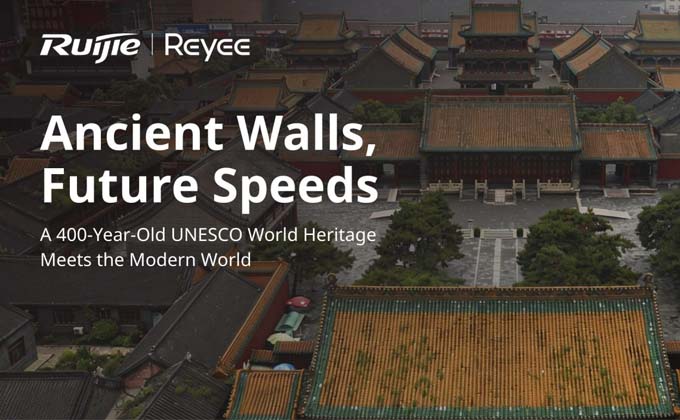
Ruijie Reyee has completed a network infrastructure upgrade at the Shenyang Imperial Palace in China, one of only two preserved imperial palace complexes in the country and a UNESCO World Heritage site. The nearly 400-year-old complex covers about 60,000 square meters and includes more than 100 historic buildings with over 500 rooms and around 100,000 artifacts.
The existing network could not support the growing number of visitors, especially in the busiest halls where thousands of people simultaneously used digital guides and mobile applications. Some areas, including underground exhibition halls and outer courtyards, had no signal at all, while a single shared network for guests and staff posed security risks and slowed museum operations. The outdated infrastructure also could not support planned artifact protection systems, environmental sensors, and interactive visitor services.
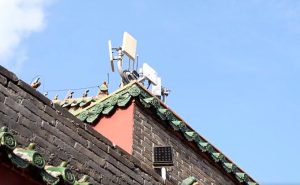
Ruijie Reyee implemented a new solution with 99.5 percent Wi-Fi coverage, using a combination of high-density and directional access points adapted to the thick walls of the historic buildings. A single access point can serve more than 200 users simultaneously, while the system automatically balances traffic loads to prevent congestion.
The network is segmented into separate environments for visitors, administration, security devices, and emergency systems, protecting museum data and operations from public Wi-Fi traffic. The backbone is a 10-gigabit infrastructure ready for future IoT devices, and a simplified topology reduced cabling by about 30 percent, minimizing intervention on the historic structure.
The system is managed through a cloud platform with AI diagnostics, enabling remote maintenance and faster troubleshooting. Following the upgrade, visitors now enjoy reliable access to digital guides and online content, while museum operations—from ticketing to video surveillance and environmental monitoring—run securely on a separate network.
The new infrastructure also allows future expansion of security systems and interactive services without additional construction work, upgrading the historic site technologically while preserving its cultural value.