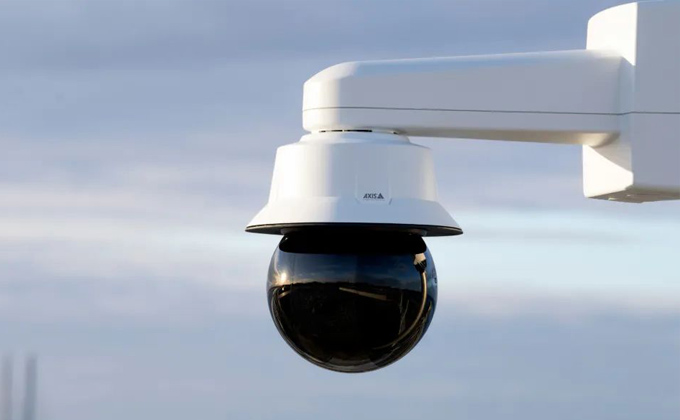
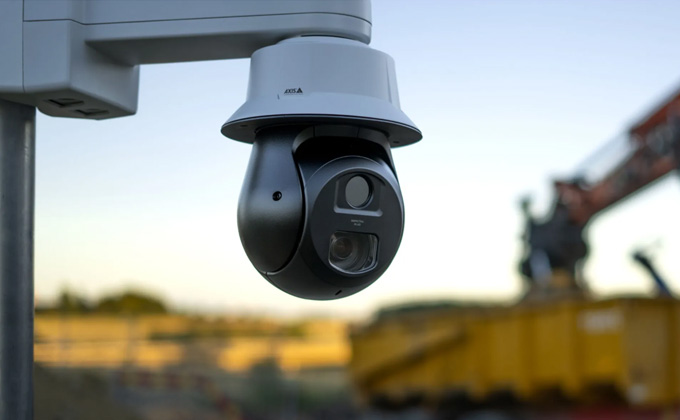
Axis Communications achieved 17% revenue growth in 2025, reaching total sales of SEK 20.8 billion (approximately US$2.1 billion), according to the latest analysis by Memoori. The Americas remained the company’s strongest market, accounting for 58% of total revenue. The report also highlights that Axis further expanded its portfolio through two strategic acquisitions that received relatively little public attention.
The first involved the acquisition of Skysense, a specialist in counter-drone technologies, while the second focused on Czech-based FF Group, known for its edge AI and automatic license plate recognition solutions. According to Memoori, Axis now generates more than 77% of Canon’s total network camera revenue, reinforcing its position as the key contributor to the group’s video surveillance business since joining Canon in 2015. Headquartered in Lund, Sweden, the company employs more than 5,200 people, operates in over 50 countries, and works with partners across approximately 180 markets worldwide.
At the same time, the analysts note that changes in U.S. trade policy and the weakening U.S. dollar negatively affected the company’s operating margin. Despite these challenges, the results confirm Axis Communications’ continued growth and its ongoing expansion in artificial intelligence, automatic license plate recognition, and counter-drone technologies.
Funds advised by Inflexion Private Equity Partners are set to invest in Salto Systems, one of the world’s leading providers of smart electronic access control solutions. Through this transaction, Inflexion will become the company’s lead minority shareholder, joining a group of new and existing investors supporting Salto’s continued growth.
Today, Salto serves more than 15,000 customers across 160 countries, with its solutions deployed in commercial buildings, hotels, residential properties, educational institutions, and critical infrastructure. The company is recognized for developing smart access control technologies that combine digital keys, mobile access, and cloud-based security management. According to Inflexion, the investment will support Salto’s continued international expansion and technological innovation.
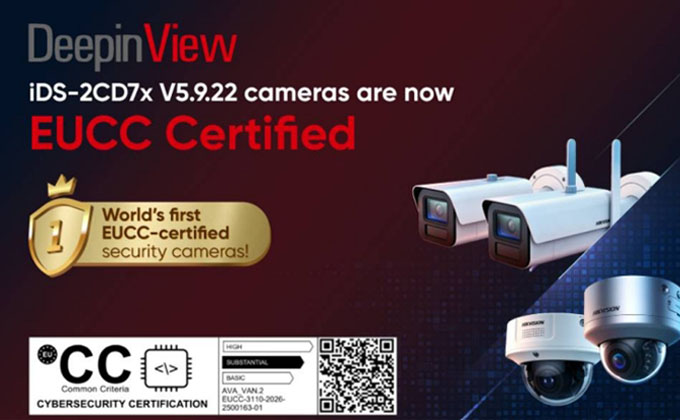
Hikvision has announced that its DeepinView iDS-2CD7x series of network cameras has become the first CCTV camera product in the world to receive the EUCC (European Cybersecurity Scheme on Common Criteria) certification. The certification was issued by the Dutch certification body TrustCB B.V., while the security evaluation was conducted by Bureau Veritas Cybersecurity Europe in accordance with ISO/IEC 15408 (Common Criteria) and CEM:2022 R1 standards. The camera series achieved the EUCC “Substantial” assurance level, corresponding to Evaluation Assurance Level 3 (EAL3) with additional flaw remediation requirements.
The EUCC is the European Union’s new cybersecurity certification framework for digital products, providing a unified proof of compliance with evolving regulatory requirements, including the Cyber Resilience Act (CRA) and the NIS2 Directive. The certification is particularly relevant for sectors with high security requirements, such as government, critical infrastructure, energy, and transportation. According to Hikvision, the achievement reflects the company’s “Security-by-Design” approach, which integrates cybersecurity principles throughout the entire product lifecycle—from development and testing to deployment and ongoing maintenance.
The EUCC certification validates the cameras’ security capabilities in key areas, including user authentication, access control, secure communications, security auditing, and vulnerability management.
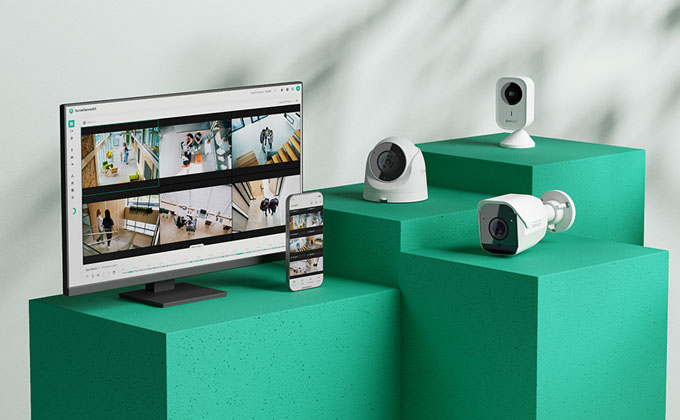
Synology has introduced Surveillance365, a new Video Surveillance as a Service (VSaaS) solution that enables organizations to rapidly deploy and centrally manage video surveillance across multiple sites without the need for additional IT infrastructure. The new platform is available at no extra cost for compatible Synology cameras, allowing users to manage their entire camera fleet through a single web portal or mobile application, while each camera can be deployed in just a few minutes. Video footage is recorded locally on a microSD card installed in the camera, while AI-powered analytics—including people, vehicle, intrusion, and loitering detection—are processed directly on the device to deliver faster alerts and reduce bandwidth consumption.
The system also prioritizes local peer-to-peer connections for live viewing, while its Low Bandwidth Mode can reduce network usage by up to 50 percent with minimal impact on video quality.
“Ever since we introduced Surveillance Station in 2008, our vision has been to build a fully integrated surveillance ecosystem spanning cameras, NVRs, VMS, storage, backup, AI analytics, and cloud, all engineered by one vendor. Today, Surveillance365 completes that vision,” said Philip Wong, Chairman and CEO of Synology.
The platform also supports multi-factor authentication and encryption, while the optional cloud backup service allows video retention periods ranging from 45 to 3,650 days. Surveillance365 is now available globally, with more information available on the Synology Surveillance365 page.
Hanwha Vision has introduced the latest version of its plug-in for Milestone XProtect, adding the new AI-powered Similarity Search feature while expanding integration with its cameras. The update enables operators to quickly locate visually similar people or vehicles across large volumes of recorded footage, significantly reducing investigation times. The plug-in brings Hanwha Vision’s advanced AI analytics directly into the XProtect interface, allowing users to search video using people, faces, vehicles, license plates, and other attributes without leaving the platform.
It also enables operators to control cameras—including PTZ and thermal models—as well as IP audio and intercom systems from a single interface. In addition, the platform supports real-time visualization of AI analytics, including object bounding boxes, Intelligent Video Analytics (IVA) events, and virtual lines, helping operators assess situations more quickly and respond more efficiently.
“Many of our customers already run XProtect alongside Hanwha’s AI cameras. This plug-in brings camera analytics directly into the systems they already rely on, making advanced investigation faster without adding hardware. It’s a strong example of how an open platform lets partners like Hanwha Vision bring innovation to market and turn it into practical value for everyday operations,” said Thomas Bille, Vice President for Product and Partner Marketing at Milestone Systems.
According to Hanwha Vision, the new Similarity Search feature, available on cameras powered by the Wisenet 9 chipset, further enhances AI analytics by helping users locate relevant footage within seconds.
Security requirements are becoming more complex as threats and environments evolve. From construction sites and retail premises to large-scale events and remote industrial operations, mobile surveillance systems are emerging as flexible alternatives which can adapt to changing environments and use cases.
Despite being the commonplace solution, traditional fixed surveillance systems are not always suitable for all conditions. These solutions offer high-quality results and significant value. The main drawbacks are the installation cost, reliance on existing infrastructure, and the difficulty of repositioning them later.
For temporary or evolving sites, this often results in gaps in coverage at the very moment that security is most critical. As noted in this year’s Tech Trends, mobile surveillance systems offer a more flexible approach. These solutions combine portability with advanced technology. This allows you to deploy remote video surveillance quickly and effectively. The result is continuous protection without the need for permanent infrastructure.
What is a mobile surveillance system?
Before looking at the benefits, it’s best to start with a definition. A mobile surveillance system is a portable, self-contained security solution designed for rapid deployment. These systems are fundamentally different from fixed installations. They are all-in-one solutions, integrating cameras, connectivity, power, and video management into a single, mobile unit. This design means they can be installed and relocated with minimal effort.
This flexibility makes them particularly well suited to temporary environments, such as construction projects, public events, or sites without access to existing infrastructure. Systems can be deployed within hours, repositioned as risks change, and reused across multiple locations. This provides a scalable and efficient approach to mobile security, even within the same organization.
Importantly, mobile systems do not compromise on performance. The technology behind remote video surveillance has advanced significantly. Cameras, analytics, power, and connectivity have all improved. As a result, modern systems deliver high-quality, real-time monitoring. They also provide reliable remote access.
5 benefits of using mobile surveillance
Security strategies tend to focus on preserving the safety and security of employees, visitors or residents within a certain area and prioritize the long-term reduction in crime and incidents. Mobile solutions form a key part of this strategy, often matching or exceeding the capabilities of fixed solutions.
Deter potential criminals effectively
The visible presence of a mobile surveillance camera system acts as a strong deterrent to crime. Cameras mounted on trailers or poles signal that a site is actively monitored, reducing the likelihood of theft, vandalism, and unauthorized access by perpetrators.
This is particularly important in sectors such as construction, where losses from theft and damage remain significant. In fact, it has been reported that in the US this industry loses between $300m and $1bn annually. Modern systems can actively deter incidents, not just record them. When suspicious behavior is detected, the system can trigger audio warnings and real-time alerts. This early intervention helps stop issues from escalating.
Monitor your site from anywhere
With remote video surveillance, organizations can maintain continuous oversight of their sites regardless of location. Live and recorded footage becomes accessible via mobile devices or control rooms, enabling real-time visibility across one or multiple sites.
This remote access supports faster decision-making and more efficient operations, while maximizing staff resources. Whether verifying an alert or assessing a potential safety issue, having immediate visual insight allows teams to respond quickly and with confidence.
Reduce security costs significantly
Mobile video surveillance provides a cost-effective alternative to traditional security measures. While on-site guarding remains important in many cases, maintaining round-the-clock physical presence can represent a significant investment.
Mobile systems reduce this dependency by delivering continuous monitoring at a lower cost. Because they do not require permanent infrastructure and can be reused across different locations and use cases. Organizations also benefit from lower upfront investment and greater long-term value. Improved private cellular connectivity has further enhanced affordability, making high-quality surveillance more accessible for different industries.
Deploy security in any location quickly
Speed is critical in many security scenarios. If an incident does occur on a construction site or at an event, quick interventions often limit or even mitigate the impact.
A mobile surveillance trailer can be deployed and operational within hours, ensuring that security keeps pace with operational needs. These systems are equally effective in urban and remote environments, providing reliable coverage even where physical infrastructure is limited or unavailable.
Customize your security setup easily
Finally, every site has unique requirements, and mobile surveillance systems are designed to be flexible and adapt accordingly. Configurations can be tailored to address specific risks. You have options to integrate different camera types (such as the PTRZ camera), analytics, and other technologies. This can include additions like radar or audio systems.
As conditions change, systems can be repositioned or adjusted without significant disruption. This flexibility ensures that security remains aligned with operational needs, rather than constrained by fixed installations.
The technology powering modern mobile surveillance
The fundamental job of a surveillance solution is to capture usable video. This means the imagery must be clear enough to identify exactly what is happening and who is involved. These systems use a range of technologies, from low-light cameras to video analytics, to ensure they deliver on this objective.
Elevate threat detection with AI
Artificial intelligence plays a central role in modern remote video surveillance cameras, as it can be used to analyze scenes in real-time and trigger an action. This is often achieved by edge-to-edge technology, which enables edge devices to connect with each other, or pair, without having to communicate with the core of the system.
Advanced analytics enable systems to establish context and distinguish between routine activity and genuine threats. Audio analysis provides additional information on an incident. For example, whether raised voices indicate excitement or aggression. AI-driven analysis can detect behaviors such as intrusion or loitering and trigger real-time alerts.
In industrial environments, it can also support safety compliance by identifying risks such as missing protective equipment or unauthorized movement within restricted areas. Automatic messages can be triggered to remind people to wear PPE or to leave a hazardous area.
Enhance visibility with high-definition and thermal cameras
High-quality imaging is essential for effective surveillance. Today’s mobile surveillance cameras provide high-definition video, ensuring clear visibility in a wide range of conditions, including low light or smoky environments.
Thermal cameras further enhance performance by detecting heat signatures, making them particularly useful in low-light environments or for monitoring equipment. This combination provides reliable detection and situational awareness around the clock.
24/7 professional monitoring services provide an ‘always on’ advantage
Many mobile video surveillance solutions are supported by professional monitoring services, providing continuous oversight by trained operators. These teams can verify alerts, assess situations in real time, and initiate appropriate responses.
This added layer of support ensures that incidents are handled quickly and effectively, strengthening overall resilience and reducing the burden on on-site personnel.
Enable solar powered independent operations
Power availability can be a challenge in temporary or remote locations. To address this, many mobile surveillance trailers are equipped with solar power technology, enabling them to operate independently of the grid.
By combining solar panels with battery storage, these systems can deliver continuous performance while reducing both the environmental impact and operational costs. This makes them particularly valuable in remote industrial settings and infrastructure projects.
How mobile surveillance can benefit multiple industries
Mobile surveillance is a powerful tool for any situation requiring temporary or easily repositioned security. If you need to protect assets on a short-term project, secure a pop-up event, or monitor a changing perimeter, these units provide an immediate and effective solution.
Tackling the high crime incidence in the construction industry
Construction site security is one of the most common applications for mobile surveillance. Sites are often exposed and constantly changing, making them vulnerable to theft, vandalism, and unauthorized access. Mobile surveillance provides continuous monitoring, helping to protect assets while also supporting health and safety oversight.
Remote access allows site managers to respond quickly to incidents and maintain visibility across multiple projects. This makes it easier to coordinate responses or spot patterns in incidents if they are connected.
Monitoring large events and crowds
Temporary events present unique security challenges due to high footfall, limited visibility and rapidly changing conditions. Mobile systems enable organizers to deploy security for venues quickly and adjust coverage as needed.
Real-time monitoring supports crowd management and helps identify potential risks early, contributing to a safer environment for attendees.
Protecting commercial and retail properties
Vacant or temporarily unused properties are at increased risk of intrusion and damage. Vacant property security using mobile surveillance ensures ongoing protection between occupancies, without requiring permanent installation.
Even for occupied premises, transitional periods can represent a risk. Collé Rental & Sales faced a similar issue and needed round-the-clock surveillance for its rental sites. By implementing mobile surveillance solutions to provide 24/7 coverage of sites, they achieved their security objectives without the need for on-premises staff.
Parking lots can also be targeted by criminals. For large retailers, these areas tend to be vast and lack infrastructure for fixed solutions by nature. As such, mobile solutions can help maintain visibility and reduce risk across the entire site.
Enhancing security for industrial facilities
Industrial environments often operate in remote or complex conditions. These can have an impact on factors such as access, power availability and response times. Mobile surveillance provides a flexible solution for monitoring both security and operational risks, from intrusion detection to equipment monitoring, for example overheating.
This is particularly relevant for sectors such as oil and gas, where sites can be hazardous and as a result, safety, compliance and rapid response are critical.
Managing logistics and storage yard safety
Logistics and storage sites require consistent oversight to prevent losses and maintain efficiency. Due to the size and layout of many logistics and storage sites, fixed solutions may not be able to provide the extent of coverage to support security operations.
Mobile systems provide wide-area coverage, enabling operators to monitor activity, verify movements, and deter unauthorized access.
Conclusion
Although fixed solutions will continue to provide value and ROI for organizations, mobile surveillance is emerging as an alternative approach to achieve security and safety objectives.
In some cases, it is worthwhile to deploy both fixed and mobile solutions in conjunction to get the best of both worlds.
As industries and technologies evolve, so do threats. By adopting flexible and adaptable methods of surveillance, organizations can mitigate threats and reduce the incidence of crime on their sites.
Association of Security Managers of Montenegro (AMBCG) and TurkCham Montenegro – the Turkish Chamber of Commerce in Montenegro – have signed a Memorandum of Cooperation establishing a framework for long-term institutional collaboration aimed at advancing corporate security, fostering a safer business environment, and strengthening economic ties between Montenegro and the Republic of Türkiye. The Memorandum confirms the shared commitment of both organizations to promote modern security standards, protect investments, and enhance the overall business climate through strategic partnership.
The cooperation will include the organization of professional conferences, business forums, seminars, workshops, and training programs, the exchange of expertise and best practices, the implementation of joint national and international projects, and stronger networking between companies, institutions, and security professionals from Montenegro and Türkiye. Particular emphasis will be placed on improving corporate security standards, strengthening security culture, protecting critical infrastructure, and enhancing the resilience of the business sector to emerging security challenges.
Dragan Radulović, President of the Association of Security Managers of Montenegro, described the signing of the Memorandum as an important step in the Association’s international development and a further confirmation of its credibility at both the regional and international levels.
“Today’s security challenges require strong international cooperation, the exchange of experience, and closer ties within the professional community. Through this Memorandum, we are opening a new chapter of cooperation between Montenegro and the Republic of Türkiye in the field of corporate security, with the goal of creating a safer business environment, raising professional standards, and implementing joint initiatives that will contribute to the economic development of both countries,” said Radulović.
Muttalip İlhan, Member of the Board of Directors and Chairman of the Corporate Relations Committee of TurkCham Montenegro, said the Memorandum represents an important step forward in strengthening business and institutional cooperation between the two countries. “We believe this partnership will encourage the exchange of knowledge and experience, connect companies and institutions, and lead to joint initiatives that will enhance corporate security while further strengthening the economic relations between our two friendly countries,” İlhan stated.
By signing the Memorandum, which has been concluded for an indefinite period, AMBCG continues to expand its international partnerships and reinforce its position as a leading professional organization dedicated to advancing corporate security and supporting Montenegro’s sustainable economic development.
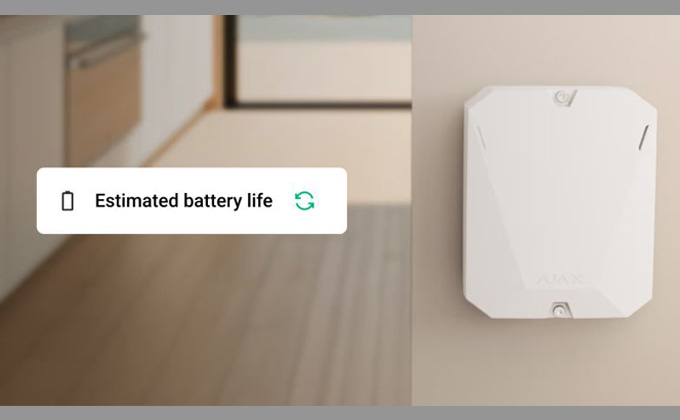
Ajax Systems has introduced a new feature in its Ajax PRO Desktop application that enables users to estimate the remaining lifespan of the internal batteries in the Hub BP Jeweller. The functionality is designed for installation and monitoring companies, allowing them to check the expected battery operating time immediately after installation and plan system maintenance more efficiently.
According to the company, the new feature helps prioritize service visits, reduces the need for premature battery replacements, and minimizes the risk of security system downtime, particularly across large-scale deployments. The feature is available with Ajax PRO Desktop 5.52 and OS Malevich 2.38.118.
More information about the new capability is available here.
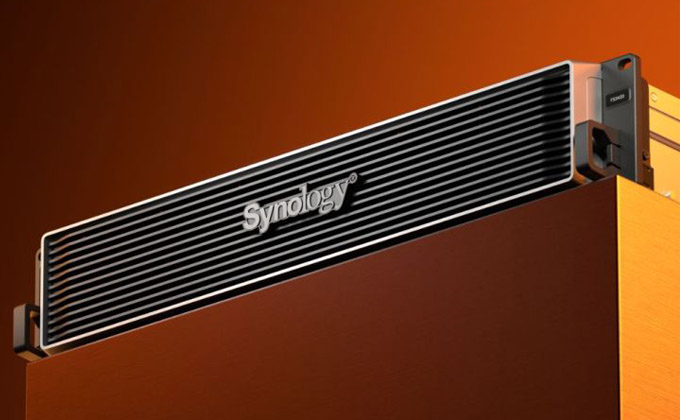
The new FlashStation FS3420 is an all-flash storage system designed for enterprise environments where high performance and low latency are essential. Synology states that the system delivers up to 478,000 read IOPS and 169,000 write IOPS, while providing more than 60% higher SMB read throughput compared to the previous generation.
The FS3420 is certified for VMware, Hyper-V, Citrix, and OpenStack environments, and includes built-in data protection features as well as intelligent storage management through Synology Tiering. The company emphasizes that when modernizing IT infrastructure, particularly in virtualized environments and database applications, IOPS, latency, and networking capabilities have a far greater impact on real-world performance than storage capacity alone.
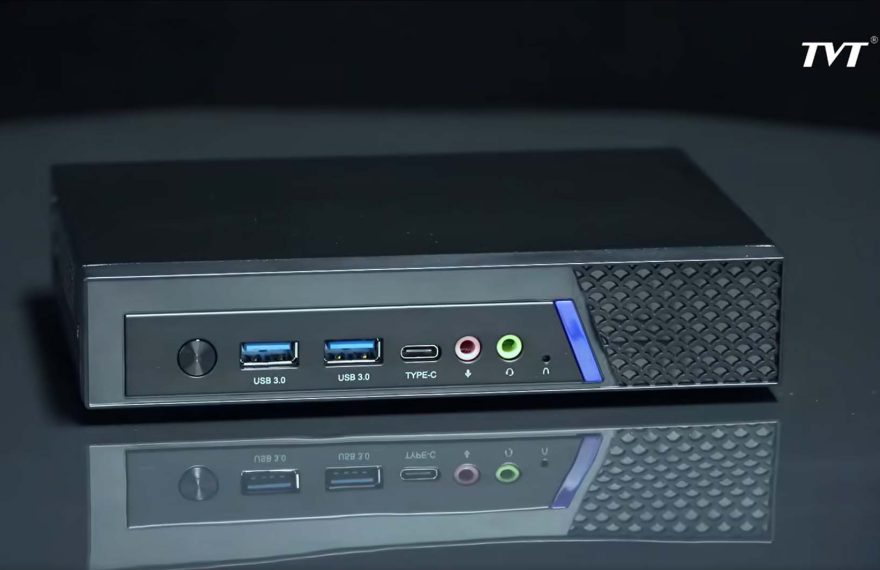
TVT Digital Technology has introduced the new TD-A310-MTC-E, a compact management server designed for centralized control of video surveillance and other security systems in small and medium-sized installations. According to the company, the device combines management capabilities, artificial intelligence, and flexible storage management in a compact form factor, enabling easier deployment and more efficient operation of security systems.
The TD-A310-MTC-E is intended for use in parking facilities, office buildings, hotels, residential properties, logistics centers, warehouses, and retail environments, where it provides centralized management of security infrastructure. The company highlights that the server delivers features previously available mainly on larger server platforms, including support for AI applications and flexible system configuration.
For a closer look at the server’s capabilities, TVT has published a short video on its LinkedIn channel showcasing the key specifications and features of the new TD-A310-MTC-E, from its AI capabilities to flexible storage options.