Home Articles posted by a&s Adria (Page 184)

Teletek Electronics co-hosted with A&S Adria an online seminar “Intrusion Alarm Solution”

Teletek Electronics JSC – a leading manufacturer of Intruder and Fire Alarm Systems, presented their innovations in alarm equipment and communications with main focus – Eclipse control panels as well as GPRS and LAN communication modules.

Eclipse control panels are contemporary range of panels working with one and the same periphery devices – expanders, keypads, software, etc.

With different types of programming: by addresses, by operations or using tree structure text menus.

 During the session were presented  the new Guard View monitoring software developed by Teletek Electronics, as well as the latest version of MobileTTE – a mobile application for quick and easy remote access and control of the intrusion Eclipse and wireless Bravo alarm systems.

 At the end of the seminar many of the experts attending on the virtual event had possibility to  ask questions about discuss some cases with the lectors.

Audiences are experts from the leading security companies from the region shared that the topics covered were extremely interesting and relevant.

 Next co-hosted seminar planned for September will present innovations on Fire alarm Systems by Teletek Electronics JSC.

Subscribe for newsletters by Teletek Electronics on www.teletek-electronics.com or A&SAdria newsletter for more information about the upcoming seminars and trainings.

Equipping 16th-century doors with 21st-century access control

London, July 2020 – Schools and heritage sites present their own unique difficulties for security and access control. But what about a school that is also a heritage site of exceptional value? This was the challenge facing security administrators at the Colegio Diocesano Santo Domingo in Orihuela, Spain.

The Colegio Diocesano is more than just a school. Its historic buildings date to the 1500s, a heritage site as well as a place of learning — with a museum which requires the protection of the same access system.

Hence, the brief for a new access system required minimal disruption on two fronts. The college buildings are a Resource of Cultural Interest and on Spain’s heritage registry: they must not be damaged. School leaders also required little disturbance of everyday school learning. Wireless access control was the obvious answer.

A wire-free solution to a 16th-century problem

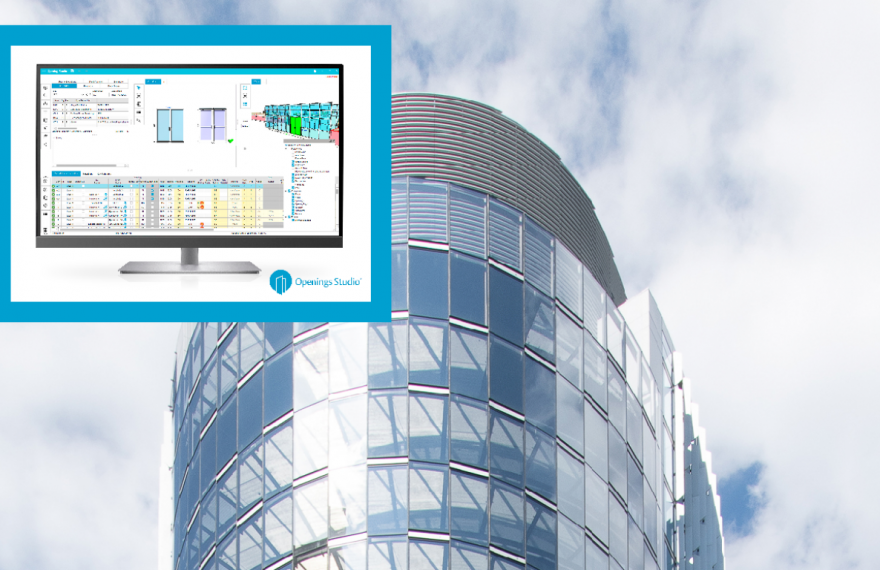
SMARTair® wireless access control devices now control access through 300 doors around the school. A mix of battery-powered escutcheons and weather-proof escutcheons, knob cylinders and wired wall readers (including for lifts), are connected to SMARTair’s intuitive software by a network of 38 wireless communication hubs.

The school chose SMARTair Wireless Online management for their new keyless access system. This powerful management option enables real-time security control to limit free access to and around the site, even if the school data network is down. Automated emails inform security staff of any incidents, keeping students, staff, equipment, and precious heritage safe.

“The main benefit is the ease of real-time key management — from any place and at any time — via the wireless online management system,” says IT Manager, Francisco Fernández Soriano. “This increases security for children and for staff, because no unauthorised people can enter the school.”

SMARTair locks and readers provide a streamlined way to manage access. Student and staff carry credentials programmed to allow access to specific authorized areas. SMARTair TS1000 software makes it easy to issue and cancel access credentials for temporary visitors such as parents.

“In addition to the main entrances and classrooms, access to private spaces such as lifts, offices, staff rooms, the church, the museum, the library and the IT room is constantly monitored,” he adds. “Thanks to our SMARTair devices installed at more than 300 doors, the security team can find out who has accessed which space and when, at any time.”

Installation and integration

Installation of the school’s new SMARTair system demanded minimal work. Some school doors date to the 16th century, so major alterations to door hardware were not possible. “The system was installed without a hitch and also without any disruption to classes,” confirms Fernández Soriano. Because SMARTair is a modular system, scalability is built in. They can extend or fine-tune their access system when they choose. Indeed, SMARTair’s “Phase II” is already under discussion.

SMARTair software also easily slotted into the school’s existing management workflows. The Colegio Diocesano has used iinventi education management software for the past five years. Integration with SMARTair software was simple: access control, the library and canteen are managed from an integrated system.

“SMARTair gives the school’s security team the answers they need,” concludes school director, Reverend José María Fernández-Corredor.

To learn how easily SMARTair® wireless access control could secure your premises, download a free solution guide at https://campaigns.assaabloyopeningsolutions.eu/smartair


BIROSAFE Bulletproof Doors in Security Entrance Systems

BIROSAFE Strumica is an engineering company which manufactures, sells and installs security, fireproof and bank equipment (security and fireproof safes, cabinets, doors, and vaults) according to the European standards.

It is a company that offers security and makes the clients feel safe by using the high-quality materials in the manufacturing process and adhering to the ISO quality standards in creating new security products.

Over the past few years, they have been active in the market of products which ensure bulletproof protection.

The BIROSAFE bulletproof doors and walls can be made according to various measurements and include options with or without glass.

These products come with bulletproof protection in line with the established standards:

EN 1522 FB 4 NS
EN 1522 FB 4+ NS
EN 1522 FB 6 NS,

This is confirmed by the European certificates issued by the ECB-S Germany.

These BIROSAFE bulletproof doors and walls can also be installed as part of the Security Entrance Systems (SAS) which are designed for controlling entrances and exits in secure areas.

The Security Entrance Systems (SAS) SAS Birocabin model is intended for the access control involving two or more doors that are opened simultaneously.

With it, the entry to and from the areas that need to be secured can be restricted or controlled.

Opening of the doors is handled with the help of the Interlocking system (one door is opened – the second one is closed).

Interlocking doors allow only a single person to make entry or exit, thus preventing unauthorized persons or intruders to enter premises. The users enter through the first door which gets locked behind them before the second door opens, thus allowing access to the secure zone.

The system has an Emergency Exit option which can be automatically turned on with the help of the Fire Proof Control Panel in the case of fire or panic (it can also be controlled by a guard or by using the Control Center). In this situation, everyone can make an exit from inside to outside, but unauthorized persons can’t enter indoor spaces from the outside.

The booth is also equipped with Total STOP button for door blocking.

All booths are equipped with their own installations, internal and external light signalization, buttons or readers for entrance and exit (opening of the booth doors can be also controlled by a guard or from the control room).

The doors are equipped with electromagnetic locks (that can stand the force of 1000 – 3000 kg) as well as with locks used for additional mechanical locking.

There are options to install additional equipment such as intercom system, biometric readers (fingerprint, face recognition opening) etc.

In case of the interruption of the electrical power supply, the system has own power supply.

There is a presence sensor inside the booth.

All booths can be made with different measurements and colors, so they can perfectly align with the design of the surroundings that client chooses.

These products are recommended for the security companies that are involved in the cash-in-transit business, banks, government institutions, exchange offices etc.

Apart from these new bulletproof products, the company also offers the following security equipment: safes, cabinets, deposit safes, weapon safes, cash transfer safes, vault and vault doors, security doors, bulletproof doors and walls as well as fire proof equipment such as safes, cabinets, doors etc.

All of their products are usually made according to the standard measurements, but there is also an option to customize them based on the client’s demands.

In case of a problem with the equipment, BIROSAFE has its own service team, which is trained for taking care of defects and resolving any kind of problem related to the operation of products, regardless of whether the warranty has expired or not.

BIROSAFE has offices and dealerships in all the Balkan countries and is present in the markets of Serbia, Montenegro, Bosnia and Herzegovina, Croatia, Albania, and Bulgaria.

BUILDING BIGGER, BETTER PERIMETER INTRUSION DETECTION SYSTEMS

Perimeter intrusion detection systems (PIDS) are often the first line of defense for large critical sites. If the perimeter security is weak, critical infrastructure could be left vulnerable to physical attack, resulting in irreparable damage. Today, site operators are integrating video analytics, thermal cameras, fence sensors and even intelligent security lighting into their perimeter solutions. By reinforcing the outermost areas of facilities with these added advanced technologies, site managers are more prepared than ever to stop intruders in their tracks.

THE STATE OF THE PERIMETER INTRUSION DETECTION SYSTEMS MARKET
The market for perimeter intrusion detection systems, otherwise called PIDS, is growing steadily due to the continued need for better security.
Perimeter intrusion detection systems (PIDS ) are an important part of an overall security solution, especially for critical locations. Growth in the market is known to be consistent and steady and is expected to continue on this trend in the coming years. Globally, the market for PIDS is expected to reach nearly US$21.6 billion by 2023, according to a report by Marketsandmarkets. This is attributed to the increasing number of video surveillance installations for security systems, the rising demand for remote access through the cloud and wireless technology, as well as government regulations to improve perimeter security and curb infiltration and terrorist activities. Regionally, the largest market for PIDS is North America, with the U.S. and Canada leading the region. However, Asia Pacific is expected to see significant growth in the coming years. Growth in APAC is due to government regulations, infrastructure development and an increase in incidents resulting in the need for perimeter security. The Middle East and Africa (MEA) region is also expected to see a high compound annual growth rate (CAGR) in the next few years.

PERIMETER SECURITY IN DIFFERENT VERTICALS
Nowadays the importance of fortifying cybersecurity measures to protect critical infrastructure from cyberattacks is a never-ending pursuit, and for a good reason. Yet, while the need for stronger cybersecurity is critical, these facilities must also be fortified with physical barriers to prevent physical attacks as well. Stewart Dewar, Product Manager at Senstar pointed to several verticals currently dr iving growth in the perimeter security market. For example, electrical utilities must maintain a safe and reliable electrical grid at all time. “This criticality has only increased; as we are now seeing growing concern over safeguarding the continuity of operations. Utilities need to protect themselves against incidents that could cause an outage, whether it be vandalism, material theft, or, in the extreme case, a terrorism incident,” he said. There are similar concerns in the logistics vertical with regard to large fulfillment centers. While direct loss from theft is naturally a concern, Dewar noted that customer satisfaction and brand reputation are also at play — products lost to theft are products not delivered to soon-to-be disgruntled this case provides an outer ring of protection that defends warehouse access points. In terms of video-surveillanceenabled perimeter solutions, Dewar highlighted commercial and light industrial verticals as those that could benefit the most. “Many sites in this category were not initially built with perimeter security in mind, making it a challenge to add traditional perimeter security sensors. Video surveillance systems equipped with advanced outdoor-optimized video analytics can substantially increase site security,” he explained. While traditionally perimeter security systems are most commonly associated with critical infrastructure (e.g., utilities, oil and gas, etc.), government facilities, national borders, military and defense, correctional facilities and other large industrial plants, a growing number of verticals outside this list are adopting these solutions. Large entertainment venues, for example, are deploying more perimeter security measures as the number of attacks on these settings continues to grow.

HOW VIDEO ANALYTICS AND THERMAL CAMERAS IMPROVE PERIMETER SECURITY
Perimeter intrusion detection systems are integrating more and more with video surveillance systems, allowing for visual verification and data analysis.
The video surveillance segment — including security cameras, video analytics and other video components — accounts for the largest market share of the perimeter intrusion detection systems (PIDS) market. This is driven by demand from security operators for visual verification and desire to capture images. When choosing a camera for perimeter security, Stewart Dewar, Product Manager at Senstar, recommends selecting cameras from manufacturers that fully support ONVIF standards. This will guarantee compatibility with video management software, simplify integration and avoid vendor lock-in. Additionally, he recommends choosing a manufacturer that has a proven track record with regard to firmware updates and security patches, to ensure the camera is always cybersecure.

VIDEO ANALYTICS PROVIDES MORE INSIGHT
Adding video surveillance cameras alone to a perimeter security system will not deliver the enhanced security desired by security operators. The addition of video analytics, though, can make for a much more effective solution, particularly for locations where there is no suitable fence for a fence sensor or an open area for microwave or buried-cable solutions, explained Dewar. Yet, a successful video analytics deployment is not as simple as just adding software to an existing video surveillance system. Video analytics requires a higher standard in lighting and camera count than would typically be required if the video was used just for assessment. Dewar added that the best video analytics are usually server-based, where they benefit from increased processing power. However, this creates additional upfront costs for the servers, plus the associated operational costs of maintenance, power and cooling. Dewar also pointed out that, “It is considered harder to get a good probability of detection (PD) versus nuisance alarm rate (NAR) balance from video analytics than from a traditional perimeter intrusion detection sensor, but with higher-end analytics and expert tuning you can still get effective results.” There are still exceptions: scene variations like foliage growth, seasonal weather and site changes can impact performance and require re-tuning.

THERMAL CAMERAS BRING THE HEAT
The use of thermal cameras in perimeter security has mostly been associated with critical sites (e.g., utilities, airports, chemical plants, etc.) where a breach could have significant repercussions. In these applications higher costs were more easily justified since there was a need for more sophisticated systems. Today, the price of thermal cameras has come down while performance continues to improve. As a result, less critical sites are also adopting thermal systems for perimeter protection. These sites are using them as an “outdoor burglar alarm” to protect against more common challenges like theft prevention to stop business loss at commercial sites such as datacenters, cannabis growers, industrial parks, vehicle lots, schools, retail locations and construction yards, explained John Romanowich, President and CEO, SightLogix. Now, any site that needs to prevent intruders from entering the perimeter and causing business disruption can use thermal cameras. Romanowich noted steady growth inthe use of thermal video for perimeterapplications in the last several years, and expects that trend to accelerate in 2020. While terrorism and other global challenges have generally driven investment in perimeter security, he believes the recent upswing comes from two key developments. “First, the combination of advanced software being powered by newer, faster, cheaper processors allows us to bring more capable thermal systems to market with ever-increasing detection performance. Secondly, the adoption of thermal video for automotive and other non-security applications has expanded the market for thermal sensors, creating economies of scale and subsequent cost reductions. This means today’s thermal perimeter cameras detect better, in more situations, at less cost than the systems we had only a few years ago,” Romanowich said.The biggest benefit of using thermal cameras together with video analytics is the very high level of detection reliability the system provides. Thermal is ideal for outdoors since it can work in total darkness and is not impacted by weather or reflections. It can also help perimeter security operators save on cost by reducing the number of cameras needed. “Thermal cameras can detect intruders over very large areas, John Romanowich, President and CEO, SightLogix measuring hundreds of meters wide and distant, creating a compelling financial advantage when you consider the reduction of poles and power otherwise needed with systems that cannot provide such depth of coverage,” Romanowich added. However, thermal cameras have poor capabilities with regards to intruder identification, making the use of visible-light cameras and perimeter lighting necessary for a complete assessment and investigation, according to Dewar. Other challenges include implementation of best practices, design and infrastructure. For example, it is important to make sure camera fields of view overlap along the perimeter as to not leave blind spots. Thermal cameras also require typical networking arrangements for their use, such as properly hardened networks, a range of available IP addresses, firewalls and best practices of cybersecurity.

FENCE SENSORS, INTELLIGENT SECURITY LIGHTING AMONG TOP PERIMETER SECURITY TRENDS
The need for more a more multi-layered perimeter security approach is leading organizations to invest more in fence sensors, intelligent security lighting and more.
Perimeter intrusion detection systems (PIDS) have gotten more advanced, adopting newer technological trends and integrating with other security systems. As technology for things like fence sensors and intelligent security lighting improve, they can become important additional tools in an overall perimeter security solution.

FENCE SENSORS
Fence sensors of all types (e.g., fiberoptic, non-fiber, etc.) have become more available, cost effective and can incorporate increasingly sophisticated detection algorithms that continue to improve probability of detection and nuisance alarm rate performance. These sensors are able to report an intrusion when it is happening, as well as report the location of where it is happening to an accuracy of 3 or 4 meters, according to Stewart Dewar, Product Manager at Senstar. “These sensors do not need additional hardware installed on the perimeter for zone demarcation, making them much easier to install and maintain and a more effective solution than older-generation non-locating systems,” he said.

INTELLIGENT SECURITY LIGHTING DETERS INTRUDERS
Perimeter security is often in the dark, literally. Unlike standard perimeter lighting options, intelligent security lighting can balance the problem of light pollution with the realities of monitoring a perimeter. It is dimmable and allows for the illumination of only the fence line. Since lighting functions to deter, detect and detain would-be intruders, deploying uniform, LED-based intelligent lighting along the perimeter not only acts as a deterrent, but also improves camera assessment capabilities — better lighting allows for better video quality, which results in better analysis. “Adding intelligence to the perimeter enables a wide range of active deterrents, including luminaire strobing at the detection location, dynamically adjustable intensity levels and integration with video analytics and on-site security devices,” Dewar explained.

INTEGRATION WITH MANAGEMENT SYSTEMS
Dewar noted an increasing desire for software integration between the perimeter security systems and the alarm-reporting “head-end”, whether that be classified as a video management system (VMS), safety management system (SMS) or physical security information system (PSIM). “Customers want a system that provides complete situational awareness of security considerations, and they want the integration to be deep — providing not only basic alarm information but supplemental information such as exact alarm location and equipment operational status,” he said. Integrating PIDS with VMS and things like video analytics, gives security operators immediate access to more data for a faster, more effective response. This integration can allow operators to track people, objects and vehicles in and around the perimeter; help reduce nuisance alarm rates; and improve post-incident analysis.

PERIMETERS WILL GET SMARTER
As of now, there doesn’t seem to be a whole lot of talk about artificial intelligence (AI) or machine learning (ML) in perimeter security, but that could change. Video analytics is being deployed more often as part of a more secure perimeter protection solution. There are also already some companies that are using both AI and ML to offer intelligent perimeter intrusion detection systems, which will provide even more actionable insightss to fight off intruders.

Keeping up with players on the ice

Sometimes the pace of life speeds up and it’s tricky to keep up. This is especially the case with intense sports, like ice hockey. In fact, NHL players can reach speeds in excess of 20 miles (32 km) per hour on the ice. In scenarios like this, it can be challenging to broadcast all games across a number of stadia, especially when they were often relying on amateur ‘producers’ to cover many of the games. It was this challenge that faced media streaming company LiveArena, and they turned to Hikvision and studio automated (innovated with Dutch research institute TNO) for an AI-enabled solution to automate the production process.

Challenge
LiveArena is a global company, based in Sweden, which manages and delivers more than 30,000 live events around the world each year. They are constantly looking for ways to improve the access of their services, and to make the user experience more engaging.
Traditional coverage of an ice hockey game was typically restricted to the high level games only – that meant the ‘premier league’ teams. Broadcast media could only afford to hire cameramen for those games. So, fans of the sports who follow other teams were not able to see their favourite teams in action through streaming media. LiveArena needed to find other ways of recording the games often relying on family members of players. To do this, the solution would need to be one where they were in full control of the production at all the arenas.
LiveArena also wanted to be able to improve the scheduling, production and graphics overlays.
Another issue was posed by the sheer speed of ice hockey. These meant that a traditional camera solution could not give clear enough images. In fact, they could sometimes give a false ‘shadow’ of a player, due to the fast moving action.

Solution
studio automated had developed an algorithm to track the game of ice hockey. Hikvision customized the firmware for its 32MP PanoVu IP camera (2CD6984G0) to maximize its integration with this algorithm, so that it could keep up with the game’s speed. This was made possible because of the 25 fps framerate and the 4K sensors of the PanoVu camera.
This upgrade involved the use of AI predictions to help the camera figure out the likely position of the action and the players. The information is combined with tracking to give a more accurate footage of the game. It is then streamed to users on their mobile apps, or any other connected device with a browser and the ability to play back live H.264 content, so they can enjoy the game live wherever they are.
The camera provides a high resolution 180° spliced image, with a full panoramic view. It’s also robust enough to cope with the elements outside on the field, with a built-in heater protecting it against temperatures up to -40˚C. It’s also IP67/IK10 water resistant to IP67 standard and vandal proof to IK10.
Armed with these technologies, LiveArena can open up the game to fans, wherever they are and whoever they support. They can broadcast every game from arenas with the fully automated support.
The solution has also delivered additional features like the Manual Situation Room (MSR). Since the Hikvision camera captures the whole field LiveArena can do analyses of specific incidents after a game. For example, referee boards can review any instances of a game that might result in additional penalties, like a severe rule breaking that could result in the player being stopped from participating in future games. This analysis of a game can also help coaches to train players.
Pontus Eklöf, LiveArena COO, says: “We are thrilled about what this solution has done to our live game video production. Not only do we broadcast more games. We also have a better video quality for the viewers in combination with a whole lot of new features. All of this benefits the viewers, the ice hockey federations and the individual clubs.”
This project covered 130 ice hockey stadiums throughout the Nordic region, and there are plans to implement the solution in another 300 this year. LiveArena is also looking at using multiple cameras to further enhance the viewer experience both for online game viewers as well as video coaches and other ice hockey professionals. So, it seems the solution is keeping up with this high-speed game in more ways than one.

Fire and Gas Suppression System from Advanced Protects Leading Bulgarian Bank

Intelligent fire and gas suppression systems from global leader Advanced, have been chosen to protect the flagship branch of DSK, one of Bulgaria’s leading banks.

DSK was founded in 1951, privatised in 2003 and has since grown to be one of the largest banking groups in Bulgaria, winning several awards for its services and reliability.

Following a refurbishment and upgrade of the flagship branch in Bulgaria’s capital Sofia, long-time Advanced partner, FireTech Engineering Ltd, specified a new system that included Advanced’s Axis EN (EN54) fire system, three ExGo suppression control panels and an IP Gateway, for remote internet control and monitoring.

Stoyan Grozdanov, spokesperson for FireTech Engineering Ltd, said: “We selected an Advanced system as Axis EN and ExGo set the industry benchmarks for fire alarm and extinguishant release. The panels are very reliable and, due to the importance of this particular branch, we needed a high level of protection and reliability, with assurance against false alarms and an intuitive interface for programming and monitoring.”

Axis EN is EN54 parts 2, 4 and 13 approved and can be used in single-loop, single-panel format or easily configured into high-speed, multi-loop, 200-node networks covering huge areas. Its ease of installation and configuration, wide range of peripherals and wired and wireless devices make it customisable to almost any application.

ExGo extinguishing control panels have been developed to protect sensitive and strategic assets such as server rooms, data centres, control rooms and historic and cultural collections. It is suitable for almost all single-flooding area applications and includes a range of control options and devices. It is approved to EN54 parts 2, 4 and 13 as well as EN12094-1 and is among the first systems to combine these with EN12094 in a single solution. (EN12094-3 relates to the integrated manual release on the front of the panel). ExGo can be integrated into Advanced’s Axis EN fire system or any third-party alarm system.

Vladimir Zrnic, Regional Sales Manager for Southern Europe at Advanced, said: “DSK Bank in Sofia is a fantastic example of a high-profile financial institution protected by Advanced and is the result of our product leadership and the expertise of our partners.”

Hotels Embrace New Technologies to Improve Guest Experience

To improve the guest experience, hoteliers are investing in more new, smart technologies. By using everyday items like smartphones and giving guests more power over their stay, hotel operators are able to reduce their own overhead staff costs while also freeing up staff to focus on guest needs.
Izvor: a&s International
E-mail: redakcija@asadria.com

According to a study by Oracle Hospitality and Phocuswright, nearly two-thirds of American hotel guests said it was very/extremely important for hotels to continue investing in new technology to enhance the guest experience. In fact, there has been an upsurge in demand for smart hospitality software and services, according to a report by MarketsandMarkets. Hoteliers are looking for real-time optimized guest experience management, to lure revenue generation and lower operational costs, and increase the adoption of the Internet of Things (IoT) and energy management systems.

MarketsandMarkets predicts that by 2021 the smart hospitality market will reach US$18.1 billion, up from $5.7 billion in 2016. While hotels are probably not going completely staff-less anytime soon, automating certain functions with new technologies is definitely being welcomed by both guests and hotel operators alike.

Investing in More Technology is Improving the Hotel Experience

Technology is not only making it easier and more efficient for hoteliers to manage properties, it is also improving the guest experience.

Hoteliers aim to provide guests with the best possible experience, and in today’s ultra-connected world the incorporation of more high-tech services, like mobile check-in, is one way to do that. Traditional check-in and check-out processes are built around an outdated administrative process, not the guest experience. In fact, a recent study from Cornell University revealed that guest satisfaction decreased by 50 percent with even a five-minute wait at the front desk. From the perspective of hospitality technology providers, understanding that hotels rely on their ability to meet and surpass the expectations of guests is crucial.

“Any investment or innovation in technology must come in the context of how that platform can improve the guest experience. Thus, guest-facing, self-service technology is less about ‘replacing staff with robots,’ and more about personalizing and enhancing the guest experience,” explained Nicole Dehler, VP of Product Management at StayNTouch, a Shiji Group Brand.

“To put it another way, we tend to think less in terms of ‘high-tech versus high-touch,’ but rather how high-tech platforms can enhance high-touch service.” “Modern, mobile property management systems (PMS) turn these processes on their head for the benefit of guests and staff alike,” Dehler explained. “A mobile-enabled PMS lets guests check-in from anywhere on their smartphone, or through a self-service smart kiosk in the lobby. If desired, both of these devices can automate each stage of the check-in process, from key production, to ID scanning, to payment processing.” She also added that such a system can deliver targeted, automated opportunities for room upgrades and additional amenities — complete with vibrant images and product descriptions. This allows the guest to further customize and enhance their stay. Additionally, for a modest fee, guests can also choose an early check-in or late check-out time, all from the convenience of their smartphone. Across the industry, hospitality technology providers are seeing an increase in demand for mobile solutions, such as mobile check-in, which is being driven by the desire for more mobile key functionality.

Robert Stevenson, CEO of Intelity noted, “By fully automating mobile check-in and providing guests access to mobile keys, hoteliers are able to significantly reduce front desk friction, improve guest satisfaction, reduce operational costs and streamline their guests’ experience.”

Don’t Expect Staff-Less Hotels Just Yet
Brian Shedd, VP of Global Sales and Marketing at OpenKey pointed out that modern guests like using their smartphones to control more elements of their stay experience at hotels and hotels like reducing the overhead cost of staff. However, this does not mean that hotels are getting ready to replace the human element entirely with automation. “Running a hotel is a very complex undertaking and technology can only manage a fixed number of things,” Shedd said. “I think the future will see an extended use of technology in hotels to automate repetitive tasks such as check-in, check-out, room service and requests for things like extra pillows, etc., which will free up a smaller hotel staff to handle more complex guest requests and improve the hospitality element of the stay.” The concept of “staff-less” hotels is also relatively new, so hotel operators are still testing a variety of options.

“With respect to a staff-less check-in process, the most popular seems to be the combination of mobile key and kiosk to eliminate the need for a front desk interaction,” Shedd said. In either case, using technology to eliminate, or significantly reduce, the staff headcount at the front desk allows the hotel to save on operational costs. Additionally, Shedd pointed out using a smartphone as a room key also improves guest security and eliminates plastic waste.

Hotels Go Mobile to Appeal to Modern Tech-Savvy Guests

Many guests are now looking for the mobile conveniences they are accustomed to in their daily lives, as well as more advanced mobile functions, to be at hotels.

Mobile check-in is being adopted by more and more hoteliers across the globe and hotel guests are loving it. A study by Oracle Hospitality and Phocuswright found that guests want more control over their stay, with the majority of guests interested in being able to use their smartphones to do things like request in-room items, reserve restaurants, get information about nearby activities, etc.

“Mobility should be at the top of every hotelier’s mind — whether they’re searching for a property management system (PMS), point-of-sales (POS) or payment system. Put simply, travelers want guest-facing mobile options,” said Nicole Dehler, VP of Product Management at StayNTouch, a Shiji Group Brand. Dehler explained how a mobile PMS can empower staff to better serve their guests and make their arrival feel more natural and welcoming, and less forced and transactional. “When your PMS is run on a tablet, your staff can break free from the granite front desk and meet guests wherever they are in the hotel,” she said. “Mobility lets staff view instant room status updates and communicate with staff members directly from their tablet, front desk agents can provide VIP service from anywhere in the hotel. And because mobile PMSs benefit from an intuitive and easy-to-use UI, they can foster more natural face-to-face conversations between guests and staff,” she added.

Robert Stevenson, CEO of Intelity noted that one of the main features required for staff-less hotel management is mobile functionality through mobile key and mobile check-in. “Both of these solutions streamline guests’ experience at a property and give them the ability to either expedite their check-in experience or bypass the front desk entirely, which alleviates staff workload and allows them to focus on better guest experience.” Even traditional security companies are creating mobile ways to deliver keys to guests. Steve Hu, Product Manager at Merit LILIN explained how his company is developing its cloud smart QR pass, which acts as a mobile key and is sent via email to guests from the hotel. Upon arrival, the guests can present the QR pass on their smartphone to a LILIN door station equipped with a camera that decodes the QR pass and authenticates it for entrance.

Business Travelers Want More Mobility
Whereas in the past mobile check-in options were adopted by more modern boutique hotels looking for new and innovative ways to enhance guests’ experience, now mobile check-in has been adopted by properties in all market segments, from luxury brands, to business hotels, to large-scale resorts and hotel casinos. “Luxury properties pride themselves on providing a high degree of hospitality/ human interaction, but most business travelers would rather not stand in a check-in line even if the front desk agent is pleasant and accommodating,” said Brian Shedd, VP of Global Sales and Marketing at OpenKey. He explained that airlines have trained business travelers to expect that smartphones can be used to circumvent queues, and as a result this segment now expects the same benefit at upscale and luxury hotels.

“Brands such as Hilton and Marriott have recognized this and are rolling out digital key at all properties worldwide regardless of what segment the hotel is in,” he added. Oracle’s study showed that the vast majority of business travelers believe virtual check-in and check-out, as well as keyless room entry are very/extremely important. It also found that 47 percent of business travelers believe being able to make a request/ message the concierge or room service via smartphone is very/extremely important, compared to 28 percent of leisure travelers. Additionally, 44 percent of business travelers believe smartphone apps that control room climate/lights is very/extremely important versus only 21 percent of leisure travelers.

How the Latest Technologies are Making Hotels More Efficient

The addition of smart kiosks, in-room tablets and even guest service robots are helping hotels run more efficiently by freeing up hotel staff to focus on other tasks.

A survey of more than 1,200 hoteliers conducted by Expedia found that among the top investment priorities of chain hotels is increasing the tech budget. Hoteliers hope increasing tech spending will improve productivity, repeat visits and the guest experience.

Nicole Dehler, VP of Product Management at StayNTouch, a Shiji Group Brand expects that the Internet of Things (IoT) will revolutionize hotel customer service, security and room operations. “On one level, it helps hotels automate processes and save resources,” she said. “More significantly, IoT can also usher in an era of unprecedented personal- ization, with almost every object in a hotel room adjusting to a guest’s needs, preferences and preferred devices. Once established, these preferences can form the basis of an even more robust and nuanced guest profile, which can then be used to develop hyper-targeted messaging and offers.”

She also pointed to the use of artificial intelligence (AI), saying, “The ultimate goal of emerging AI will be to allow hoteliers to act on intelligence for multifaceted guest profiles in real time. AI will be able to analyze everything from a guest’s web and purchase history, to location data and IoT device interactions, to more subtle interactions such as conver- sational patterns with chatbots. The result will be a merging of customer service and data-analytics to create guest experience which is truly seamless and hyper-personalized.”

Reducing Staff With Kiosks, Robots, Tablets
Almost all hotels are automating at least some of its operations in order to improve efficiency and reduce costs. Robert Stevenson, CEO of Intelity noted that some of the latest technologies in this space are centered around guest service robots, like those seen at the YOTEL brand of properties; AI-driven ticketing, which uses machine learning to route guest requests to the appropriate department for fulfillment; and continued guest tracking and automation for improved guest experience and service. In-room tablets are also gaining popularity to assist in automating the in-room experience for guests.

According to Dehler, this trend is especially prevalent in the boutique, casino and independent brand sectors. Hotels in competitive locations are implementing in-room tablets as a way to differentiate themselves from the competition and elevate the guest experience.

“Tablets are being used to streamline in-room dining, provide guests with an on-demand connection to staff, automate service requests, reservations and other guest requests, and give guests control over their in-room environment through IoT functionalities,” Stevenson explained. “Not only do tablets automate the in-room experience for the guest, with things like room controls or by putting entertainment and news at their fingertips, but they also relieve the staff hours that are required to process guest requests. Additionally, implementing in-room tablets reduces the maintenance and cost of printed in-room collateral (e.g., compendiums, in-room dining menus, etc.),” he added.

Hotels are also using smart kiosks to transform lobbies into a guest-centric communal space. “When you remove the front desk — and its accompanying check-in lines — you can build your lobby around coffee shops, wine bars and lounges, or around functional co-working spaces,” Dehler said.

Voice technology is also gaining traction in both guest-facing and staff-facing parts of the hotel; although, rates of adoption are not as high as other forms of automation and is very property specific. Voice technology, though, can be used to process guest requests and automati- cally route them to the correct department to be fulfilled. Voice assistants, such as Apple Siri and Amazon Alexa, as well as AI-enabled chatbots could vastly improve guest convenience by adding additional ways to order services and communicate with staff.

Challenges to Implementing New Hotel Technologies

New hotel technology doesn’t comes cheap or easy; however, the benefits for hoteliers could far outweigh the initial costs and concerns.

Implementing new hotel technology comes with its challenges. While hoteliers want to modernize and ensure guests are satisfied with their in-house experience, budget, security and interoperability with other systems are still obstacles to adoption.

Overcoming the Cost Concern
Funding for hotel technology is still often a challenge for hotel operators when wanting to implement new technology, regardless of the cost saving potential. A survey by Expedia of over 1,200 hoteliers found that chain hotels are almost twice as likely to prioritize technology investment over small independent hotels. Still, a report by Hospitality Technology found that only 54 percent of the hotels surveyed planned to increase their technology budget in 2019.

Robert Stevenson, CEO of Intelity said his company addresses the budget problem by providing a broad guest and operations platform, which helps keep costs low versus purchasing many discrete systems. Its platform also delivers on only what a particular property needs, be that improved mobility, in-room technologies or back of house improvements. “Many of these technologies drive immediate efficiency gains that pay for themselves,” he said.

Resistance to Change
Resistance to change is another hurdle that hotel management and ownership often face, according to Brian Shedd, VP of Global Sales and Marketing at OpenKey. “Many hotel general managers are slow to embrace new technology that requires re-thinking how things are done at the property. Many hotel staff are resistant to new technology that changes the way they do things, even when that includes eliminating things they really don’t like doing,” he said.

Many hotel operators face resistance from associations and unions that rely on hotel employees to pay membership dues, which happens when attempting to deploy technology that reduces staffing. “OpenKey works with hotel operators to help train staff on how mobile keyless entry can allow them to focus on aspects of their jobs that improve the guest experience while allowing technology to handle tasks that don’t require human interaction,” Shedd said.

Fighting Against Fraud and Security Concerns
Fraud is also a concern, especially when deploying self-check-in options. “Fraud can hurt a hotel’s bottom line through chargebacks, unnecessary housekeeping costs, missed bookings from actual customers, and of course the reputational damage to the hotel’s brand,” explained Nicole Dehler, VP of Product Management at StayNTouch, a Shiji Group Brand. Dehler noted that many hotel operators have a mistaken view that self-check-in increases the likelihood of fraud because an attendant isn’t physically present to verify the credit card and ID. However, modern self-check-in systems can use advanced facial recognition to scan IDs and check them against international databases for validity. “With the modern integrations of payment processors, automated check-ins are as seamless and secure as assisted ones.

Today, hoteliers can provide their guests with services that are secure and convenient, allowing guests to choose how they prefer to interact with the hotel,” she said. Guest safety and data security are also concerns for hotels adopting a more staff-less approach. According to Shedd, with the proliferation of data hacking today, hotel technology platforms should collect as little guest data as possible to deliver the required outcome. “Any guest data collected should either be deleted immediately after the stay is completed or stored in a data repository with enterprise-grade security to keep it secure.” Ensuring Systems Can Work Together Another major challenge is ensuring that the property’s tech stack is comprised of complementary systems that integrate with each other. The technology must be able to work seamlessly every time. “Glitchy hotel technology will result in guests going elsewhere out of frustration,” Shedd said. He used the Henn na Hotel in Japan as an example — the hotel famously “fired” half of its robot workforce for “sucking at their jobs.” Dehler also emphasized that hoteliers must insist on platforms with a truly open API. “Hotels require a myriad of technological systems to run success- fully, including PMS, CRS, channel manager, RMS, CRM, POS and payment integration systems (among others).

All of these platforms must interact seamlessly in order to maximize operational efficiencies, and provide a truly personalized guest experience,” she said. She added that integrated systems are better able to collect and share important guest data, leading to more robust and nuanced guest profiles, more targeted guest messaging, and ultimately a more personalized guest journey.

Interview: Francesca Facchinetti, Shareholder of ISEO Group and member of the founding family

a&s Adria: Please present yourself to our readers: your education, business experience, what department and area are you in charge within ISEO, etc.?
Facchinetti: My name is Francesca Facchinetti and I am the daughter of Evaristo Facchinetti, the president of ISEO Serrature. The company celebrated its 50th anniversary in business in last year and is now led by the third generation of our founding family. I started my collaboration with ISEO in 1994 and in these years, I had the opportunity to work in several departments of the headquarters in Pisogne (North of Italy) and to spend some time also in our branches located abroad; this helped me to better understand the dynamics of our business across the markets. Today I work as personal assistant to the general management.

a&s Adria: Your story started 50 years ago with the inception of parent company ISEO Serrature, which is now led by the third generation of the founding family. As one of the leading European companies in access control, how would you describe ISEO nowadays: how many employees do you have, where have you based your manufacturing, revenues, investment in research, etc.?
Facchinetti: Fifty years on from its foundation, ISEO is a major player on the international scene, with over 1,300 employees.
The headquarter is based in Pisogne (north of Italy), while other production and commercial companies are located almost worldwide: the production sites are based in Italy, France, Germany, Spain and Romania, commercial companies are settled in Asia, South Africa, Middle East and South America.
ISEO keeps on following its objectives regarding product and process innovation, expansion towards new markets and consolidation of existing ones and investing every year in research and development.

a&s Adria: During five decades, what were the most important milestones (for instance, opening new offices and developing new technologies) on your way to success? It is interesting to notice that in 2018 Italmobiliare stepped in ISEO capital, simultaneously leaving another large access control company Dormakaba. Did that additionally boost your progress?
Facchinetti: The last few years have been characterized by strong investments by ISEO group and these were the result of a specific company strategy, organized in several steps.
The satisfaciton of our customers has always been a priority for the company, so we had first of all the goal to improve the range of our existing products in order to better enhance their characteristics and funcions. In this way, the company can better comply with the current products demand.
On the other side we wanted to expand the current product range, so in 2016 we embedded the french Locken company with the aim to enter in the business of access control systems for large “Utilities” companies.
The entry of Italmobiliare in 2018 fits very well with our strategy and has been fundamental to kick off a series of new projects.

a&s Adria: Mechanical closing systems are the basis of your know-how. What kind of mechanical closing products do you offer?
Facchinetti: Among ISEO mechanical closing systems offer, our customers can choose several products considering the specific security and safety needs: indeed we have locks, cylinders, padlocks, panic and emergency exit devices and door closers.
ISEO locks can be installed on wood, pvc and metal frames; besides, ISEO produces locks specifically designed for armoured doors and fire resistant doors.

a&s Adria: Among those, ISEO produces fire-resistant locks and handles. What standard are your panic exit devices in compliance with, and how resistant are your products in the fire alarm situation?
Facchinetti: Among the panic exit devices we have rim devices and mortice devices: both ISEO range thypes comply with the EN1125:08 certification.
The aim of the standard requirements is mainly to ensure a reliable and safe evacuation through a door making use of the minimum effort and with a single swing of the door, without any prior knowledge of the door device.
Based on this certification, panic exit devices have to be applied on escape doors (both fire and non-fire doors) if at least one of the following conditions occurs (Italian Ministerial Decree 3 November 2004):
• the activity is open to the public and the door can be used by more than 9 people;
• the activity is not open to the public and the door can be used by more than 25 people;
• more than 5 workers work in areas which present risks of fire or explosion hazards due to processing of special materials

On the other hand, all ISEO emergency devices (rim devices and mortice devices) comply with the of the European standards highlighted in the EN179:2008 certification, which sets the requirements that emergency devices must present to ensure an escape route for places where there are people with a minimal knowledge of the installed devices.
Based on EN179 certification, emergency devices has to be intalled on escape doors (both fire and non-fire doors) if at least one of the following conditions occurs (Italian Ministerial Decree 3 November 2004):
• the activity is open to the public and the door can be used by less than 10 people;
• the activity is not open to the public and the door can be used by more than 9 people and less than 26.

Complying with EN1125:08 and EN179:2008 certifications, the suitability for use on fire/smoke resistant doors is determined by the following classification with three fire/smoke resistance categories:
• Grade 0: not suitable for fire/smoke resistant doors
• Grade A: suitable for smoke resistant doors
• Grade B: suitable for fire/smoke resistant doors

All ISEO devices classified with grade B passed a fire test with a positive outcome, in conformity with EN 1634-1 or EN 1634-2.

a&s Adria: The second ISEO production area is electronic access control. Zero1 is the innovative range of electronic products and systems for access management. Tell us more about Zero1?
Facchinetti: ISEO Zero1 is the innovative range of electronic products and systems for access management.
Wholly designed and developed by ISEO, it is the answer to the digital evolution at the start of this millennium with the aim to deliver the highest levels of reliability and security.

ISEO Zero1 represents a a suite of solutions that not only boast high technology electronics but are also incredibly practical and simple to use for anyone.

These products, indeed, allow flexible, intelligent access management in different spaces and locations with a variety of different devices (cards, smartphones, smartwatches and electronic keys.) and are also easy to install and upgrade, even on existing systems.

To provide diversified solutions based on specific security needs and demand from the global market, ISEO Zero1 includes a number of different access control and management systems:
• ARGO: for private homes, B&Bs, small hotels, professional studios, shops and small businesses
• V364: for companies and organisations with multiple branches
• Locken LSA: for multi-site companies, utility companies and large buildings
• SDK : systems integrator

a&s Adria: Your electronic systems are diversified in terms of use and management into four categories? Would you be kind to present each one in detail to our readers?
Facchinetti: The systems of the ISEO Zero1 line may also be controlled and activated by smart technology, through the following systems: Argo and V364 and Locken LSA.
Argo is the free app by ISEO, which allows to easily manage access with a smartphone, with no need of additional software or internet connection.
It is the ideal solution for private houses, small hotels and light commercial contexts.
Besides the electromechanicl lock for armoured doors x1R Smart, Argo app can manage and control access of the doors equipped with other opening devices of the Smart range by ISEO: Libra Smart electronic cylinder, Aries Smart electronic trim set, Stylos Smart credential readers, Smart Locker electronic lock for lockers.
V364 and Locken LSA have been developed for industrial and financial sites, transport and logistics companies, large-scale hospitality, cultural facilities and utilities.
V364 is the advanced access control system by ISEO for commercial applications, which allows to manage both online and offline doors. It is based on web server technology. What makes the system so unique is also the fact that it combines RFID technology, mechatronics and mobile keys. Thanks to the new version V364 2.0, it is much easier to send access permissions in mobility, since the system server (Atlas Master) is in cloud.
The Locken LSA (Locken Smart Access) access management system allows access credentials to be transmitted wirelessly, with geolocation validation if necessary, to permit access to mobile users to specific entrances. This significantly facilitates emergency management while offering improved credential security and operational flexibility for users. Locken solutions are conceived specifically for multiutility companies – businesses with high volumes of user traffic and numerous sites distributed over a large geographical area without possibility of connection to the headquarters.
They are applied primarily by companies operating in telecommunications, networking and energy/utility distribution and management (gas, electricity and water).
In addition, with Argo SDK and V364 SDK (Software Development Kit), ISEO offers to developers, an easy way to integrate access control with other security systems such as video surveillance, intrusion detection, private security, cyber security, fire and safety and so on, in order to create One System of Systems.

a&s Adria: Your products are in compliance with the highest standards of international certification. Can you name some of them and what do they stand for? Being sure in the quality of your products, you have an extended warranty – to what period?
Facchinetti: We offer an extended 10-year warranty on mechanical products, and a 3-year warranty on electronic products.

a&s Adria: Loss of data is one of the hot topics in the industry. Cyber security is therefore a must-have for a company that aims to be among the leading ones. Having that into account, how secure are your mobile access control systems from cyber attacks?
Facchinetti: In order to maintain the safety and the security of any of its access control systems, cyber security is a topic of the utmost importance for our company.
ISEO has applied proven techniques based on industry best practices on Cryptography and Network Security. In order to create an end to end “secure channel of communication” to protect privacy and the integrity of data ISEO uses Bluetooth Low Energy. Therefore, we are protected against cyber attacks by the following cryptology techniques which allow:
• AES 128 encryption
• AES Session keys generated with DHEC (Diffie Hellman Elliptic Curves)
• Random Number generator NIST compliant (National Institute of Standard)

a&s Adria: Your products cover many vertical markets. Where can your products be used and can you enlist some of the most important case studies (preferably Europe)?
Facchinetti: Our products cover all areas of market demand, from residential buildings to large commercial and financial sites, hospitality and transport facilities, and critical infrastructures.
We have also been chosen by major organisations to supply our products for large scale projects, for example, Pontifical Lateran University, Milano Centrale and Roma Termini railway stations and Milan Exhibition Centre. We had the opportunity to work also for important pojects in Bucarest, Sofia, Germany, South America, Africa, Cina.

a&s Adria: What are the global trends that define mechanical and electronic access control industry nowadays and what can we expect from ISEO in the years ahead?
Facchinetti: As core business of the group, we have never stopped investing in the mechanical but on the other side we are aware of the importance that the electrical and electronic component plays in our offer. In the future years we are sure that elctronic and mechanical will be even more integrated with each other: today the cylinder and the key are both mechanical and electronic products and in addition to the key, you can enter the house with smarpthone and other smart devices.
That’s why our product range is continually developing, combining mechanics and electronics: to offer multifunctional, versatile products that are increasingly effective at preventing break-ins.
To summarize: we aim to expand the range of our existing products and to evolve in the development of the digital component and this is very important for ISEO, because we are sure that due to the current situation in the future the demand of products which allow the opening without the need to touch handles or doors will increase.
Regarding this, the combination of some of ISEO products, already satisfies this new requests and for sure the company will invest even more in electronic opening solutions.

a&s Adria: Your opinion on the Adriatic Region security market (Slovenia, Croatia, Bosnia-Herzegovina, Serbia, Montenegro, North Macedonia, and Kosovo) and your company’s position in it? What are your plans for Southeast Europe, is there enough interest for your products, are you looking for regional partners, how do you intend to gain more market share?
Facchinetti: Adriatic region is a new market for ISEO and we have on board new ideas and new projects for this area.
This is why, we have as a first goal is to find new partners in all critical infrastructure and help them to enhance their busines: we are sure that our solutions such as for example ISEO F9000 mechatronic cylinder can be suitable for their needs.
On the other side, even other customers could be intrested in our cable free access control solutions.

New dates announced for Intersec Saudi Arabia

Kingdom’s premier security, safety and fire protection exhibition scheduled for March 2021 in Riyadh

Riyadh, Saudi Arabia: New dates have been announced for Intersec Saudi Arabia, with the Kingdom’s largest trade fair for security, safety, and fire protection, now scheduled to take place from 15-17 March 2021 at the Riyadh International Convention and Exhibition Centre.

The three-day event is organised by Saudi-based ACE Group under licence from Dubai-headquartered Messe Frankfurt Middle East. The new dates come after extensive feedback and consultation with the venue, exhibitors, visitors, trade partners and associations, as the Saudi government continues to contain the spread of Covid-19.

In its 4th edition, Intersec Saudi Arabia was initially postponed to run in September 2020, however Show Director Alexandria Robinson said the move to 2021 was widely supported by stakeholders: “Plans are underway to deliver a sold-out event once again next year with more than 120 exhibitors from 20 countries participating. As is customary, we’ll deliver a wide range of value-added conferences and workshops covering pertinent security, safety, and fire protection topics.”

“Intersec Saudi Arabia is an important and growing show, designed to reflect Saudi’s security, safety, and fire protection industries, and one where international solution providers look to make inroads in a bustling market,” added Ms. Robinson.

Intersec Saudi Arabia is supported by the Ministry of Interior (MoI), the Saudi Civil Defense, and the Saudi Standards, Metrology and Quality Organization (SASO). It covers the six key product sections of commercial security, information security, perimeter & physical security, homeland security & policing, fire & rescue, and safety & health.

Saudi is the Middle East’s largest commercial security, fire protection and safety market, and is estimated to be worth US$9.6 billion in 2020 according to analysts 6Wresearch.
Homeland security and policing will hold the lion’s share of spend this year, at US$5.4 billion. This is followed by information security (US$2.8 billion), commercial security (US$892 million), fire safety (US$309 million), and physical and perimeter protection (US$227 million).

More information is available at: www.intersec-ksa.com.

a&s Adria No.158