Biometrics at Airports: e-Gates Coming to Bosnia and Herzegovina, Futuristic Passenger Tunnel in Dubai
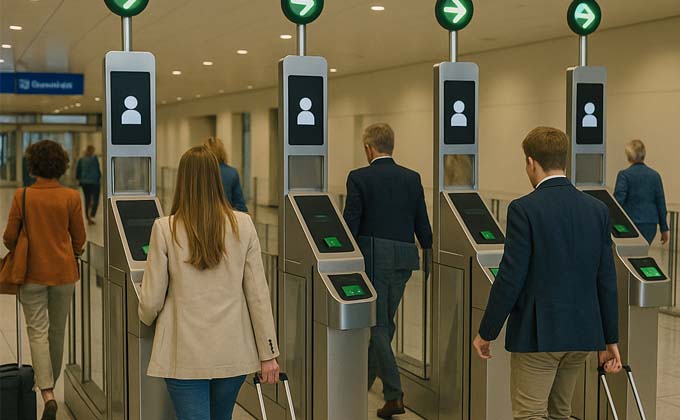
Bosnian airports Sarajevo, Mostar, and Banja Luka will soon introduce their first biometric e-gates for electronic passport control. The project, led by IDDEEA in cooperation with the Border Police of BiH and local airport authorities, aims to speed up border crossings and reduce congestion. Sarajevo Airport will provide the technical requirements, while the procurement and integration of equipment will be handled by the Border Police. In the initial phase, the system will be available to BiH citizens, with plans to later expand to foreign travelers.
The main advantage of e-gates is that passage takes only 15 to 30 seconds, significantly easing the workload of officers who can then focus on more complex security checks. Sarajevo Airport is also considering co-financing the project, as improving passenger flow is seen as a strategic priority. With this initiative, Bosnia and Herzegovina is taking an important step toward European aviation standards, following the examples of Zagreb, Belgrade, and major hubs such as Frankfurt and Amsterdam.
Meanwhile, Dubai has gone a step further by launching its “red carpet” tunnel – a biometric corridor that allows passengers to pass without a passport or boarding card. Powered by AI technology and advanced cameras, this world-first system identifies travelers in just 6 to 14 seconds, with up to ten people able to pass simultaneously. Developed by the UAE’s General Directorate of Residency and Foreigners Affairs in cooperation with Dubai Airports, the tunnel is currently available at Terminal 3.
Although Dubai International is rolling out cutting-edge AI upgrades, its long-term future is limited, as all operations will eventually move to the new Al Maktoum International Airport. Until then, Dubai remains a global leader in futuristic travel solutions that are redefining the passenger experience.