Axis: 3 Benefits and Key Challenges of Video Analytic Overlays
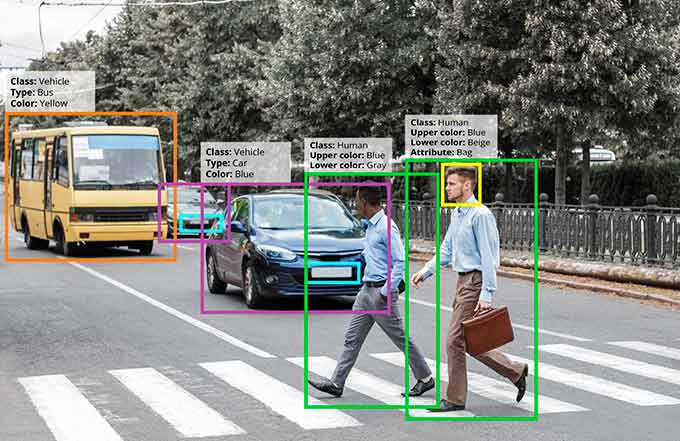
As surveillance technology evolves, video analytic overlays are emerging as a key innovation that is reshaping how security and monitoring systems operate. Overlays superimpose digital information—such as analytics results, system data, or geocoordinates—directly onto live or recorded video, transforming raw footage into actionable insight. By bringing intelligence into the video itself, overlays help operators understand situations faster and respond with greater confidence. At the same time, they introduce challenges, particularly the risk of cluttering the viewing experience. Understanding both the benefits and limitations is essential for effective use.
By: Branislav Nikolić, Sales Engineer, South East Europe, Axis Communications; E-mail: branislav.nikolic@axis.com
Three Benefits of Video Analytic Overlays
Enhanced situational awareness: Overlays present real-time data directly in the video feed, improving an operator’s understanding of what is happening. Examples include displaying vehicle speed from radar data or visually highlighting objects and behaviors of interest. Immediate access to this information enables quicker, more informed decision-making.
Improved operational efficiency: By consolidating analytics and system data into a single view, overlays reduce the need to monitor multiple screens. For instance, thermal overlays can display temperature variations within the video, simplifying anomaly detection. This reduces cognitive load and allows operators to work more efficiently.
Deeper insights: Overlays enhance how analytics outputs—such as heat maps, foot traffic patterns, or predictive indicators—are visualized. These insights support proactive security measures, helping organizations identify trends, anticipate risks, and allocate resources more effectively.
The Main Challenge: Visual Clutter
Despite their advantages, overlays can overwhelm a video feed if too much information is displayed at once. Excessive visual elements risk distracting operators and obscuring critical details, ultimately reducing system effectiveness.
3 Ways to Mitigate Overlay Clutter
Customizable interfaces: Allowing operators to choose which overlays are visible ensures they only see the information relevant to their role or situation.
Dynamic overlays: Context-aware overlays can appear only when specific conditions are met—for example, highlighting vehicle speed only when limits are exceeded—keeping the view clean while emphasizing critical events.
Togglable overlays: AV1-enabled togglable overlays let operators switch between a clear video view and an operational view with analytics such as bounding boxes and text. This applies to both live and recorded footage, preserving evidential value while maintaining usability.
Conclusion
When thoughtfully implemented, video analytic overlays transform surveillance from passive recording into intelligence-driven monitoring, delivering faster responses and greater operational clarity. Their true value lies in presenting the right information at the right time—something features like AV1-supported togglable overlays enable by preserving a clean, actionable view without sacrificing insight.