Experience the power of a complete Axis system. From high-precision imaging to smart analytics – we provide the insight you need for a safer, smarter world.
As the industry leader in network video and intelligent security solutions, Axis Communications drives innovation with technology that improves safety and optimizes business operations. At our booth, we showcase how a truly integrated security ecosystem transforms regional operations – moving beyond isolated devices to unified solutions.
Bridging innovation and regional security needs
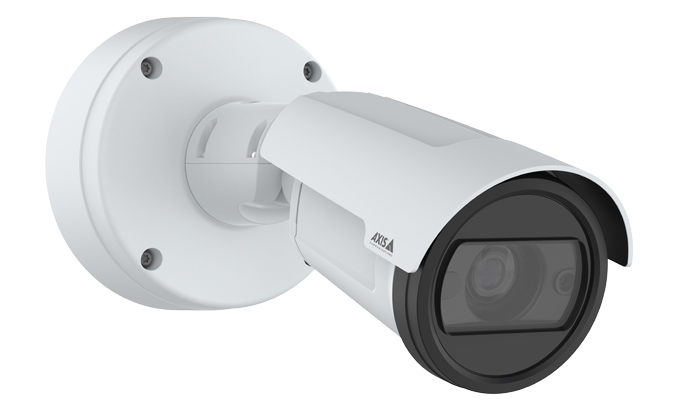
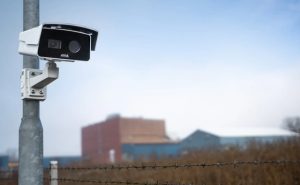
Whether you protect critical infrastructure, smart cities, or commercial perimeters, you need a trusted system. See how solutions like the high-performance AXIS P1486-LE and thermal innovations like the AXIS Q2802-E work seamlessly together. A robust architecture requires video, audio, analytics, and access control to speak the same language.
Smart analytics and edge intelligence
Axis solutions turn raw data into actionable intelligence through AI-driven edge analytics:
Proactive protection: Detect incidents early, even in total darkness or harsh weather.
Fewer false alarms: Use advanced object classification to filter environmental noise.
Actionable insights: Empower your team with crystal-clear forensic detail.
An open, future-proof ecosystem
Built on an open platform philosophy, our systems integrate effortlessly with existing infrastructure and third-party tools, giving regional installers the freedom to design tailored solutions without proprietary lock-in.
Experience the complete Axis ecosystem at our booth. Let’s shape a safer, smarter Adriatic region together!
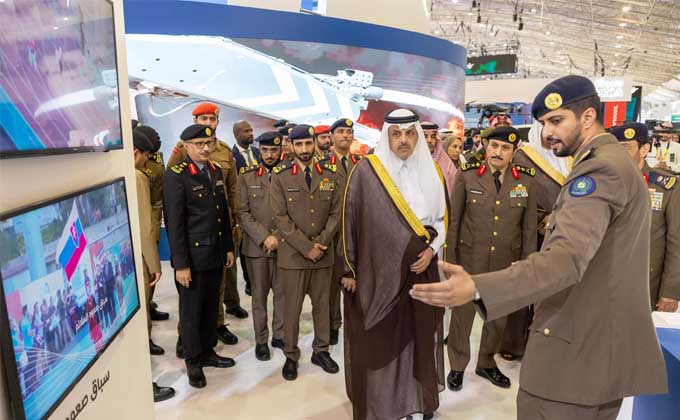
Intersec Saudi Arabia is taking place from 16–18 November 2026 at Riyadh Front Exhibition & Conference Center, with over 25,000 visitors and more than 500 exhibitors expected
The Kingdom’s leading platform for security, safety, and fire protection, returns from 16–18 November 2026 at Riyadh Front Exhibition & Conference Center (RFECC), increasing exhibition space by 40% to meet demand as Saudi Arabia accelerates investment across key industry sectors.
Organised by Messe Frankfurt Saudi Arabia, the 2026 edition is expected to welcome over 25,000 visitors and more than 500 exhibitors, including Bristol, NAFFCO, Axis, Genetic, Saudi Sicli, and Al Alamya, bringing together global suppliers, policymakers, and buyers across commercial and perimeter security, homeland security and policing, fire and rescue, safety and health, and cybersecurity.
This expansion reflects the rapid growth of Saudi Arabia’s fire and security markets, driven by large-scale infrastructure projects including NEOM, Red Sea Global, Qiddiya, and Diriyah Gate, alongside an increasing appetite for a platform that connects advanced technologies and innovation, with talent sourcing, investment opportunities, and international partnerships.
A strategic entry point for global security, safety and fire protection enterprises
The Kingdom’s security market alone is projected to reach USD 3.4 billion by 2030, growing at a CAGR of 9.1%, according to Grand View Horizon research, supported by a surge in demand for integrated physical security, cybersecurity, surveillance, access control, and command-and-control solutions. Furthermore, insights from the market research firm Mobility Foresights indicate that the fire and safety equipment market is projected to grow to USD 7.1 billion by 2032, registering a CAGR of 10.2%.
As Saudi Arabia continues its economic transformation, the tradeshow is positioned as a key gateway for international companies seeking to enter or expand in one of the world’s most dynamic and fast-evolving markets, particularly as public safety upgrades across critical infrastructure services and smart cities have expanded opportunities for private security and technology providers.
Riham Sedik, Exhibition Director, Intersec Saudi Arabia, said: “Intersec Saudi Arabia 2026 marks a defining step in the event’s evolution. The move to Riyadh Front Exhibition & Conference Center allows us to scale the platform in line with market forecasts, elevating the experience and creating stronger avenues for industry stakeholders to engage, collaborate, and do business.
“As the need for advanced security, fire protection, and safety solutions continues to grow, Intersec Saudi Arabia is well placed to support this momentum, bringing international providers together with key public and private sector decision-makers across the Kingdom. As the largest edition in the show’s history, it will play an important role in advancing Saudi Arabia’s transformation agenda and supporting the delivery of the country’s ambitious infrastructure and development pipeline.”
Expert-led conferences to address the future of integrated security and fire protection
Intersec Saudi Arabia 2026 will host two CPD-certified conferences – the Future Security Summit and the Fire Protection & Technology Summit – convening over 110 global experts, policymakers and industry leaders to drive dialogue on protection, resilience and operational continuity.
The programme will explore evolving security and safety challenges across critical infrastructure, including emerging threats, cyber-physical convergence, AI-enabled command and control, crisis response, fire resilience in energy and logistics, and advancements in detection, suppression and integrated protection systems.
“Saudi Arabia is entering a new phase of infrastructure and urban development, and that requires world-class security, fire protection, and resilience systems. Intersec Saudi Arabia is where those solutions meet opportunity,” concluded Sedik.
Intelligent Security and Mobility Solutions – From Edge Intelligence to Unified Operations At the conference, we will showcase our portfolio of integrated security solutions that bring together advanced technologies, artificial intelligence, edge computing and system integration to create safer, smarter and more efficient environments.
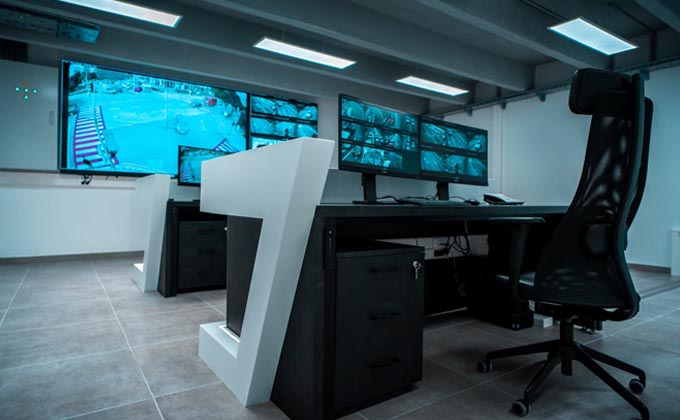
Our integrated security solutions combine access control, intrusion detection, video surveillance and advanced video analytics within a unified, centrally managed environment. By connecting traditionally separate security systems, our customers gain a comprehensive view of security events in real time and can respond faster to potential threats. Integrating video with access control events and alarms enables automated event verification, improved situational awareness and more efficient security operations from large industrial facilities, airports to commercial premises to corporate headquarters.
A key part of our presentation will be AI-powered video analytics, using deep learning algorithms to detect incidents, security threats and other relevant events in real time. Our solutions can operate as standalone systems or be integrated with access control, intrusion detection and other security platforms, providing organizations with proactive protection of people, assets and critical infrastructure.
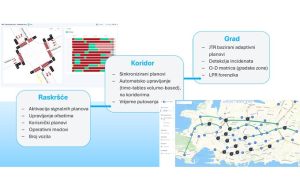
We will also present our Intelligent Transport Systems and advanced Traffic Management solutions, designed for urban environments, highways, tunnels, bridges and other critical transport infrastructure. These solutions combine video surveillance, automatic license plate recognition, traffic sensors, incident detection, traffic management and decision-support capabilities into open and scalable architectures.
Attention will be given to our proprietary FED edge technology, which enables data collection, processing, integration and intelligent decision-making directly at the edge. FED devices are designed for demanding distributed environments, where real-time processing, system resilience and autonomous operation are essential. By reducing dependence on centralized processing, edge intelligence enables faster response times, greater reliability and improved operational safety.
In addition, our Traffic Analytics solutions transform data from road sensors, cameras and moving vehicles into actionable intelligence. By providing insight into traffic flows, congestion, travel times and abnormal events, they support more informed operational decisions and long-term infrastructure planning.
At the conference, we will demonstrate how AI, edge computing, video analytics and open system integration can work together to create a unified technology ecosystem – improving security, mobility, operational efficiency and the resilience of critical infrastructure.
Hytera has appointed Ivana Šotra as Business Development Manager for Serbia, Bosnia and Herzegovina, Montenegro, North Macedonia, and Bulgaria. She brings extensive experience in the telecommunications industry, along with a strong understanding of the market and customer needs, which is expected to further support the company’s business development across the region.
In her new role, Šotra will work closely with partners on day-to-day commercial activities, project development, and identifying new business opportunities. Hytera said her knowledge, energy, and commitment will contribute to strengthening its existing partner network and creating new opportunities across the markets under her responsibility.
At the same time, the regional team will continue to provide support to ensure continuity of cooperation and efficient coordination with partners. Šotra will reach out directly to partners in the coming period to continue ongoing activities and discuss opportunities for future cooperation.
Euralarm has published a new guidance document, Criteria for European Sovereign Cloud, to help manufacturers, service providers, system integrators and end users understand the implications of cloud sovereignty for fire safety and physical security applications. The publication provides a practical framework for assessing when and how European sovereign cloud requirements should be applied, reflecting the growing importance of digital resilience, cybersecurity and regulatory compliance.
As cloud technologies become increasingly central to modern fire safety and security systems, they enable advanced services such as remote diagnostics, alarm transmission, predictive maintenance and sophisticated data analysis. At the same time, organisations operating critical infrastructure and public services are placing greater emphasis on ensuring that sensitive data remains protected from unauthorised foreign access while complying with European legislation.
Euralarm’s new guidance explains that cloud sovereignty extends beyond the physical location of data. It identifies five complementary dimensions that organisations should consider when selecting cloud services: technological sovereignty, operational sovereignty, jurisdictional sovereignty, data residency and legal compliance. Together, these factors determine the extent to which cloud services can operate independently within a European legal and operational framework.
Rather than promoting a single technical solution, the guidance advocates a risk-based approach. It encourages organisations to assess the sensitivity of their applications, the criticality of the services provided and the potential consequences of foreign legal or operational influence before determining the appropriate level of sovereignty required. This enables customers to balance security, resilience, compliance and cost while avoiding unnecessarily complex cloud architectures.
The document also examines issues such as data residency, governance, operational independence, legal jurisdiction and protection against extraterritorial legislation, providing practical considerations for organisations procuring cloud services in increasingly demanding regulatory environments.
The guidance concludes that cloud sovereignty should not be viewed as an absolute objective but as a business and risk management decision. While the strongest sovereignty measures can provide greater protection against legal and operational risks, they also introduce additional costs and complexity. Organisations should therefore select the level of sovereignty that is appropriate for their operational needs and compliance obligations.
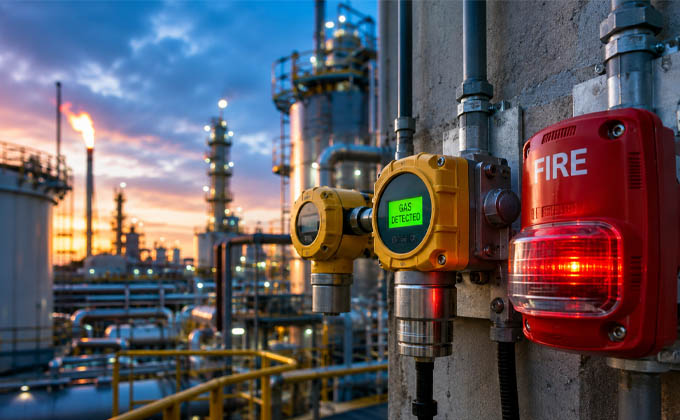
The global fixed fire and gas detection systems market is expected to grow from $7.84 billion in 2026 to $10.86 billion by 2031, representing a compound annual growth rate (CAGR) of 6.7%, according to new research by MarketsandMarkets. Demand is being driven primarily by increased investment in industrial safety, stricter regulatory requirements, and the modernization of facilities across the oil and gas, chemical and petrochemical, power generation, manufacturing, mining, and marine industries. The expansion of LNG infrastructure, hydrogen production and storage facilities, carbon capture and storage (CCS) projects, and growing investment in critical infrastructure protection are providing additional momentum to the market.
According to the research, fire detection systems are expected to retain the largest market share, supported by the increasing deployment of flame, smoke, and heat detectors, as well as video fire detection technologies in demanding industrial environments.
The highest growth rate is expected in the acoustic detection segment, including ultrasonic gas leak detection, which is particularly suitable for offshore platforms, LNG terminals, refineries, petrochemical plants, and hydrogen production facilities. Among the key companies identified by MarketsandMarkets in this market are Honeywell, Siemens, MSA Safety, Dräger, Emerson, ABB, Schneider Electric, Johnson Controls, Carrier Global, and Bosch Building Technologies. Geographically, demand is strong across the major industrial markets of North America, Europe, and Asia Pacific, while other MarketsandMarkets research on gas detection points to particularly strong growth in Asia Pacific, driven by industrialization and investment in energy, LNG, and hydrogen infrastructure.
Meta is facing one of the most significant legal proceedings against social media companies in the United States this week, after 29 states accused the company of deliberately designing Facebook and Instagram in ways that encourage addictive behavior among children and teenagers, while misleading the public about the safety of its platforms. In the federal trial in Oakland, California, Colorado, Kentucky, and New Jersey are presenting the key evidence, with opening statements scheduled for August 18.
Prosecutors argue that features such as infinite scrolling, algorithmic recommendations, and other engagement mechanisms were designed to keep young users on the platforms for as long as possible, while Meta is also accused of collecting children’s data without appropriate parental consent. Based on these allegations, the four states are seeking penalties that could reach as much as $1.4 trillion, an amount nearly equal to Meta’s market value. The company, however, strongly denies the allegations and says it will demonstrate in court its longstanding commitment to the safety of young users.
The outcome of the case could have far-reaching consequences for the technology industry and the future accountability of social media platforms for how they design their products and protect minors, prompting some legal experts to compare the proceedings to the landmark cases against the tobacco industry in the 1990s.
Suprema is a global provider of access control and biometric security solutions, combining AI-based biometrics, access control hardware, mobile credentials, and security management platforms within its portfolio. Founded in 2000, the company has established a presence in more than 140 countries worldwide.
Suprema’s portfolio supports multiple authentication methods, including facial and fingerprint recognition, mobile credentials, QR codes, RFID cards, and PINs, giving organizations flexibility in how they secure facilities and manage physical access.
One of the key focuses of the company’s current portfolio is identity-first access control powered by artificial intelligence. BioStation 3 Max, launched in 2026, is Suprema’s flagship AI-powered biometric terminal. Designed for busy lobbies and mission-critical access points, the device combines facial and fingerprint biometric authentication with RFID, mobile and QR credentials, as well as PINs, in a terminal with a 7-inch touchscreen. Depending on the model, it supports features such as PoE+, VoIP intercom, and secure boot, together with a secure element certified to Common Criteria EAL6+. The terminal is designed for enterprise environments that require multi-factor authentication and support for a broad range of credentials directly at the access point.
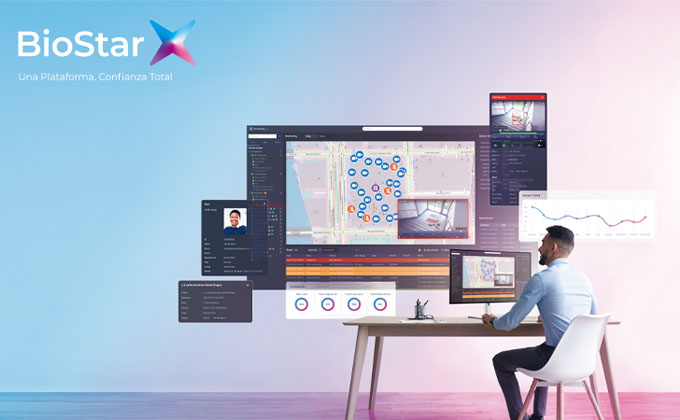
Suprema also offers security management platforms tailored to different deployment models. BioStar X is the company’s unified security platform, combining biometric access control with integrated monitoring and an enterprise-ready architecture designed for scalability, high availability, and compliance.
For cloud-first environments, Suprema offers BioStar Air, a cloud-native access control platform. It is designed to reduce the need for local infrastructure and enables organizations to manage biometric, mobile, and RFID access across multiple locations. The platform supports both direct-to-cloud deployment and hybrid edge architecture, providing deployment options ranging from straightforward installations to more complex systems and retrofit environments.
By combining biometric authentication, flexible credential technologies, and cloud- and enterprise-based access control platforms, Suprema provides customers with a comprehensive approach to physical security. Its portfolio is designed for deployment across a wide range of environments while addressing the evolving requirements of modern access control systems.
Johnson Controls has completed the sale of its ADT Spain business to Norwegian company Sector Alarm for net proceeds of $98 million, according to Memoori. The transaction was completed on April 1, 2026, and Johnson Controls confirmed it in its third-quarter report filed at the end of July. With the acquisition of ADT Spain, Sector Alarm has further strengthened its position in one of Europe’s most competitive alarm markets, where it now ranks third behind Verisure and Movistar Prosegur Alarmas. Founded in Norway in 1995, Sector Alarm operates across Europe and provides alarm solutions to more than 730,000 residential and business customers.
The Spanish sale continues Johnson Controls’ withdrawal from its international alarm monitoring operations, which began in 2023 and has already included businesses in Australia and New Zealand, Mexico, as well as its UK residential portfolio. According to Memoori’s analysis, this series of transactions points to a broader restructuring of the company’s security portfolio and a greater focus on other strategic areas of its business. Memoori also refers to earlier reports that Johnson Controls is considering the potential divestment of its access control and intrusion detection businesses, although no such transaction has yet been confirmed.
For Sector Alarm, whose expansion strategy is backed by investment firm KKR, the acquisition of ADT Spain represents another step in strengthening its presence in the European alarm and monitoring services market.
This year, DSV proudly celebrated 50 years of connecting people, businesses and markets around the world. From a small group of Danish hauliers founded in 1976 to becoming one of the world’s leading transport and logistics companies, DSV has built its success on innovation, customer focus and a continuously expanding global network. Today, with more than 150,000 employees operating in over 90 countries, DSV delivers integrated transport and logistics solutions that keep global supply chains moving.
As part of this global network, DSV Croatia combines international reach with strong local expertise to provide reliable, efficient and tailored logistics solutions. Strategically positioned at the crossroads of Central and Southeast Europe, Croatia plays an important role in connecting regional and international markets. With offices across the country and direct access to key European transport corridors, Adriatic ports and international airports, DSV Croatia provides seamless road, air and sea freight services, customs clearance, warehousing and value-added logistics solutions.
Beyond transportation, DSV Croatia supports customers with integrated supply chain services designed to improve efficiency, flexibility and resilience. From contract logistics and warehousing to customs brokerage and project logistics, the company works closely with customers to develop solutions that address increasingly complex supply chain requirements. Whether supporting daily distribution or large-scale international projects, DSV acts as a long-term logistics partner focused on creating value throughout the entire supply chain.
One of DSV Croatia’s key strengths is its extensive road transport network, providing full truckload (FTL), less-than-truckload (LTL) and groupage services throughout Croatia and across Europe. Through scheduled departures, a highly connected European network and efficient terminal operations, groupage enables customers to transport smaller shipments with the same reliability, visibility and flexibility as full truckloads – offering a cost-effective solution without compromising service quality. Combined with DSV’s global air and sea freight capabilities, this integrated network provides customers with seamless multimodal transport solutions that connect Croatia with destinations across Europe and the rest of the world.
Following the successful integration of DSV and Schenker, DSV Croatia has further strengthened its market position by expanding its operational capabilities, infrastructure and service portfolio. Customers now benefit from one of Europe’s most comprehensive transport and logistics networks, combining enhanced road connectivity with strengthened air, sea and contract logistics capabilities. The integration enables DSV to deliver even greater flexibility, scalability and supply chain resilience while maintaining a strong local presence supported by global expertise.
Digitalisation is at the core of DSV’s operations. Through advanced digital platforms, including myDSV, customers can easily book shipments, monitor cargo in real time, access shipment documentation and gain greater visibility across their supply chains. Combined with data-driven insights and experienced logistics specialists, these digital solutions help businesses optimise logistics processes, improve transparency and make faster, more informed decisions.
As supply chains become increasingly complex, businesses require logistics partners capable of delivering secure, reliable and flexible solutions. From transporting high-value equipment and sensitive technology to managing international projects and time-critical shipments, DSV Croatia combines global standards with local expertise to ensure seamless, secure and efficient logistics operations. Regardless of the industry or shipment complexity, customers can rely on DSV’s global network, operational excellence and commitment to delivering consistent service quality.
Sustainability is also becoming an increasingly important part of supply chain management. DSV is committed to supporting customers on their decarbonisation journey by improving transport efficiency, optimising networks and developing more sustainable logistics solutions. Through continuous investment in digitalisation, innovation and operational excellence, DSV helps businesses build supply chains that are not only efficient and resilient, but also prepared for the future.
As supply chains continue to evolve, DSV remains committed to helping businesses grow through innovation, operational excellence and customer-focused logistics solutions. Backed by five decades of experience and one of the world’s strongest logistics networks, DSV Croatia continues to connect local businesses with Europe and the world—delivering reliable logistics that drive long-term success.