Home a&s Adria Talks Archive by category Interviews (Page 2)

Interviews

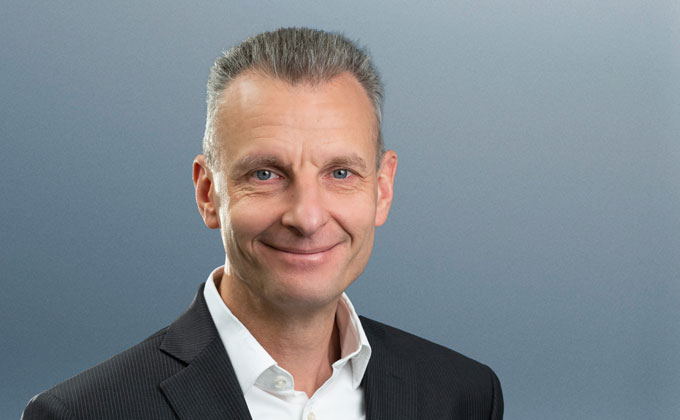
Interview: Jens Holzhammer, Managing Director EMEA, Panduit

The development of AI-focused data centers over the last few years has been a key factor in our success. Our work spans all elements necessary to keep a data center neat, organized, and fully connected. The rapid growth in bandwidth demands for AI has driven many fiber installations and the evolution of fiber connectivity. Currently, our main focus is on fiber and power solutions to meet these evolving needs.

By: Damir Muharemovic; E-mail: editorial@asadria.com

a&s Adria: Mr. Holzhammer, can you please present yourself for a start? How did you end up in a network company?
Holzhammer: I have been with Panduit in this role as the head of the EMEA commercial organization of Panduit for pretty much exactly a year now. So, still wet and green behind the ears, still learning the ropes of how the company operates and the markets we are operating in. I have a high-tech background, with experience as a regional sales or commercial leader, in a career that spans pretty much 30 years now. I started my career in electronic test and measurement, mainly centered around the wireless communication network, mobile, and satellite communication. Then moved on to another testing measurement company that was more centered around the wire line type of networks. Stayed in infrastructure or moved over to the infrastructure side then later on, still more on the wireless networks front, antennas, cables and so on. And then eventually, ended up in industrial automation communications. That was the journey before I joined Panduit and then ventured into communications infrastructure again, but more on the networking side of things.

a&s Adria: So, your current role—what does it actually involve?

Holzhammer: Well, my role is to lead the commercial organization, which covers everything from the front end to the back end, including marketing, sales operations, finance, and some other operational areas. I work closely with all other functions within EMEA. Since we’re an American company, we operate in a matrix setup, but of course there’s also interaction with manufacturing and logistics. Essentially, my job is to orchestrate the entire ecosystem to address the markets, satisfy our customers, attract new ones, and deliver the best possible products and solutions from our portfolio.

a&s Adria: Looking at the evolution of networking and industrial infrastructure, where is Panduit placing its emphasis today? Which sectors and technologies are currently driving the company’s growth?”

Holzhammer: Panduit has 70 years of history in mechanical and physical infrastructure equipment—equipment that helps install, protect, and maintain physical infrastructure on the electrical industrial side, as well as in data communications, whether in enterprise environments or data centers.

In recent years, data centers have been the main driver behind the company’s growth. You could say that in a data center environment, we handle everything except the active equipment: from cabinets to cable management, connectivity within the cabinets, and even cooperating with cooling companies to provide a full one-stop solution. The development of AI-focused data centers over the last few years has been a key factor in our success.

Our work spans all elements necessary to keep a data center neat, organized, and fully connected. The rapid growth in bandwidth demands for AI has driven many fiber installations and the evolution of fiber connectivity—8, 12, 16 fibers, and so on. Currently, our main focus is on fiber and power solutions to meet these evolving needs.

We’ve also seen tremendous expansion in industrial and, particularly, electrical environments, as electricity is becoming increasingly critical for a wide range of applications. You just have to look at the energy transition from fossil fuels to more sustainable, renewable energy systems. Many of these installations require robust solutions, and that has been another key driver, especially in Europe, where we lead in these applications, but also in the US.

There’s also a connection between data centers and the electrical side of the business, because power-hungry applications—servers, GPUs, and AI racks—consume massive amounts of energy. In some cases, a single rack can draw up to one megawatt of power, which requires significant upgrades on the gray space side. Here, Panduit provides innovative solutions to help data center providers and hyperscalers achieve quick, easy, and reliable installations.

So, to sum up, data centers and electrical applications are the two main drivers for us. We are also active in other fields, such as enterprise networks and smart buildings, but now we are increasingly focusing on enterprise AI applications. Panduit is a premium player, and we are not competing in tier-two or tier-three markets.

a&s Adria: What about the markets, which one are currently driving Panduit’s growth the most?

Holzhammer: At the moment, the U.S. is mainly driven by the major tech companies—the “seven sisters” of high tech, like Microsoft, Oracle, Google, Meta, Amazon, and AWS. All of them are our customers.

We’re also entering other segments. Pharmaceuticals is one area, and banking is a big focus for us—always with a touch of data center or enterprise connectivity. Essentially, we operate wherever quality and reliability matter, particularly in high-density data center markets. One banking customer recently told us, “We only work with the top three players in this industry, and Panduit is one of them.” I think that says it all.

We’re also expanding into industrial communications, which is becoming increasingly networked and integrated. With the OT-IT convergence, there’s a spillover from both sides, and that’s an area where we can play a role. In these harsh environments, you need reliable, protected connections and electricity—and that’s exactly where Panduit delivers.

a&s Adria: The European market?

Holzhammer: Our biggest challenge is also our opportunity. The evolving data center and electrification markets offer many possibilities, but focus is key. In Western Europe, our main focus is on the UK and Germany. In Spain, we concentrate on electrical infrastructure for solar and wind farms. The Nordics are becoming increasingly important for data centers, thanks to green energy availability, especially in Norway and Finland. In Eastern Europe, we see opportunities in Poland, the Czech Republic, and other areas covered by EGAL. Individually, these markets may be small, but together they are significant.

a&s Adria: What about the Middle East?

Holzhammer: Thank you for the question. For us in the EMEA region—the Middle East is one of our key growth markets, probably with the highest growth potential. This is not only because many of these countries have a higher average GDP, but also because significant investments are going into infrastructure, especially data centers.

We have an established footprint in the UAE, with a setup in Dubai and a team that we continue to invest in. We are also building a customer briefing center in Dubai, which is underway as we speak. In the UAE, we are well-covered, holding a significant market share. We have strong relationships with end customers, system integrators, and local partners, creating an ecosystem that we have a firm handle on. Of course, there is always room for growth, but the current setup is stable, and the market continues to expand. Our goal is to replicate this model in Saudi Arabia, which represents an even larger market than the UAE. We’re investing in that country, building up an organization there, and focusing on people and partnerships. We also have an office in Qatar.

a&s Adria: The Stargate project, which everyone is talking about right now, involves Oracle, G42, and other companies joining forces to build a massive data center hub. Could you tell us more about it?

Holzhammer: Yes, the Stargate project in Abu Dhabi is an enormous initiative. In its final stage, the data center hub is expected to consume around two and a half to three gigawatts of power. It essentially replicates a similar installation in the U.S., in Texas, and there’s already another large data center that has been implemented as well.

Several major high-tech players are investing heavily in the project, including Microsoft, Oracle, and Amazon. Panduit is also involved in the Stargate project, with established connections and an active role in the implementation.

It’s a highly complex project, involving multiple existing customers and a range of contributions—from system integration and hardware to software and operations.

Besides data centers and electrical infrastructure, we are involved in hospitals and hospitality, working on large projects in the health sector as well as in hotels and resorts. Other drivers include major sporting events, like the upcoming World Cup in Saudi Arabia, as well as the Olympics and Asian Games. There is a strong push to develop infrastructure for stadiums and related facilities, all aligned with the Saudi 2030 vision. It’s truly impressive—these projects are expected to be even bigger than what has been built in Dubai over the years, or in Qatar.

a&s Adria: Could you highlight the latest trends and technological solutions in data center infrastructure, and tell us about Panduit’s latest innovations in power distribution?

Holzhammer: Certainly. The industry focus today is on energy efficiency along with power distribution in high-demand environments, currently reaching up to 600 kW per cabinet, and the need to redefine infrastructure in networking and industrial applications. Key trends we see include edge computing, intelligent Power Distribution Units (iPDUs), and containerized data centers.

For instance, Panduit’s new EL2P iPDU (Elevate to Power) simplifies installation while providing precise energy metering (±0.5%), 4-in-1 outlets, hot-swappable modules, dual 1Gb Ethernet with daisy-chain capability, high-temperature support up to 60°C, and advanced cybersecurity features. It also integrates with Cisco Nexus Dashboard for energy insights without additional hardware. This iPDU will also have an EL2S version and a higher-capacity model up to 100 A, planned for 2026, which highlights our commitment to innovation and scalable power solutions for modern data centers.

a&s Adria: What innovations are you introducing in cabling infrastructure?

Holzhammer: With growing energy demand, grid limitations, and rising electricity costs, fundamental changes in power distribution are needed. Panduit is developing next-generation Cat6 cables with extended reach up to 150 meters—compared to the 100-meter limit of current Ethernet cables—capable of delivering 90 W power and PoE data. This expands the covered space from 31,400 m² to 70,600 m², impacting multiple industries while maintaining premium quality.

We also introduced RapidID technology, which uses factory-embedded labels to simplify cable documentation. It allows for quick verification, tracing, and up to 50% faster installations, while reducing errors and enhancing cybersecurity by providing full visibility of all active connections. We cannot protect what we cannot see.

a&s Adria: Panduit recently introduced the world’s first UL-certified Class 4 power system. What makes your Fault Managed Power System (FMPS) innovative, and how does it meet modern infrastructure needs?

Holzhammer: Panduit’s FMPS is groundbreaking because it combines low-voltage safety with high-power delivery over long distances, and it’s the world’s first Class 4 system certified under UL 1400-1 and IEC/UL 62368-1. In today’s IoT, smart building, and digital transformation era, efficient and secure power is critical. FMPS delivers up to 600 W per pair over 2 km with over 97% efficiency, supports hot-swappable modules, and reduces installation costs by up to 60%. It uses pulsed power technology, monitoring every pulse to stop power within 2 ms if a fault occurs, greatly lowering fire or shock risks. Remote monitoring allows technicians to manage systems without on-site intervention. This architecture is more efficient because future buildings will use DC power. Fault Managed Power enables direct energy distribution, and even data centers will start adopting it. Tests for 2 kW delivery are already underway, generating strong interest.

a&sAdria: Cybersecurity has become a critical concern for networks today. How has the importance of security evolved over time, particularly in industrial and operational networks, and what role does Panduit play in addressing these challenges?

Holzhammer: When it comes to communication, cybersecurity — especially the security aspects within networks — is one of the most important, overarching topics today. In my prior role in industrial automation, historically, security was not given the attention it deserved. Machines were simply connected, and few considered the impact of a security breach. As a result, these operational networks were—and in some cases still are—more vulnerable than enterprise networks. Over recent years, we have seen numerous incidents where attackers focused on OT (operational technology) networks, rather than traditional IT systems, and whose impact went far beyond just data theft: operational disruption, downtime, and more. Hackers often exploit OT networks, but internal threats are equally worrying. For example, someone could unintentionally plug in a virus‑infected USB stick on a factory floor device. These kinds of risks underline that cyber threats in industrial environments are very real.

At Panduit, our primary business is the physical infrastructure — hardware for data and power connectivity. While cybersecurity isn’t our only focus, we take it seriously. Some of our devices are network‑connected, and we implement protective measures to guard them against intrusion. Panduit’s cybersecurity strategy is built on three core pillars: Physical protection — this is our first line of defense: controlling access, securing ports, and physically protecting critical infrastructure; Network infrastructure visibility — we place sensors in our cabinets, enabling administrators to see in real time who is attempting access; Business continuity planning — a well-defined strategy, including processes and technologies, helps us restore systems rapidly after any major incident.

Taken together, these three pillars help Panduit not just to deliver robust physical infrastructure, but also to provide a resilient and secure foundation for modern IT and OT systems.

ASSA ABLOY Interview: Why Native Integration of Wireless Locks Matters

Four key industry figures discuss how native integration of wireless access technologies helps organizations make the building experience truly seamless

Most organizations already recognize the importance of connecting access with security systems like alarms and CCTV, as well as HVAC and a growing range of business software packages. To connect systems even further, security managers need complete, convenient, digital control over as many openings as possible – not just doors – rather than run digital and mechanical access management in parallel. The most effective and cost-efficient way to extend their reach and oversight is with digital locks integrated with their system. In this roundtable Q&A, Walter Sackl from ASSA ABLOY discusses with representatives from Nedap, Honeywell and Motorola some key issues around integration of the latest digital access technologies like Aperio wireless locks.

Walter Sackl, Partnership Manager DAS at ASSA ABLOY Opening Solutions EMEIA: How do you see the importance of wireless lock integration, both for you as an OEM and for your customers?

 Jeroen van Os, Commercial Integration Manager at Nedap: It is always important to see things from the customer perspective: what is the benefit for them? We have integrated Aperio in two ways, both Wireless Online and the OSS offline version. Nedap was one of the first adopters of the OSS standard several years ago because we believe in open standards. This gives customers the opportunity to have mixed use of both formats. The Aperio E100 Escutcheon is the most popular door device in ASSA ABLOY’s offering.

Frédéric Haegeman, Director Access Control International at Motorola: Wireless locks are more and more enquired about by our system integrators and end-users. They give huge flexibility to the customer from a scalability and modularity point of view, meaning they can mix and match. Online integration provides real-time security. The ASSA ABLOY Aperio portfolio of locks in combination with our software allows the end-user to achieve that.

Servaas Kamerling, Offering Lead at Honeywell Security and Access Solutions Europe: The security industry is so expansive that multiple systems are often required.  What’s most important for customers using many, diverse platforms is that wherever a notification comes from – an alarm, a tamper detector, or another device – each one arrives and can be managed by the security operator in the same manner. With this integration, they don’t have to learn ten different systems to help drive building efficiency with all systems working together.

Q (WS): In which sectors is there especially strong demand for wireless lock integrations?

FH, Motorola: Where we see high attraction is in education, commercial real estate, and local government.

SK, Honeywell: We have seen wireless locks have the greatest success in applications like educational campus buildings, particularly student accommodation, and office spaces where interior doors can be seamlessly integrated into our LenelS2 access control platform. In hybrid access control systems, readers are often used at the perimeter or department entries, and locks are used deeper in the facilities for individual offices. Wireless installations are typically more cost effective when simply replacing mechanical locks with electronic locks.

JvO, Nedap: Education and healthcare, especially in Belgium – plus aviation at Schiphol Airport. It’s very beneficial in these environments that customers do not have to run cables to so many rooms. It saves costs. With Wireless Online they can also open doors remotely. It’s one example of a great fit between Nedap and ASSA ABLOY products.

Q (WS): Looking forward, how important do you see mobile access?

SK, Honeywell: Customers are always looking for the most convenient solution and it is hard to argue against the convenience of a plastic access card so it is unlikely that these will disappear completely. However, plastic is not the most environmentally friendly option and can be forgotten or misplaced. People rarely forget their mobile phone. In the end, it is the customer’s choice. The adoption of mobile credentials will grow quickly, but I think there will be a range of options to choose from for a long time to come, which also includes biometrics.

FH, Motorola: Mobile access comes with a conflict: what is the customer’s willingness to pay for it? People really want it, but this issue remains. It is an indisputable technology trend that cannot be ignored for the simple reason that younger generations see the mobile phone as an extension of their arm. They want to do everything on the handset. For them, the digital wallet is more important than a physical wallet. This technology needs to be part of the default offering, but that will take some time. However, even regions where adoption has so far lagged, will quickly catch up.

JvO, Nedap: We really see a breakthrough, especially now ‘big tech’ like Apple and Google are focusing on mobile access. This pushes the market towards mobile. It is a major focus of the Nedap access portfolio with better integrations in the mobile space. Wallet badge is a big priority for us. Our solutions like AEOS are mostly used in complex companies, with many sites, many users, different types of user: critical infrastructure, the finance sector, and in Poland especially the fast-growing real estate sector.

A seamless building benefits everyone, users and facilities managers alike. With streamlined interactions which start at the front entrance and continue through the site, workflows become more efficient and every stakeholder enjoys greater peace of mind.

Q (WS): Coming in more detail to the integration of ASSA ABLOY’s AperioÒ wireless locking technology: this was developed by design to integrate natively into large OEM systems, rather than just as an ‘add-on’. How does Aperio integration compare to other products? Are there important differentiators?

JvO, Nedap: We hear good feedback from our channels. They see the differences in the integration between Aperio and some other manufacturers when it is implemented in their projects. Documentation is very clear. Customers don’t want hassle when they are integrating. They want to get on with their project. Something to highlight is the broad range of Aperio devices, from escutcheons to handles, cylinders, and locks.

FH, Motorola: This is a leading technology for the smart building environment. Aperio offers the flexibility to integrate, plus security, quality and aesthetics. This wireless lock enables customers to implement real-time security; it allows them to scale up, going into the hundreds of doors rather than just tens. For me, Aperio is an extension of a total access solution, an edge device. The question is – from a strategic, long-term view – how smart can you make your edge device to give even more benefits to the building user?

Q (WS): What are the most important challenges for security management in coming years?

SK, Honeywell: Building managers want to ensure everyone who visits has the best experience possible. Safe, secure, efficient buildings should make it easy to book spaces and visit people. Accessing and using a building ought to provide a frictionless experience, open and welcoming but at the same time providing the security and safety that people expect. This balance is going to be more important than it was in the past. These are interesting times for our industry.

FH, Motorola: Probably whoever has the right answer will win the million-dollar prize! The future lies where smart building infrastructure makes a seamless bridge to user experience – from a technology point of view, the user’s interaction with a building in terms of storing goods in a locker, parking a vehicle, inviting visitors, booking meetings, visiting the food court and so on. These kinds of interaction which today require multiple technologies or systems, all driven from the mobile, which is where the answer lies for a truly smart building.

JvO, Nedap: Friction is the most important challenge for the user. We are all accustomed to the most intuitive interface, on our phone. So, if a user trying to open a door has to think about the fact that two platforms are interacting, they don’t accept that anymore. We need to focus on what those in the field actually experience, not just the technical side. This is an issue for the whole security market. We are very technically focused and can all lean more on user experience. We need frictionless access. In addition, cyber threats are getting more important. An integration must not be the point of failure; it must be cyber secure because it becomes part of our platform.

SK, Honeywell: Cyber security is extremely important. You only need to glance at the news to realise how critical it is that we ensure protection of data, protection of networks, protection of a system’s integrity. Standards are really important, from the EU and beyond, including ISO 27000, NIS2 and CRA. It can take effort for customers to stay abreast of rapid developments in regulatory compliance and requirements. It is up to us as manufacturers to provide help and support where required.

WS, ASSA ABLOY: In meeting the many security challenges of the future, we continue to champion the benefits of native integration. Native integration between digital devices and an access solution ensures security teams have more control, extend their reach, without adding to an already busy workload. It does this by fully integrating new locks with the single system database. Administrators update one interface, one database, once. There is no more running systems in parallel or duplicating tasks. This is one of the advantages of Aperio wireless locks. In addition, when an OEM integrates Aperio with their system, all future Aperio products are already integrated. These are just two reasons why Aperio continues to win so many industry awards, from Intersec, Detektor and this year being named BW’s Most Innovative Security Product of the Year. With ASSA ABLOY’s broad experience in digital access, and specifically its integration expertise, our OEM partners can help their customers digitalize with confidence.


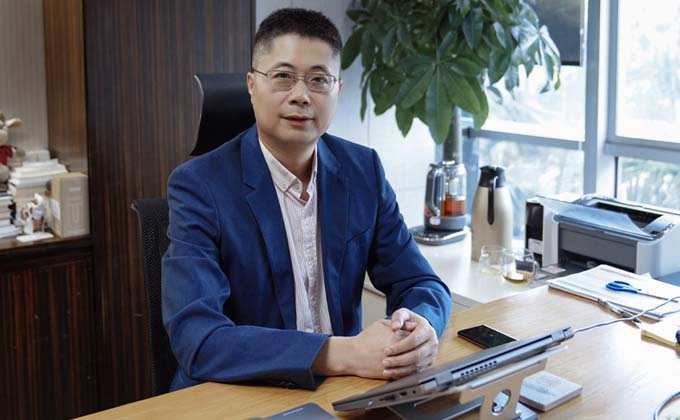
Interview: Yelin Jiang, CEO of Hytera Communications

By: Damir Muharemovic

E-mail: editorial@asadria.com

a&s Adria: Could you briefly introduce yourself, focusing on your current role and professional background?

Jiang: I am Yelin Jiang, CEO of Hytera Communications. I have 15 years of technical experience in telecommunications. I joined Hytera in 2010, as the Head of Product Development. Since 2021, I work as a CEO. Over the past four years, I am pleased with the company’s transformation – Hytera is now more process-driven, better organized, and equipped with cutting-edge technology and innovative solutions. Additionally, our sales team has grown significantly stronger and more active in the global market.

a&s Adria: At the recent Hytera Global Partner Summit in Croatia, you mentioned that the company has successfully navigated major challenges such as the pandemic, political tensions, and global supply chain disruptions, while also expanding its presence in the European market. Could you elaborate on how Hytera managed to overcome these obstacles and what specific strategies or factors contributed to gaining a stronger market share in Europe?

Jiang: Hytera has operated in Europe for over 20 years. When China and Europe had a good relationship, the atmosphere for business was completely different. And so, we did a lot of acquisitions in Europe. We acquired Rohde & Schwarz‘sTETRA business in 2012, now it is restructured as HMF. Later on, we acquired Sepura and Teltronic. Our DMR and analog radio channel business also grew steadily.

However, geopolitical shifts raised uncertainty about Chinese technology – particularly whether the Chinese telecommunication and radio communication technologies are safe or secure. Of course, all these concerns were created by politicians, they are not true. But, this made it a bit difficult for us to continue doing business on a higher level, like governments, public safety, and some key infrastructure businesses.

So, we modified our strategy in Europe. We were more focused on the commercial market. And we left this kind of government-related business to HMF, Sepura, and Teltronic. Then Hytera focused on commercial markets and channel business in Europe. We reinvested a lot in channel business and opened a new office in Pulheim of Germany, where we have a new facility, a warehouse, and a new team to support the European customers, especially after Brexit. So, in this way, Hytera was adapted to the new business environment.

Then came the pandemic, which created lockdowns and a lot of delays in delivery. But the good thing is, for Hytera, we have a very strong R&D team. The Chinese engineers are very diligent, they worked very hard. We made retrofit replacements of obsolete components in a very short time. This strong R&D effort helped us a lot, our business grew very quickly during the pandemic period.

Today, we nearly doubled our channel business compared to five years ago. In the past three years, we also made around 19% growth. I think the first reason behind this is Hytera has a very strong R&D team that helps Hytera continuously supply the market. The second, we enhanced our investment in Europe, we provided better delivery, better service and better marketing positioning in the market.

And the third thing is our continuous investment and sustainable commitment to the market. Our partners see our investments and our good products. So, putting all these things together – we gain more and more trust from customers. More and more partners who used to work with our competitors now want to talk to us, join us and develop the business together.


a&s Adria: What signal did you want to send to your customers and partners by organizing the first European Hytera Summit?

Jiang: Firstly, we wanted to reaffirm our commitment to European markets, Hytera is investing and growing here. We are confident in our ability to grow, and we look forward to growing together with our partners and customers. Secondly, we wanted to take this opportunity to showcase our innovative products and solutions, enabling a better understanding of Hytera technologies for our partners – then they can learn something new and reach out to us for future collaboration. Lastly, and this is important – we particularly chose to hold this event in Croatia. We believe we have a good opportunity to continue growing – not only in the channel business but also in public safety and other major verticals. We wanted to send a message to our customers and partners in this region that we are committed to further investment and collaboration here.


a&s Adria: I presume, you plan to increase the number of local people in Europe as well?

Jiang: People are important; so is experience. We need talent experienced in high-end solutions, government processes, and public safety requirements – not just channel operations.

 a&s Adria: How do you balance between developed and emerging markets? And local or regional regulations, like the GDPR?

Jiang: You are right. There are two kinds of markets. For the developed markets, we are more willing to listen to the customers, to understand their demand, delivering the best solution which can fit their needs. We can even make adaptations to those markets – like in Europe, where you need GDPR compliance and follow some other regulations. Because the customers are already experienced with the business, they already have a lot of ideas, and they just don’t know who can help them to implement the projects.

As for the emerging markets, it’s a bit different, because the society, the government, customers, police, utilities – are not so efficient and well-organized. They need not only technology, but also the ideas behind the technology – how to properly use the technology. We need to make use of the experience we get from developed markets, sharing the experience with the customers in emerging markets, telling them why they need a certain technology or product, and how they can put the technology in place to improve their efficiency and daily operations, proving that it’s a different idea and concept. So, in the emerging markets, sometimes we need to do coaching, from technical solution design to tendering and implementation. And afterwards, we still need to train the customers how to utilize the products. So it’s a different route comparing with the methodology we used for developed markets, but it’s very interesting.

a&s Adria: What unique strengths or capabilities distinguish you in the market?

Jiang: We believe we have some unique advantages comparing with our competitors. First of all, we are a Chinese company, we are much more flexible in terms of product development and customization. We can adapt our product solutions to fit customer’s needs.

Secondly, we focus on TETRA and DMR technologies, while our competitors may treat these technologies as outdated and not worthy for further investment. We offer a comprehensive product portfolio, and we bring new products to the market that excites our customers and partners every year, which helps energize the industry. Thirdly, the telecommunications and IT industries in China are booming. Backed by robust supply chains and advanced technology, Chinese companies are very agile. This story also applies to Hytera’s fast evolution in broadband. We can access broadband technologies and components rapidly, enabling a greater competitiveness on us over the U.S. and Europe companies.

a&s Adria: Could you walk us through the Hytera core technologies and key products? What are Hytera’s flagship products, and in which industries or vertical markets are they most widely used?

Jiang: Hytera has been serving worldwide users from Public Safety, Oil and Gas, Mining, Utilities and Transportation industries over three decades with its innovative portfolio of Two-way Radios, PMR-LTE Convergent Communications, Fast Deployment Communications, Body-worn Camera and Control Room.

a&s Adria: Hytera has introduced an impressive number of new products over the past couple of years, spanning both narrowband and broadband segments. Could you walk us through the most significant innovations across these areas – from PoC and TETRA solutions to your latest broadband devices, Body-worn cameras, and private 5G infrastructure?

Jiang: Yes, we have launched 71 new products in the last three years, of which 33 are from the narrowband and 38 are from the broadband, confirming our position as a technology leader in the PMR industry. In the retail sector, Hytera has successfully entered this previously unexplored niche market with new S1 units – including S1 Mini, S1, and S1 Pro. PoC (Push-to-Talk over Cellular) solutions gained new growing momentum with the launch of P50, this new entry-level model has an exceptional positive feedback in the market.

In terms of TETRA, we released a number of outstanding models including PT590, a high-end model for public safety users, and the intrinsically safe two-way radio PT890Ex for Oil & Gas users. While in digital systems, the new generation of DMR Cube base station DS-6250S has been recorded installation of more than 4000BTS by the delivery of Chinese Emergency Response project, which is riding the tide of establishing nationwide PPDR network in China.

Epack ad-hoc repeater solution, which is designed for fire and rescue services, land border and sea border protection, got significant improvement in capacity in its latest version. Hytera presented the latest AI-powered 5G cameras SC880 and GC550 further expanding the portfolio of Body-worn Camera, which represents part of Hytera’s strategic expansion into the surveillance market.

Broadband communications are experiencing strong growth from device to system, sales of PNC4, PNC5, PNC6 series and PDC series are increasing; tens of thousands of base stations are being delivered to China and overseas markets, making Hytera as one of the key Chinese suppliers for broadband base stations. Additionally, Hytera is developing its own private 5G systems utilizing its third generation of broadband technology. Finally, we have announced the advanced Hytera Secure Efficient Intelligent System (HySEIS) platform – a multimedia laboratory based on artificial intelligence that integrates security, communications, energy, LBS, and management functions for the needs of different verticals.

 a&s Adria: Can you give me an example of the implementation of AI in your products?

Jiang: When we talk about AI, we will focus on two areas. On one hand, how we can use AI technology to ensure our products and solutions can help our customers with their daily operations in different verticals like public safety, utilities, or manufacturing. On the other hand, how to utilize AI to improve our internal efficiency, which means using AI for things like product design, coding, internal processes, and testing. This is what we are doing so far.

a&s Adria: Which technology do you believe will be the most important for high-tier customers in the near future?

Jiang: One is the sort of narrowband technology, like today’s DMR or TETRA. This will continue for the next 10 years at least. It is a technology we cannot overlook. We will continue to enhance, innovate and upgrade the technology. Another is broadband-related technologies like PoC, Body-worn cameras, and associated applications. This is really important. If broadband technology is not well built up, then there’s no base for AI and such new things to be built on top. So, it is very important to continue promoting broadband-related technology to customers and to the market, and to polish and continuously innovate to ensure we have the best products and best solutions for the market.

a&s Adria: And where do you see Hytera in terms of that technology development and market penetration?

Jiang: I’m very confident that in the next three to five years we will maintain our growing momentum. We see opportunities, we gain attention, trust, and cooperation all over the world. And I am also confident in our current product and technology strategy. We are on the right track with narrowband and broadband convergence, and we cover end-to-end solutions from terminal to infrastructure to application and command & control. Also, we are adding new technologies like AI to our industry.

We believe that keeping today’s product portfolio – narrowband and broadband convergence solutions in hand – together with more AI-related technologies in the next two or three years, it will help not only Hytera to provide more sophisticated application solutions to the market, but also boost the PMR industry, because our customers really need software, hardware, and solutions to facilitate their business.

a&s Adria: Is that a requirement from the customers?

Jiang: Yes, it’s obvious – from the government, police, public safety, and utility sectors – they’re all talking about how to combine new solutions with AI. We’ve also received positive feedback from Southeast Asia and Latin America. People understand that we’re talking about something interesting and they are willing to see what are we going to do.

Interview: Sergej Pičulin, Slavoljub Stevanović, and Nikolai Landa, Sales Team for Southeast Europe, Advancis

An exclusive interview with the powerhouse trio behind Advancis Austria’s regional success – Sergej Piculin, Slavoljub Stevanovic, and Nikolai Landa – about their team’s strategic approach, evolving technology, and expanding partner network

By: Damir Muharemović

a&s Adria: Thank you for joining us! Advancis Austria has become increasingly visible across Southeast Europe this year. What’s driving this development?

Pičulin: Thank you – it’s a pleasure! The Balkans are a dynamic and fast-growing region when it comes to digital transformation, particularly in integrated safety and security solutions. There’s growing awareness of how powerful unified, open and scalable platforms can be. This is where WinGuard comes in. The platform enhances situational awareness, reduces complexity and simplifies operations across diverse systems. We’re responding to this growing demand from both public and private sectors by investing in not just technology, but in relationships – building local partnerships, enhancing technical support, and creating tailored solutions that genuinely address regional needs.

Stevanović: It’s about being relevant and reliable, not just present. We’ve participated in key events throughout the region and listened to local stakeholders for understanding the pressing needs. What we see is a clear demand for trust, continuity, and technical depth. Our ability to deliver on all three fronts makes a real difference.

Landa: The feedback has been incredibly positive. Our open approach – vendor-neutral integration, modular systems, and future-ready architecture – is being well received. Clients appreciate that we’re not simply selling software. We’re enabling long-term solutions and give them with WinGuard the independence, flexibility and control to integrate systems from the vendors of their choice, combined with strong support.

 a&s Adria: What does this increased regional presence look like in practice?

Pičulin: Over the past 18 months, our focus has been on building a strong presence in Southeast Europe – including the Balkans but also Czech Republic, Slovakia and Hungary as well as Bulgaria and Romania. 2025 marked a turning point with greater visibility and deeper engagement. We’re expanding and strengthening relationships with local integrators and end users, empowering them with technical knowledge to confidently implement complex PSIM solutions. This is more than expansion – it’s about creating a community around our platform.

Stevanović: Through on-site training, demos, and workshops, we show how developer-friendly, flexible and powerful WinGuard is.

Landa: Having experts like Slavoljub with his deep technical expertise and Sergej with his knowledge about the local market onboard means we can support technically demanding projects in the local language, with cultural sensitivity and market understanding. That fosters faster, closer collaboration with consultants, integrators and end customers and helps us to develop customized solutions and provide tailored advice.

a&s Adria: Slavoljub, you joined Advancis Austria just six months ago with a strong technical background. How has that shaped your role and approach?

Stevanović: My role has been very hands-on from day one. I focus heavily on live technical workshops and demonstrating how WinGuard integrates everything from access control and video systems to fire alarms, building management and more. And how it enables customizable, intelligent workflows and dynamic interfaces. I joined Advancis to help partners build robust solutions that solve real-world challenges and provide a lasting value.

a&s Adria: Sergej, you are leading the Balkan expansion since early 2024, building up a wide spread network of professionals and expanding operations – could you share your perspective?

Pičulin: Our mission is to build trust and brand awareness through active engagement. Leveraging my regional network, I connect directly with integrators and end users. Regional events boost visibility, while a certified partner ecosystem ensures real traction. We aim for sustainable growth through strong partnerships and continuous support.

a&s Adria: How is Advancis Austria positioning itself in the region in 2025?

Pičulin: We are the regional hub for one of the world’s most trusted PSIM platforms. We translate advanced technology into local value. With WinGuard and AIM, we support digital transformation and modernize and optimize control infrastructures across public and private sectors. Especially in critical infrastructure, our scalable, high-availability solutions enable smarter operations.

Stevanović: Our strength also lies in our implementation expertise. We provide a powerful software but we also help with successful integration through certification, support, and close technical cooperation.

a&s Adria: Nikolai, as the youngest member of the sales team, what is your focus?

Landa: Though new to sales, I’ve been with Advancis Austria for several years. Growing up in the security industry – my father Günter Landa has led Advancis Austria for 15 years – I began in a back-office role and now lead sales in Romania and Bulgaria while supporting the wider region. My background gives me insight into both customer needs and internal operations, bridging sales and coordination.

a&s Adria: How do your roles complement each other within the team?

Pičulin: I handle strategic development, building up long-term partnerships and brand awareness. Slavoljub provides technical depth, and Landa ensures operational flow and follow-up.

Landa: We each bring different strengths – strategic, technical, and operational – and that makes us a well-balanced team.

a&s Adria: The team in Vienna seems to be growing. Tell us more about it and its role within the Advancis Group.

Stevanović: Our Executive Director Günter Landa brings decades of experience and strategic oversight. Michael Breuer leads our Sales Team – which also covers Austria, Italy, Greece, and Malta –, while Nadine Landa supports with marketing. Roman Zaccaria’s Support & Services team ensures strong technical support and smooth implementations. Their combined expertise turns promises into results.

Landa: We are an established regional hub but tightly connected with the global Advancis network. We work closely with Advancis headquarters and also have a regular and deep exchange with Advancis subsidiaries all over the world.

a&s Adria: On a global scale, how is Advancis evolving?

Pičulin: Advancis is clearly positioning itself as a global PSIM leader and has operations across Europe, – our newest colleagues are from Spain, France and Italy –, the Middle East and the U.S., and is expanding into Southeast Asia. This gives us global reach and insight while allowing us to focus locally.

Stevanović: Technologically, that means faster development, broader integration support, and more flexibility in deployments. We now offer over 550, and more are being added constantly. The global network helps us bring best practices to local markets.

a&s Adria: How does Advancis balance global ambition with local needs and adaption?

Stevanović: Through modularity and adaptability. We follow global standards but adapt to local needs – language, compliance, deployment models. Our architecture supports that balance.

Pičulin: Growth is only valuable if backed by trust and expertise. The strength of Advancis internationally gives us stability but our local execution is what earns us trust. From Malaysia to Madrid, our promise remains: reliability, openness, and technical excellence.

a&s Adria: It’s great to see the synergy among your roles and entities. Let’s dive into technology: WinGuard is Advancis’ core platform – what makes it such a strong solution for our region?

Stevanović: Clearly it’s openness and vendor-neutral architecture. It connects multiple subsystems like video, fire, access, building management from different vendors into one intuitive interface. That gives clients independence to choose best-of-breed solutions, while still having centralized control.

Pičulin: In the Balkans, system diversity is huge. WinGuard’s ability to act as a central layer across heterogeneous technologies solves a major challenge many organizations face and enables scalable growth. That makes it ideal for complex multi-site environments and supports long-term investment protection. By integrating existing systems instead of replacing them, it also significantly improves ROI.

Landa: But WinGuard is far more than a common PSIM platform. Beyond system integration it provides customized intelligent workflows and real-time automations. We don’t automate critical decision-making, but operators are guided through pre-defined processes based on dynamic system states. This not only reduces errors and reaction time but also boosts operational efficiency – which translates into measurable cost savings.

a&s Adria: What’s new in the latest WinGuard version X5?

Landa: WinGuard X5 is for the first time built on the Advancis Open Platform (AOP), allowing partners to develop their own adapters and customize integrations using modern APIs. It’s a game-changer for smart cities, utilities, and critical infrastructure, just to name a few.

Stevanović: We also improved visualization, data handling, alarm processing, and reporting tools. In increasingly complex environments, it’s essential to simplify how data is aggregated and presented. We are continuously working on adapting to the evolving needs of the market.


a&s Adria: NIS2 puts stronger emphasis on cybersecurity and resilience. How can platforms like WinGuard help meeting these new requirements?

Stevanović: NIS2 isn’t just about digital systems, it requires securing physical infrastructure. WinGuard supports this by unifying diverse security systems into one intelligent platform, enabling centralized monitoring and control. This improves visibility and situational awareness and leads consequently to faster, more informed decisions in critical situations. In addition, predefined workflows guide operators, which is minimizing errors and ensuring a structured response.

Landa: But it also supports one of the most overlooked aspects of NIS2: documentation. Every event, every action, every response is automatically logged – so audits and compliance checks become much easier and reliable, and less time-consuming.

Pičulin: Prevention and preparedness are just as important. WinGuard enables organizations to detect anomalies early and respond proactively. Routines and responses in security incidents are guided, repeatable, and well-documented. This kind of transparency and accountability is essential for NIS2 compliance.


a&s Adria: AIM, your second platform, is also gaining traction. What is it and how does it complement your core PSIM solution WinGuard?

Stevanović: AIM, our Advanced Identity Manager, synchronizes access rights across physical and IT systems. It ensures consistent and centralized identity control and automates onboarding, role changes, and de-provisioning. This helps reducing errors and increases compliance and security.

Landa: Especially in critical infrastructure or large enterprise environments, this is becoming essential. Being shortlisted for the 2025 GIT Security Award highlights its relevance.

Pičulin: AIM strengthens governance and auditability. Combined with WinGuard, it delivers full-spectrum security management. But WinGuard remains the integration backbone. That’s where most of our current momentum lies in the Balkans.


a&s Adria: You’ve attended several local events. How important are they?

Pičulin: They’re crucial. Trust is built face-to-face. This spring, we focused on smaller events like the A&S Roadshow, Security Managers Conference in Budva, and partner events with Avitech in Romania. These formats enable personal engagement and tailored discussions with integrators and end users.

Stevanović: From a technical and pre-sales point of view, these more intimate events allow us to dive deep into technical requirements and pain points across sectors. This helps understand how WinGuard can really support their day-to-day operations.

Landa: We always bring the latest WinGuard version with us for demonstrations. It makes a big difference when people can see it in action.


a&s Adria: Which events are you focusing on in autumn 2025?

Landa: We’re preparing for a strong presence at the Adria Security Summit in Skopje, the inaugural Romanian Security Summit in Bucharest, SecuriForum in Budapest, and Sicurezza in Milan. With an expanded sales and technical team, we’ll use these platforms to showcase our latest innovations.

Pičulin: Beyond our booth presence, we also contribute to the agenda through panel discussions and speeches.


a&s Adria: How important is technical expertise in your regional strategy?

Pičulin: It’s central. Our technology is powerful, but it only delivers full value when it’s configured and applied correctly. That’s why we work closely with our partners to support them through the entire project lifecycle, from project design to training, and commissioning.

Stevanović: As someone with a technical background, I enjoy working with partners on complex integration scenarios. Where it’s about much more than “connecting systems”, but about usability and operational efficiency.

a&s Adria: Tell us more about the strategic value and your approach to partnerships.

Pičulin: Partnerships are at our core. As a vendor-neutral provider, we rely on skilled integrators who know their local markets. We offer the platform, training, and support – they deliver tailored solutions. Our partner ecosystem is growing across all markets, with certified integrators in some countries and ongoing expansion in others.

Stevanović: Our technological and local integration partners are like an extension of our team. Many have worked with us across multiple projects. We spend a lot of time supporting them, for example with trainings, proof-of-concepts, technical support or helping build demonstration environments. It’s a mutual exchange of knowledge.

Landa: Our partners with their knowledge, expertise and enthusiasm help us to ensure consistency and quality. We want to empower them to create the best solutions for the end users.

a&s Adria: What makes Advancis a reliable partner, especially for this region?

Landa: We’re committed to long-term success. With WinGuard X5, AIM, and a strong local team, we’re fully equipped for the challenges of today and tomorrow.

Pičulin: We listen closely to market’s needs to make sure to deliver relevant, high-impact solutions with a sustainable value for the users.

Stevanović: We collaborate, train, and support. Our local teams and partners are fully certified, and we work closely with them from project design to implementation and beyond.

a&s Adria: What can security professionals expect next?

Pičulin: More regional engagements – local events, workshops, tech days, customer visits and trainings. We’re focused on building knowledge and relationships that last.

Stevanović: Continuous product innovation: new functionalities, modules, integrations and intelligent automation features, designed to make daily operations safer and more efficient. And we’ll also continue to support complex integration projects, ensuring that both the technology and the implementation meet the highest standards.

Landa: Innovation in both product and partner support. The future is integrated, intelligent, and user-centered – and we’re ready to lead.

a&s Adria: What are your goals for the near future?

Pičulin: To be the go-to partner for integrated security management – trusted, locally present, and technically strong. And of course finalizing key projects and developing sector-specific solutions. This is the foundation for growth beyond 2025.

Stevanović: Expanding and empowering our partner network by equipping them to lead their own WinGuard deployments. Our goal is to train and certify at least 50 more engineers – ensuring solutions are not just sold but fully understood and expertly implemented. That’s how customers unlock the full potential of WinGuard X5 – reduce complexity and gain real control. In the end, that is what motivates and drives us forward.

Landa: We’re excited about our new demo showroom in Vienna opening later this year. That’s a great opportunity for technical workshops and customer events.

 a&s Adria: Final thoughts – why choose Advancis Austria now?

Pičulin: The time is right. The region needs open, integrated, and future-ready security solutions. WinGuard X5 and AIM offer exactly that. They bring clarity, control and adaptability to complex security environments.

Landa: We are committed to long-term, trusted collaboration. At the end of the day, it’s about people – inside the company, with our partners, and with our customers.

Stevanović: We combine technical innovation and expertise with deep local understanding. Let’s build smart, secure operations together!

Advancis Austria heads into autumn 2025 with an expanded team, major trade-show visibility, cutting-edge products and a partner-driven growth strategy. With WinGuard X5 based on AOP as the integration backbone and AIM enabling advanced identity management, Advancis is setting a new standard in control room technology. Behind it all stands a passionate team – strategic, technically strong, and deeply customer-focused. Together, they represent a holistic approach to security, integration, and sustainable partner collaboration across Southeast Europe.

Interview: Fabio Amore, Export Manager for the Balkan and Middle East, Cardin Elettronica

a&s Adria: Could you briefly introduce yourself? What has your professional journey been like, when did you start working at Cardin, and what does your current role entail?

Amore: My name is Fabio Amore, and I have been working at Cardin Elettronica since 2015. My professional career began in the administration and finance sector, and later evolved into strategic and commercial roles. At Cardin, I’ve had the opportunity to lead commercial development projects in non-EU countries, as well as initiatives in internationalization and strategic partnerships. Today, I serve as Export Manager for the Balkan and Middle Eastern markets, with the mission of enhancing the brand identity and strengthening our presence in key regions.

a&s Adria: Cardin is renowned for its tradition and innovation. What have been the most significant milestones in the company’s development? How has joining the Riello Elettronica Group influenced Cardin’s strategic direction and growth?

Amore: With over fifty years of history, Cardin has always combined a strong identity focused on the development of control electronics and radio transmission technologies, with a constant pursuit of design and innovation. Later, we also integrated the development and production of automation systems for gates and closures, positioning ourselves as a market leader in these sectors. The company’s acquisition by Riello Elettronica Group in 2013 was a turning point that allowed us to strengthen our production capacity, access new technological synergies, and pursue a more ambitious international strategy. Today, we stand as a solid, dynamic, and future-oriented player in the automation industry.

a&s Adria: What products and solutions do you offer in the field of automation? Which products from this portfolio are currently in high demand, and what distinguishes them in the market?

Amore: We offer a comprehensive range of automations for sliding gates, swing gates, garage doors, and road barriers, in addition to electronic control and radio transmission systems. Currently, our most in-demand products are radio transmission systems, gate automations, and road barriers, thanks to their reliability, compact design, and ease of integration. What sets us apart is our build quality, system modularity, and technical support that continues even after the sale.

a&s Adria: How do your solutions for sliding and swing gates cater to the needs of various types of buildings—from residential to industrial?

Amore: We design scalable and robust solutions that adapt to every context. For residential buildings, we prioritize compactness, quiet operation, and design; for industrial and commercial buildings, we focus on power, reliability, and automation capable of handling high operating cycles. In all scenarios, we ensure safety, ease of use, and remote management, thanks to control electronics that stand out in the market for their performance and flexibility.

a&s Adria: To what extent are Cardin products adaptable for integration with smart homes and other security systems?

Amore: Integration is one of our top priorities. We offer interfaces for remote control via smartphone, with dedicated apps designed both for installers and end users. Furthermore, our control units can communicate with security systems and smart home solutions, offering connected and customizable user experience.

a&s Adria: Could you highlight one product from the electronics segment that you’re particularly proud of, and explain why?

Amore: We’re particularly proud of our range of electronic control units, which combine advanced performance, self-learning logic, and ease of setup and maintenance. They embody our vision of electronics designed for simplicity, without compromising on power and control.

a&s Adria: What technological innovations are implemented in your control units and radio transmitters?

Amore: Our control units integrate microcontroller-based technology, wireless connectivity, plug-in modules for Bluetooth integration, and advanced security protocols. Our radio transmitters use rolling codes and high-quality components to deliver excellent performance, with an ergonomic design and instantly recognizable aesthetics.

a&s Adria: You offer a variety of infrared modulated barriers. Can you describe their key functionalities and usage?

Amore: Our infrared barriers ensure high immunity to interference and have a range of up to 30 meters. All infrared barriers can work in all kinds of weather conditions, due to high quality and reliability materials applied. They are used to secure automatic entrances, industrial gates, and vehicle access points. The dual beam modulated models ensure enhanced safety and reduced false alarms.

a&s Adria: How do you facilitate the installation and maintenance processes of your systems for professionals in the field?

Amore: We place great emphasis on ease of installation and clear technical documentation. Our automation systems are designed to be simple and intuitive, with facilitated wiring and streamlined programming. All Cardin systems capable of being adaptable as part of automation system integrator, therefore chose to either high professional customer or residential installers.

a&s Adria: How do you address issues of protection and security in wireless and remote-control systems?

Amore: We use encrypted protocols and advanced rolling codes to prevent any type of cloning. Our systems have been tested to ensure both active and passive protection, and we continue to invest in R&D to improve the reliability and performance of our wireless devices, even in critical environments.

a&s Adria: What role does user experience play in the design of your electronic components? Could you provide an example?

Amore: User experience is central to our design approach. Every component is engineered to be intuitive—even for entry-level installers. For example, our control units feature a simplified interface with multicolor LEDs and logically arranged function keys, which reduce errors and installation time. An important plus is the graphical display, which allows direct setup through simplified dropdown menus.

a&s Adria: Can you name and describe some of the largest or most challenging projects your company has been involved in?

Amore: We have been involved in infrastructural projects in Europe and the Middle East, including the automation of residential complexes in Dubai and the management of industrial access systems in major Italian logistics hubs. Each complex project is an opportunity to demonstrate the flexibility and robustness of our solutions.

a&s Adria: How do you assess the current situation of the security solutions market in the Adriatic region? What are the specific needs and challenges of this market concerning automation and security, and how does Cardin position itself in this context?

Amore: The Adriatic market is showing clear signs of growth, with increasing attention toward integrated security and long-term reliability. The main challenges include the adaptation to diverse regulatory frameworks and the training of professionals. Cardin positions itself as a technological partner, backed by product reliability and a vision focused on collaboration and flexibility.

a&s Adria: What are your main development priorities for the next few years, both technologically and in terms of market expansion?

Amore: We are investing along three main lines: digitalization, sustainability, and internationalization. Our goal is to make our products increasingly connected, energy-efficient, and aligned with future regulations. From a commercial perspective, we aim to strengthen our presence in Eastern Europe, Middle East and also in other emerging markets such as Africa, by consolidating our distribution network and forging new partnerships.

Interview: Mihai Brana, Managing Director and Site Leader, Honeywell Romania

a&s Adria: Can you please tell us about your background and career journey, and what are your primary responsibilities as the Managing Director and Site Leader at Honeywell Romania?

Brana: I am an automation and industrial informatics engineer, as well as a passionate sales leader, specializing in electrical installation, automation, and electronic safety and security solutions for buildings and infrastructure. I have more than 20 years of experience in the field. In 2008, I joined Honeywell as the Country Sales Manager for Honeywell Life Safety Solutions in Romania. In 2014, I became the Commercial Leader for Fire and Public Address Voice Alarm (PAVA) Solutions in Southeast Europe. That same year, I was appointed Managing Director of Honeywell Romania SRL and served as the Site Leader for the Bucharest office.
When I joined Honeywell, the local Bucharest organization was relatively small. I had the opportunity to be part of, and to contribute as Site Leader to, the growth and development of the local team, which has since evolved into a large engineering, customer, and business support site. It is a privilege to represent Honeywell in interactions with third-party stakeholders—such as local authorities, professional associations, and academic institutions—to position our company as both a technology leader and a top employer. Most importantly, my responsibility as Site Leader is to ensure that our colleagues return home safely every day.

a&s Adria: Can you provide an overview of the fire alarm industry? What are the key factors driving its growth, and how do you see it evolving in the coming years?

Brana: The fire industry is constantly evolving, driven by global trends and challenges such as urbanization, digital transformation, the transition to green energy, a shortage of qualified workers, and an aging population. These trends are introducing new materials and technologies, which in turn are creating more complex fire risks and regulatory requirements. In response to these challenges, Honeywell’s primary goal is to shift from traditional fire detection to proactive fire prevention.

a&s Adria: How do trends in safety regulations and technology adoption impact the fire alarm industry globally and in Southeast Europe specifically?

Brana: Safety regulations must continuously adapt to evolving and increasingly complex risks, requirements, and innovative fire safety technologies. Ongoing dialogue among all industry stakeholders is essential to ensure improved fire safety and the effective adoption of new technologies. Equally important is the need for clear, proven, and indisputable compliance with existing norms and standards for any fire safety solution implemented in a given building.

Honeywell has developed an innovative all-in-one cloud platform—Honeywell Connected Life Safety Services (CLSS)—designed to help facility owners maximize the performance and uptime of Honeywell’s trusted fire detection and alarm systems. With CLSS, facilities can be made safer through real-time event notifications that support timely and accurate decision-making.

Digital records of all events and activities are generated to assist with compliance and insurance claims. Real-time visibility and remote connectivity help reduce unnecessary site visits and improve first-time fix rates. CLSS also enables faster, more efficient testing, maintenance, and reporting—boosting productivity and optimizing the use of a qualified workforce.

a&s Adria: What distinguishes Honeywell’s fire alarm systems from other players in this industry? How does Honeywell stay ahead in this highly competitive space?

Brana: Honeywell has long been an innovative and trusted player in the fire and safety industry. We leverage a multi-brand, multichannel approach to meet diverse market needs. In Southeast Europe, we promote a comprehensive portfolio through well-established brands such as XTRALIS, ESSER, Gent, NOTIFIER, and Morley-IAS. We have built a strong network of certified, long-term system integrators and distributors. Together, we deliver competitive technology solutions and localized services across a wide range of industry verticals—from ensuring the highest levels of safety and integrity in critical infrastructure to providing simple, easy-to-install fire detection and alarm systems for low fire-risk buildings.

In this competitive environment, maintaining long-term partnerships with professional system integrators and distributors is essential. Equally important is continued investment in innovative technologies that address the evolving challenges faced by our end users.

a&s Adria: Honeywell is known for its technological advancements. Can you share some of the latest innovations and products in your fire alarm systems?

Brana: Our technological advancements are continuously addressing the evolving challenges within the fire safety industry. For example, an aging population and individuals with limited mobility—such as patients in hospitals—often require more time to evacuate during a fire. This makes very early detection essential for enabling a quicker and more effective response. Aspirating smoke detection systems provide a critical advantage by continuously sampling the air in a room and detecting smoke particles far earlier than traditional detectors, which only activate once smoke reaches the ceiling. Early detection is also vital for protecting lives, assets, and data—particularly in environments like large data centers or expansive distribution facilities, which are increasingly common due to digital transformation and the relocation of manufacturing to Eastern Europe.

Another game-changing technology is the Honeywell Self-Test Detector. These detectors help reduce maintenance time by automating the testing and inspection process. Honeywell’s Self-Test Detectors feature an internal module that generates real smoke and/or heat to perform functional testing of the optical sensor. In an industry facing a shortage of qualified professionals, this innovation—especially when used alongside CLSS—helps ensure buildings remain compliant while optimizing the use of available personnel by reducing the need for traditional manual testing.

a&s Adria: What technologies do you use, for instance artificial intelligence, to enhance response times and reduce false fire alarms?

Brana: Honeywell has been integrating various advanced technologies into its fire safety systems to enhance response times and reduce false alarm incidents. We utilize smart sensors that combine multiple detection methodologies (heat, smoke, gas) into a single device. This multi-sensing capability reduces the chances of false alarms caused by isolated factors. The sensors are equipped to evaluate the context of the signals they receive before triggering an alarm, ensuring that alerts are timely and relevant.

a&s Adria: What technological advancements in PA/VA systems is Honeywell focusing on to improve safety and communication during emergencies? How are advancements in technologies like digital signal processing and directional speakers enhancing the effectiveness of these systems?

Brana: Honeywell has been at the forefront of technological advancements in public address (PA) and voice alarm (VA) systems, particularly with a focus on improving safety and communication during emergencies. These advancements are critical in enhancing the effectiveness of emergency response protocols and ensuring clear communication in high-pressure situations. Digital signal processing (DSP) plays a crucial role in modern PA/VA systems. Utilizing DSP significantly enhances sound quality and intelligibility. Some major benefits of DSP in these systems include three key features: sound clarity, adaptive equalization and advanced audio routing. DSP allows clear audio reproduction by minimizing background noise and maximizing voice clarity. It can analyze the acoustic environment in real-time, adjust the audio output accordingly, and enable efficient routing of audio signals to specific areas. This helps ensure that people in critical areas receive timely information. Honeywell’s advancements in directional speaker technology have significantly improved the effectiveness of PA/VA systems. Directional speakers are designed to emit sound in a specific direction rather than dispersing it in all directions. This focused projection reduces sound attenuation and helps ensures announcements reach the intended audience clearly. Directional speakers have proven effective in penetrating noisy environments like construction sites or crowded public spaces by concentrating sound in a way that allows messages to be heard clearly despite other disturbances.

a&s Adria: How does Honeywell’s portfolio of public address and voice evacuation solutions meet the evolving needs of businesses and public buildings?

Brana: Honeywell’s portfolio is evolving from providing traditional public address and voice evacuation solutions to a more complex and comprehensive approach that better addresses the needs of today’s modern buildings. By leveraging cloud connectivity, real-time notifications, and information sharing, facility managers, first responders, and firefighters can receive critical data to support a more effective emergency response and communication strategy.

a&s Adria: With the increasing demand for public address and voice alarm systems across industries, how does Honeywell ensure its PA/VA solutions integrate seamlessly with other security and communication systems, such as fire alarms and access control, to provide a comprehensive emergency response?

Brana: Honeywell is also focused on integrating PA/VA systems with intelligent building management systems. This integration facilitates automation and enables a coordinated response during emergencies. For example, when an emergency is detected (such as smoke or fire), the PA system can automatically issue warnings and provide real-time instructions, leading to immediate actions—such as evacuations or lockdowns.

a&s Adria: Where do you see your opportunity for regional expansion? Do you plan to exhibit at the Adria Security Summit, the largest regional exhibition and conference?

Brana: Our new technologies are helping address challenges across multiple sectors of the fire safety industry. Facility managers and system integrators have provided very positive feedback and are showing strong interest in testing and adopting these innovations. The Adria Security Summit serves as an excellent forum for promoting new technologies and standards. I expect that, like previous editions, this year’s event will be another memorable milestone for the industry. I look forward to seeing you there.

Interview: Ovidiu Hriscu, Sales Manager, Azitrend Distribution

a&s Adria: Mr. Hriscu, AZiTREND is a name that’s increasingly showing up in major security and automation projects. To start off, tell us briefly—who are you?

Ovidiu Hriscu: AZiTREND was founded in 2016. We’re a team of engineers, developers, and consultants passionate about AI-powered security. But what truly defines us isn’t just the technology—it’s the fact that we get genuinely involved in our partners’ projects, whether public, industrial, or commercial.

a&s Adria: What sets AZiTREND apart in such a competitive market?

Ovidiu Hriscu: We work exclusively through local partners—integrators, security firms, or installation companies. We innovate, they implement. This win-win model allows us to grow together over the long term. Also, we don’t just deliver a product. We provide a full ecosystem: technical support, consultancy, solution customization, sales support, implementation, and scaling. It’s a full commitment—from A to Z.

 a&s Adria: And how does this specifically help integrators?

Ovidiu Hriscu: We open up a new portfolio for them—smart, field-tested solutions that help them win market share.
We give them the tools and resources to sell more easily and build long-term client loyalty. And there’s another key aspect: AI-based automation can reduce end-client costs by up to 50%. That means larger, higher-value projects—and recurring revenue for the integrator.

a&s Adria: Can you give examples of projects you’re involved in?

Ovidiu Hriscu: Absolutely, and I’m proud to say that AZiTREND is an integral part of many flagship projects across Romania. Moreover, many of these implementations are powered by our AZiGUARD solutions – our integrated smart security suite, built around field-proven technologies and tailored to each partner’s specific needs. Our solutions bring value across multiple industries:

VMS applications offer features like:

  • Interactive maps with camera/access control pictograms
  • Pictograms over live/recorded footage to navigate between cameras
  • High-speed motion search in selected areas
  • Scripting support in Python for flexible automation scenarios

Perimeter protection applications provide:

  • High-accuracy video analytics
  • Live speaker integration for real-time deterrence
  • Optimized security budgets
  • Higher profits for monitoring centers vs. traditional manned guarding

Retail industry modules include (in addition to VMS):

  • Queue management (single server for entire network)
  • People counting with employee exclusion via uniform color detection
  • Heat maps showing where customers spend time, linked with footage
  • Shelf detection to alert when an area is X% empty
  • Face analytics for unique visitor tracking, gender, and facial features
  • POS integration for fraud detection scenarios

Logistics solutions (in addition to perimeter protection):

  • License Plate Recognition (LPR) for automated access or TMS integration
    • Works via existing ANPR cameras
    • Our proprietary system covers up to 30 km for access, 200 km for highways
  • Warehouse Management System (WMS) integration for item tracking
  • “Arucko” detection (like QR codes) for identifying labeled objects on camera

Manufacturing plants (on top of logistics solutions):

  • Video verification of production line assembly points
  • Safety gear detection (helmets and vests)
  • “Man down” detection for worker safety

Banking applications (besides VMS for multi-location):

  • Threat detection (hands raised)
  • Suspicious behavior near ATMs or high-value targets

Smart City projects combine all of the above:

  • Crowd detection, LPR, dome cameras auto-focusing on motion
  • Integration with outdoor speakers and urban automation

a&s Adria: I understand you’re receiving international requests. Are there plans for expansion?

Ovidiu Hriscu: Yes, the demand is growing steadily. But our model remains consistent—we only grow through trusted local partners. It’s a model based on trust, and it works. We believe the next success story will be written together—with integrators in markets that share the same collaboration mindset.

a&s Adria: Final question—if you could send one message to potential partners, what would it be?

Ovidiu Hriscu: You don’t need just another supplier. You need a partner that delivers real results. If you’re an integrator, security company, or installer looking to move into smart solutions—we’re here with everything you need.

info@azitrend.ro
azitrend.ro

Interview: Marcin Starzynski, CEO, Ambient System

a&s Adria: Could you tell us a bit about your background, including your education and professional experience? Additionally, what specific area of the business are you responsible for at Ambient System?

Starzynski: Thank you for this opportunity. I am Marcin Starzynski, CEO of Ambient System, Poland. I graduated from the Technical University of Gdańsk and Dominican University in Illinois. I gained my work and technological experience working for Polish technology companies in Telecommunication/IT and Security sectors. After joining Ambient System in 2014, I was mainly involved in global business development and product management.

a&s Adria: For 30 years, Ambient System has been delivering products for the high-tech fire safety industry. Could you share more about the company’s history, key milestones, current status, and any notable figures like number of employees?

Starzynski: The company has quite a long history, as it was founded in 1992, but I perversely tell my friends that I work in a dynamically developing start-up. I will explain why in a moment. From the very beginning, the main segment of the company’s activity was related to fire safety – we started with the distribution of fire detection systems.

The strategic decision to enter the design and production of PAVA systems was made in 2010, when we decided to create an R&D department and start working on our own PAVA solution. This meant a huge revolution – transforming the nature of the company from relatively simple distribution in Poland to an organization with its own research and development department, production department, and distribution structure and – over time – supporting our products globally.

In 2014, when we started reorganizing the company, it was a huge change – we focused exclusively on developing our own products, giving up other, previously provided distribution and installation services. Already in 2015, our flagship product debuted on the market – the MULTIVES system, on the basis of which we develop both global sales and new products to this day. To date, we have delivered over 10,000 PAVA systems and employ approx. 100 employees with teams based in Poland, Germany, UK, UAE and KSA.

a&s Adria: With the global PAVA systems market projected to grow from $4.0 billion in 2023 to $9.1 billion by 2033, at a CAGR of 8.4%, what do you believe are the key drivers behind this growth? What trends or innovations are currently shaping the PAVA market?

Starzynski: Global spending in the building security industry will increase in the coming years due to technological innovations that increase security and reduce maintenance costs, growing demand (increased wealth and decreased sense of security of residents, especially in large agglomerations) and support from new regulations.

In the case of PAVA systems, the main drivers are the increasingly broader implementation of EN54-16/24 standards in individual countries, both within and outside the EU and the installation of certified PAVA systems in facilities that do not legally require such systems but where end users are willing to increase the facility’s security – e.g., industrial applications, transport (rail/metro/tram), road tunnels, train tunnels, etc.

a&s Adria: Could you briefly present your product portfolio?

Starzynski: Ambient System develops and delivers two product families: PAVA and Security Intercom systems. Both are dedicated to security applications, are based on digital audio technology including specialized hardware and software and are intended for similar applications/projects.

Within the scope of PAVA systems certified for compliance with EN54-16/24, we provide solutions for basically all types of applications – starting from the smallest systems based on miniVES, medium applications based on midiVES, and the largest requiring specific configurations and features based on smartVES. Based on our portfolio, we can handle any type of application, e.g., commercial buildings, healthcare, education, airports, sport facilities, road tunnels, metro/rail, industrial, etc.

The second part of our offer comprises specialized intercoms for security applications. Our products are directed at selected applications where specific features or customizations are required. The main applications that we currently address with our technology are hospitals, cleanrooms, metro/rail, road tunnels, airports and schools (DIN VDE V 0827), prisons, etc. This is a new portfolio that we are launching on the market from 2024 and in which we will be investing intensively in the future.

a&s Adria: What distinguishes the smartVES, miniVES, and midiVES systems from the other sulutions on the market?

Starzynski: We have been developing the PAVA portfolio intensively since 2010 and it is currently the widest available on the market. Additionally, it is built on a single technological platform. Thanks to this, we can build distributed systems of any scale consisting of a mix of miniVES, midiVES and smartVES networked on the basis of a single protocol, operated from a single configuration application and having a single universal software interface for integration with systems such as PSIM, SCADA, etc. Additionally, our system has a number of unique features, algorithms, and configuration options.

a&s Adria: Which product or product group would you consider your flagship or most sold and why?

Starzynski: Our flagship product is smartVES, which was created as an upgrade of MULTIVES by expanding it with a powerful DSP processor and unique algorithms. It is designed to increase building safety through maximum intelligibility of voice messages in acoustically demanding facilities. These algorithms address the problem of voice message intelligibility in difficult acoustic conditions.

The Adaptive Filtration algorithm allows for automatic adjustment of DSP settings to the conditions prevailing in the facility, taking into account the acoustic parameters of the facility itself, the characteristics of the loudspeakers, and the nature and level of background noise – all in online mode. Thanks to this, at any time of message transmission and in any conditions, the system will achieve the maximum possible intelligibility of the message (STI).

The Speech Signal Time Transposition Algorithm (STTA) can change in real time the tempo and duration of messages spoken by the system operator via the system. The STTA algorithm distinguishes the type of voice (male/female), determines the speech tempo and, most importantly, detects and shortens the duration of so-called “stutters” understood as excessive prolongation of the articulation of a selected phoneme.

Thanks to that, smartVES significantly increases the intelligibility of evacuation messages, especially in difficult acoustic conditions – for example, at high noise levels – and is used in applications such as rail/metro, airports, underground garages, stairwells, sport facilities, etc.

a&s Adria: Given the challenges of high reverberation and noise levels in tunnel environments, how does Ambient System ensure optimal speech intelligibility in its Voice Alarm Systems, particularly with specialized tunnel loudspeakers like the S4T (Safety For Tunnel)? Could you explain the role of directional speaker systems, DSP, and individual signal channels in achieving clear audio transmission during emergencies?

Starzynski: Tunnels are characterized by a long Reverberation Time. Due to the acoustically hard properties of tunnel surfaces (highly reflective materials such as concrete, asphalt, tiles, etc.), most of the sound energy will be bounced back as echo. To mitigate this effect and improve speech intelligibility, highly directional loudspeakers must be used, allowing for a reduction in the number of sound reflections from the tunnel walls.

In tunnel PA applications, high-power and highly directional loudspeakers are required, such as the ABT-TNL100 model with a high SPL and high directivity (dispersion angle of only 22⁰, decreasing the sound energy directed towards the tunnel walls), so a single unit can cover a large section of the tunnel (50-70 m).

The tunnel shape itself (being narrow and long) promotes the propagation of sound along its course. As a result, the reverberation effect will be enhanced by sound reaching the listener from distant speakers – delayed by the time it takes the sound wave to travel to a given point.

This delayed sound will decrease speech intelligibility, as it will have an effect on human hearing similar to other random noise. This requires a specific system design. As an individual time delay based on speaker-to-speaker distance must be introduced for each loudspeaker, this forces the designer to power each individual loudspeaker from its own dedicated amplifier channel with an accompanying individual DSP channel.

a&s Adria: Ambient System offers a comprehensive solution that combines an EN 54 certified Voice Alarm System, a fully digital SIP Intercom system, and a visualization and management platform. What are the main benefits of this integrated Security Communication Platform?

Starzynski: The main benefit provided by the Security Communication Platform from Ambient System is the integration of all the above-mentioned technologies. Thanks to this comprehensive approach, the customer receives a solution that is comprehensively tested, stable and equipped with many more features and options than solutions from different manufacturers. Additionally, the implementation of such a solution is much easier, smoother, less expensive and shorter because no additional integration work is required.

a&s Adria: Ambient System’ solutions are compliant with the EN-54 fire safety industry standard. What requirements must be met to obtain EN-54 certification, and what does this certification mean for the end user?

Starzynski: EN 54 is a series of European standards that specify the requirements for fire detection and fire alarm systems. Compliance with these standards ensures the effectiveness and reliability of fire safety equipment. EN 54 is not a single standard but a series of standards covering different components of fire detection and alarm systems. To obtain certification for a specific product, manufacturers must demonstrate that their product meets the requirements outlined in the relevant part of EN 54. Our products are certified for:

  • EN 54-4: Power supply equipment
  • EN 54-16: Voice alarm control and indicating equipment
  • EN 54-24: Loudspeakers for voice alarm and emergency communication systems

For the end user, EN 54 certification is a vital indicator of quality, reliability and regulatory compliance for fire detection and alarm system components. It offers end users the assurance that the installed system is likely to function effectively when needed most, contributing significantly to safety and minimizing potential risks.

a&s Adria: Your projects range from complex installations like refineries, airports, stadiums, tunnels, and shopping centers, to smaller structures like hospitals, train stations, hotels, office buildings, supermarkets, and schools. Can you share some of the latest and most complex case studies you’ve worked on?

Starzynski: In recent years, we have invested a lot of resources in developing our business in transport applications. New products have been designed, including smartVES and Intercoms for this type of application. We have also created customized products and features for a client from Scandinavia, thanks to which we have started delivering our solutions to several hundred railway stations. In Asia, we have delivered systems for 3 metro lines and many airports and in Europe for several road tunnels. This segment of our business currently presents us with the greatest technological and implementation challenges.

a&s Adria: Can you share your thoughts on the current state and future potential of the PAVA market in the Adriatic region? How do you see the market evolving in terms of demand, technology, and key challenges?

Starzynski: In the Adriatic region, the main challenge today is related to legislative issues concerning the requirements for the use of certified PAVA systems in accordance with EN54-16/24. This translates into the still low awareness among investors, architects, consultants and designers. This means that the region still has a high potential for the development of this business and for increasing safety in buildings.

a&s Adria: Will Ambient System be exhibiting at the Adria Security Summit in October in Skopje? What are your expectations for the Adriatic region’s largest conference and exhibition? Are you looking for new partners and distributors?

Starzynski: For several years, we have been actively participating in the Adria Security Summit, where our products can be seen at the stands of our partners in the region. We would like to establish new business relationships and strengthen our partner channels in the region. This year, we will definitely appear with new products open to market opportunities in the region.

Interview: Borislava Kenarova, Regional Sales Manager, Milestone Systems

a&s Adria: Can you please introduce yourself to our readers, with an emphasis on your business experience and your position at Milestone Systems?

Kenarova: My name is Borislava Kenarova, I am Regional Sales Manager at Milestone Systems responsible for Central and Eastern Europe, CIS and Israel. In May 2025 it will be 9 years since I started working for Milestone Systems. I lead a sales team of 10 experienced professionals who work with our channel partners and end customers in the region. The territory which we cover consists of close to 30 countries. We have also a dedicated team of 4 solution engineers, 2 marketing managers and a technology partner manager who help us strengthen the Milestone Systems position in the region. The teams are based in Sofia, the second biggest office in EMEA where we currently have more than 200 employees.

a&s Adria: Milestone Systems is a leading provider of video technology. According to your latest published Annual Report, Milestone delivered a record-high net revenue of €226 million in 2023, setting a four-year record. In the soon-to-be-published Annual Report for 2024, will these numbers be even higher, and what key factors do you believe are contributing to this growth? What are the unique differentiators of Milestone compared to other video surveillance competitors?

Kenarova: Yes, you are right – the new Annual Report for 2024 is now published and I am proud to share that Milestone has delivered exceptional results in 2024, marked by significant growth in both revenue and earnings. Net revenue rose to DKK 2 billion from DKK 1.7 billion in 2023, reflecting a robust 18.7% increase. This is a doubling of the revenue from 2020.

a&s Adria: Milestone XProtect is at the core of your success. How does its open platform support a wide range of security devices, and what role do its technology partners play in ensuring this extensive compatibility?

Kenarova: Milestone XProtect serves as a foundational element of our success by leveraging an open platform that supports an extensive array of security devices. This open architecture is designed to facilitate seamless integration with a diverse selection of cameras, devices, and top-tier business solutions. By empowering our hardware and software partners, we allow them to expand their business opportunities and develop integrated video solutions that extend beyond traditional security applications.

The role of our technology partners is crucial in ensuring this broad compatibility. Through a two-tier distribution and partner channel model, we create an ecosystem where partners can collaborate and innovate. This model not only enhances the scalability of our solutions but also ensures that we can adapt our business practices to meet the evolving needs of the market and our customers. By connecting our channel and technology partners, we enable them to create best-of-breed video solutions that exemplify the strength of our open platform, ultimately driving better business outcomes for all stakeholders involved.

a&s Adria: Can you explain the key features introduced in Milestone Systems’ latest 2024 R2 update for the XProtect platform, and how the release of XProtect Remote Manager enhances Care Plus subscriptions?

Kenarova: In the 2024 R2 update for the XProtect platform, Milestone Systems has introduced several key features aimed at enhancing the functionality and usability of its Video Management Software (VMS). A standout addition is the XProtect Remote Manager, an online tool designed for both service providers and end-users to effectively monitor and manage multiple XProtect installations from anywhere with an internet connection.

The integration of XProtect Remote Manager into Milestone Care Plus subscriptions significantly enhances the value of this service. Care Plus already provides access to critical security and feature updates, ensuring that the XProtect system remains up-to-date and secure. With the addition of Remote Manager, subscribers can now streamline daily workflows, prioritize tasks more effectively, and access real-time system information, allowing for proactive management of their surveillance systems. This holistic approach not only improves operational efficiency but also strengthens the overall security posture of the installations.

In summary, the 2024 R2 update for the XProtect platform, highlighted by the introduction of XProtect Remote Manager, empowers users with advanced monitoring and management capabilities that enhance the effectiveness of Care Plus subscriptions, ultimately leading to a more secure and efficient surveillance solution.

a&s Adria: Can you provide insights into the strategic reasons behind the merger between Milestone Systems and BriefCam? How do you foresee the integration of BriefCam’s video analytics capabilities with Milestone’s open platform video management software enhancing the overall value proposition for customers? Additionally, what challenges and opportunities do you think the merger presents for both companies?

Kenarova: The merger between Milestone Systems and BriefCam represents a strategic move aimed at consolidating leadership in the video analytics and management market. By merging with BriefCam, Milestone not only strengthens its portfolio but also positions itself as a market leader in both video analytics and video management solutions.

One of the primary strategic reasons for this merger is the alignment of both companies’ strengths. Milestone is recognized for its robust video management software, while BriefCam is a leading player in standalone video analytics. The integration of BriefCam’s advanced video analytics capabilities with Milestone’s open platform video management software enhances the overall value proposition for customers. This synergy allows for more comprehensive solutions that address a wider array of use cases, ultimately providing customers with greater flexibility and choice in vendor integration.

Furthermore, the merger opens numerous new business opportunities, particularly given that Milestone and BriefCam were already closely aligned as sister companies within the Canon Group. This existing relationship facilitates a smoother integration process and fosters collaborative innovation, allowing both companies to leverage their combined strengths for enhanced product offerings.

However, the merger does come with its challenges. Integrating different technological systems and aligning company cultures can be complex and may require careful management to ensure that operational efficiencies are realized. Additionally, maintaining the commitment to responsible technology use, particularly in areas such as facial recognition, will require ongoing dialogue and adherence to ethical standards, which both companies have prioritized.

In summary, the merger not only enhances the technological capabilities of Milestone’s offerings but also presents opportunities for innovation and market expansion. By addressing potential integration challenges while capitalizing on their shared vision for open platforms and responsible technology, both companies are well-positioned to deliver substantial value to their customers in the evolving landscape of video solutions.

a&s Adria: Milestone is closely collaborating with Canon Group sister company Arcules. In 2023, this collaboration resulted in a step forward with the rollout of Milestone Arcules, a video surveillance as a service (VSaaS) offering. Shortly after, you added Camera-to-Cloud capabilities to Milestone Arcules. What are the benefits of that addition for users?

Kenarova: The addition of Camera-to-Cloud capabilities to Milestone Arcules significantly enhances our VSaaS offering by providing users with greater flexibility, efficiency, and scalability in their video surveillance operations. With this integration, users can seamlessly stream video data directly from their cameras to the cloud, eliminating the need for on-premises storage solutions and infrastructure. This shift not only reduces costs associated with hardware maintenance and management but also allows for more efficient use of resources.

Moreover, the cloud-based architecture facilitates real-time access to video feeds and analytics from anywhere, empowering users to make informed decisions quickly and effectively

a&s Adria: How do you plan to respond to increasing demands for cloud and hybrid solutions in the future?

Kenarova: As we anticipate exponential growth in the VSaaS market, the combination of Milestone’s robust video management software with Arcules’ cloud capabilities positions us optimally to meet evolving user demands both for cloud and hybrid solutions in the future.

Kenarova: Additionally, this integration allows us to leverage advanced technologies like artificial intelligence, providing users with intelligent, data-driven insights that can optimize their operations and enhance security measures. Overall, the Camera-to-Cloud capabilities represent a bold step forward, aligning with our vision of delivering cutting-edge, scalable video solutions that adapt to the rapidly changing landscape of video technology.

a&s Adria: In 2024, you launched XProtect Hospital Assist. What are the benefits of this video solution for medical staff?

Kenarova: The introduction of XProtect Hospital Assist revolutionized patient monitoring in hospital units that require continuous observation. This cutting-edge video solution significantly boosts operational efficiency and improves patient care for medical staff.

One of the key advantages of XProtect Hospital Assist is its ability to allow staff to monitor multiple patients remotely, reducing the necessity for constant in-person checks. This capability enables healthcare providers to focus on critical tasks, streamlining workflow and enhancing overall efficiency.

The system also includes rapid incident response features, such as Fall Detection, which immediately alerts staff if a patient falls, ensuring timely intervention in emergencies. Such responsiveness is vital for delivering prompt care.

Additionally, the combination of live video and audio monitoring gives healthcare professionals a comprehensive view of each patient’s condition. The Multiroom Audio feature allows staff to listen to and communicate with patients across multiple rooms, fostering a more interactive and reassuring care environment.

Privacy is a top priority, and the Privacy Blur feature ensures that patient confidentiality is maintained while still allowing for effective monitoring.

In summary, XProtect Hospital Assist not only enhances the ability of medical staff to respond quickly to incidents and improve patient care but also optimizes their efficiency through advanced monitoring and communication tools. This innovative solution marks a significant step forward in hospital care.

a&s Adria: Milestone has long advocated that technology should be developed, sold, and used responsibly. In 2023, you established a program on Responsible Technology. What principles will guide the development of Milestone’s products, services, and interactions throughout the value chain?

Kenarova: At Milestone, our commitment to responsible technology is guided by five key principles that reflect our dedication to social responsibility and human rights. These principles are:

Accountability: We ensure that our technology remains under human control and oversight, and we take responsibility for any human rights issues that may arise. Our goal is to create safe and sustainable products designed with human rights in mind.

Transparency: We strive to provide clear and comprehensive information about our technologies, including their intended uses and limitations. This includes disclosing vulnerabilities and offering timely guidance on mitigations to our partners and customers.

Fairness & Inclusion: We aim to develop technologies that are free from harmful bias, ensuring equitable treatment of all individuals affected by our products. Our objective is to build technologies that accurately represent and respond to diverse groups without prejudice.

Privacy: We prioritize the privacy rights of individuals and communities by adopting a Privacy by Design and by Default approach. This involves identifying and mitigating data protection risks throughout the product development lifecycle.

Security: We are committed to protecting the confidentiality, integrity, and availability of our technologies by adhering to industry best practices. Our Security by Design approach ensures that security risks are identified and addressed at every stage of development.

These principles not only guide our internal operations but also serve as a baseline for our partners and customers, fostering a culture of responsible technology development and usage throughout the value chain.

a&s Adria: Can you provide a couple of representative recent case study examples?

Kenarova: Here are a couple of representative recent case study examples from our region over the past year, showcasing successful implementations of Milestone XProtect, although the specific names of the projects cannot be disclosed due to ongoing implementations:

Supermarket Chain: A major supermarket chain sought to enhance its security measures across multiple locations while improving operational efficiency. The primary challenge was to centralize their security operations to ensure comprehensive monitoring and management of their assets and premises. By implementing Milestone XProtect as their video management platform, they achieved a robust security infrastructure that not only safeguarded their physical assets but also streamlined operations. This integration allowed for real-time surveillance, incident response capabilities, and improved overall efficiency in managing security protocols across all stores.

Logistics Company: One of the largest logistics companies in the region faced challenges related to the security of their distribution centers and fleet management. The need for a centralized security system that could provide both asset protection and operational oversight was critical. Utilizing Milestone XProtect, they were able to implement a scalable solution that enhanced surveillance across their facilities and vehicles. This platform enabled them to monitor shipping operations in real-time, ensuring the safety of packages and improving logistics efficiency, while also addressing compliance requirements for security.

Government Institutions: Several government institutions recognized the need for enhanced security measures to protect sensitive information and assets. Their main challenge was the integration of various security systems into a centralized management platform. By deploying Milestone XProtect, they successfully centralized their security operations, ensuring not only the protection of their premises but also improving response times to incidents. The platform provided a comprehensive solution that integrated existing security investments while delivering operational efficiency and heightened security measures.

These are only a few examples that illustrate how organizations across various sectors are leveraging Milestone XProtect to address their unique challenges related to security and operational efficiency.

a&s Adria: Can you describe Milestone Systems’ business strategy in the Adriatic region, and how do you tailor your products and services to meet the specific needs of this market?

Kenarova: Milestone Systems’ business strategy in the Adriatic region is guided by four strategic objectives that emphasize a strong organizational culture, innovative video technology, collaborative partnerships, and a deep understanding of customer needs. We have a strong emphasis on understanding customer needs to develop future-proof solutions. This means strengthening market and sales focus to cater to the unique requirements of local customers. Collaborating with local partners is crucial to our strategy -by working closely with technology partners, distributors, and resellers in the Adriatic region, Milestone can develop tailored solutions that enhance the customer experience. This partnership model is designed to create value for all stakeholders involved. Overall, Milestone Systems is dedicated to being a responsible technology leader in the Adriatic region, ensuring that its products and services are not only innovative but also aligned with the specific needs and expectations of local customers.

a&s Adria: Will you be presenting your latest updates at this year’s Adria Security Summit in North Macedonia?

Kenarova: We are looking forward to the Adria Security Summit in North Macedonia to present latest updates from our side together with our distributors and resellers from the region and of course in close collaboration with our technology partners.

a&s Adria: I want to share some additional information about the upcoming regional conference that is relevant for the region as well

Kenarova: I’m excited to talk about a significant event we’re organizing: the Milestone Technology Day 2025, scheduled for April 16th in Bucharest, Romania. This regional conference will serve as a platform to explore the latest industry trends and unveil future technologies that are shaping our sector.

One of the key highlights of the event will be the collaboration with leading technology partners, all integrated with Milestone’s video management software. This will provide attendees with an insightful look into how innovative video solutions can effectively address real-world business challenges.

We have an engaging agenda planned, featuring sessions such as “The ROI of AI-Driven Video Analytics: Saving Time, Reducing Costs, and Driving Growth with Your Security Tech Stack,” “The Rise of Cloud and Hybrid VMS: Transforming Your Business through Cloud Solutions,” “The Promise of Generative AI in the Physical Security Industry,” and “Building a Future-Proof VMS Architecture.”

We’re looking forward to facilitating conversations that will both inspire and empower businesses with the insights and resources necessary to succeed in a changing environment.

Interview: Burcu Çevik, Export Manager, Turnstiles & Access Control Systems Dept., Makim

a&s Adria: Could you please introduce yourself and your role at Makim?

Çevik: My name is Burcu Çevik and I have been working at Makim for eight years as an Export Manager in the Turnstiles & Access Control Systems department. My role includes international marketing and after-sales support. I focus on expanding Makim’s presence in global markets, managing customer relationships, and ensuring seamless after-sales service.

a&s Adria: Makim has been a player in the security solutions market for many years. Can you provide a brief overview of the company’s history, key milestones, and evolution?

Çevik: Makim has been a key player in the security solutions industry, specializing in access control systems and turnstile manufacturing. With over 250 employees, the company has expanded its reach to more than 65 countries. Makim is known for its innovation in access control technology, continuously developing high-quality turnstiles and security gates that meet international standards. Over the years, we have established a strong market presence through strategic investments in R&D and participation in global security exhibitions.

a&s Adria: How does Makim, with 250 staff members, manage to serve all of Turkey and deliver products to over 65 countries?

Çevik: Makim’s success in serving both domestic and international markets comes from its strong manufacturing capabilities, a well-established logistics network, and a dedicated export team. We work with a wide network of distributors and partners who help us ensure that our products are available in different regions. Additionally, our after-sales support and remote technical assistance enable us to maintain high customer satisfaction worldwide.

a&s Adria: What are the key market trends fueling the growth of the turnstile access control system market?

Çevik: The market for turnstile access control systems is growing due to several key factors:

  • Increased security concerns: Rising threats to public and private spaces drive demand for advanced access control solutions.
  • Technological advancements: The integration of AI, and biometric authentication enhances security and operational efficiency.
  • Smart building integration: More facilities are adopting smart security systems that seamlessly connect with building management solutions.
  • Urbanization and infrastructure development: Growing cities require modern security solutions for metro stations, airports, stadiums, and corporate buildings.

a&s Adria: Can you present your product portfolio?

Çevik: Makim specializes in the following access control solutions and security systems:

  • Tripod turnstiles: Compact and efficient solutions, ideal for office buildings, public areas, and educational institutions.
  • Full-height turnstiles: Durable, fully controlled systems designed for stadiums, industrial facilities, and high-security areas. They are available in painted, galvanized, and stainless steel (304 & 316)
  • Speed gates: Fast and stylish access solutions suitable for corporate buildings, prestigious offices, and airports, blending seamlessly with modern architecture.
  • Swing gates & VIP passage systems: Providing wide and controlled access for individuals with special requirements.
  • Parking barriers: Durable and fast barrier systems used to control parking entrances and exits, prevent unauthorized vehicle access, and regulate traffic flow.
  • Custom security solutions: Project-based access control systems, biometric integrations, and IoT-supported security solutions.

All Makim products are designed to seamlessly integrate with RFID, QR code, biometric authentication, and any type of readers.

a&s Adria: What are the differences between mechanical turnstiles, electromechanical turnstiles, and electronic turnstiles?

Çevik: Mechanical turnstiles operate without electrical components, relying on manual push force. They are cost-effective and commonly used in low-security areas. Electromechanical turnstiles feature both mechanical and electrical components, allowing controlled access via RFID cards, push buttons, or biometric systems. They offer higher security and better integration. Electronic Turnstiles are fully automated with sensors, biometrics, and advanced security features. They allow seamless integration with smart building systems and provide the highest level of control and data tracking.

a&s Adria: What product (or product range) would you highlight as the most sold one in the European market and why?

Çevik: Our tripod turnstiles, full-height turnstiles, and speed gates are among the best-selling products in the European market.

  • Tripod turnstiles are widely preferred due to their cost-effectiveness, compact design, and reliability in high-traffic areas such as public buildings, transportation hubs, and stadiums.
  • Full-height turnstiles are in high demand for high-security applications like industrial sites, stadiums, and restricted access zones. Their robust construction and advanced security features make them a trusted solution for preventing unauthorized entry.
  • Speed gates are favored for their modern design, fast operation, and seamless integration with smart building technologies, making them ideal for corporate and high-end facilities.

One of the key strengths of Makim’s tripod and full-height turnstiles is the durability of their mechanisms. Designed for long-lasting, high-performance operation, our turnstiles ensure minimal maintenance and reliable performance even in the most demanding environments.

a&s Adria: Makim has been exhibiting at this year’s Intersec show. What were the latest products you exhibited?

Çevik: At Intersec 2025 in Dubai, Makim presented seven different turnstile models, including:

  • T2500 K – 3-arm painted fullheight turnstile
  • T2500 D – 4-arm stainless steel fullheight turnstile
  • T2500 D Double – 3-arm double passage fullheight turnstile
  • T300 HG 20 Chubby – speed gate turnstile
  • T250 GT – Tripod Electromechanical turnstile
  • T250 Tripod with drop arm – Electromechanical turnstile with drop arms
  • T230 Motorized VIP Turnstile – A premium, smooth-operating speed gate

Our full-height turnstiles attracted the most attention due to increased security demands. We also observed strong interest in modern speed gates, especially from the Middle Eastern market​.

a&s Adria: How do you offer seamless integration with any technology? Are your speed gates ready to connect with advanced building management systems and the latest authentication technology?

Çevik: Makim’s speed gates and access control solutions are designed for seamless integration with:

  • RFID, QR code, and biometric readers: Our systems support multiple authentication methods.
  • Advanced building management systems (BMS): Compatible with smart office technologies and centralized security platforms.

a&s Adria: What brands with its manufacturer, supplier, and distributor identity does Makim serve?

Çevik: Makim operates as a manufacturer of turnstiles, supplier, and distributor, providing high-quality access control solutions in over 65 countries.

In addition to exports, Makim also engages in imports and collaborates with international companies such as ZKTeco, Hikvision, Seagate, TP-Link, and Tomst.

We collaborate with leading brands in the security industry to offer integrated and innovative solutions.

Our strong partnerships and expertise in access control systems ensure that we deliver the best solutions to our customers while maintaining high standards of quality and reliability.

a&s Adria: How is the integration of cutting-edge technologies such as IoT, AI, and machine learning affecting the operational efficiency and effectiveness of turnstile systems?

Çevik: The advancement of these technologies will enhance security access scenarios, offering more efficient and intelligent control mechanisms. Turnstiles are essential for physical security and will continue to be in demand, as they provide a reliable means of access control.

However, the development of AI will positively impact access speed, optimizing entry processes and reducing wait times. We believe that AI-driven improvements will shorten turnstile passage times, enhancing both efficiency and user experience.

a&s Adria: Can you share some projects/case studies where Makim installed its products?

Çevik: Makim has successfully implemented access control solutions in various sectors, including:

  • Airports: Providing high-security full-height turnstiles.
  • Metro stations: Implementing efficient ticket-based access control.
  • Corporate buildings: Integrating speed gates with smart office systems.
  • Sports stadiums: Managing high-traffic entry points with robust turnstiles.

Makim has a wide customer portfolio in Europe, the Balkan countries, and the Middle East. Wembley Stadium, Heathrow Airport, Rome Military Airport, and Sudan Railways are just a few of our references.

a&s Adria: What are your plans for growing your presence in the Adriatic region, and what unique opportunities do you see in this market?

Çevik: We see significant potential in the Adriatic region due to increasing demand for security solutions. Our expansion strategy includes:

  • Strengthening partnerships with local distributors.
  • Introducing advanced access control systems tailored to the region’s needs.
  • Participating in industry exhibitions and security conferences.

a&s Adria: Looking ahead, where do you see Makim in the next 3 to 5 years in terms of product development and market expansion?

Çevik: Makim aims to expand its global market share, particularly in Europe and the Middle East, develop more advanced, aesthetically modern speed gates, and strengthen product range of security solutions. We are committed to staying at the forefront of security innovation while maintaining high-quality standards in access control technology.