Home News Archive by category World (Page 3)

World

Investment in Smart Building Startups Up 80 Percent in the First Half of 2026

Startups developing technologies for smart buildings are once again attracting investors’ attention, according to a new study by Memoori. During the first half of 2026, Memoori recorded 169 funding rounds worth more than $5.6 billion, representing an 80 percent increase compared to the same period last year. At the same time, the number of deals grew by 34 percent, signaling a market recovery after several years of more cautious investment.

According to the analysts, capital is increasingly flowing toward companies with AI-driven solutions, solid business models, and clear market positioning. Among the largest investments in the first half of the year was Germany-based Cloover, whose renewable energy platform raised $1.2 billion. Meanwhile, major industry players such as ABB, Carrier, Honeywell, Schneider Electric, and Siemens are increasingly investing in young technology companies or forming partnerships with them.

Memoori recorded 46 acquisitions of startups in the smart buildings sector, confirming the continued consolidation of the market.

The largest transaction was Autodesk’s $3.6 billion acquisition of MaintainX. Analysts conclude that the smart buildings market has entered a new phase of development in which the key question is no longer whether digital technologies will transform the design and operation of buildings, but who will control the platforms driving that transformation.

Teledyne FLIR Introduces Thermal Imaging Kit for Research Laboratories

Teledyne FLIR has introduced the new FLIR A40 Research & Development Kit, designed for universities, research centers, and academic laboratories. The new solution brings radiometric thermal imaging capabilities to a broader audience at a more accessible price point, making thermal analysis more readily available to students and researchers. The kit is intended for teaching laboratories, shared facilities, and applied research projects across a wide range of disciplines.

Alongside the FLIR A50 and FLIR A70 models, the new kit provides precise temperature measurements across thousands of points, helping simplify electronics testing and accelerate product development. The cameras offer resolutions of 320 × 240, 464 × 348, and 640 × 480 pixels, with thermal sensitivity below 50 mK and a frame rate of 30 Hz. Equipped with uncooled microbolometer detectors, they support temperature ranges from -20°C to 1,000°C, depending on the model.

Users can view, record, analyze, and share thermal data using the included FLIR Research Studio software, while support for industry-standard interfaces enables integration into custom applications. The new solutions are aimed at engineers and technicians seeking a deeper understanding of their systems’ thermal characteristics and reliable data to support product development and optimization.

VSaaS Market to Exceed $12 Billion by 2032

The global video surveillance as a service (VSaaS) market is expected to reach $12.01 billion by 2032, up from $5.88 billion in 2026, according to analysts at MarketsandMarkets. Their report forecasts that the market will grow at a compound annual growth rate (CAGR) of 15.4% over the period. The increasing adoption of cloud-based video surveillance across sectors such as retail, healthcare, education, manufacturing, transportation, government, and critical infrastructure is cited as the main driver behind this growth.

Researchers note that organizations are increasingly deploying VSaaS solutions to enhance security, enable remote monitoring, and improve operational efficiency. Additional momentum is being generated by the integration of AI-powered video analytics, Internet of Things (IoT) connectivity, edge computing, and real-time event detection systems. Hybrid VSaaS models, which combine on-premises infrastructure with cloud-based video storage and management, are expected to experience particularly strong growth thanks to their flexibility and ability to meet regulatory requirements.

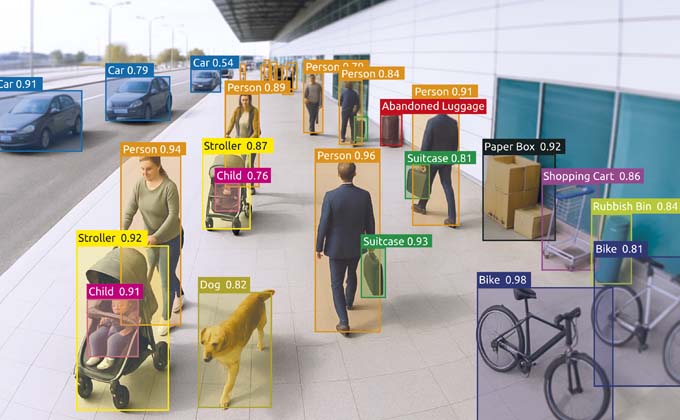
Within the AI video analytics segment, object detection and recognition solutions continue to hold the largest market share due to their widespread use in commercial buildings, transportation, industrial facilities, and smart city projects.

These technologies enable the real-time identification of people, vehicles, and suspicious activities, improving security and incident response capabilities. According to the MarketsandMarkets report, the Asia-Pacific region will lead the global market, with China maintaining its dominant position through substantial investments in smart cities, artificial intelligence, 5G networks, and intelligent surveillance systems. Among the leading companies in the VSaaS market, analysts highlight Verkada, Cisco Systems, Motorola Solutions, Securitas, Mobotix, Alarm.com, Axis Communications, Brivo, Genetec, and Hanwha Vision.

Aikom Technology Adds Teltonika’s Industrial RUT361 Router to Its Portfolio

Aikom Technology has announced that the RUT361 industrial router from Teltonika Networks is now available through the AikomGo platform. The LTE Cat 6 device is designed for industrial, IoT, and M2M applications and supports data transfer speeds of up to 300 Mbps thanks to carrier aggregation technology. The router features 802.11b/g/n Wi-Fi connectivity with 2×2 MIMO technology, as well as two Ethernet ports (WAN and LAN).

The device supports digital input/output, a 9–30V DC power supply, and optional passive PoE. It runs on the RutOS operating system, which provides VPN functionality, WAN failover, hotspot capabilities, and remote management via the RMS platform. Housed in a rugged IP30 aluminum enclosure, the RUT361 operates in temperatures ranging from -40°C to +75°C, making it suitable for demanding industrial environments.

More information about the device is available on the AikomGo platform.

JVSG: Hikvision Remains the Leading Video Surveillance Brand

According to the latest report by JVSG, based on anonymized data collected through its IP Video System Design Tool, Hikvision retained its position as the world’s most popular security camera manufacturer in the first half of 2026. The rankings were compiled using data from 335,627 cameras selected by 11,238 security professionals in real-world projects worldwide. Globally, Hikvision ranked first with a 23.3% share, followed by Axis with 13.5%, Dahua with 10%, and Hanwha Vision with 9.9%. In North America, Axis led the market with 20.5%, ahead of Hanwha Vision and Hikvision, while Hikvision remained the dominant brand in Western Europe with a 21% share.

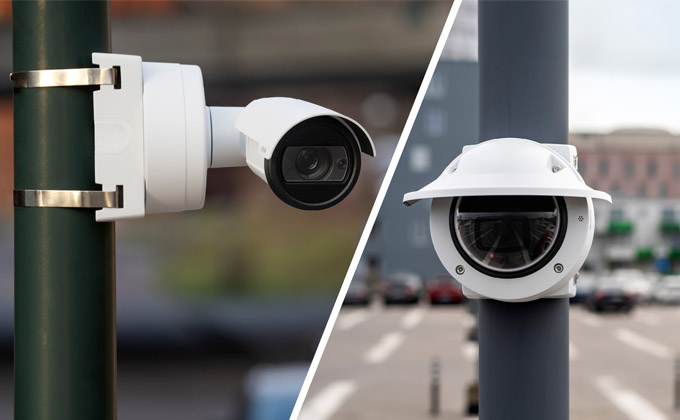
The data also shows that bullet cameras continue to be the most widely used type of surveillance device, accounting for 32% of all cameras, followed by dome cameras with 24.2%. Other significant categories include multisensor cameras with 8.3%, PTZ models with 8.2%, and thermal cameras with 7.6%. At the same time, multisensor and thermal cameras recorded an increase in popularity, while demand for dome and PTZ devices declined slightly.

JVSG notes that the results may be influenced by the geographical distribution of the tool’s users and the types of projects in which it is deployed. Nevertheless, the company emphasizes that the report provides valuable insight into the real-world preferences of surveillance system designers and integrators across the global video surveillance market.

Hanwha Vision Launches New Series of Ultra-Sensitive AI Thermal Cameras

Hanwha Vision has introduced its new VGA AI Tele Lens Thermal Camera series, designed for critical infrastructure monitoring, perimeter protection, coastal surveillance, and border security applications. The new generation of thermal cameras features a thermal sensitivity of less than 16mK NETD, enabling more accurate detection of people, vehicles, and other objects even in low-visibility conditions. The series includes models such as the TNO-C4040T, TNO-C4050T, and TNO-C4060T, along with their TNO-C4042T and TNO-C4062T variants, available with 13mm, 19mm, 35mm, and 60mm lenses.

In addition to advanced land-based detection, the cameras also introduce the AI Vessel Detection function, which enables the identification and classification of vessels in maritime environments. The system is designed to operate reliably in fog, rain, snow, and complete darkness, making it suitable for protecting ports, coastlines, and maritime borders.

Thanks to AI analytics, the cameras can more accurately identify moving, crouching, or partially obscured individuals while reducing the number of false alarms.

Hanwha Vision has also placed a strong emphasis on cybersecurity, equipping the new series with a security module certified to the FIPS 140-3 Level 3 standard, as well as encryption for data stored on memory cards. The cameras are built for demanding outdoor environments and carry IP66/67, NEMA 4X, IK10, and MIL-STD-810H certifications, confirming their resistance to moisture, vibration, rain, and corrosion. The new series further expands Hanwha Vision’s portfolio of AI-driven solutions for security applications on land and at sea.

ASSA ABLOY: PIN-Powered Access for Hotels and Apartments

Leisure and business travellers increasingly want the stress-free convenience of a frictionless journey. Flexible, secure PIN-powered hotel locking can help provide the flow they crave, door-to-door, combining round-the-clock keyless, queue-less access with powerful, cost- and time-efficient management for staff.

A 2025 survey of 12,000 travellers across 14 major European markets found that guests increasingly expect seamless, queue-free hotel stays, with self-service check-in becoming a standard preference. In the 2026 Global Hotel Alliance Travel Trends survey, nearly 80% of brands said they were investing in frictionless check-in to meet these growing guest expectations.

Providing guests with the convenience of round-the-clock check-in and the safety of contactless arrival, then, is an increasing priority as the market evolves with the needs of a new generation of travellers. TESA Hotel’s Check-In PIN solution offers hospitality businesses a system which is easy to implement and simplifies day‑to‑day operations for staff.

Boosting business, increasing guest satisfaction

With the TESA Check-In PIN solution, guests enter their room when they choose, without keys, keycards, or queues at the reception desk. Prior to the stay, they receive an email with their PIN. They can then arrive friction-free and independently at their own pace: no keys or cards to carry, no apps to download. On checkout, they just pack their bags and head for home. Every stage of their digital journey happens without hassle or hitch.

Property owners and managers enjoy significant benefits. TESA software automatically sends the guest PIN email. No reminders need to be set. The same code automatically expires on scheduled checkout – or managers can change the validity period with a few clicks in the software. For small hotels or B&Bs, Check-In PIN can be a game-changer, enabling 24/7 guest arrivals without additional staffing costs. For every business, it reduces the use of plastics and frees hotel staff from endless reception queues.

The unique, secure PIN also becomes the guest’s digital companion during their stay. It unlocks their room and authorized common doors such as main entrance or gym. Hotel managers can tailor access on a guest-by-guest basis. Late checkout is also offered with a couple of clicks in the TESA Hotel software. Check-In PIN simplifies hotel operations, enabling faster service and delivering a smoother experience for both staff and guests.

A complete access management solution for the hospitality sector

Check-In PIN is just one option within the TESA Hotel ecosystem, and part of a suite of connected digital solutions from the access experts at ASSA ABLOY. The TESA Hotel solution is custom-built to streamline access management for hotels, rental apartments, campsites, guesthouses, and hospitality businesses – of every size and type.

Compatible TESA locks with keypad are quick and wire-free to install at almost any door. For enhanced site security, every PIN may be cancelled instantly and all communication between system and locks is encrypted. The TESA hardware range includes a choice of robust battery-powered locks for doors and in-room devices, available in multiple finishes and designs. As well as PIN, hotel managers can offer guest access with RFID keycards or mobile keys on their smartphone – without changing their locks.

Staff manage the stay from user-friendly TESA Hotel software. With real-time, remote control over all doors, they can react instantly to any unexpected incident. If a keycard is lost, or a PIN compromised, it is quick to generate a new one within the software, simultaneously cancelling the missing one. There is no need to change locks or waste time and money with rekeying. With minimal training, any staff member will find TESA Hotel a breeze.

The Check‑In PIN solution also integrates seamlessly via API with PMS systems, self‑check‑in kiosks, and online booking platforms, enabling managers to streamline operations and manage bookings and access more efficiently.

A PIN-powered guest experience at Spanish holiday apartments

Harpazul, an apartment complex in Galicia, chose Check-In PIN to make late guest arrivals stress-free. Booking confirmation and follow-up messages provide each party with their unique PIN to enter Harpazul; move through common areas; and unlock their room. Stylish, wire-free digital devices secure all main access points, recreation areas, and individual apartments.

“This way we offer a better service to the customer because they don’t have to queue at reception,” explains Harpazul’s Roi Casal. “It is as easy as sending the PIN via email.” Their TESA devices are already fully compatible with keycard and smartphone unlocking, if Harpazul introduce either option in future.

To learn more about this project, visit: https://www.assaabloy.com/group/emeia/solutions/topics/access-control/tesa-hotel

New AI Fisheye Camera Introduces Panoramic Auto-Tracking

IDIS has unveiled its new 12.5MP AI Fisheye Camera, DC-Y8D11WRA, combining panoramic surveillance, advanced analytics, and auto-tracking capabilities in a single device. According to the company, it is the first solution in the industry to combine full 360-degree situational awareness with intelligent real-time tracking of people and vehicles.

The new Panoramic Auto-Tracking feature allows operators to follow critical events without losing the broader view of the monitored area. The camera is powered by IDIS Deep Learning Analytics, AI Search, and OneTrace, simplifying video searches and the reconstruction of object movements. Additional features such as Zone Adaptive IR and Dynamic Power Balancer optimize infrared performance and image quality under different conditions.

The device complies with NDAA, TAA, FIPS 140-3, and NEMA4X standards, making it suitable for deployment across retail, education, government, transportation, banking, and healthcare sectors. IDIS says the new camera reduces infrastructure requirements and shortens the time needed for security investigations.

Spark to Expand in 2027 Following a Successful Debut

Following its inaugural edition held as part of Integrated Systems Europe (ISE), Spark has confirmed plans to expand and relocate to a new venue in 2027. The new event format brings together content creators, production specialists, broadcasters, agencies, and technology companies, connecting the worlds of production, advertising, gaming, and immersive experiences.

During the four-day programme at Fira Gran Via’s Hall 8.1, thirty conference sessions were held, featuring sixty-three speakers, including representatives from Netflix and 0207 Def Jam. The event’s headline sponsor was Samsung, which showcased its The Wall for Virtual Production platform, while partners MoSys, 3Cat, and Lab of Tomorrow presented a series of interactive demonstrations and installations.

“What’s exciting about Spark is bringing together different manufacturers, speakers, and end users to really show what’s happening in the broadcast space right now and where it’s going next,” said Mark Taylor, Head of Vertical Markets at Samsung Display Solutions Europe. Discussions focused on artificial intelligence, virtual production, immersive media, and new production models that increasingly connect creative and technology teams.

In response to growing demand, Spark will move to the Fira Montjuïc venue in 2027, where it will offer an expanded programme, larger installations, and new experience-driven formats. The next edition of the event will take place in Barcelona on 3–4 February 2027.

Edge Computing Market to Surpass USD 317 Billion by 2031

According to a new analysis by MarketsandMarkets, the global edge computing market is expected to reach a value of USD 317.39 billion by 2031, up from USD 111.34 billion in 2026, at a compound annual growth rate (CAGR) of 23.3%. The market’s expansion is being driven by growing investments in infrastructure that supports low-latency data processing, artificial intelligence applications, real-time analytics, and localized data processing closer to users and devices.

Analysts note that industrial automation, the rollout of 5G networks, the Internet of Things (IoT), connected vehicles, and increasingly stringent data sovereignty requirements are providing additional momentum. Among the key segments, managed and professional services are expected to see the fastest growth due to the increasing complexity of managing distributed infrastructure and integrating AI and IoT technologies.

The report predicts that small and medium-sized enterprises will become the fastest-growing adopters of edge solutions, as localized data processing enables them to overcome bandwidth and latency constraints without making large investments in data centers.

Regional and cloud-edge systems, which combine the capabilities of major cloud platforms with localized processing, are identified as the most promising deployment model.

The Asia-Pacific region is expected to be the fastest-growing market, driven by rapid digitalization, the expansion of 5G infrastructure, and smart city projects in China, India, Japan, Australia, and Singapore. Leading companies in the market include Amazon Web Services (AWS), Microsoft, Google, IBM, Dell Technologies, Cisco, NVIDIA, Intel, Huawei, and Lenovo, while emerging players such as ZEDEDA, Avassa, EdgeCortix, and Vapor IO are also gaining traction.