Home Archive by category Vertical Solutions (Page 10)

Vertical Solutions

Temperature screening and weather: there is no place for humans

An ordinary thermal scanner in a guard’s hands in a mall, school or government agency is not the best way to avoid the spread of viruses. He works slowly and imprecisely. Another thing is an access control system with face recognition and temperature screening. Partizan STD-2MP, for example, takes into account a lot of related factors. Weather conditions are one of the most important.

There is no such thing as bad weather…

… but it strongly affects the measurement results. In cold weather, the temperature of exposed parts of the body can drop one degree below real. In the heat, on the contrary, to rise to 37.4 °, in reality being the canonical 36.6 °. But STD-2MP can’t be fooled! Analyzing a person’s condition, the device takes into account everything – even the temperature difference between hair and a cap.

An algorithm based on the principles of artificial intelligence comes into play. The device compares the temperature of a person and the objects around him. It captures the warmth of previous visitors and calculates their normal temperature at the current moment. For example, in the morning the average temperature of visitors was 36.2 degrees. But the day was hot and sunny. Therefore, by lunchtime, people “warmed up” to 37.2. The device takes the weather into account and makes the measurement as clearly as possible. “Come on in, guys, everything is ok.”

Failure is not an option

It is also important to note that scanners are usually installed indoors, and people come from the street, where the temperature is completely different. The intelligent algorithm of Partizan STD-2MP calculates the nominal normal temperature from the total human flow. It is enough for the device to check just 3 visitors and the algorithms for detecting persons with abnormal temperatures are activated.

Does it sound complicated? Let’s look at the example. The device measured the forehead temperature of three visitors. It turned out to be at the level of 35.4-35.8. Partizan STD-2MP compares the obtained data with real body temperature and gets the real result – 36.4-36.8. But when a visitor with a forehead temperature of 36.9 is going in, everything seems to be within the normal range. But no. The device “understands” that real body temperature is much higher. “You shall not pass!”

Put on your mask!

In addition to temperature screening of visitors, Partizan STD-2MP can also recognize their faces. The system does this even with a mask on. So no one needs to take it off. We’re still talking about fighting viruses, aren’t we?

And, of course, Partizan STD-2MP can do everything what a proper control system should be able to do:

1. Keep records of visits (including registering arrival and departure time)
2. Restrict or grant access
3. Give an alarm signal in case of violation

How does it look like

The Main Partizan STD-2MP module is no larger than a regular tablet with a 7” IPS display. There is also a temperature screening module, a white backlight, a 2MP IP CCTV camera, and a built-in access controller. Partizan STD-2MP can be installed near the turnstile, on the walk-through frame or just at the entrance doors. To do this, the accessories catalog has all sorts of different brackets – both for floor and wall.

By the way, about accessories. You can put a cover on the device, for example, in the form of funny ears. The cutest life hack that will come in handy if you take Partizan STD-2MP to use in preschool institutions. Kids will love it.

Body temperature screening at the entrance to public places has become a routine act since the coronavirus 2020. Partizan STD-2MP will make this process invisible, fast and maximum efficient. Far better than make “beeps” using manual scanner aiming against visitor’s forehead each time.

In case of any questions please contact:
sales@partizanstore.eu
tel (English and Hungarian languages): +420 608 496 889
tel (Czech and Slovak languages): +420 608 880 986
tel (Russian language): +420 608886587


Cloud Based License Plate Recognition Gains Traction With Niche Applications

As network connectivity and bandwidth availability continue to improve, the use of cloud is becoming more and more popular. Cloud-based solutions have made inroads into the day to day life of most people, right from the personal level in the form of emails to video surveillance footage.
Izvor: a&s International
E-mail: redakcija@asadria.com

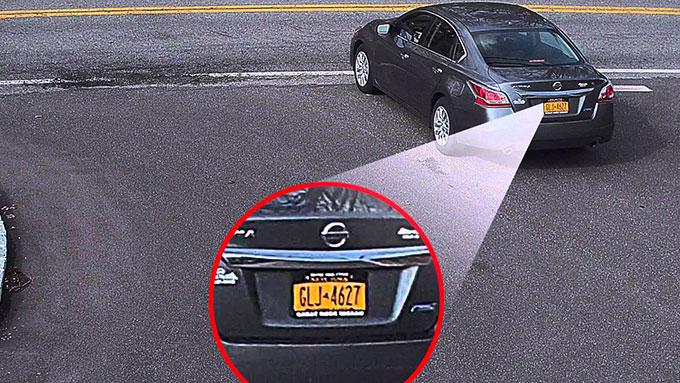
Storing surveillance camera footage on the cloud allows you to run several analytic applications on them without having to worry about space and additional infrastructure. A solution that is increasingly gaining market interest in this regard is cloud-based ANPR solutions.

In this article, we explain the benefits and limitations of cloud-based ANPR solutions, along with their applica- tions, especially in intelligent transport systems.

What are the benefits of Cloud-Based ANPR Solutions?

The main difference between on-site and cloud-based ANPR solutions is where image processing takes place, according to Adrian Cseko, Head of Sales at Asura Technologies. In the case of cloud processing, the user sends data to the ANPR provider’s cloud, and results are returned to the specified database or system.

“Thus, the advantage of cloud-based solutions is that the client does not have to purchase a server and set it up on-site to run ANPR software,” Cseko said. “Moreover, most cloud-based solutions can be accessed in a subscription-type model, sometimes the pricing adjusted with processing volume. So, if avoiding CAPEX is the aim of a project, or there is simply no space to accommodate a server, a cloud-based ANPR solution may prove more beneficial. Also, as fewer elements are needed to be installed on-site, an ANPR-based operation may roll-out out earlier if a cloud-based solution is used.”

The Key Two-Fold Advantage
Evidently, there are several advantages to using cloud-based ANPR solutions. According to Gabor Jozsa, CMO at Adaptive Recognition, these can be classified under technology and cost. Jozsa listed some of the significant benefits under both these categories from the perspective of the solution that their company offers.

Cost Advantages
• Zero capital investment required.
• 50-60 percent Total Cost of Ownership reduction compared to on-premise systems.
• 3-4 times shorter implementation- and integration time.
• Start to recognize your own images in just 1 second after registration. Build your application around ANPR Cloud within one day. Start generating revenue in just days.
• Transparent and flexible pricing perfectly matches to every application.
• Adaptive Recognition’s ANPR Cloud offers credit-based, pay-as-you-go pricing packages.
• Minimal to zero OpEx: core engine updates, preventing maintenance, API updates are done by Adaptive Recognition. 99.9 percent SLA level secured worldwide, in all regions.
• Thanks to pay-per-use pricing, the actual cost of service is equivalent to practical use. There is no burden due to flat rates when the required service is low. You can recognize 1 million events at once and pay only for that. Then you may recognize 10,000 in the following months. You will always pay based on the service used.

Technological Advantages
• Integrators can finally focus on application functionality instead of setting up and operating an on-premises infrastructure.
• Easy to use REST APIs results are in JSON format.
• Anyone can become an ANPR expert. Simply upload your still images to Adaptive Recognition’s ANPR Cloud. The rest is done by the service, which tweaks the OCR engine’s internal parameters for the best results.
• ANPR Cloud is elastic, offers an unlimited scale. It is robust and stable.
• ANPR Cloud offers practically unlimited processing resources compared to on-premise, PC / server-based systems. This gives you a real competitive edge, mainly when you feed input images from all around the world. Specific OCR engines that yield the best result for one region can be run parallel in the ANPR Cloud, while this would require expensive and complex on-premises architecture.

How to Get These Benefits?
But cloud-based ANPR may not be suitable for every installation. According to Walter Verbruggen, Sales Director at Avutech Computer Vision, a cloud solution is ideal for a single, existing camera somewhere in the field, streaming video to the cloud ANPR service. It does need some thinking about: what do you want to do with the ANPR data?

“In case a smart security management system would send packets of snapshot images to the cloud, network bandwidth (and costs) can dramati- cally being saved,” Verbuggen said. “Cloud benefits in general: no local server to maintain or support, monthly subscription-based.”

Is a Cloud-Based ANPR Solution Suited to Your Business?

Cloud-based processing is ideal where the return-time of results is not a crucial point, e.g., when gathering traffic information or registering vehicles in a barrierless access control project. This means that if you want immediate results based on the ANPR reading, like opening a gate or raising a boom barrier, an edge-based solution may work best. But there are several verticals where such applications are not required, and this is where cloud-based ANPR is more useful. Here’s an overview of the major verticals that would benefit from cloud ANPR. Please note that this is not a comprehensive list, as the continuous development in technology enables more and more verticals to use cloud- based ANPR.

1. Intelligent Transportation Systems (ITS)
An intelligent transportation system (ITS) allows authorities to automate the process of managing traffic in a city to make it smarter and more efficient. ANPR has a vital role to play in ITS, especially in controlling over speeding and role rules compliance. Since these applications don’t require immediate action taken based on the plate reading, a cloud-based infrastructure that minimizes the investment on the camera side may be ideal.

2. Tolls for Motorways, Turnpikes, and Bridges
If your business involves toll collection on motorways, bridges, etc., without the use of a barrier, then a cloud-based ANPR may be suitable. This is because even as the vehicles pass through toll gates, payments can be triggered from an ANPR reading that is processed on the cloud. Such a system would help avoid unnecessary lines or crowding at toll gates and speed up the system. This may also come in handy in places where congestion charges are applicable.

3. Parking With Pay-by-Plate Services
If you provide gated parking space services, customers can make payments to use your parking space using wallets that are attached to their number plates. An ANPR solution that detects the plate can trigger the payment from wallets that may be connected to license plates. This may also be suited for other businesses like a car wash and vehicle servicing.

4. Mobile Patrols and Law Enforcement
Law enforcement officers may need to search for stolen vehicles or criminals fleeing in cars based on a number plate. In such situations, the system needs to search within video footage from multiple cameras. A cloud- based solution enables this as it is not limited to independent cameras. This application would come in useful at public facilities, shopping mall parking lots, campuses, etc.

5. Personalized OOH Advertising
A cloud-based ANPR solution can aid businesses in providing tailored services to customers. Based on the reading of a license plate, the system can recognize the customer, which in turn automates the customization process. An excellent example of this application is in targeted OOH advertising with location- based demographics based on ANPR and vehicle segmentation. This can also be used to automate loyalty programs wherein the system, after identi- fying the customer, offers specialized services as per the plan.

6. Drive-Off Prevention
A drive-off prevention system based on a cloud- based ANPR solution helps in running a license plate against a database of previous drive-offs. When the solution is located in the cloud, access to databases from third-parties like police or business associations becomes easier and real-time.

Final Word
As governments worldwide increasingly explore the concept of smart cities, the use of cloud becomes more and more inevitable to integrate different solutions. Using cloud-based ANPR would give authorities more control over services like law enforcement. Of course, there are some applications where a cloud-based system is not feasible, and, in many countries, there are challenges like lack of stable network connectivity. But if such problems are dealt with, a cloud-based ANPR solution offers numerous benefits.

Why Cloud-Based ANPR Will Greatly Benefit Intelligent Transportation Systems (ITS)

With the rising popularity of smart and safe cities, intelligent transportation systems (ITS) have seen a spike in demand in recent years. According to MarketsandMarkets, the global ITS market for roadways is expected to grow from US$ 17.9 billion in 2020 to $36.5 billion by 2025, at a CAGR of 15.3 percent. The research firm expects several factors to drive this growth, including increasing concerns toward public safety, growing traffic congestion problems, rising favorable government initiatives for effective traffic management, increasing adoption of eco-friendly automobile technologies, and the development of smart cities across the world.

Aiding Public Services
Cloud solutions are integral to the development of intelligent systems, mainly because it provides centralized control which is essential for integrating multiple applications. Adrian Cseko, Head of Sales at Asura Technologies, pointed out that cloud-based ANPR may prove to be a viable choice for urban or even highway traffic enforcement projects.

“ANPR is arguably the best choice to obtain reference data of speeding vehicles or ones violating traffic rules,” Cseko explained. “In some cases, an intact traffic surveillance camera footage can be used to detect traffic violations automatically (the wrong turn, passing the red light, crossing a closed line) and obtaining the vehicle’s number plate as well as part of the process. ANPR is also a great reference tool for congestion charging and may serve statistical purposes as well as an automatized form of vehicle counting for statistical purposes.”

Lower Costs, Better Performance
Gabor Jozsa, CMO at Adaptive Recognition, further explained that cloud- based solutions are faster and easier to set up, potentially reducing costs and increasing efficiency. “ITS system transition to the cloud, including applications like smart city applications, toll enforcement, stopping congestion relief using hard shoulder running, etc. can be done in 3-4 times shorter and with 50-60 percent cost reduction in TCO,” Jozsa said. “Other benefits include maximized scalability and optimized OpEx. Traditional, on-premise Intelligent Transportation Systems must be scaled to the peak workload, while ANPR Cloud flexibly adapts to the required workload.”

Highlighting his own company’s ANPR engine, Jozsa added that there is also the advantage of low false-positive rates when using a cloud solution for ITS. Also, AI-based data filtering and flexible business intelligence functions empower smart predic- tions and data-based decisions. Finally, wireless communication (4G, 5G: in the coming years) combined with cloud-based ANPR requires signifi- cantly less installation cost.

Benefits to large transportation companies
License plate recognition is not limited to public or government use for purposes like law enforcement. Transport companies that own their fleet would also benefit from automated license plate recognition to improve their operations.

However, not all transport companies may find a cloud-based ANPR worth the investment. Walter Verbruggen, Sales Director at Avutech, added that with regard to ITS, a cloud-based ANPR solution is particularly for larger transport organizations and distribution centers where there are many perimeter efficiency improvements to make for ANPR in general. Such organizations would need safe and secure parking areas for trucks along the highways, offering multiple services to truck drivers as well, all of which could be made easier and more straightforward with a cloud solution.

Conclusion
To sum up, cloud ANPR solutions are useful to ITS as they enhance the possibilities of the technologies that are in use. But technological improvement is not the only advantage. From a customer perspective, the reduced costs and easier installation are also attractive to implement an ITS system better. Finally, the use of cloud ANPR for ITS purposes would benefit large private transport organizations would have to deal with lots of vehicles in their fleet.

Challenges and Limitations of Cloud-Based ANPR Solutions

Despite their advantages, cloud-based ANPR solutions are not without limitations or challenges in their implementation. These are mostly technical but can, at times, be the result of budgeting concerns as well.

The most obvious limitation is that analytics on the cloud may not be suitable for solutions that require immediate actions taken based on the insights. For instance, a solution that opens a gate or boom barrier to a parking lot after identifying the user through ANPR needs to open gates within seconds. Failure to do this will cause in irate users or customers. You cannot afford to have network-related delays here, and hence, solution on the edge works better.

Internet Connectivity
Cloud-based solutions – as the name suggests – require an Internet connection to work, so they may not be feasible for projects where having an Internet connection is out of the question.

“Event detection is also an issue in case of cloud-based ANPR, which can be avoided if the bandwidth allows for a continuous video stream of the monitored areas (as in this case our solution uses video analytics-based triggering), but this is not yet realistic in terms of accessible infrastructure and also when considering economic reasons,” explained Adrian Cseko, Head of Sales at Asura Technologies. “Another way to tackle the problem is either an image pre-selection mechanism set in place, triggers (like inductive loops) or cameras that include some sort of triggering mechanism, the latter solution, however, may prove more costly due to the price difference compared to standard IP cameras that provide sufficient image quality for ANPR.”

Camera Quality
The basic rule of the thumb when selecting a camera for ANPR is that if a license plate is recognizable to a human eye, an ANPR solution will recognize it too. Having said that, since cameras on highways often have to deal with rugged conditions, there are several instances where they failed to give continuous clear visuals.

“Camera image quality is essential during all weather and lighting conditions,” said Walter Verbruggen, Sales Director at Avutech. “A dedicated ANPR camera system will always outperform another type of camera, as it is optimized for ANPR image quality, offers more speed and does not require any image or video compression, compromising the image quality.” Camera placement is also essential to capture license plates. Too far or too near would result in images that are not useful. Similarly, installing cameras too high or too low would also be problematic.

Finally, when the visuals are blurred because of rain, fog, dust, or other such elements, the ANPR solution would have difficulty recognizing the plates. It should be noted that these kinds of problems pose a challenge to any ANPR solution regardless of whether they are located on the cloud or the edge.

Lack of Customizability
Gabor Jozsa, CMO at Adaptive Recognition issues like network connectivity, is not limited to ANPR but could define any cloud-based system. However, a more significant limitation is the difficulty of providing services that may need certain unique recognition features.

“Limitation in customized features is an issue,” Jozsa said. “Sometimes, the customer’s application requires specific OCR engines and recognition functions.”

Limitations vs. Advantages
To conclude, both cloud-based and edge-based ANPR solutions have their advantages and disadvan- tages. Both are suited for different verticals and applications, which makes comparison difficult as well. Any decision to purchase from customers should be based on the application.

Bringing Trust to the Workplace

HID Global became its own case study in safely opening its sites

Author: By Jaroslav Barton, Director Product Marketing, Global Regions, HID Global
Contact: chris.gibbs@vol4comms.com
HID Global: https://www.hidglobal.com/access-control

As businesses and governments enter a new era of workplace safety, two prerequisites are preparedness and the ability to pivot quickly. Widely adopted access control, authentication, Internet of Things and other trusted identity offerings provide the foundation for safely and confidently reopening workplaces.

Facing the challenges
HID Global faced the same challenges in returning its employees to work. The first step the company took was to develop a strategy and comprehensive playbook, as well as processes for communicating to employees in a time of rapid change. These elements help guide the safety and security of employees while ensuring operations continue to run smoothly. The Return to Workplace playbook provided clear recommendations and reassurance for site leaders, employees and support for customers in an ever-changing environment.

Health and safety are front of mind for employees. It is essential to anticipate very real emotions and valid concerns. Equally important is looking ahead and showing what the ‘new normal’ looks like for employees by defining and providing reassurance about the new behaviours needed in an otherwise familiar place. The playbook provided this reassuring clarity.

Every office or facility has to adapt to its individual needs, but for HID Global they concentrated on four core areas: protection, cleaning, messaging and distancing.

For protection and distancing, HID Global turned to its own product and solution portfolio. Site-specific distancing guidance was provided related to face-to-face meetings and the time and spacing constraints, as well as greeting practices, dining habits and managing mail and package deliveries. The guidelines also covered activities related to meeting rooms, personal offices and workstations Site leaders also concentrating on how they could reconfigure assembly stations and other density- management challenges. Ongoing focus areas include ensuring compliance in cube arrangements, traffic flow pattern design and management, and the use of plexiglass and other barriers for ensuring separation.

Putting the guidelines in place
With these separation guidelines in place, HID then applied its own technologies to automate the process of compliance. There are two key components:
– Dynamic Workplace Safety – Cloud-based visitor management, remote employee and visitor badge issuance, and fully touchless access solutions reduce person-to-person contact. Rule-based physical distancing management provides immediate insights and alerts to keep employees compliant with safety and sanitation requirements.
– Automated Rapid Response and Compliance – Automated visitor compliance, contact tracing, physical distancing, and hygiene behaviour removes the burden of tracking new health and safety procedures.

HID piloted its solutions with 200 essential workers soon after public health distancing guidelines went into effect. The solutions were deployed across different physical environments from manufacturing floors to cubicles, eating areas and entrance lobbies. Each employee was given a Bluetooth Low Energy (BLE) fog on a lanyard, which uses peer-to-peer capabilities to sound an alert if people are closer than 2m for a specified time period. Simultaneously, this data was sent to the cloud for analysis and location information to identify where the incident took place within the building.

As an alternative to fobs, the same capabilities can be delivered using a badge/ badge holder that is easily added to existing ID cards. In either case, there is a full digital trail of an employee’s whereabouts and historical interactions while at work. Fobs can be issued to all onsite visitors and contractors as well. Employers define distancing policies and alert parameters for mitigating an infection outbreak per public health guidelines, and zones can be created with geo-fences around high-traffic areas (breakrooms, hallways, lobbies) to minimize large congregations of people.

Playing a key role
The solution also plays a key role when someone tests positive. With a click of a button, detailed reporting enables contact tracing using historical data on movement and interactions. This triggers safety protocols based on reporting that includes a chronological list of all the times two people were in the same zone or had a distance incident. The facility can assess the risk of each employee exposure and minimize disruption as it rapidly responds to cases and activates isolation procedures as needed.

The HID Global pilot revealed much about employee reactions to the global health crisis. They generally wanted to be part of something that could have a tremendous impact on the worldwide workforce. Their participation in the pilot also revealed how best to implement guidelines while also creating the optimal experience for employees. Additionally, the pilot underscored how an IoT ecosystem can quickly scale and adapt to the dynamic requirements of hospitals, manufacturing facilities and enterprise organizations. Real-time time monitoring and analytics capabilities can help ensure compliance with a number of other safety requirements, such as hand hygiene policies and other regulations introduced as part of the ‘new normal’. At the same time, organizations can leverage their investment in these IoT solutions beyond today’s global health crisis, since they lay the foundation to easily add even more IoT applications, all of which can be centrally managed on a single platform.

Hikvision launches new ITS camera for improvement of road safety and traffic flow

The new All-Rounder ITS camera is engineered with an all-in-one structure, embedding video, radar, and supplemental light in one module, helping traffic authorities to easily ramp up the detection of violations
February 4, 2021 Hikvision, an IoT solution provider with video as its core competency, today announced its latest traffic product offering – the All-Rounder ITS camera – designed to improve road safety and optimize traffic flow. As the name implies, the camera encompasses different skills and abilities, boasting speed detection, traffic violation detection, automated plate recognition, and vehicle attribute analysis in one housing.

“Hikvision is always pushing the boundaries of video technologies. Beyond the visual range that is perceived by video cameras, the abilities to understand other kinds of “senses” would allow even more precise monitoring and reporting of events or accidents,” says Frank Zhang, President of International Product and Solution Center at Hikvision. “This is multi-dimensional perception, a trend that we think will affect the security industry in the future.”

The new ITS camera is designed and developed with this multi-dimensional concept in mind. It is Hikvision’s first camera to integrate three otherwise separate modules in one unit with no compromise on performance, making the camera neat and flexible to be deployed for demanding environments, all in an easy and cost-effective manner.

Improving road safety and optimizing traffic flow
The product provides an HD camera, speed radar, and light array inside one housing. Specifically, it works with a multi-tracking radar that continuously monitors up to two or three traffic lanes – depending on the camera model, and identifies the speed and position of objects in the monitored area at a speed of up to 300 km/h. If a vehicle violates the speed limit, the embedded radar triggers the connected camera and a picture is taken of the vehicle and its license plate.

In the event of infringements of traffic rules such as wrong-way driving, improper lane usage, or even failure to use a seat belt, the camera will capture images of the corresponding vehicle, recognize its license plate and relevant information including vehicle type, color, brand, and direction of movement, which can be addressed to the authorities in real-time or stored on board.

Incident detection helps to improve overall driving standards, which ultimately reduces the number of accidents, improves road safety and further evens traffic flow.

Inside the camera
Employed with Deep Learning algorithms, the camera is able to recognize a much higher number of license plates and with higher efficiency than conventional ANPR systems. Its GMOS sensor further ensures brighter and smoother images to be reproduced in challenging lighting conditions, especially in low-light environments.

The camera’s embedded supplemental light features a 16-bead light array, offering an IR range of up to 40 meters at night.

As all of these functionalities are integrated, the single product itself outperforms conventional ITS products with space-saving and less cabling for easier installation. It supports flexible pole- or side-mounting, which makes onsite configuration effortless.

The Hikvision All-Rounder ITS camera is ideal for various scenes such as urban roads, highways, tunnels and toll stations. For more information, please visit product page at iDS-TCV907-BIR.


BIROSAFE Strong room doors tested according EN 1143- 1 – ECB•S Certified

Today we understand that high-resistance burglary protection for the valuables is especially important in maintaining the organization process. This is especially true for risk sites such as banking, retail, logistic, pharmaceutical or industry sectors, as large amounts of cash, valuable or sensitive items are often kept on premise.
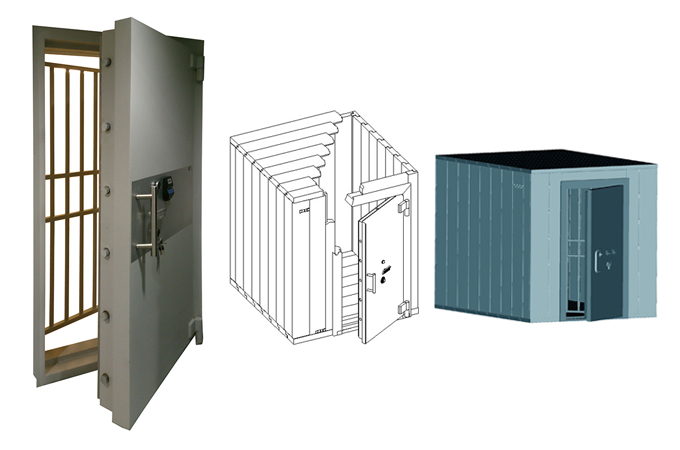
To effectively manage this risk, the clients are choosing strong room doors or if the walls are not strong enough than they choose strong room modular, which is made from strong room door and strong room panels in same security class.
The strong room modular BIROMOD, unlike the vaults made on site have the following advantages:
• they are lighter and give less burden to the object’s construction
• can be built into older, adapted objects
• there is a possibility for transfer from one object to another.
The BIROMOD strong room modular can be made in different dimensions according to available space and purpose in several classes according to EN1143-1.

Birosafe high-security strong room doors BIRODOOR are certified by the European Certification Board Security Systems (ECB-S), in accordance with the EN 1143-1 standard. To obtain this certification, a variety of tools are used to put the vault’s ability to withstand break-in to the test.
They can be built into vaults built on site, or on modular vaults.
The strong room doors can be equipped with an additional security grid, for daily closing.
Except the minimum assigned locks for each class, extra locks can be built on the BIRODOOR strong room doors, in order to meet the requirements and needs of the client.

All Birosafe strong room doors are with European certificates for security, issued by ECB-S Germany. These doors are manufactured by the European standard for security EN 1143-1 and are classified in different resistance grades.
The certification according to the European Standard EN 1143-1 suggest security.

Birosafe team is trained to assess the wishes of each client and to give the best solutions for each project, from difficult access and old buildings to rooms with unusual dimensions. They define the specifications of each vault room and devise a solution that meets all specific requirements.

“BIROSAFE” – Strumica is an engineering company founded in 2001. The company is present in the business of manufacturing, sales and mounting of security, fireproof and bank equipment (security and fireproof safes, cabinets, security doors and vaults, etc.)

BIROSAFE produces and offers different types of security equipment: safes, cabinets, deposit safes, weapon safes, cash transfer safes, vault and vault doors, security doors etc.; as well as fireproof equipment: safes, cabinets, doors etc.
Usually the products are made by standard dimensions, but there is also a possibility for tailoring the products according to client demand.

The company follows the trends and creates series of security products which are at the same time, aesthetic and adequate for the most modern and well-equipped banks and other institutions from different sectors.

BIROSAFE has successfully passed the tests for several types of products and has gained the following EUROPEAN CERTIFICATES, issued by “ECB•S – Germany”:
– EN 1143- 1 – for security safes and strong room doors.
– EN 1522 – for bulletproof walls, doors and windows.
– EN 1627 – for burglary resistant doors.

In-Store Analytics optimize the shopping experience in retail

Home appliances retailer BSH measures customer engagement with metrics from smart cameras

The next generation of retail stores optimizes sales floor presentations by tracking customer traffic. At home appliances store BSH in Vienna, Bosch cameras with built-in Intelligent Video Analytics collect metadata on how customers respond to special displays. Drawing on this actionable data from in-store analytics, retailers can create more inspiring customer experiences at brick-and-mortar locations.

When it comes to allocating display space in brick-and-mortar stores, retailers face a challenging question: How efficient are special product presentations in generating customer interest and, ultimately, sales? Unlike online shopping, where every click is tracked for analysis, stationary retail lacks hard data on how customers navigate through product presentations. That’s why the home appliances retailer decided to adopt In-Store Analytics at its Vienna brand store for a new level of insights into customer traffic and engagement.

Actionable data for store operators
In particular, the retailer wanted to measure the effects of a new design concept for the sales floor. It relies on displaying key products, for instance washing machines, prominently on special ‘highlight walls’. The walls feature plexiglass backdrops in light blue color and special lighting to attract customers’ attention. But from a logistics perspective, highlight walls cost more and provide less display space than ‘regular’ product stands. So are these specialized displays worth the investment?

Privacy and business intelligence
The data-based answers arrived with Bosch In-Store Analytics. Already trusted in retail environments across the globe, the analytics suite relies on Bosch IP cameras equipped with Intelligent Video Analytics (IVA) to gather metadata on customer traffic. Embedded discreetly into the ceilings, six panoramic IP cameras create an anonymized position data stream of shoppers’ movements. In-Store Analytics further processes this data into performance results and visualizations, shared through web interfaces with the store team. In comparing the impact of highlight walls versus other store displays, the team can draw on an unprecedented level of traffic data.
The engagement funnel provides precise metrics for behavior in specific areas of the store, including: The number of shoppers to have “passed by” a section. Also the amount who “dwelled” and slowed down in front of a display. And most importantly, the “engaged” shoppers interacting with a product. For long-term insights, these metrics can be compared to past data to see whether updates and special initiatives make an impact on engagement. At all times, full customer privacy is maintained by sending customer position data from the cameras directly to the Bosch In-Store Analytics Cloud, without video streams ever leaving the site.

Optimizing the retail store experience
The comprehensive data analysis, precise down to the level of an individual product display, yielded important insights. The store team learned that a washing machine displayed on a highlight wall achieves an 84 percent higher customer engagement rate than comparable, non-featured products. And these metrics were just the beginning of more data-based optimizations of customer experiences in stationary retail. Visualizations of in-store foot traffic allow the design team to select store layouts for optimal customer experiences and product discoveries. Based on findings from its Vienna location, the retailer implemented highlight walls to display featured products in its latest physical storefront in the town of Graz, opened in 2020.
Beyond product-specific metrics, In-Store Analytics also measures the success of initiatives such as live cooking events. By adopting In-Store Analytics, the retailer can leverage precise data sets in strategic decision-making. The team is able to calculate conversion rates for specific products as the basis for effective product positioning and evaluating the product portfolio on display at stores. In this new generation of retail experiences, ensuring high profitability per square footage is no longer a guessing game, but part of an ongoing optimization process to enhance the customer experience based on smart data.

“Thanks to engagement funnel, we can evaluate success of different design concepts based on a product-level experience.”

Stefan Tenor, BSH Home Appliances Group

More information: boschsecurity.com

Securing one of the busiest shopping malls in Turkey’s capital

Keeping a watchful eye over the thousands of visitors that flock to Ankara’s vast Metro Mall every day is no easy job. To achieve real peace of mind, the security team chose a video security solution from Hikvision, and received reliable, innovative and cost-effective technology to protect shoppers and staff 24/7.

The challenge: choosing reliable video security to protect thousands of visitors
The Metro Mall in Ankara, Turkey, is one of the busiest entertainment and business centers in the capital. Combining more than 200 stores with offices, a cinema, cafes, restaurants and a gym, the site covers nearly 220,000 square meters, while the nearby metro station sees a footfall of more than 300,000 commuters every day.

Given the busy nature and complexity of the location, the security of shoppers and workers is a top priority – but it’s also a challenge. “We knew well before it opened that the Metro Mall was bound to become a hotspot for shoppers and commuters, and that security would be a challenge,” says Bahri BERÇİN, the Metro Mall Manager. “We needed a solution that could cope with this complexity, and which we could rely on.”

“We had a number of proposals of CCTV solutions, but the proposal from Hikvision Turkey stood out by far,” said Bahri BERÇİN. “The full solution was very thorough and the technology appeared to be of extremely high quality.”

Solution overview
Hikvision began the project by working with Meriç Technology ltd. to carry out a site survey. “Being such a complex and busy site, we needed to ensure we had enough cameras to offer comprehensive security,” says Yunus Bölükbaş, the Pre-sales Engineer at Hikvision Turkey.

Following the survey, Hikvision and its partner designed a CCTV solution comprising more than 500 cameras to be located both inside the mall, the parking lots and around the perimeter.

For security inside the mall, Hikvision recommended its 2MP Vari-focal IR Bullet Cameras mounted to the walls, and Vandal-proof Network Dome Cameras mounted on the ceiling, assisting the security team with situational awareness at all times.

For reliable outdoor security – day, night, and in all weathers – Hikvision Network IR PTZ Dome Cameras were installed around the perimeter of the mall, for a comprehensive view of the mall’s exterior, while their 20x optical zoom enables the security team to inspect potential threats in very close detail.

Hikvision also installed Access Control panels and Mifare Card Readers, to enable security personnel and other authorized mall staff to gain secure card-based access to restricted areas. The whole solution was connected to Hikvision Network Video Recorders, to support all processing and analysis of the recordings at the mall’s security control center.

Benefits: better security for visitors and staff – with great future potential

“It’s definitely making a real difference,” says Hüseyin GENÇER, the Metro Mall technical manager of the project. “The solution is helping us protecting the mall’s customers much more effectively, and providing reliable evidence for investigation of security incidents, which exactly what we had hoped for.”

The access control panels are also helping to secure the restricted areas of the mall. “We can give each member of staff access to the parts of the mall that are relevant for their work. We are also able to see where everyone is at all times.” adds Hüseyin GENÇER. “Also, integration between the Hikvision CCTV and Mavili fire Alarm systems has helped us improve our low voltage system management operations”.

The security team is now planning to expand its system to the nearby residential area, which comprises five buildings, each 30 stories high. Hikvision also plans to install the iVMS-5200E Centralized Management System and integrate it with the mall’s third party alarm system, so that the Metro Mall team can manage video streams, access control devices and its fire alarms from a single place.

Hüseyin GENCER is very happy with the technology and how the project was run, “We want to thank the whole Hikvision for their efforts during pre-sales and delivery support. And we are planning to expand the security system to the nearby residential area.”

Advanced ExGo Panels Protect Bulgarian Government Building

Critical assets at the Ministry of Education and Science building in the Bulgarian capital Sofia, are being protected by industry-leading ExGo gas suppression control panels from fire systems manufacturer, Advanced.

The Ministry, charged with regulating education and promoting scientific work in Bulgaria, was founded in 1879 as the Ministry of Popular Enlightenment and existed under that name until 1947. The name of the Ministry changed numerous times until 2009, when it was renamed the Ministry of Education, Youth and Science, before reverting back to its current name in 2013.

The upgrade to the fire system in the Ministry’s Sofia HQ was undertaken by Advanced partner, FireTech Engineering Ltd. The project saw Advanced’s ExGo gas suppression system installed in the main archive room, supported by optical smoke and air sampling detection, LCD+LED indicators and remote indicators.

Stoyan Grozdanov, spokesperson for FireTech Engineering Ltd, said: We selected an Advanced system for the Ministry of Education and Science as we know from working with Advanced in the past that the ExGo system is highly reliable. We needed a cutting edge system to protect a very important room in the building, with the option to expand and enhance it in the future.”

ExGo has been developed specifically for sensitive and strategic assets such as server rooms and data centres, control rooms, as well as historic and cultural attractions. It is suitable for almost all single-flooding area applications and includes a range of control options and devices. It is approved to EN54 parts 2, 4 and 13 as well as EN12094-1 and is among the first systems to combine these with EN12094 in a single solution. (EN12094-3 relates to the integrated manual release on the front of the panel). ExGo can be integrated into Advanced’s Axis EN fire system or any third-party alarm system.

Vladimir Zrnic, Sales Manager for Southern Europe, commented: “It’s a pleasure to have been able to support Firetech with the equipment required to protect such a prestigious site as the Ministry of Education and Science in Sofia. The ExGo range offers sector-leading performance, installation and configuration. It can be used as a standalone or can interface with any fire system via a number of programmable inputs and outputs.”

Advanced, owned by FTSE 100 company Halma PLC, has a long history of protecting some of Europe’s most notable and prestigious buildings, including Athens’ Stavros Niarchos Foundation Cultural Centre, Istanbul’s Hagia Sophia and Sofia’s Sofia University.

Halma is a global group of life-saving technology companies with a clear purpose to grow a safer, cleaner, healthier future for everyone, every day.

Advanced is a world leader in the development and manufacture of intelligent fire systems. Advanced’s performance, quality and ease of use of its products see it specified in locations all over the world, from single-panel installations to large, multi-site networks. Advanced’s products include complete fire detection systems, multi-protocol fire panels, extinguishing control, fire paging and false alarm management systems.

BIROSAFE Bulletproof Doors in Security Entrance Systems

BIROSAFE Strumica is an engineering company which manufactures, sells and installs security, fireproof and bank equipment (security and fireproof safes, cabinets, doors, and vaults) according to the European standards.

It is a company that offers security and makes the clients feel safe by using the high-quality materials in the manufacturing process and adhering to the ISO quality standards in creating new security products.

Over the past few years, they have been active in the market of products which ensure bulletproof protection.

The BIROSAFE bulletproof doors and walls can be made according to various measurements and include options with or without glass.

These products come with bulletproof protection in line with the established standards:

EN 1522 FB 4 NS
EN 1522 FB 4+ NS
EN 1522 FB 6 NS,

This is confirmed by the European certificates issued by the ECB-S Germany.

These BIROSAFE bulletproof doors and walls can also be installed as part of the Security Entrance Systems (SAS) which are designed for controlling entrances and exits in secure areas.

The Security Entrance Systems (SAS) SAS Birocabin model is intended for the access control involving two or more doors that are opened simultaneously.

With it, the entry to and from the areas that need to be secured can be restricted or controlled.

Opening of the doors is handled with the help of the Interlocking system (one door is opened – the second one is closed).

Interlocking doors allow only a single person to make entry or exit, thus preventing unauthorized persons or intruders to enter premises. The users enter through the first door which gets locked behind them before the second door opens, thus allowing access to the secure zone.

The system has an Emergency Exit option which can be automatically turned on with the help of the Fire Proof Control Panel in the case of fire or panic (it can also be controlled by a guard or by using the Control Center). In this situation, everyone can make an exit from inside to outside, but unauthorized persons can’t enter indoor spaces from the outside.

The booth is also equipped with Total STOP button for door blocking.

All booths are equipped with their own installations, internal and external light signalization, buttons or readers for entrance and exit (opening of the booth doors can be also controlled by a guard or from the control room).

The doors are equipped with electromagnetic locks (that can stand the force of 1000 – 3000 kg) as well as with locks used for additional mechanical locking.

There are options to install additional equipment such as intercom system, biometric readers (fingerprint, face recognition opening) etc.

In case of the interruption of the electrical power supply, the system has own power supply.

There is a presence sensor inside the booth.

All booths can be made with different measurements and colors, so they can perfectly align with the design of the surroundings that client chooses.

These products are recommended for the security companies that are involved in the cash-in-transit business, banks, government institutions, exchange offices etc.

Apart from these new bulletproof products, the company also offers the following security equipment: safes, cabinets, deposit safes, weapon safes, cash transfer safes, vault and vault doors, security doors, bulletproof doors and walls as well as fire proof equipment such as safes, cabinets, doors etc.

All of their products are usually made according to the standard measurements, but there is also an option to customize them based on the client’s demands.

In case of a problem with the equipment, BIROSAFE has its own service team, which is trained for taking care of defects and resolving any kind of problem related to the operation of products, regardless of whether the warranty has expired or not.

BIROSAFE has offices and dealerships in all the Balkan countries and is present in the markets of Serbia, Montenegro, Bosnia and Herzegovina, Croatia, Albania, and Bulgaria.

Hotels Embrace New Technologies to Improve Guest Experience

To improve the guest experience, hoteliers are investing in more new, smart technologies. By using everyday items like smartphones and giving guests more power over their stay, hotel operators are able to reduce their own overhead staff costs while also freeing up staff to focus on guest needs.
Izvor: a&s International
E-mail: redakcija@asadria.com

According to a study by Oracle Hospitality and Phocuswright, nearly two-thirds of American hotel guests said it was very/extremely important for hotels to continue investing in new technology to enhance the guest experience. In fact, there has been an upsurge in demand for smart hospitality software and services, according to a report by MarketsandMarkets. Hoteliers are looking for real-time optimized guest experience management, to lure revenue generation and lower operational costs, and increase the adoption of the Internet of Things (IoT) and energy management systems.

MarketsandMarkets predicts that by 2021 the smart hospitality market will reach US$18.1 billion, up from $5.7 billion in 2016. While hotels are probably not going completely staff-less anytime soon, automating certain functions with new technologies is definitely being welcomed by both guests and hotel operators alike.

Investing in More Technology is Improving the Hotel Experience

Technology is not only making it easier and more efficient for hoteliers to manage properties, it is also improving the guest experience.

Hoteliers aim to provide guests with the best possible experience, and in today’s ultra-connected world the incorporation of more high-tech services, like mobile check-in, is one way to do that. Traditional check-in and check-out processes are built around an outdated administrative process, not the guest experience. In fact, a recent study from Cornell University revealed that guest satisfaction decreased by 50 percent with even a five-minute wait at the front desk. From the perspective of hospitality technology providers, understanding that hotels rely on their ability to meet and surpass the expectations of guests is crucial.

“Any investment or innovation in technology must come in the context of how that platform can improve the guest experience. Thus, guest-facing, self-service technology is less about ‘replacing staff with robots,’ and more about personalizing and enhancing the guest experience,” explained Nicole Dehler, VP of Product Management at StayNTouch, a Shiji Group Brand.

“To put it another way, we tend to think less in terms of ‘high-tech versus high-touch,’ but rather how high-tech platforms can enhance high-touch service.” “Modern, mobile property management systems (PMS) turn these processes on their head for the benefit of guests and staff alike,” Dehler explained. “A mobile-enabled PMS lets guests check-in from anywhere on their smartphone, or through a self-service smart kiosk in the lobby. If desired, both of these devices can automate each stage of the check-in process, from key production, to ID scanning, to payment processing.” She also added that such a system can deliver targeted, automated opportunities for room upgrades and additional amenities — complete with vibrant images and product descriptions. This allows the guest to further customize and enhance their stay. Additionally, for a modest fee, guests can also choose an early check-in or late check-out time, all from the convenience of their smartphone. Across the industry, hospitality technology providers are seeing an increase in demand for mobile solutions, such as mobile check-in, which is being driven by the desire for more mobile key functionality.

Robert Stevenson, CEO of Intelity noted, “By fully automating mobile check-in and providing guests access to mobile keys, hoteliers are able to significantly reduce front desk friction, improve guest satisfaction, reduce operational costs and streamline their guests’ experience.”

Don’t Expect Staff-Less Hotels Just Yet
Brian Shedd, VP of Global Sales and Marketing at OpenKey pointed out that modern guests like using their smartphones to control more elements of their stay experience at hotels and hotels like reducing the overhead cost of staff. However, this does not mean that hotels are getting ready to replace the human element entirely with automation. “Running a hotel is a very complex undertaking and technology can only manage a fixed number of things,” Shedd said. “I think the future will see an extended use of technology in hotels to automate repetitive tasks such as check-in, check-out, room service and requests for things like extra pillows, etc., which will free up a smaller hotel staff to handle more complex guest requests and improve the hospitality element of the stay.” The concept of “staff-less” hotels is also relatively new, so hotel operators are still testing a variety of options.

“With respect to a staff-less check-in process, the most popular seems to be the combination of mobile key and kiosk to eliminate the need for a front desk interaction,” Shedd said. In either case, using technology to eliminate, or significantly reduce, the staff headcount at the front desk allows the hotel to save on operational costs. Additionally, Shedd pointed out using a smartphone as a room key also improves guest security and eliminates plastic waste.

Hotels Go Mobile to Appeal to Modern Tech-Savvy Guests

Many guests are now looking for the mobile conveniences they are accustomed to in their daily lives, as well as more advanced mobile functions, to be at hotels.

Mobile check-in is being adopted by more and more hoteliers across the globe and hotel guests are loving it. A study by Oracle Hospitality and Phocuswright found that guests want more control over their stay, with the majority of guests interested in being able to use their smartphones to do things like request in-room items, reserve restaurants, get information about nearby activities, etc.

“Mobility should be at the top of every hotelier’s mind — whether they’re searching for a property management system (PMS), point-of-sales (POS) or payment system. Put simply, travelers want guest-facing mobile options,” said Nicole Dehler, VP of Product Management at StayNTouch, a Shiji Group Brand. Dehler explained how a mobile PMS can empower staff to better serve their guests and make their arrival feel more natural and welcoming, and less forced and transactional. “When your PMS is run on a tablet, your staff can break free from the granite front desk and meet guests wherever they are in the hotel,” she said. “Mobility lets staff view instant room status updates and communicate with staff members directly from their tablet, front desk agents can provide VIP service from anywhere in the hotel. And because mobile PMSs benefit from an intuitive and easy-to-use UI, they can foster more natural face-to-face conversations between guests and staff,” she added.

Robert Stevenson, CEO of Intelity noted that one of the main features required for staff-less hotel management is mobile functionality through mobile key and mobile check-in. “Both of these solutions streamline guests’ experience at a property and give them the ability to either expedite their check-in experience or bypass the front desk entirely, which alleviates staff workload and allows them to focus on better guest experience.” Even traditional security companies are creating mobile ways to deliver keys to guests. Steve Hu, Product Manager at Merit LILIN explained how his company is developing its cloud smart QR pass, which acts as a mobile key and is sent via email to guests from the hotel. Upon arrival, the guests can present the QR pass on their smartphone to a LILIN door station equipped with a camera that decodes the QR pass and authenticates it for entrance.

Business Travelers Want More Mobility
Whereas in the past mobile check-in options were adopted by more modern boutique hotels looking for new and innovative ways to enhance guests’ experience, now mobile check-in has been adopted by properties in all market segments, from luxury brands, to business hotels, to large-scale resorts and hotel casinos. “Luxury properties pride themselves on providing a high degree of hospitality/ human interaction, but most business travelers would rather not stand in a check-in line even if the front desk agent is pleasant and accommodating,” said Brian Shedd, VP of Global Sales and Marketing at OpenKey. He explained that airlines have trained business travelers to expect that smartphones can be used to circumvent queues, and as a result this segment now expects the same benefit at upscale and luxury hotels.

“Brands such as Hilton and Marriott have recognized this and are rolling out digital key at all properties worldwide regardless of what segment the hotel is in,” he added. Oracle’s study showed that the vast majority of business travelers believe virtual check-in and check-out, as well as keyless room entry are very/extremely important. It also found that 47 percent of business travelers believe being able to make a request/ message the concierge or room service via smartphone is very/extremely important, compared to 28 percent of leisure travelers. Additionally, 44 percent of business travelers believe smartphone apps that control room climate/lights is very/extremely important versus only 21 percent of leisure travelers.

How the Latest Technologies are Making Hotels More Efficient

The addition of smart kiosks, in-room tablets and even guest service robots are helping hotels run more efficiently by freeing up hotel staff to focus on other tasks.

A survey of more than 1,200 hoteliers conducted by Expedia found that among the top investment priorities of chain hotels is increasing the tech budget. Hoteliers hope increasing tech spending will improve productivity, repeat visits and the guest experience.

Nicole Dehler, VP of Product Management at StayNTouch, a Shiji Group Brand expects that the Internet of Things (IoT) will revolutionize hotel customer service, security and room operations. “On one level, it helps hotels automate processes and save resources,” she said. “More significantly, IoT can also usher in an era of unprecedented personal- ization, with almost every object in a hotel room adjusting to a guest’s needs, preferences and preferred devices. Once established, these preferences can form the basis of an even more robust and nuanced guest profile, which can then be used to develop hyper-targeted messaging and offers.”

She also pointed to the use of artificial intelligence (AI), saying, “The ultimate goal of emerging AI will be to allow hoteliers to act on intelligence for multifaceted guest profiles in real time. AI will be able to analyze everything from a guest’s web and purchase history, to location data and IoT device interactions, to more subtle interactions such as conver- sational patterns with chatbots. The result will be a merging of customer service and data-analytics to create guest experience which is truly seamless and hyper-personalized.”

Reducing Staff With Kiosks, Robots, Tablets
Almost all hotels are automating at least some of its operations in order to improve efficiency and reduce costs. Robert Stevenson, CEO of Intelity noted that some of the latest technologies in this space are centered around guest service robots, like those seen at the YOTEL brand of properties; AI-driven ticketing, which uses machine learning to route guest requests to the appropriate department for fulfillment; and continued guest tracking and automation for improved guest experience and service. In-room tablets are also gaining popularity to assist in automating the in-room experience for guests.

According to Dehler, this trend is especially prevalent in the boutique, casino and independent brand sectors. Hotels in competitive locations are implementing in-room tablets as a way to differentiate themselves from the competition and elevate the guest experience.

“Tablets are being used to streamline in-room dining, provide guests with an on-demand connection to staff, automate service requests, reservations and other guest requests, and give guests control over their in-room environment through IoT functionalities,” Stevenson explained. “Not only do tablets automate the in-room experience for the guest, with things like room controls or by putting entertainment and news at their fingertips, but they also relieve the staff hours that are required to process guest requests. Additionally, implementing in-room tablets reduces the maintenance and cost of printed in-room collateral (e.g., compendiums, in-room dining menus, etc.),” he added.

Hotels are also using smart kiosks to transform lobbies into a guest-centric communal space. “When you remove the front desk — and its accompanying check-in lines — you can build your lobby around coffee shops, wine bars and lounges, or around functional co-working spaces,” Dehler said.

Voice technology is also gaining traction in both guest-facing and staff-facing parts of the hotel; although, rates of adoption are not as high as other forms of automation and is very property specific. Voice technology, though, can be used to process guest requests and automati- cally route them to the correct department to be fulfilled. Voice assistants, such as Apple Siri and Amazon Alexa, as well as AI-enabled chatbots could vastly improve guest convenience by adding additional ways to order services and communicate with staff.

Challenges to Implementing New Hotel Technologies

New hotel technology doesn’t comes cheap or easy; however, the benefits for hoteliers could far outweigh the initial costs and concerns.

Implementing new hotel technology comes with its challenges. While hoteliers want to modernize and ensure guests are satisfied with their in-house experience, budget, security and interoperability with other systems are still obstacles to adoption.

Overcoming the Cost Concern
Funding for hotel technology is still often a challenge for hotel operators when wanting to implement new technology, regardless of the cost saving potential. A survey by Expedia of over 1,200 hoteliers found that chain hotels are almost twice as likely to prioritize technology investment over small independent hotels. Still, a report by Hospitality Technology found that only 54 percent of the hotels surveyed planned to increase their technology budget in 2019.

Robert Stevenson, CEO of Intelity said his company addresses the budget problem by providing a broad guest and operations platform, which helps keep costs low versus purchasing many discrete systems. Its platform also delivers on only what a particular property needs, be that improved mobility, in-room technologies or back of house improvements. “Many of these technologies drive immediate efficiency gains that pay for themselves,” he said.

Resistance to Change
Resistance to change is another hurdle that hotel management and ownership often face, according to Brian Shedd, VP of Global Sales and Marketing at OpenKey. “Many hotel general managers are slow to embrace new technology that requires re-thinking how things are done at the property. Many hotel staff are resistant to new technology that changes the way they do things, even when that includes eliminating things they really don’t like doing,” he said.

Many hotel operators face resistance from associations and unions that rely on hotel employees to pay membership dues, which happens when attempting to deploy technology that reduces staffing. “OpenKey works with hotel operators to help train staff on how mobile keyless entry can allow them to focus on aspects of their jobs that improve the guest experience while allowing technology to handle tasks that don’t require human interaction,” Shedd said.

Fighting Against Fraud and Security Concerns
Fraud is also a concern, especially when deploying self-check-in options. “Fraud can hurt a hotel’s bottom line through chargebacks, unnecessary housekeeping costs, missed bookings from actual customers, and of course the reputational damage to the hotel’s brand,” explained Nicole Dehler, VP of Product Management at StayNTouch, a Shiji Group Brand. Dehler noted that many hotel operators have a mistaken view that self-check-in increases the likelihood of fraud because an attendant isn’t physically present to verify the credit card and ID. However, modern self-check-in systems can use advanced facial recognition to scan IDs and check them against international databases for validity. “With the modern integrations of payment processors, automated check-ins are as seamless and secure as assisted ones.

Today, hoteliers can provide their guests with services that are secure and convenient, allowing guests to choose how they prefer to interact with the hotel,” she said. Guest safety and data security are also concerns for hotels adopting a more staff-less approach. According to Shedd, with the proliferation of data hacking today, hotel technology platforms should collect as little guest data as possible to deliver the required outcome. “Any guest data collected should either be deleted immediately after the stay is completed or stored in a data repository with enterprise-grade security to keep it secure.” Ensuring Systems Can Work Together Another major challenge is ensuring that the property’s tech stack is comprised of complementary systems that integrate with each other. The technology must be able to work seamlessly every time. “Glitchy hotel technology will result in guests going elsewhere out of frustration,” Shedd said. He used the Henn na Hotel in Japan as an example — the hotel famously “fired” half of its robot workforce for “sucking at their jobs.” Dehler also emphasized that hoteliers must insist on platforms with a truly open API. “Hotels require a myriad of technological systems to run success- fully, including PMS, CRS, channel manager, RMS, CRM, POS and payment integration systems (among others).

All of these platforms must interact seamlessly in order to maximize operational efficiencies, and provide a truly personalized guest experience,” she said. She added that integrated systems are better able to collect and share important guest data, leading to more robust and nuanced guest profiles, more targeted guest messaging, and ultimately a more personalized guest journey.